How Do You Sell Software to an Industry That Won't Change? Mitchell Baker on Claimstack
You're both the accelerator and the handbrake at the same time.
Pitch Alan. Book your spot.
Bring your founder pitch to Pick My Brain. Alan will pull it apart — kindly — and help rebuild it into something investors can’t ignore.
Transcript
# How Do You Sell Software to an Industry That Won't Change? Mitchell Baker on Claimstack — Transcript _Auto-transcribed via AssemblyAI (CID-2044). Duration ~21 min. Speaker labels are AssemblyAI's; map to real names on review._
## Chapters
- [0:00] How to Automate Construction Jobs - [0:49] Pick My Brain - [5:32] Startup: First customer onboard, going live - [11:08] What's It Takes to Take a Company to Market with a New - [14:26] Additional People to Your Sales Team - [15:37] How to Market Yourself to the Construction Industry - [17:48] Have You Hired a Leadership Team? - [19:26] Pick My Brain
## Transcript
**Alan Jones** [0:00]: Give us a sense of how many dollars pass through those hands up and down that chain in the course of a year.
**Mitchell Baker** [0:05]: In Australia, $320 billion was the last kind of indexed and research. That's what it showed. Commercial construction people are paid quite well, but then spend a lot of time doing tasks that don't quite require their brain and their energy. So if we can find ways to automate, you know, the low hanging fruit of what they do, you get a
**Alan Jones** [0:25]: lot of time back when what makes you the guy to solve this? Were you that guy putting in the data again?
**Mitchell Baker** [0:31]: I was that guy. I've been that guy for over 12 years, both in Australia and the UK. We are now just hit the button and we're going live. So I've got the first.
**Alan Jones** [0:39]: All right, congratulations. I can't high five you, but I can elbow you.
**Mitchell Baker** [0:43]: Thanks.
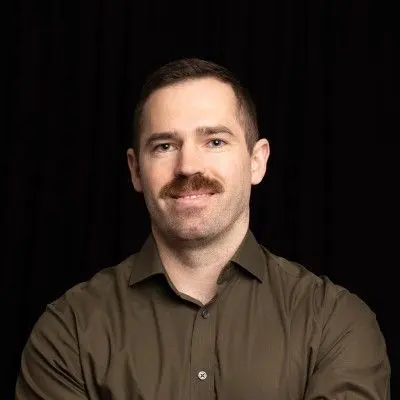
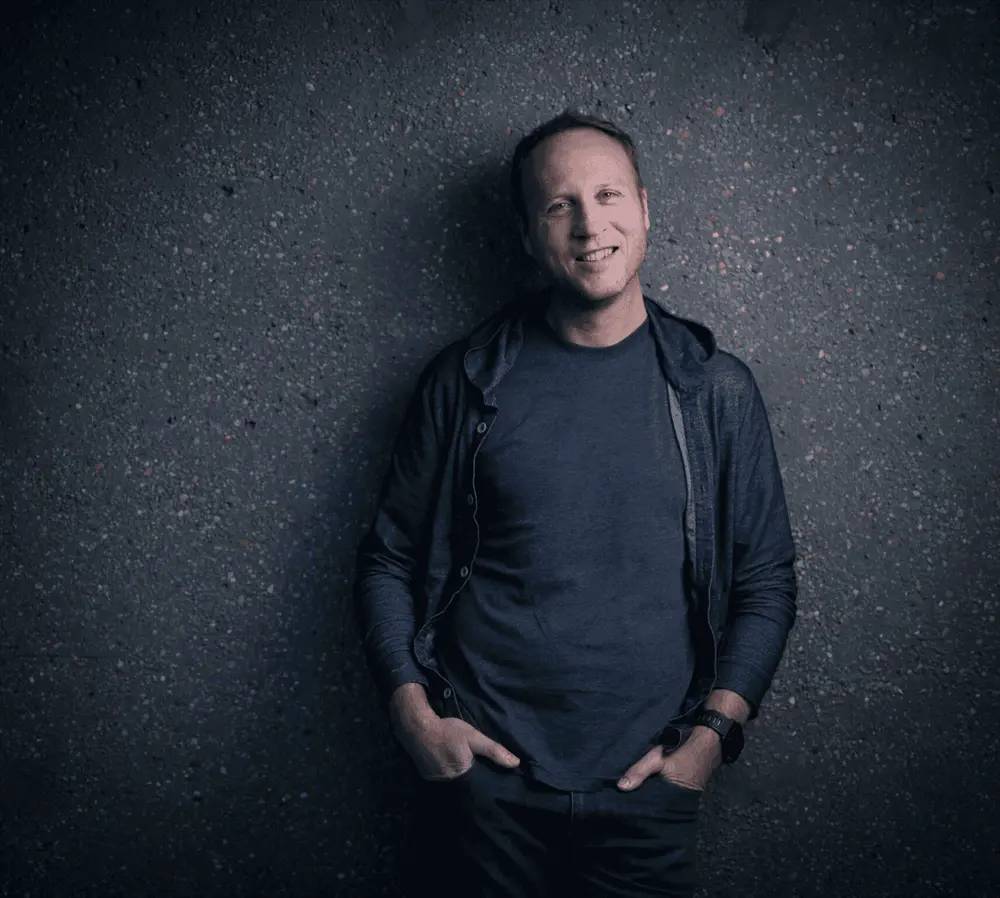
**Alan Jones** [0:44]: Live market first customers going live. Good morning and welcome to PickMyBrain, the special Melbourne Picks My Brain edition of Pick My Brain show. My name's Alan Jones and I used to be a startup founder too, once a very long time ago. But now I'm an angel investor and over the years I've picked up a bunch of experience and skills and connections and every week I have several coffees with startup founders who pick my brain for advice. And this show is just meant to be a live version of that experience. So in each episode of Pick My Brain, I sit down with the founder and we talk about how their startup is going to. We understand what their startup does and we talk about some of the challenges and problems and opportunities before them and see if we can come up with some ideas that might help them and perhaps some of those ideas might help you. Thanks very much to Cremorne Digital Hub for hosting us for this special series of Melbourne Picks My Brain and this morning I'm joined by Mitch. Mitch is the founder and CEO of claimsac.com Mitch, thanks very much for coming on the show. Thanks for having me. It's freezing cold and rainy outside.
**Mitchell Baker** [1:57]: Yeah, not a pleasant day today.
**Alan Jones** [1:59]: So thank you for making the journey and it kind of been easy.
**Mitchell Baker** [2:02]: No problem. You're listening to a Day one FM show.
**Alan Jones** [2:07]: Tell us a little bit about what claimstack does.
**Mitchell Baker** [2:11]: So claimstack is made for the construction industry. We are dealing primarily with the commercial workflow. So where the dollars flows from project inception and tender right through to final account, most programs seem to be singular. They kind of deal with one layer. We've got like client at the top, then we've got builder, then we've got subcontractors, they've got their own subcontractors and suppliers. The chain is infinite.
**Alan Jones** [2:36]: Right. And give us a sense of how many dollars pass through those hands up and down that chain in the course of a year.
**Mitchell Baker** [2:42]: In Australia, $320 billion was the last kind of indexed and research. That's what it showed. That was to the construction industry for a year.
**Alan Jones** [2:51]: All right. Okay. And what sort of pain point are you solving for that industry? Is it waste? Is it inefficiency?
**Mitchell Baker** [2:58]: A lot of it's to do with inefficiency. And the kind of opportunity cost of, you know, in commercial construction people are paid quite well, but then spend a lot of time doing tasks that don't quite require their brain and their energy
**Alan Jones** [3:12]: tasks like a lot of it can
**Mitchell Baker** [3:14]: be inputting data that already exists. So let's say like you get quotations from a supplier and then you're generating a purchase order. A lot of the time someone's sitting there copying that data. So part of my thesis was the opportunity cost of you doing A instead of B is quite high. So if we can find ways to automate the low hanging fruit of what they do, you get a lot of time back.
**Alan Jones** [3:35]: Okay, what makes you the guy to solve this? Were you that guy putting in the data again?
**Mitchell Baker** [3:41]: I was that guy. I've been that guy for over 12 years, both in Australia and the UK
**Alan Jones** [3:45]: and what sort of roles and what sort of companies.
**Mitchell Baker** [3:47]: Most recently was John Holland. So working as contract administrator that was on a $250 million refurbishment and new build on a shopping centre. I've worked on what was Facebook's new headquarters in London, which was circa £150 million. That was with Kier over there for three years.
**Alan Jones** [4:08]: That'd be a pretty nice job.
**Mitchell Baker** [4:10]: Yeah, it had its challenges.
**Alan Jones** [4:13]: Zuckerberg, I imagine has pretty fixed opinions about how he likes things done.
**Mitchell Baker** [4:18]: Luckily we only had to do the shell and core, so we built.
**Alan Jones** [4:22]: You didn't have to do the survival bunker and the Hawaiian island?
**Mitchell Baker** [4:26]: No, no, there was none of that. We did have to do the services for the staff kitchen and things like that.
**Alan Jones** [4:32]: Pretty interesting work. So who does claimstack sell to like other contract administrators like you or is there a CFO or who's the customer really?
**Mitchell Baker** [4:44]: We've got to sell into the people running the construction businesses. So main target is builders, but part of that is we're kind of company agnostic at the same time where if you pay the same as a builder, you get the same tools because everyone kind of has repeated problems down the whole chain. So a client may be dealing with a builder and they obviously have contract, they have variations and they have payments going between them and the builder. But then they also have like consultants. They'll have the architect that they're managing directly. They might have a quantity surveyor on projects. I've worked like, what seems to be happening in the data centre space is a lot of those companies do their own direct procurement of main parts of it. So think of like big bits of plant that they order all the time, like generators, uninterruptible power supplies. A lot of that they buy themselves, procure themselves and then supply to builders.
**Alan Jones** [5:32]: All right, this claim stack in market and life for customers in development.
**Mitchell Baker** [5:37]: We are now just hit the button and we're going live. So I've got the first.
**Alan Jones** [5:41]: All right, congratulations. I can't high five you, but I can elbow you. Thanks. Live market, first customers going live.
**Mitchell Baker** [5:48]: Yep. So I've basically been onboarding the first ones and going through that kind of journey and getting them up to speed, ready to roll.
**Alan Jones** [5:55]: And have you vibe coded the platform or do you have a team? Tell me about that.
**Mitchell Baker** [5:59]: No, I've been doing this individually, so I guess, yeah, we started in the vibe coding world and then I got a lot of information from, you know, some great sources that kind of. And great people, they help point me in the right direction. So I started and kind of early doors when I had the idea, I was like, how do I do this? I dived in and started using a tool that was called Data Button at the time, which was a full kind of vibe coding platform.
**Alan Jones** [6:20]: Yeah, yeah.
**Mitchell Baker** [6:21]: I was in that for about a month and then I realized I'm like, this, this isn't going to work.
**Alan Jones** [6:24]: Okay.
**Mitchell Baker** [6:26]: Realized its limitations very early and then I moved into cursor, started using that and learning more as I went.
**Alan Jones** [6:33]: Okay.
**Mitchell Baker** [6:33]: And eventually threw that in the bin and went to VS Code using Claude code.
**Alan Jones** [6:38]: Right, okay.
**Mitchell Baker** [6:39]: But spent a lot of time researching and learning software architecture and the like.
**Alan Jones** [6:45]: Many startup founders won't begin until they find a co founder or they won't start until the potential co founder nudges them into giving this a crack. Why did you decide just to get started?
**Mitchell Baker** [6:59]: Well, I went on a. I finished up my contract position with John Holland. I went on holiday. I had this idea for a long time. I bought a laptop when I went on my European holiday. I was like, you know, I'm just going to see what I can achieve just in a bit of downtime. And that was kind of, you know, the origin story of it. And then when I got back I
**Alan Jones** [7:16]: was like, you didn't see much of Europe, but you saw.
**Mitchell Baker** [7:19]: Oh, I did. It was more so my partner's an artist, so.
**Alan Jones** [7:22]: Okay.
**Mitchell Baker** [7:22]: My idea was while she was making art.
**Alan Jones** [7:24]: Yeah, okay. Yeah.
**Mitchell Baker** [7:25]: I would sit there and see what I could do with some AI tools.
**Alan Jones** [7:29]: You can't make art on a tour bus. You do have to stay in the one spot.
**Mitchell Baker** [7:33]: Exactly. So I was like, well, you know, we can both do our passions and kind of work very nicely.
**Alan Jones** [7:38]: Okay, cool.
**Mitchell Baker** [7:39]: I think her output was better than mine from the holiday, if I'm perfectly honest though.
**Alan Jones** [7:43]: Right, right. It's easy to be a solo artist. I mean, being an artist professionally is not easy, but you know, it's not usually a team sport. But startups are a team sport. Have there been times so far when you thought, geez, I wish I had a co founder or I wish I had a team?
**Mitchell Baker** [7:59]: Absolutely. I mean, obviously when you're doing it solo, every job relies on you. So you're both the accelerator and the handbrake at the same time. So, you know, and that challenge of splitting between headspace, you know, one day I'm in programming and the next I'm like talking to customers and doing onboarding. So it's like you got to change hats so many times you're like, you know, I wish I had other people to bounce ideas off, but I'm in very fortunate position where I have friends that have basically started software service in the construction industry. So I've kind of, you know, used them to bounce ideas off and get some valuable feedback to help me kind of keep evolving.
**Alan Jones** [8:35]: Great. If you don't mind me asking, as a, as a artist and a self taught, first time software engineer, you know, how are you paying the mortgage all around? Are you relying on savings? Are you hoping?
**Mitchell Baker** [8:53]: Well, my partner works full time. Her kind of side hustle is doing art, that's her passion. But she's got a day to day job so she's footing the bill for a lot of stuff at the minute.
**Alan Jones** [9:02]: All right.
**Mitchell Baker** [9:03]: But I, yeah, luckily construction, I acquired a lot of possessions and I'm slowly selling those off to keep funding the dream.
**Alan Jones** [9:10]: Great. Do you find that sometimes there's subtle or sometimes like clear tensions in the relationship that are caused by, you know, one of you pursuing a loss making vision for the future?
**Mitchell Baker** [9:29]: Yeah, sometimes like, you know, it's not all sunshine and rainbows. You obviously get, you know, the reality of day to day life and expenses can bite. But before I started it I kind of spoke to her, got her buying and we kind of agree what the future looked like and set a timeline of what that looks like. And luckily I've basically proven to myself and others that it's going to work and I've now just closed a friends and family around. So we're great. Good to keep rolling.
**Alan Jones** [9:54]: That's really good. I think it's a really good discipline and healthy for a relationship to say, you know, I think like I've never done this before, but I think if I can get this much time to, you know, sort of startup leave to go and pursue my, my startup and these will be my milestones along that journey and if I can keep hitting these milestones, I have your permission to, to keep pursuing my startup journey. And then if it looks like I'm going to miss one of my milestones, then we both know that I should sit down and we should sit down and have a talk about, well, I'm doing this for the first time and it might take a bit longer for the following reasons. It's when we bury that, when we hide that, chuck it in the back of the wardrobe and the tensions build and build and build. Sometimes that can be really bad for a relationship for someone who's a startup founder.
**Mitchell Baker** [10:45]: Absolutely. Like as they say in, in the dark the mushrooms grow. So light's a great disinfectant. You just got to have those honest conversations and super blessed that she's so supportive of what I'm pursuing and obviously it's for the both of us in our future. So. But yeah, no children, no mortgage. So if it wasn't now it's kind of the ideal time to pursue it.
**Alan Jones** [11:05]: Yeah, yeah, that's true too. That's true too. So let's, let's get back to go to market. So you're, you're in market now, you're live, you're getting some customers on board the platform. What are you learning about what it takes to take a customer from. Because I assume these are multi seat licenses or pilots of some kind.
**Mitchell Baker** [11:24]: Yeah, so these are, these first ones are pilots. So that's where we're at now. You know, first contact through to get them actually in there working now, you know, you don't know it until you do it. But it started as well, I thought, oh, I started targeting smaller companies because I'm like, you know, you can get in a room with the director, you can get answers quicker. But because of the level of stuff I'm kind of asking Them to pull out of what they do. The sales cycle is obviously going to be longer and for them to get comfort that A it can deliver what I say it's going to deliver and B, they can rely on a day to day basis.
**Alan Jones** [11:58]: I think there are industries and kinds of company that are relatively easy to persuade to adopt new technology and others that are a bit more resistant to it. Sometimes you find that like every business has a cycle speed, you know, or a clock speed maybe, you know, like where things are spinning, projects are running through and the more numbers of steps in a project cycle and the rate at which you advance through those steps has a big effect I think on how an organization is likely to adopt that startup solution.
**Mitchell Baker** [12:34]: And that's why probably the biggest champion company right now is a small fit out company that's agile because their projects only go three, four months. It is rapid. They, their internal clock as you say, is fast. So they want to move quickly and they want to.
**Alan Jones** [12:48]: Yep. And there are particular kinds of businesses where some people in the organization have been specifically trying to use one piece of software in a particular way and they'll have memorized keyboard shortcuts and to make their job easier. It's still very manual work and you're desperate to make it more efficient by putting in something that means you don't even have to remember any keyboard shortcuts. But they go, no, no, no. Like you know, I spend five years learning how to do this and I'm not going to change. I'm in the last 10 years of my career and I'm not going to change. I'm just going to keep using this terrible Windows client service software from the 1980s until I retire. And you might have somebody else in the organization who's officially the boss and can technically order people around, make them use whatever software you want. But actually you still gotta get that person to do that data entry job or whatever. And if they push back, it can make put you in a very challenging position because you have no say and you have a, you know, a champion inside. But that champion thinks they run the company until they're trying to make people change how they do their job.
**Mitchell Baker** [13:53]: Yeah, absolutely. Obviously probably the biggest thing that I've found thus far is like I've started talking to the people that are going to be using it. I've come from their world, I've sat in their seat, I understand, I can talk to them and I can sympathise with the challenge of their job and that breaks down barriers pretty quickly. I'VE found thus far.
**Alan Jones** [14:11]: Cool. Cool. That lived experience of the problem.
**Mitchell Baker** [14:14]: That's it. It's like I'm not coming here guessing what you're dealing with. Like, I understand. And I think we've all been in organizations and seen enough terrible roll out of software to be scarred for a lifetime. So I get the.
**Alan Jones** [14:26]: All right, all right. So your time doesn't scale beyond a certain number of hours in a day.
**Mitchell Baker** [14:31]: That's correct.
**Alan Jones** [14:33]: What's your plan for how to increase your rate of go to market by adding other people into the team to help you with that sales effort?
**Mitchell Baker** [14:43]: I mean, the first kind of plan, my first hire that I have planned is actually customer success and support. So I can offload that to someone. Obviously that's not something I'm an expert in. I come from the field of using it. That doesn't mean I know the best ways to do that side of the business. And I think, yeah, I've got kind of a couple of people earmarked for that. So once I build it, the revenue to support that, I'll look to get them on board.
**Alan Jones** [15:08]: Are they people that come from the construction industry?
**Mitchell Baker** [15:11]: Yes.
**Alan Jones** [15:11]: Okay. So they'll have that same sort of the experience, credit ability that you've been able to.
**Mitchell Baker** [15:15]: Yeah, that's kind of a key thing to me. And I think we're kind of at a nice point where there are people in construction potentially looking for a career change and other things. And it's not hard to convince some people from construction when they're used to working from 7 till 6pm per day to come. Try something different.
**Alan Jones** [15:33]: Great. Great. In their off hours. Yeah, yeah. So what are you thinking about marketing efforts so that the first time a potential customer hears about you is not because you've picked up the phone and run them.
**Mitchell Baker** [15:48]: Yeah. So right now I've started doing kind of like what I call feature feature series which I'm just posting in my personal LinkedIn locally. You know, over 12 years in the construction industry, I have quite a few very specific connections through that. So I'm using that to showcase features of the platform and how it works and the problems that it solves. So I think I'm up to like episode only like four or five now, but reception, that's been great. I'm already getting some inbound from that.
**Alan Jones** [16:14]: That's great.
**Mitchell Baker** [16:15]: So I'm going to ramp up the kind of content side of it. Obviously we know that's a great outreach this day and age. From here there's going to be some advertising and hopefully because part of my whole idea of the platform is it's built to be as simple or as complex as you want. How much information you put in is up to you. So basically I road tested this with my parents who run an electrical business back in Tasmania and they're a mum and dad operation. So I built them. If they can use it and understand it, we're doing okay.
**Alan Jones** [16:46]: Okay, that's not too bad. But we do have to watch out when we have a personal connection to people that we're studying for their user behavior or their adoption behavior or something, the fact that we have a connection to them can bias their feedback and bias the use of the product. We have to watch out that we're also studying people who don't care what their boss thinks about this new software product that they're meant to start using. You know, and studying their behavior can often lead us to more accurate results down the track. I mean, you know, we all want our family to believe in what we're doing. Absolutely.
**Mitchell Baker** [17:18]: Look, I take their opinion with a grain of salt. More just from a Can you pick it up and use it without me explaining every feature intimately? And they could. So.
**Alan Jones** [17:26]: Yeah.
**Mitchell Baker** [17:27]: But most of my kind of testing early days has been with friends from the industry, so I've got a lot of them in there to test it and use it and try and break it. And I luckily have a very quick feedback loop myself because I can sit there and use it from every side of it and like, oh, this is what I want to see. This isn't working. People are going to get frustrated with this.
**Alan Jones** [17:48]: So, mate, you're still a solo founder. There will be a time when you need to hire not just employees, but some more members of the leadership team. Being a solo founder and a CEO basically means you wear all the hats, right? And so, you know, swapping from the CFO hat to the marketing director hat, to the head of sales hat, to the finance hat, to the legal hat, to the HR hat. Which of those hats do you feel is least flattering for you?
**Mitchell Baker** [18:18]: You know, I think on the early days it's looking like customer support on that side of the ledger. So I think that's where the first hire is very key for me.
**Alan Jones** [18:30]: Sorry, that's a. Okay, but that's, that's a hire. But let's think about supporting you as leader by hiring a leadership team.
**Mitchell Baker** [18:36]: I think marketing, I'm so, so fresh too. And obviously I can sit there and read and watch and learn as much as I want, but that kind of, you know, game one experience. That's, you know, I've got someone in the background that's giving me a bit of information and tips. Hopefully I can get her to come work for me fractionally in the future.
**Alan Jones** [18:55]: That's okay. Great. Another plan Looking for fractional opportunities is a great idea. Looking also for opportunities to offer somebody an opportunity to earn into some equity in the business over time is great way to encourage senior talent at a more affordable price.
**Mitchell Baker** [19:09]: Part of the friends and family round, I carved out a 15% ESOP so I can use that to sweeten the pot because anyone that comes and is pushing as hard as me deserves a piece of the pie.
**Alan Jones** [19:21]: Great. Mitchell, thanks very much for coming on board the show today. This has been Mitchell from claimstack.com Yep, yep. Fantastic. If you've been listening to this and thinking, wow, I know somebody who's in commercial construction and their projects are a mess, claimstack might be a good place to start. You've been listening to the special Melbourne Picks My Brain edition of the Pick My Brain podcast may have also been watching. I keep forgetting some of you are watching. We'll be back with a couple more episodes of today's show in beautiful, freezing cold, rainy Melbourne. Thanks for watching. Thanks for joining me for this and every episode of Pick My Brains, the advice podcast for every startup founder. Never mind the don't forget to like and subscribe bullshit that every podcast host goes on about. Instead, please take a moment to think about someone you know who could use some of the advice I've shared and tell them that they should listen to it. I don't know, maybe they'll choose to like and subscribe anyway. I'm not a lawyer or an accountant, and what you've heard today is not intended as financial or legal advice. You should always seek that from a qualified professional before making the big decisions. And I'm not a superhero either, so don't forget that sometimes I'm fallible and very occasionally I might even be wrong. Please let me know when you think I might be so I can get better at this too. Just reach out to me on any of our social channels or email the show at pickmybrainstartupfoundercoach.com speaking of startupfoundercoach.com that's where you might sometimes find show notes, transcripts, and bonus bloopers. If I have the time. The Pick My Brain podcast is produced, edited, and beamed directly to your ears by the hardworking and understaffed team at Day One, the podcast network for founders, operators and investors. Find out more at DayOne FM. Thanks for listening.
More brains to pick
 ▶
▶ The Buzzword That's Killing Your Pitch: Billy Chan on Alfred Travel
 ▶
▶ Why You Should Think Global From Day One: Ilana Elbaz on Deel
 ▶
▶ How Do You Grow a Marketplace When Both Sides Are Slow? Ishan Dan on RegenX
 ▶
▶ What's Your Moat When AI Can Copy Your Product in 48 Hours?
 ▶
▶ The Four-Quadrant Framework Every Solo Founder Needs
 ▶
▶ The App Built to Stop Image-Based Abuse
Pick My Brain is a Day One® show — the podcast network for founders, operators and investors. Want a show like this for your company?
Other shows worth a listen
Episodes from across the network exploring similar themes — part of the same Day One conversation.
 ▶
▶Founders in Motion with Thea Ngo
Basketball Stats From One Phone Video: Their $3.5M AI Pivot | Cordelia King, Superstat
20 August 2026
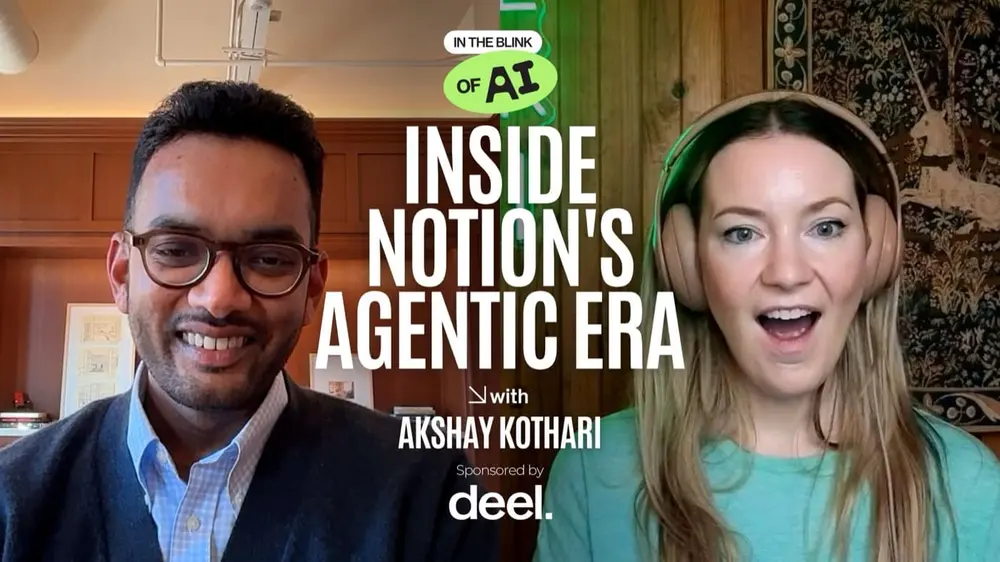 ▶
▶In The Blink Of AI with Georgie Healy
"AI Should Bring Us Closer Together, Not Make Us More Lonely" with Akshay Kothari Co-Founder of Notion
19 June 2026
 ▶
▶Oversubscribed with Brendan Hill
Inside HEO: Australia’s Secret Space Camera Company | Hiranya Jayakody, Steve Baxter, Jessy Wu
18 June 2026
Turn podcasting into pipeline
We're the team behind the Day One Network, and we helped build Blackbird Ventures' Wild Hearts. We help founders, funds and operators build trust, authority and deal flow with a show tailored to their market.