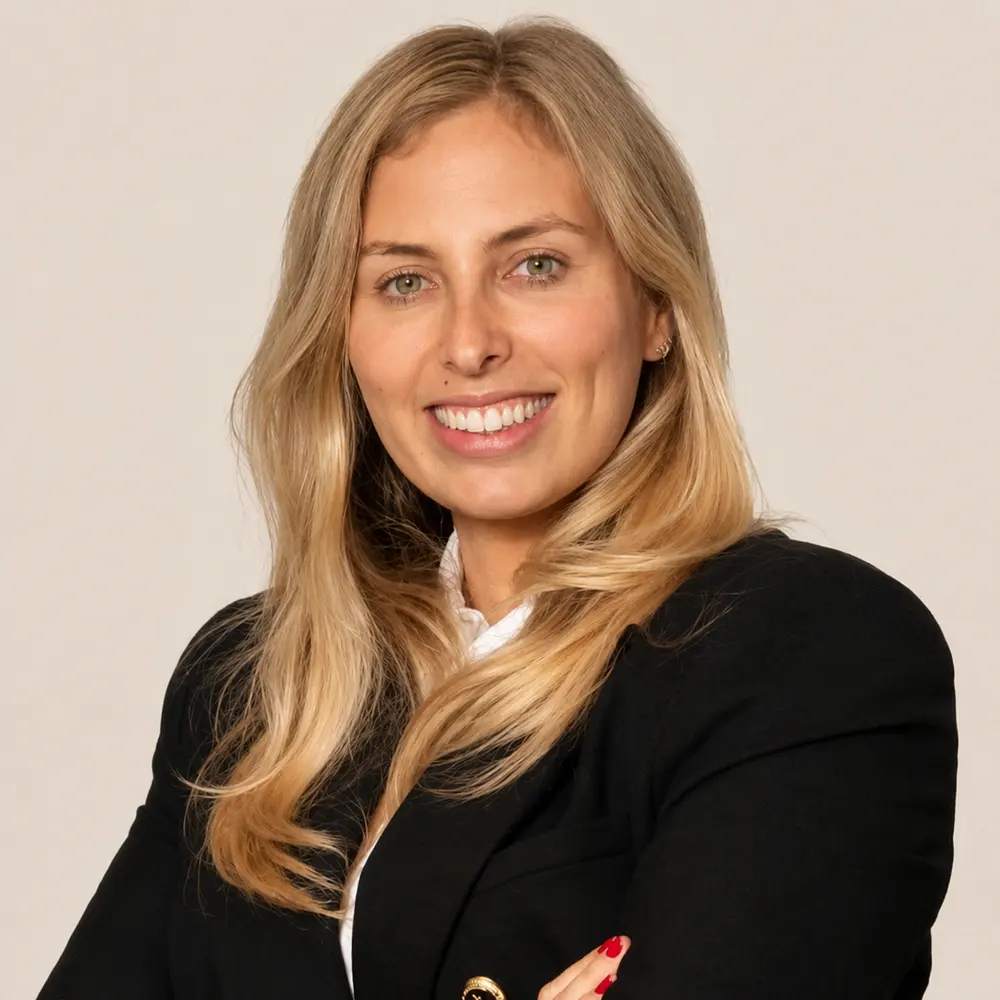
Ilana Elbaz joined Deel when it was five people, one developer and no revenue. It is now 7,200 people across almost every timezone, with more than $1 billion in ARR — and it has never had an office. She built the go-to-market function that got it there, from Singapore, having grown up in France and started companies in Thailand, Switzerland and the US.
Deel went through Y Combinator in 2019 as something else entirely — first a social media product, then a blockchain company — before landing on the payroll, compliance and employment infrastructure it sells today. Much of that product exists because Deel needed it first: the employer-of-record product was built after contractors in Germany and Italy told the company they would not work as contractors.
In this episode of Pick My Brain, Alan Jones asks the question every Australian founder eventually hits: if the local market is small and the experienced talent is thin, when do you start hiring offshore? Ilana's answer is blunter than most — think global from day one, for the team and for the go-to-market, because the alternative is optimising for proximity instead of quality.
They also get into the compliance mistakes that can close a business, why an investor will interrogate your workforce structure at the next round, how Deel runs on written async communication and huddles instead of scheduled one-on-ones, and Ilana's case that the classic weekly one-on-one is obsolete once you have real-time data. Plus the SDRs who went from under $40,000 a year to more than $500,000, and why she would take that job again tomorrow.
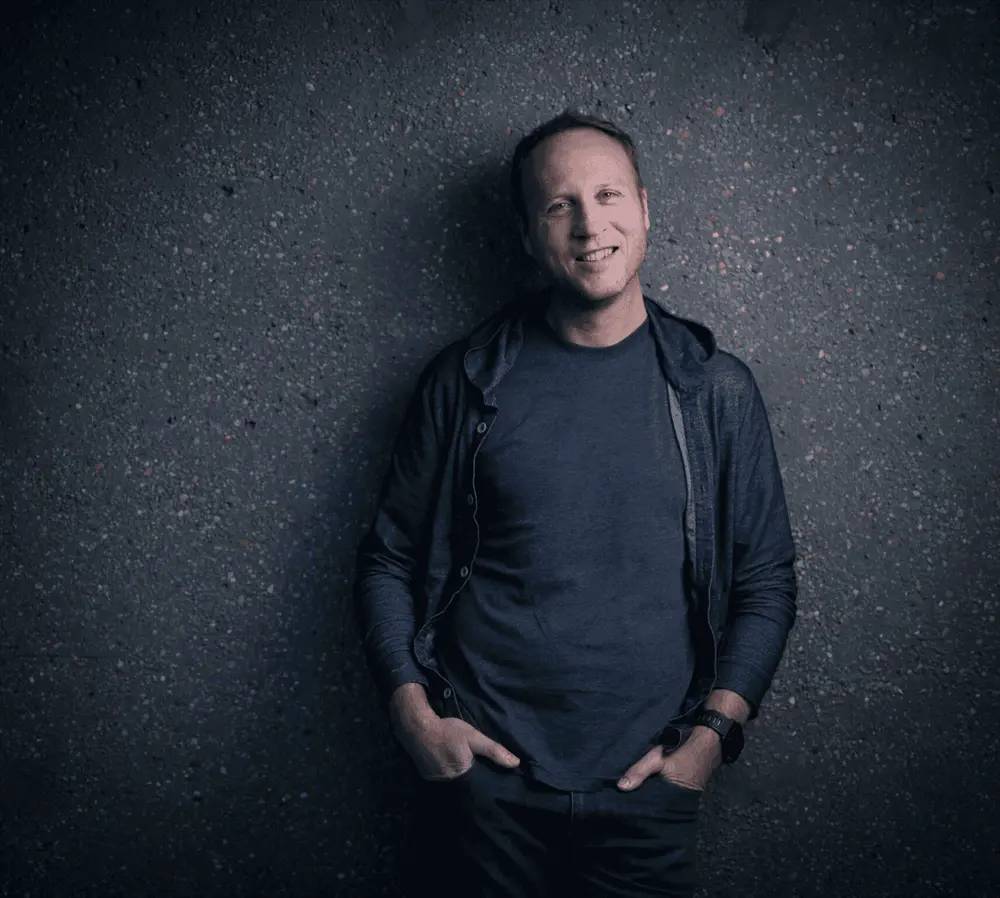
About the show Pick My Brain is a Day One show hosted by startup founder coach and investor Alan Jones.
Chapters 0:00 Five people to 7,200, and zero to over a billion ▶ 0:58 Welcome to Pick My Brain ▶ 1:45 Meet Ilana Elbaz, head of sales and go-to-market at Deel ▶ 2:30 Doctor or entrepreneur, and a first company at 19 ▶ 5:02 How Deel was founded, and the pivots through Y Combinator ▶ 7:26 Is Y Combinator still worth applying for? ▶ 8:50 Remote-first from day one, and why proximity is a bad filter ▶ 10:56 Eating your own dog food: how the employer-of-record product got built ▶ 12:29 Where 7,200 people actually sit ▶ 14:34 Why a small market forces Australian founders outward ▶ 16:41 Slack from day one: async, written and measured ▶ 18:07 Akai by Deel and the daily performance report ▶ 19:58 Think global from day one ▶ 21:08 The compliance mistakes that can close your business ▶ 22:59 Paying people in the currency they actually want ▶ 25:56 Onboarding, buddies and enablement ▶ 26:33 From under $40k to over $500k: the SDR path ▶ 27:56 Bringing a distributed team together, and the Deel World Cup ▶ 30:24 Why the classic one-on-one is obsolete ▶ 32:43 Fix it now: the cost of postponing hard conversations ▶ 33:30 Wrap-up ▶ Transcript Synced · select any line to jump ▾ 0:02 Speaker: Founders scale faster on Deel. Set up payroll for any country in minutes. Hire anyone anywhere. Get visas handled fast and get back to building. Visit deel.com/dayone. That's d-e-l.com/dayone. 0:22 Speaker: We went from 5 people to 7,200 and from $0 to over $1 billion. It was started as a social media, then it was a blockchain company. And then out of YC, it was like a bit more of what is it today. 0:38 Speaker: Would Y Combinator still be something that you recommend that early-stage startup founders consider applying for? 0:44 Speaker: Why am I going to hire someone next to me when I can hire someone in Germany that speaks the language, understands the culture, has his own network, can be the first foot on the ground? We eat our own dog food, right? Like, we build the product. For us, some SDRs that were making like less than $40,000 a year, and today, like a few years after, they are making more than $500,000 a year. We are still fully remote, fully distributed. We are probably one of the biggest remote companies today. 1:17 Speaker: Welcome to Pick My Brain, the podcast where we help startup founders improve their pitches to better connect with customers, co-founders, and investors. My name is Alan Jones, and I'm an ex-startup founder myself, but now I'm an angel investor with literally decades of experience helping new startups find their footing and hit their goals. I'd like to acknowledge that this podcast is being recorded on Gadigal land, land that was never ceded. I pay my respects to their innovators and leaders past, present, and emerging. On Pick My Brain, you'll hear the real story straight from founders and operators as they pitch their startups, tackle their challenges, and turn their ideas into a successful business. 1:53 Speaker: Each episode, I'll see if I can take them, help them take their startups another step forward with some advice, maybe some ideas, and perhaps a little constructive criticism. Thanks for joining me. Let's get started. Today we're joined by Ilana Elbaz, who is the head of sales and go-to-market at deel.com. That's deel.com. You might be familiar with them as one of the sponsors of our show. Thanks for joining me, Ilana. How are you going today? 2:17 Speaker: I'm great. Thanks for having me, Alan. 2:20 Speaker: You're joining the call from Singapore, generally a pretty hot and humid kind of place. Is it a hot and humid day there today? 2:27 Speaker: Yes, I left the cold and dry France to come to the humid and Warm Singapore. 2:36 Speaker: I've been watching the Tour de France with with my father. I was watching the day yesterday. It didn't look very cold and dry. Well, it looked dry, but it didn't look very cold in France. 2:46 Speaker: Yeah, now they are dealing with another problem right now. 2:49 Speaker: Hey, Alana, I have two questions that we love to go into with every guest we have on the show. I'm sure you don't mind. Question number one is: When you were a kid, what did you think you wanted to be when you grew up? 3:06 Speaker: When I was a kid, I wanted to be, oh, a doctor, actually, like, uh, to, to help people. Oh, I wanted to be an entrepreneur. I, uh, I strongly believe that, uh, like, I, I love the idea that you can have an idea and you can make it concrete. Uh, so I thought like entrepreneurship, like, like was kind of an art from something, uh, like not concrete to something very concrete. Uh, and how you're gonna make it happen. So it was all doctor or entrepreneur. I was not built to be a doctor, so I didn't have choice and I became an entrepreneur. 3:40 Speaker: Hey, you don't like the, the sight of blood or? 3:43 Speaker: Um, yeah, like it was not for me. 3:47 Speaker: I see. I see. And, and standard question number 2 is, what were you doing before you got into startups and, and why did you make the jump into startups? 3:57 Speaker: So I've always been in startups, like always been building companies. Like when I was a kid already, I was buying and selling from China and selling in Europe. I built my first company, I was 19 years old. It was an app, like technical app. I was managing developers. Then I had another company like in Thailand. So I really been an entrepreneur and building companies all my life. 4:22 Speaker: Wow, that's rare. At least it is in Australia. You know, most of our startup founders come to startups from another career entirely. What sorts of things were you buying and selling on that first platform? 4:32 Speaker: I was buying clothes, accessories, and dog and cat clothes from China and selling it to friends. That was my first business. Not sure I wanted to share that today, but I'm sharing it with you, Alan. 4:46 Speaker: No, it's a safe space to share all the ugly and embarrassing stories from the past, Alana. Don't worry about it. And dogs need clothes too. Dogs absolutely need clothes. Where I'm sitting at the moment, about 200 meters 200 meters from from where I live, there's a there's a shop right here on Crown Street selling dog clothes. So loud and proud, live it. Have a dog, have clothes for it. Why not? Alana, how long ago was was Deal founded and and how did you come to be involved with the company? 5:19 Speaker: Oh, ça m'aime. So we were founded in 2019. Like even actually we started even before 2018. We went through Y Combinator. We went through a few pivots inside Y Combinator. It was not what Deel is today. It started as a social media, then it was a blockchain company. And then out of YC, it was like a bit more of what it is today. And to answer your question, how did I join? I open companies all over the world, right? I grew up in France, been living in Switzerland, in the US, in Singapore, in Thailand, like almost 10 countries. And when you want to build a business, the last thing that you want to deal with is like all this compliance around that, like setting up an entity, hiring the people, and so on. 6:11 Speaker: You want to focus, and you are talking to founders today, Alan, right? You want to focus on your product, you want to focus on your customers, you want to focus on gathering feedbacks. But like last thing you want to deal with is like labor law and compliance. And I had to deal with that myself. Opening, uh, like hiring people in different countries, and it's always been a nightmare. And, uh, I, I met Alex, like the founder of Deal, uh, through a friend, and he told me like, um, I was in MIT and I met these incredible talented people, but, uh, they can't work for the best company in the world because they didn't get the visa in the US. They had to go back to their own country, in Turkey, in Ukraine, in France, in Japan, like wherever they were from. 6:52 Speaker: And they could work for like the tech company from San Francisco, but they couldn't. So let's do something like let's let's help them to hire people, this U.S. company, or let's let's people to work for the best company, in depending on where they are. So I was really brought in by the mission, right? I believe that talent is everywhere, and when I joined, it was basically part of the founding team. Alex and Shu are both engineers, Philip also. We had 1 developer and $0 of revenue, and I joined to build the go-to-market. And fast forward, we went from 5 people to 7,200 and from $0 to over $1 billion of ARR. So it's been an incredible, rewarding, and challenging journey, an intense journey as well. 7:45 Speaker: You've been through Y Combinator, one of the world's most respected accelerator programs, and obviously it, like most accelerator programs, changes every year, but would Y Combinator still be something that you recommend that early-stage startup founders consider applying for? 8:01 Speaker: I think that it's a great school, right? Like, I think it's on top of Y Combinator is like the people that you met in San Francisco, the people that come and leave everything behind, like, to go there, like, you meet incredible people. So I think, like, it's definitely worth, like, to do, depending on your industry, the stage of your company, how much revenue you have. So it's not a one-size-fits-all. But I think for Deal, it's been tremendously beneficial. 8:29 Speaker: Great. And if you hadn't met your co-founders at YC, you know, before Y Combinator, do you think that it would have changed the way that the team came together if you had joined the company after it had been through an accelerator program? 8:49 Speaker: Actually, I met Alex just after he finished YC. 8:51 Speaker: Ah, just after. Okay. 8:53 Speaker: Yeah, so I think it doesn't matter, right? Like, it's more, it doesn't matter if you met before, during, or after, and the stage of the company, or the pivot that the company is. So I think that it would not matter, no, at least for our experience. 9:07 Speaker: Okay, okay, cool. Elan, Odile are the experts in working with remote teams, or working in organizations where the whole team are remote, and perhaps sometimes also teams where most of the people are in one place, but some of the people are remote. You decided very early on that you were going to be remote-first as an organization, is that right? 9:35 Speaker: Yes, because like from day one, we believe that, again, that talent is everywhere. And like, look, Alan, I'm based in Singapore, right? And I oversee the sales globally. Why am I going to hire someone next to me? When I can hire someone in Germany that speaks the language, understands the culture, has his own network, can be the first, um, foot on the ground. So that was an easy trade-off, right? And same for the development part and the R&D part. Why am I going to hire someone next to me when I can just hire someone that is the best in what he's doing, but he wants to do it from another country, right? So I think that when you hire, like even from the beginning, when we start to hire and your scope is much bigger and you focus on the quality of the talent and not the localization of the talent, it gives you access to much bigger pool of talented people. 10:28 Speaker: That's one. And second, you can really leverage it based on where you are and optimize it, right? You are a US company, you can have like the R&D team based in Brazil because it helps you to grow faster and to hire more people when it's needed to hire more people. And for the go-to-market, you can really leverage that. Because most of the go-to-market is based on the language, right? Like, it will be hard for you to beat me in the French market because I know exactly like the French market very well. And if you cover the French market out of the US with like someone that is American, you have like an overcomplexity when you want to go to market. 11:04 Speaker: So I think that it's always been in our mind that like we're gonna be like a global company and we really believe that we eat our own dog's food, right? Like we build the product. For us initially, we started like very small, small company from the digital economy, geek economy, like 10, 15 people, hiring developer here and there. And then like people told us, okay, no, but Ilana, I don't want to be a contractor. I'm from Germany, I'm from Italy, I've never been a contractor in my life. I want to work in this company, but I must be an employee. And we say, okay, like you don't want to be a contractor, let's look into it. And that's why we created another product, like the employment of record product. 11:46 Speaker: To be able to hire people and help people to be an employee versus a contractor. So we had another product. And same internally, we hire people in Germany or in France or in Brazil that were like, for them it was more common to become an employee for different reasons and say, okay, like now we can also offer you this product because we build it for ourselves. And it's always been the philosophy of Deal that like the sales are the ears and the eyes of the company. And to YC moto, you need to build something that people want. And we were our first client. And since, like, as of today, every product that we build and ship, we test it for us internally because we are 7,200, but we also, like, feedback the product team internally before we actually offer it to our clients. 12:34 Speaker: Cool. 12:35 Speaker: Very cool. Sorry, did you say 7,200? 12:39 Speaker: Yeah, 7,200 today. Wow. Okay. We are still fully remote, fully distributed. We are probably one of the biggest remote companies today. 12:46 Speaker: Can you tell us something about the geographic spread of those staff? Are there places where you're more likely to bump into somebody who works for Deal? 12:56 Speaker: You have some hubs, like in Spain, like in Dubai, like Cape Town. I would not point— like UK, right? There is a hub, there is like the one in my team that follows the sun as well, like wherever it's shiny and sunny. And like to cover some region, like Spain is good to cover Europe. There is a big tech hub, so it's easier to hire, and there is like a big sales community as well. But there is not like a big hub that I can point out. 13:29 Speaker: Yeah, yeah, okay. And so there's no geographic biases around, you know, like you're more likely to find deal engineers working in this particular country and... Deal GTM people working in that country? 13:44 Speaker: Yeah, so I think like for, for, for, so for the US, like we have a big workforce in Brazil for the R&D part. You have very talented, uh, engineer. You should talk to Yaron, our CTO. He can talk, uh, he can talk about it very well. It's super insightful on how you optimize, um, the, the talent, uh, and, and the cost. Uh, you have Vietnam, like in Asia, like to cover the Asian part. So you have like geographical hub that help you to cover 24/7. But for the sales team, like you have people in France, in like mostly in the country, like, uh, that they will cover. But came out that there is a big hub in the UK or in Spain, uh, but that's, that came randomly, right? 14:27 Speaker: Like it's more the lifestyle and people that fit to this lifestyle. Australia usually is covered by people like covering the Australian market because you guys are very far. far compared to the rest of the world. And you still need to do the customer hours when you have a customer-facing role. So it will be tricky to cover the French market based out of Australia. 14:52 Speaker: Yeah, definitely. I think perhaps Australian startups are the most used to traveling in order to set up new offices and to hire people and to find customers, right? Because we're not only very far away, but we're also a very small market. 15:08 Speaker: That makes you a great market, right? Because you are very small, uh, but, um, you are very smart, but you don't just have enough people of you, right? So if you want to be like a big company, you don't have any choice to hire like technical talent outside and go to market outside of Australia. But since it's an English-speaking country, very well developed, it gives you like a very good edge to actually test the market inside of Australia. Just like a good established company in Australia, but if you want to be bigger, you have just simply no choice to hire like tech talent or go-to-market talent outside of Australia. 15:49 Speaker: Founders scale faster on Deel. Set up payroll for any country in minutes, hire anyone anywhere, and get visas handled fast so you stay focused on scaling. Deel takes care of onboarding, HR, IT, EOR, Benefits and compliance so your team can grow without borders. It's why more than 40,000 fast-growing companies trust Deel to move fast. Visit deel.com/dayone. That's deel.com/dayone. 16:24 Speaker: So the, the Deel platform includes everything from finding people to hire, to managing the hiring process, to managing them once they're on board and employees, things like payroll and HR and benefits and moving people from place to place, visas and relocation, that kind of thing. But in addition to that, what other technologies or platforms or tools do you use for, you know, what do you use for team messaging? Are you a WhatsApp company? Are you a Slack company? 17:00 Speaker: So yeah, we are a full-stack HR and payroll solution. So basically, like, we can manage all your workforce. Like, you have talent, remote talent, but also like entity all over the world, or really like hiring as a contractor, as an employment of record, as like doing your payroll in 100 countries, and as managing your HRIS and ATS, like, all together. Internally, we really heavily rely on Slack. We work on Slack from day one, so we work a lot asynchronously because we are a global team. So in terms of time zone and everything, and because of our nature that we've been remote from day one, and we have— I like to define Deel as a big salad when you take the best ingredients from all over the world and you mix it together. 17:49 Speaker: And sometimes the way you communicate in Brazil and in Japan or in Korea can be different. So, from day one, we've been very heavy on written communication and very heavy on how we measure our goals. Even when we were a team of 5 people, we had KPIs and we were very transparent with our goals and our metrics. And we're very honest with ourselves if we can actually increase the bar. And the idea was to really constantly increase the bar. 18:17 Speaker: Mm-hmm. 18:17 Speaker: So, that's how we operated back then and that's how we're operating today. 18:21 Speaker: Cool. 18:21 Speaker: There are lots of things that plug into a platform like Slack to help you prompt people to report in with their progress towards their goals. Are there tools like that that you use at Deel to remind people that it's time to write their weekly report or update their metrics? 18:41 Speaker: Yeah, so we have our own HR system that sends notifications when it comes to all the time off, sick leave, and everything. We also have like Akai by Deal. It's our AI brand platform. It operates as a brand. Same is a product that we created for us. There was a lot of manual tasks for the KYC and finance part of the business and operation. And we created this AI tool to optimize everything. And we are using it for me on the go-to-market. I receive from Akai like every day a report on how the team is performing by segment, by region, by individual. So it's also like helped me like asynchronously to manage and to understand where there is gap and there is things that needs to be fixed immediately. 19:31 Speaker: So here in Australia, you know, we don't have an abundance of capital and we don't have an abundance of skilled, experienced talent. We have skilled talent, but it's not always skilled and experienced, right? Because our startup industry is younger than the US, younger than Europe. younger than much of Asia. And startups, if they're going to be of interest to VC, they have to show that they can grow fast. One of the ways, there are many ways, many challenges in the way of growing a startup rapidly in Australia. But one of the things that can hold you back is the hiring process, is trying to find those first few hires and those critical roles that you have. 20:16 Speaker: Is it worth reaching around, you know, trying to recruit locally for the first 1, 2, or 3 or 4 hires and then starting to look at remote people to hire in the rest of the team? Or is it worth just going, the best people that I can work with can be from anywhere in the world, I should get started looking for remote employees at the same time as local employees? 20:42 Speaker: In my experience and my opinion, you should think global from day one, right? Especially when you have such a small market and you are like, I put into brackets for the one that will just hear, like missing talents because there is not enough. I think that you will really like, you shouldn't have this constraint. Startup world is very hard, as you know, Alan, right? It's a difficult job. It's like a very consuming job. Uh, and it's a very hard job, right? So I'm for like optimizing for everything that will make your life easier. And I think that if you have this incredible person and he's based in Singapore, you should go for this incredible person because you will have so many roadblocks along the way that your talent will be the most important eventually. 21:27 Speaker: And your first hires will be critical as well. And you shouldn't compromise on anything besides quality. So, for all the person in Australia and New Zealand, they should really like think global from day one for themselves, but also from the go-to-market angle. 21:45 Speaker: Cool. 21:46 Speaker: So, what challenges do people typically face when they start going about trying to build a remote team? 21:54 Speaker: So, the challenge is compliance, right? You are busy, like as I mentioned from the beginning, right? You are busy with your product, your customer, building your team, and so on. And you don't want to spend time to understand like how is it to hire someone in Italy? How is it to hire someone in France? Believe me, it's coming from those countries is very hard. And if you don't do it right, you can close your business. So it's very important to be aware about that, that it's complicated and it's not worth to take any risk. And it's very important that like when you set up, you set up the right foundation for scale. And like your seed company, like a company, your next investor will look into it. 22:31 Speaker: Like how is your workforce structure? Where is your entity? Why you have this contractor here and not there, and so on. So as you go and as you are scaling, you don't want to have any bottleneck on this part because it's less interesting and it's not your core business eventually. And I think the most critical, and I've seen a lot of mistakes on that front, is how you hire these people fast and you hire in a compliant way. 22:59 Speaker: And hiring in a compliant way is one part of the challenge, I guess. The second part of the challenge is that compliance changes all the time, right? Governments and regulatory bodies change what they need from an employer all the time. 23:15 Speaker: It changes all the time and it's different in a country. Like, if you look in the US, in New York and California, you will have different set of regulations. If you look at Canada, every province has its own set of regulations and there is constant change, constant new law and so on. So you hire someone in Spain today, Like, you don't know what's going to happen in 2 months, you don't know what's going to happen in 3 months because it's very complex, it's very localized, it's usually in the local language, but it's also very dynamic. 23:45 Speaker: And another thing that can change as well is some employees will want to be paid in local currency, others will want to be paid in another currency, US dollars or something, and the exchange rates that you use can affect someone's compensation over time if there's a big movement between your organization's native currency and the local currency, right? 24:12 Speaker: 100%. So that's why it's important to understand what's the local currency, what's the currency you're going to use, but also it can be as an additional perk to give your workforce the option to withdraw the money the way they want. So for example, so obviously we take care of all this compliance burden, right? All the compliance. If you want to hire someone as an employee, we will hire, we'll act as an employment Of record, we have the lawyers in house. We have the infrastructure. You have the the employee experience, right? You have the HR program that will tell you exactly how it works in this country and how it works in another country. But if also you hire this person as a contractor in Argentina, the he doesn't want to. 24:53 Speaker: You can pay him in dollar, and he will have the flexibility to withdraw his money like twenty percent in pesos, twenty percent in USDC. and the rest in US dollar, right? And it's very interesting also for the people to be able to have this flexibility to hire the money the way they want because they're also affected by their local government. 25:14 Speaker: I worked with a dev team based in Buenos Aires once many years ago in one of their challenging financial times there, and they asked me to buy some stuff in Buenos Aires for them, and then they would sell that stuff on the black market and that be how they wanted to be paid, just to help them manage the inflation and currency risk they had. 25:37 Speaker: Yeah, I think it's about like, it's also like a perk that you give them to attract the right talents. Like, I want to work for this company, but it needs to work for myself, right? And the way it works is like the Argentinian peso is fluctuating too much, and I want to be able to do it in crypto or to do it in US dollar, right? So I can understand I can have more stability. 25:59 Speaker: Yeah, yep. When I was doing that, there was no such thing as crypto. It's a very long time ago now. Yeah, the first couple of years I was an employee at Yahoo, I was getting paid in US dollars and living here in Australia. That was great for me. That worked out pretty well. But this is not about me. So you mentioned there though, onboarding processes as well, induction, getting people not just into a role, but also how to induct them, how to get them up to speed, how to get them working in the same processes as the rest of their team. How do we make that easier for a startup founder? 26:41 Speaker: So, we have an enablement system, like when we— like you're talking internally, right? The way we do it, we have an enablement team. for onboarding and we have a sales go-to-market enablement team. You pair with a buddy when you start and you are really like, someone is really like taking you from one step to another, like every week and you have like a full online training and a milestone and so on. So that's very important, the way you onboard the person. But that's also really cool, right? Because you, like when you work at Deel, I always tell the SDR, they start their career and I tell them like, first of all, if I was 20 again, I will be at Zinn and be an SDR. 27:22 Speaker: Like, let's put it that way. It's the fastest way to go into tech, it's the fastest way to accelerate your career. And I hired some SDRs that were making like less than $40,000 a year. And today, like a few years after, they're making more than $500,000 a year, right? So, so you have like this ability, you need to be excellent and you need to close the big deal, right? I'm not saying that everyone is like going to this trajectory, but That's the easiest way to go in for this journey. But why I say it's the best business school, because you have access to people all over the world and you know that all my standard, at least when I hire, is that you look left and right and the person next to you is better than you. 28:02 Speaker: And you have it in a fantastic scale because you can sell in Australia, but you can talk to the guy in the UK, you can talk to the guy in the US, you can talk to the guy in South Africa, you can see their You can talk to the guy in Japan, you can review the— of course, there is a language barrier, but like at least English speaker, you can have access and to review the sales call and the call like from the different peers. And what makes it interesting is because we didn't hire across our radius, it's a synergy that is created that you work from the best depending where they are. 28:34 Speaker: Do you bring teams together in person periodically, you know, once a year? Is there a conference for all your SDRs? 28:42 Speaker: So we have like, we have few times that we meet actually. We have the global SDR with SKO, Seski Koff. So last year was, uh, it's, it's sales and it's the go-to-market, CSM, partners and stuff. So we meet, we meet once a year where, uh, we exchange, we talk about the new product and the new positioning and the branding, and everyone is presenting something. And that's really cool, honestly, to meet with people. It's very intense, but it's very cool. 29:16 Speaker: Great, great. 29:16 Speaker: Met all the directors. We have directors of site also once a year, and we have head of department that we meet once or 2 times a year as well. And of course, like locally, you have the team locally that gather when there is an event or when it's needed, but like everyone in one place is once a year. 29:35 Speaker: As we were recording this, listeners, the World Cup is getting on towards the final stages. Alana, Is there a lot of discussion, a lot of trash talk between patriots of different nations in the World Cup? 29:50 Speaker: First of all, I think that my country will win, but that's what I say. 29:55 Speaker: Well, they look like, they look like, the Bleus look like they're going to do pretty well. 30:00 Speaker: Yeah, but we use it in a cool way. So we have like a World Cup competition, we have the G World Cup competition, and it's to generate pipeline. Every day we track that, like the SDR and the AE are working together on how they're generating pipeline, and we are tracking which country is winning, and there will be a big prize at the end. So I've always believed in healthy competition. I think that salespeople are competitive by nature, and if they are not, they shouldn't be in sales. And yes, we have the small talks and who is winning, but we have also our own Deal World Cup competition. And it's driving a lot of pipeline. 30:42 Speaker: And do you think, because you're such a global organization, and because there's only one sun that orbits our planet— sorry, there's only one sun in our solar system, and we orbit it, it's only in one place in the sky around the world at every time— how much of a difference does it make for people to meet or to talk synchronously rather than async on Slack? 31:05 Speaker: We talk a lot, but we work differently, right? Like, instead of like, I don't have classic one-on-one, but again, maybe I'm biased. Like, don't forget, I'm leading the go-to-market, right? The sales. So having one-on-one with the director for them to show me like where they stand and their pipeline and their forecast, the classic thing that you would expect in a one-on-one sales meeting, is very irrelevant. Why? One, because salespeople are very good at selling, okay? Especially the one that work with me. So I don't need that. My role in life is to fix problems and to make things better. So I think it'll be relevant to have something that is presented. 31:44 Speaker: Second, I already have access to the data. I have like Akai every day sending me the data in real time, understanding the gap. So already done this filtering about like, okay, this is not working, this is working and stuff. And I believe like one of our values is the deal speed, is a famous deal speed on how you fix things, how you move, how you iterate. You make mistakes and you move fast. Why am I going to wait? Today's Monday. Why am I going to wait next Monday with one of my direct reports to talk about something and the problem when I can fix it immediately? So, we do talk and we do talk every day, but on a huddle basis. Like, we huddle. 32:22 Speaker: There is something that is not working and we need to fix it, we're going to fix it now. And I think that's part of our culture, that's part of our DNA. And I think that's really the classic one-on-one is really obsolete. And it was more like information checking when you didn't build the foundation into, like the right foundation into your data and your AI infrastructure in order to have the data in real time and to be able to flag what is not working in real time. So I do believe talking to people, and I think that there is a lot of things that you cannot think asynchronously. I think that, like, let me go back. I think that 90% can be fixed, written down. 32:57 Speaker: But I think that for the extra 10%, you still need to have a conversation, but you cannot have a conversation next week. When there is a problem, you need to fix it immediately. And I feel like from the crowd that you mentioned, like the early founders, it's something that we've done from very early. And it's like something that I really advise, really like remove all your agenda, clear your meeting, go to talk to the client and the customers. But when it's your internal team, like talk to them when when you have time, but also talk to them immediately when you have to talk to them about something. Don't wait. 33:29 Speaker: Yeah, I do think though the forward progress of a startup is largely measured in how long it takes between when you realize there is a problem and when you get started fixing the problem. You know, people who put off having difficult conversations with teammates or employees, those are the people who don't make as fast progress, right? Like, if you're aware of a problem, address it. 33:52 Speaker: Yeah, it's inevitable, you know, like hard conversations are inevitable. And the more you postpone, the harder it's going to be. And as a startup founder, as an operator and staff, it's better you fix it now than you wait. You need to fire someone, it's not working. Even if this person is great, when there is a bad apple in the basket, like it spreads fast. So it's decisions that you need to make fast, even if it's hard, you have to do it. 34:16 Speaker: Alana, thank you so much for coming on the show this afternoon. It's been a real pleasure to talk to you and learn more about what it takes to build a global from day one company with a remote-first workforce. Alana Elbaz, everybody, is the head of GTM and sales for deel.com. That's D-E-E-L.com. And I wanted to thank listeners and viewers for watching this and every episode of Pick My Brains, the advice podcast for startup founders. Thanks for listening. And if you enjoyed this episode, never mind the don't forget Don't forget to like and subscribe crap that every podcast host goes on about. Instead, please take a moment to think about someone you know who could use some of the advice I've shared and tell them that they should listen to it. 34:59 Speaker: Maybe they'll choose to like and subscribe. I don't mind. But look, I'm not a lawyer or an accountant, and what you've heard today is not intended as financial or legal advice, and you should always seek that from a qualified professional before making the big decisions. I'm not a superhero either, so don't forget that sometimes I'm fallible and very occasionally I might even be wrong. So please let me know when you think I might be so I can get better at this too. Just reach out to me on any of our social channels or email the show at [email protected] . The Pick My Brain podcast is produced, edited, and beamed directly to your ears and eyes by the hardworking and greatly appreciated team at Day One, the podcast network for founders, operators, and investors. 35:37 Speaker: Find out more at dayone.fm. That's dayone.fm. Thank you, Alana. 35:43 Speaker: Thank you, Anand. 35:58 Speaker: Hi, I'm Lucy. 35:59 Speaker: I'm Kerry, and welcome to Mumbition, the podcast. 36:02 Speaker: We chat with incredible women sharing the hilarious, messy, and brilliant truth about Because building a business while building Lego empires, not always easy, but definitely possible. 36:15 Speaker: So grab a coffee, probably reheated, tune in, and join our community of women who get it. 36:22 Speaker: Mumbition, the podcast for mums daring enough to do both unapologetically. 36:28 Speaker: Available now wherever you squeeze podcasts into your day. 
 ▶
▶  ▶
▶  ▶
▶  ▶
▶  ▶
▶  ▶
▶  ▶
▶ ▶
▶ ▶
▶