


The Psychedelic Resurgence: From Counterculture to Clinical Breakthrough with Dr Michael Winlo
One in three people will experience a mental health disorder in their lifetime, PTSD went more than 20 years without a new approved treatment, and spending keeps rising while outcomes keep getting worse. Against that backdrop, Australia has become the first country in the world where psychiatrists can prescribe MDMA and psilocybin.
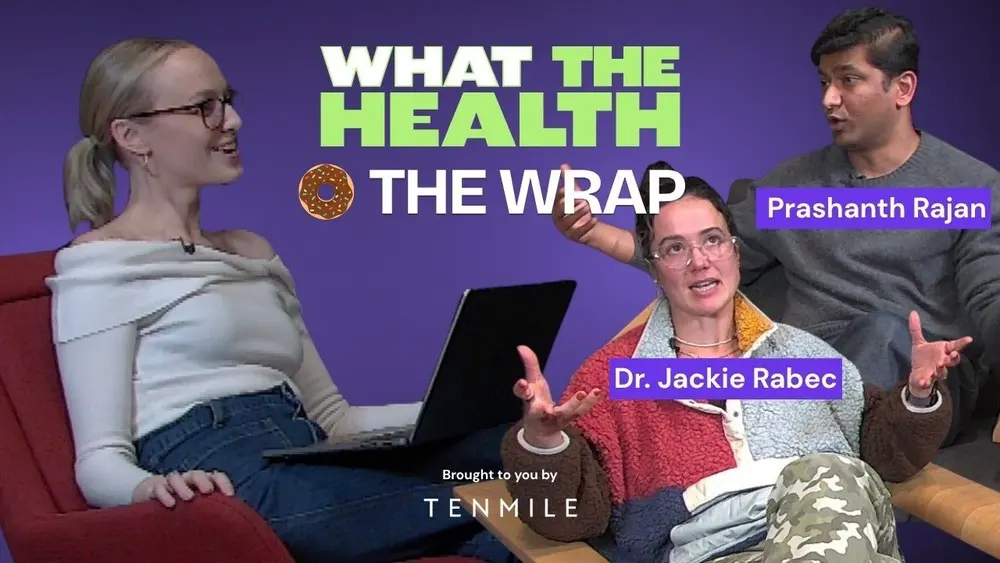
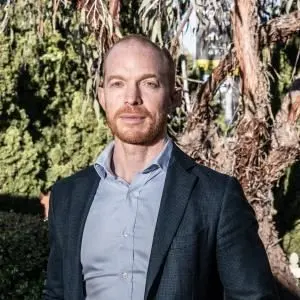
In this episode, host Emily Casey sits down with Dr Michael Winlo, Chief Scientific Officer at Emyria, the company behind the Empax network of psychedelic-assisted therapy clinics. Michael trained as a doctor, spent four years in Palantir's healthcare team in Silicon Valley, then returned to Perth to run a clinical trial site — an experience that convinced him care delivery and evidence generation belong together, and led to Emyria.
Michael explains how the two legal treatments actually work. MDMA floods the brain with serotonin and oxytocin, quietens an overactive amygdala and lets patients with post-traumatic stress disorder work through trauma in therapy without being overwhelmed by fear or shame. Psilocybin quietens the default mode network behind rumination and negative self-talk — Michael's metaphor is shaking up a snow globe and letting the snow settle into new patterns — and both drugs open a roughly seven-day window of heightened neuroplasticity that therapy can use.
The pair trace the strange history that got us here: MDMA first synthesised by Merck in 1912, psychedelics on the cover of psychiatry journals in the 1960s, roughly 500,000 people given MDMA in therapeutic settings before the war on drugs shut the research down. Charitable funding through MAPS kept the science alive, and the resulting phase 2 and 3 trials left the TGA unable to maintain that these drugs had no therapeutic value — leading to the world-first rescheduling in 2023.
Michael then walks through what treatment at an Empax clinic involves: careful screening, a two-therapist dyad that stays with the patient for the whole journey, six-to-eight-hour dosing days in a low-stimulus room, and integration sessions that turn insights into durable habits. Emyria has now treated more than 100 patients, with rapid improvement that appears durable for most — results that have brought funders like Medibank and the Department of Veterans' Affairs on board.
The conversation closes on what it will take to make this mainstream: health-economic evidence for a treatment that costs around $10,000 a dosing cycle, the watershed of a first FDA approval, more sensible regulation of who can deliver therapy, and the infrastructure and training to meet demand. Michael argues psychedelics are still under-hyped — used today as a last resort when they may do the most good earlier in a patient's journey — and leaves clinicians with one message: learn with your patients.
About the guest
Dr Michael Winlo is Chief Scientific Officer at Emyria, the ASX-listed company behind the Empax network of psychedelic-assisted therapy clinics, treating post-traumatic stress disorder and treatment-resistant depression under the TGA's Authorised Prescriber Scheme. Trained as a medical doctor, he spent four years in Palantir's healthcare team in Silicon Valley and led Perth's Linear Clinical Research before joining Emyria to build a model of care that treats patients and generates evidence at the same time.
About the show
Emily Casey is the founder of What the Health and host of the show, making major developments in health technology and innovation easier to understand. What the Health is brought to you in partnership with Tenmile Ventures, and is part of Day One Network, the podcast and media network from W2D1 Media.
Links and resources
Transcript Synced · click any line to jump ▾
Michael Winlo: In the '60s and '70s, psychedelics were some of the most researched treatments in neuropsychiatry.
Emily Casey: One of the biggest and most exciting topics is the reemergence of psychedelics in healthcare.
Michael Winlo: MDMA-assisted therapy, where we can give MDMA, known on the street as ecstasy, sort of floods the brain with serotonin, which can lift mood and create a sense of trust.
Emily Casey: Basically creating new pathways or allowing for the potential for that in the brain.
Michael Winlo: We've had patients that would tell us it's like the knots of my mind of being untangled. For a time there, it was, you know, hot news. It was the next big thing.
Emily Casey: So it's the same as 50 years ago?
Michael Winlo: They were making psilocybin, they were making LSD. It was available for prescription by some accounts.
Emily Casey: Wow.
Michael Winlo: Yeah, that's right.
Emily Casey: Was it patented? How did that work?
Michael Winlo: Well, it was—
Emily Casey: Brought to you with 10 Mile Ventures, building bold ventures for better health. Mental health is one of the biggest emerging healthcare problems of our generation. Things are accelerating. 1 in 3 people have some form of mental health disorder at some stage in life. But one of the biggest and most exciting topics is the reemergence of psychedelics in healthcare. Today, I'm excited to be joined by Dr. Michael Windlow, who's the Chief Scientific Officer of Emeria, who are leading the charge in clinics for psychedelic-assisted therapy and research in the space. So today we're gonna explore what psychedelics actually are, what the hype is all about, and where we're going, and what it's gonna take to actually make psychedelics go from just a hype and a bit of stigmatized science into mainstream clinical care.
Emily Casey: Welcome, Michael.
Michael Winlo: Thanks for having me. Great to see you.
Emily Casey: Great to have you finally after all these years. I feel like I've been reporting on you since I started What the Health over 5 years ago. It's always been so exciting to see psychedelic therapy and a leader right here in Australia in the space. But perhaps for those that don't know who you are, can you tell us a little bit about what Emeria is and what you guys are doing?
Michael Winlo: Yeah, so Emeria is the company that owns and manages the Impact Centre clinical network. So we have a network of clinical sites that treat patients with severe psychological trauma and treatment-resistant depression. We have locations in 4 states now, in WA, Queensland, Victoria, and soon New South Wales is just opening up. And we provide psychedelic-assisted therapy according to the careful guidelines outlined by the TGA under the Authorised Prescriber Scheme for patients with difficult-to-treat mental health. As an organisation, though, we have a much broader sort of research and innovation agenda behind this as well. We know these treatments are tackling a really important unmet need, that the evidence, though, is still emerging.
Michael Winlo: So one of the key things that we're involved in is paying close attention to how our patients are doing so that we can inform and improve the care protocols. We can support others doing drug development in the space, and hopefully we'd like to you know, develop our own care programs that we can take nationally and abroad.
Emily Casey: Awesome. And your reason for getting into this space is particularly interesting. Can you tell us a little bit about why you chose to delve into this area of healthcare that at the time really wasn't— didn't have much hype?
Michael Winlo: No.
Emily Casey: Was a little stigmatised.
Michael Winlo: That's right. Well, you know, my professional background, I was trained as a medical doctor and, and had that experience of what care delivery was like in a busy public health system. It's often about service delivery, moving the patient patients through, getting them well and moving them on. But you don't really spend much time knowing whether what you did worked, whether you could have done something different. And then my career changed, and I spent some time in Silicon Valley at a company called Palantir. That kind of exposed me to the role of technology and data and all the things we perhaps weren't doing in a busy public hospital system.
Michael Winlo: Ended up returning back to Perth, taking on a CEO role at a clinical trial site. And here the sort of the objectives shifted again, where we were really about getting really high-quality data with participants in trials. If they got better, that was great, but the focus was on how strict the governance and management of those patients, participants needed to be to get good quality data. And so you really saw that both worlds were kind of crossing. There was like dichotomy between service delivery, not paying attention to what was happening, between paying a lot of attention to what was happening, but not really focused on trying to get necessary health outcomes in the trial process.
Michael Winlo: So Emiria sort of stemmed from this idea that, you know, are there treatments out there where the demand is huge for something different to work? Can we take advantage of, you know, that need for better evidence around an emerging treatment and the patient demand for something, you know, new and combine those worlds and actually provide care, but also do it in a way that's actually learning with patients as we go? And so our initial foray was actually in the cannabinoid treatments space where These drugs had just been rescheduled. Again, they arrived on the scene without a lot of evidence behind how they were used. Again, lots of controversy, lots of hype from obviously those making these drugs, but from a group that wasn't known to do a lot of the background research that normal drug development requires.
Michael Winlo: And so we saw sort of an opportunity to kind of sit in the middle and actually provide care. to those looking for a new treatment, but also collect the evidence that would help support treatment development. And it became clear a few years in that where was the frontier moving? It was actually the bigger problem that presented to us was in mental health. And most of our patients started to present for primary mental health issues. And we could see where psychedelics were starting to reemerge as a potential treatment. You know, we thought we'd take our talents and our infrastructure, you know, into that direction. And so we started to prepare for trials in the field to start with.
Michael Winlo: And then like everybody was kind of taken by the fact that the ETJ changed their scheduling in February 2023. And that was really an impetus for us to go all in on psychedelic-assisted therapy and actually bring our talents and clinical infrastructure to that modality. And so, yeah, that's where Impacts started.
Emily Casey: Huge. From Palantir back to Perth.
Michael Winlo: Yes.
Emily Casey: That's quite the unconventional—
Michael Winlo: There might have been a wife involved who was feeling a bit homesick.
Emily Casey: I see.
Michael Winlo: I see. With a couple of young children. So yeah, I'd spent 4 years in the healthcare team there helping that practice grow. So for those who don't know, you know, Palantir obviously is a much better known company now.
Emily Casey: Household name now.
Michael Winlo: It's a household name. Yeah. At the time though, it was this secretive, you know, Silicon Valley startup. Who, as people may be aware, got its startup funding from the intelligence community, their venture arm, and primarily was used in law enforcement and in the intelligence workflows with the Defence Force. But the technology was applicable to many areas where data was messy and you had domain experts who wanted to ask questions of their data but couldn't do that easily. So Palantir had solutions for that. And of course, healthcare was a terrific place to to take that technology.
Emily Casey: That's awesome.
Michael Winlo: Yeah.
Emily Casey: So to take that jump from such a big emerging company with very structured datasets to something where there isn't much data and you're trying to forge ahead at the interesting intersection of, I guess, bridging evidence-based medicine with actual real-life outcomes. That's quite the jump.
Michael Winlo: Yeah. Well, it sort of follows on a theme. The, you know, what Palantir taught me was that you know, it is possible to do— make much better decisions about what you're doing as long as you've got access to the good data, you know, from it. And that the technology was getting better at allowing somebody who had a good question but didn't— wasn't necessarily a computer scientist, you know, who could ask their questions. So knowing that, you know, the first thing we needed to do was get good data, we knew we could do something more useful with it. So coming back to Perth, taking up the clinical trial role was really an opportunity because one of the mandates, one of the platforms, I guess, that I presented myself to say I could take on this job was that I could help digitize a lot of what was happening in the clinical trial workflows.
Michael Winlo: And that— and so, you know, one of my first jobs as the new CEO at Linear was to take us from paper processes into digital health capture.
Emily Casey: The new age.
Michael Winlo: A new age. That's right. Which seemed very obvious to me at the time. But obviously, you know, for many reasons a lot of healthcare still runs on paper, I think, because it's just easier to manage on one level. But obviously it comes at a cost of not being able to do much with your data. So, you know, but that experience digitising what we're doing in the trial space also sort of taught me that it would be possible to do this in direct healthcare delivery as well. And that's the impetus to start Ameria.
Emily Casey: Huge. That makes sense. And we're lucky to have people like you returning to Australia to lead that charge, given we are tend to be a little bit more behind on that digital and tech front here. But I suppose the way you describe Emeria, it's pretty clear that you guys aren't just a psychedelic company, but you're actually trying to develop that new model of care and address a huge problem.
Michael Winlo: Absolutely.
Emily Casey: Perhaps we should like dig into a little bit of that problem. So what is fundamentally wrong at the moment and why do we need this different approach to mental health and healthcare?
Michael Winlo: Well, you outlined very clearly in the introduction that mental health is like this huge growing chronic health condition now that we have. It's in fact one of the fastest growing chronic health conditions of them all. It's probably one of the highest prevalence chronic health conditions in our community as well. We're spending more and more on healthcare for mental health every year, but we're not getting better outcomes. The incidence is still rising, the prevalence is still growing. So we're clearly not tackling it effectively. And there are many contributing causes to that. But one of the challenges is we've just had a dearth of good treatments for a long time.
Michael Winlo: And for example, in post-traumatic stress disorder, there'd been no new drug developments or approvals for over 20 years. So it just wasn't a lot of research or innovation going into that field. And so it really needed a fresh, completely new look at how we tackled mental health.
Emily Casey: Mm-hmm.
Michael Winlo: It was a big pressing need. It's a growing community and, I guess, yeah, community significance in terms of cost and impact. And it really needed people to bring something different to that. And psychedelics, in fact, was having its second resurgence in the early 2000s and started to, early in 2020, started to produce some signs that this could be a potential treatment for some of our most difficult to tackle mental health conditions. And, but what it really needed was people to embrace it, figure out how to deliver it properly, and most importantly, pay attention to how it was working so that we can advance the field.
Emily Casey: And why do you think the incidence of mental health problems is accelerating at such a rapid rate? From the Australian Institute of Health, it says that we've increased— or the burden of mental health problems have increased 31% since 2003. And around 1/3 of patients with depression currently have treatment-resistant depression, with a lot of, I know, like drugs often only working in about 50% of the population.
Michael Winlo: Yeah.
Emily Casey: So why, why are we in this situation?
Michael Winlo: Well, there's probably many contributing factors. I think, you know, the way we, the way we live our lives now is, you know, we've got tremendous claims on our attention. We're often, you know, pulling our thoughts into many different directions. We could be living so many different lives and we're We've only reflecting on where we sit. So I think that it's easy to compare ourselves to others and see what we don't have. I think part of it is an improved recognition for these mental health conditions as well. I think the generation prior often had a different language around what mental health was about. And so we didn't have the ways of describing our mental health to the extent we do today.
Michael Winlo: So I think that's part of it. So there's probably several cultural societal shifts that are probably precipitating this as well. What we do know though is that those who are struggling with their mental health can be really affected. It can affect not only them, their ability to get obviously most out of life, it can affect the loved ones around them. And it has a huge impact, much greater than just the individual. And I think that's an important thing to recognise too, that, you know, if you can improve somebody's mental health, you're actually making a difference to that person's life and community in an important way as well.
Emily Casey: Completely. The domino effects are very real. I think thankfully some of the stigma around it has become much more normalised over the last decade or 15 years. And I think we all know someone struggling or who have struggled with mental health close to us. But I suppose jumping back to psychedelics, when we hear that term, people often think of the drug and magic mushrooms or MDMA and the more, I suppose, illicit substance side of things. Can you tell us a bit more about psychedelics and why this is an interesting emerging field in the context of psychiatry and treatments?
Michael Winlo: You know, one of the unique things about psychedelics is it changes our state of mind and our— and I guess the way we perceive of the world is fundamentally what they're there to do. And that can allow a moment of reflection and, I guess, reorientation to oneself, situation, and one's problems. And so when given alongside therapy, which is how we use it, we have a chance to hopefully guide somebody out of a negative mental health state into a positive one. These things which can be done on therapy alone or with hard work or with some of the traditional medications, but it can take a lot of effort. And it can be sometimes a difficult road. So we, in our context, we use the psychedelics really to open a psychological and biological window to get somebody towards recovery.
Michael Winlo: So it's probably helpful to consider the conditions we're trying to treat. And then that can help explain where we see the psychedelics playing a role. So for somebody with post-traumatic stress disorder, for example, and this can happen to individuals who have experienced a traumatic event either in childhood or at their workplace. But it can be somebody who's had cumulative workplace exposure to trauma, like a first responder or a police officer.
Emily Casey: Yeah.
Michael Winlo: These individuals get to a point where they become hypersensitive to stimulus around them, and their bodies are in this constant state of fight or flight. They're hypervigilant and extremely sensitive to sounds and noises and other triggers which might put them into that anxious state of mind. It's partly because their amygdala, a part of their brain that's responsible for the fear responses, is hyperactive, it's out of balance. And the prefrontal cortex, the part of our brain that normally tells us that everything's okay, goes quiet. And so you don't get that calibration. And so for those individuals, life can become really tough. They withdraw, they don't want to go to work, they avoid family, they can be really agitated easily, and it can be really debilitating.
Michael Winlo: And so what we have today is a treatment, MDMA-assisted therapy, where we can give MDMA, known on the street as ecstasy, which has this unique feature in that it sort of floods the brain with serotonin, which can lift mood and create a sense of trust. It also can increase the amount of oxytocin in our mind as well. And that can make us feel safe and connected. And that allows the amygdala to quieten down for a while, brings the prefrontal cortex back online, and lets people discuss trauma or difficult, challenging content without being overwhelmed by fear or shame. And that's really, really important. So now we have this opportunity to guide somebody through therapy and help them sort of reframe the situation and realise, take a different, I guess, perspective on their triggers and reassure themselves that they are okay, they are now safe and they can move on.
Michael Winlo: And so that can be really, really powerful.
Emily Casey: So it's kind of like unlocking different parts of the brain and pathways and allowing people to To lean in a bit more.
Michael Winlo: Yeah. Well, we think of MDMA as sort of a distinct feature to psilocybin, which I can talk about as well. And that contrast is kind of interesting. But I mean, MDMA's primary role is that it lifts trust, decreases fear, lets people discuss difficult content without being triggered. And therefore therapy can land more easily. And the things you've been telling somebody in therapy for maybe years, suddenly, you know, they're absorbed more deeply. And they can act on that. And they realize that they can move ahead. And so we've had patients that would tell us, it's like the knots of my mind are being untangled or the clouds lifting. I feel like wearing colors today because happy people wear colors.
Michael Winlo: Like these are things that were places that were hard to reach before when they're being really overwhelmed by their condition, which suddenly become possible. And that's a lovely thing to see after struggling perhaps to feel like somebody's making progress. And we can work with those new insights and perspectives. And we do lots of follow-up supportive therapy to help turn these into daily habits and lift somebody from being unwell towards the path of recovery. MDMA, fortunately, it's quite activating as well. So it is worth mentioning also, I think, that it can raise blood pressure and heart rate and it can make people feel a little bit anxious.
Michael Winlo: And so that's something we do have to watch. from a safety point of view. But in the carefully controlled environment that we provide it with pharmaceutical preparations, it's a very, very safe treatment. Psilocybin, on the other hand, is quite different. Whereas MDMA allows somebody to stay quite lucid and aware of their environment, psilocybin, on the other hand, is more like a true hallucinogen in that it can create a lot of crosstalk in the brain for areas that don't typically communicate with each other. And we think what's behind that is a quietening of what's called the default mode network. It's part of our brain that's active when we're ruminating, when we're thinking about ourselves, when we're planning to do something, going to the shops, getting— I've got to get to the podcast studio.
Michael Winlo: I've got my default mode network is quite active. It's keeping me focused on what I need to do. If that's overactive, you can get into a loop of self-negative talk or ruminations. Which can be features of the depressed mind, where it's hard to feel that life could be better, or— and you're just going round and round with the same sort of negative self-talk. So by quietening that default mode network, a feature of psilocybin, we can get parts of the brain to open up. We can get suddenly fresh perspectives. Yes, that can lead to hallucinations and visions and a loss of sense of self and time and place. But as somebody comes out of that state, they can suddenly have a fresh view on the world.
Michael Winlo: So maybe the sky doesn't feel sad today, or— and people often start to talk in metaphors after an experience with psilocybin as they grasp for words to describe what they went through. But we also know that with both medications, we get increased neuroplasticity, that is the tendency of the brain to grow new neurons and make new connections. And so we do know physiologically there's a there's a change in the brain as well, not just a psychological one. And we know that effect peaks over 7 days after treatment. And that gives us a chance to also lock in some of these newer perspectives on life and oneself that can guide somebody to recovery.
Emily Casey: So it's basically creating new pathways or allowing for the potential for that in the brain.
Michael Winlo: That's right. Perhaps both. We sometimes use the metaphor shaking up the snow globe. letting the snow settle down into, into new patterns, you know, and you've got now fresh snow to make, make a new, you know, have a, have a new attitude to life. Yeah.
Emily Casey: Which is amazing and typically harder in later life. You normally have much more neuroplasticity when you're younger or do brain training and whatnot. But it sounds like it's not because people aren't doing enough therapy or trying hard enough. It's an actual physiological mechanism. as well. That comes into play.
Michael Winlo: That's right. We think of both the importance of that biological window opening up, the new brain growth, the changes that we know structurally are happening in the brain, and also the psychological opening that can lead to new insights and ways of thinking about oneself as well.
Emily Casey: Which is amazing. And I'm sure a lot of our healthcare nerds know these pathways, and a few people may have dabbled or even tried the treatment. given it's here in Australia. But I suppose taking a step back, um, we were chatting before about how it's not exactly anything new even in the healthcare landscape. And back in my med school days, a group of us stumbled across these papers around the original use cases for MDMA for PTSD and all this stuff, and it was very positive. And then suddenly it got shut down.
Michael Winlo: Yes.
Emily Casey: So can you tell us a bit about the history of that and Yeah. What happened and why it's suddenly re-emerging now?
Michael Winlo: Well, both drugs, well, psychedelics as a class have fascinating histories. And yes, you're quite right. In the '60s and '70s, psychedelics were some of the most researched treatments in neuropsychiatry. And our medical director would joke that on the COVID of the American Journal of Psychiatry Medicine back in 1960-something, It was psychedelics, the future of psychiatry. And so, you know, for a time there, it was, you know, hot news. It was the next big thing.
Emily Casey: So it's the same as 50 years ago. That's wild.
Michael Winlo: Yeah, 50 years ago. That's right. And if you look at the rate of publications back then, there's a huge amount of interest. Home names, pharmaceutical companies like Sandoz were making psilocybin. They were making LSD. It was available for prescription. By some accounts, You know, there were 5,000.
Emily Casey: By prescription?
Michael Winlo: Yes.
Emily Casey: Prescription?
Michael Winlo: Yeah. Yeah.
Emily Casey: Wow.
Michael Winlo: Yeah, that's right.
Emily Casey: Was it patented? How did that work?
Michael Winlo: Well, it was— there were some patents around some of these drugs. MDMA itself is over 100 years old, first synthesised in 1912 by a German company, Merck, and then, you know, sort of in some ways rediscovered kind of in the late '70s by a home chemist, Alexander Shulgin, who— quite an interesting character. had been gifted a home lab for contributions to his bigger company, uh, for, I think, producing a, a pesticide that was quite commercially successful. So he had a home lab where he could dabble, and he spent a lot of time trying to recreate mescaline, which was his favorite, uh, hallucinogen. It's phenylethylamine. And, uh—
Emily Casey: Love that for him.
Michael Winlo: Uh, yeah. And one of his colleagues or acquaintances pointed out this chemical from 1912 that looked like something he would be interested in and he made it. And as it was his custom, he would take small samples of it and write down the subjective effects. And that one he was particularly interested in because of how it made him feel. He ended up giving some to his wife and she instantly saw the therapeutic potential. And so she passed it on to a psychotherapist friend of hers, Leo Szaf. And so the first sort of reemergence of MDMA being tucked away as a drug perhaps with no potential, it was in the mid- 1970s, 1978, it started to reappear as a potential treatment for initially in marriage counseling and in therapy.
Michael Winlo: And by all accounts, by 1985, by the time it had sort of leaked out and become a drug of recreational interest, being renamed ecstasy and finding its way in the Dallas nightclubs, MDMA had been given to about 500,000 people, which is an extraordinary thing to think about. So, you know, You know, in some ways it's now having a reappearance as a treatment, but that's kind of how it started to make its way, you know, back into the community. But in the war on drugs, to your point earlier, that in the mid-1980s, as people were shutting down these drugs, unfortunately, all the psychedelic research was closed down with it. And so drugs like psilocybin, MDMA, and LSD were all prevented from being studied in a research setting.
Michael Winlo: And we lost that chance to learn from them. Yeah.
Emily Casey: Which is a bit crazy. So how did we go from it being completely shut down and even, you know, 10, 15 years ago, it still being sort of in the back doors of medicine to it reemerging and becoming a more academic conversation? And now suddenly Australia is a world leader in allowing it to take place. It's crazy.
Michael Winlo: Well, I think there's a logical explanation. But when the war on drugs was taking place and these drugs were being considered for scheduling to make them outlawed, there was a lot of pushback from the psychiatric community at the time. And the DEA, who was responsible for scheduling drugs, actually had to sort of pause for a bit. It wasn't as easy as just, I can write this drug off.
Emily Casey: Yeah.
Michael Winlo: They actually did get a lot of pressure to reconsider, given that these drugs were being used in therapeutic contexts with some benefit. So, you know, there were a group of people back then that still believed in the therapeutic potential of these drugs. Some of them, you know, started charitable organizations. Multidisciplinary Association for Psychedelic Science, or MAPS, was one of those, which is quite well known. And they didn't give up the fight. And they gathered, you know, charitable donations and funding to continue the research. And about 15 years after the drug was scheduled 1, and they were able to get the first human studies going.
Michael Winlo: Underway again. And so the first Phase 1 trials were done with charitable funding, which then eventually progressed to Phase 2 and Phase 3 trials. And so we actually end up having some very good, high-quality clinical studies done of the kind that, you know, the medical establishment would, would recognize and acknowledge, that demonstrated that MDMA, when given alongside therapy in safe settings, can actually have a real benefit for patients with PTSD. Simultaneously, psilocybin studies were taking place in depression and end-of-life anxiety, showing it had therapeutic potential. And on the weight of that data, I think our TGA here had to respond to the fact that they couldn't hold the position that these drugs had no therapeutic value, which is the strict definition of a Schedule 9 drug in Australia.
Michael Winlo: They had to recognise that when given in a controlled setting, they could have therapeutic potential. And so I think they just, you know, they really had to respond to that and really had no choice other than to reschedule in my mind. And that's where we are today. So on the basis of some pressure and putting that data in front of the regulator, you know, they reacted and here we are today.
Emily Casey: Well, it's great to hear and still surprising. I'm still surprised now. It's very exciting. But you'd think that somewhere like the US perhaps would be leaders in this. But nice to hear that Australia, who do have a very strong reputation for clinical-based evidence and regulation, are leading that. Yeah, I suppose. Why hasn't there been any other really mind-blowing solutions in the psychiatry space? Obviously this was developed over 100 years ago, and we've got all these SSRIs, SNRIs, a heap of other classes But psychiatry seems to have been a bit slow to get off the mark compared to, say, oncology or cardiac disease. It's, it's a bit harder.
Michael Winlo: Well, you're right there. And I'm not a trained psychiatrist. I'm not going to necessarily claim terrain that's not, not mine to do so. But, you know, psychiatry has a different medical model to those other specialties you mentioned. It is more difficult. We don't necessarily have clear-cut objective biological markers that can tell us this person is depressed or not. Usually the manifestations of psychiatric illness are symptom clusters and they are more difficult to describe sometimes and classify. And so without clear mechanical explanations for what's going wrong, it's hard to decide on a solution that could solve those issues. And so I think we've needed to do more research in the field to try and better understand how we can describe psychiatric illnesses in a more detailed and objective way.
Michael Winlo: And I know that there is now today lots of research and interest in that area. And I think that's sort of what had kept people out of the psychiatric space for a while in developing treatments, because we weren't really sure what we were actually trying to change. Whereas psychedelics, on the other hand, give us, you know, allow therapy to come in this softer, stranger art form in some ways. And it is there to complement and supplement the therapeutic process or psychotherapeutic process, which is starting to yield really terrific results. So, you know, it is a different paradigm of thinking about healthcare. Yeah.
Emily Casey: For sure. Very different science and art and big mixture needed. Jumping back to, I suppose, what you guys are doing on this front, can you tell us a little bit about the clinical process that patients are going through?
Michael Winlo: Yeah.
Emily Casey: It's been super exciting to watch you guys grow so quickly, or what feels like quickly, the last little while with this sudden momentum and having backers like Medibank and the Department for Veterans Affairs coming in and seeing the value and/or potential for these populations. But what are these populations actually going through really quickly?
Michael Winlo: Yeah, I'd love to describe that. So under the Australian law, we're only allowed to give MDMA for PTSD and psilocybin for treatment-resistant depression. Now, that distinction may be shown to be arbitrary in the future as trials are showing that perhaps these treatments can help with both conditions. But today we're kind of confined to those 2 lanes. So a patient needs to present having demonstrated that they have some difficulty responding to traditional treatments, that they would be good candidates for us. And then we do a careful screening process. We look for obviously their general health and we look for confirmation of their diagnosis.
Michael Winlo: We make sure that they've tried other things and ideally that they've had some experience with therapy. This is a very therapy-orientated intervention. And so it is helpful, we believe, that patients are aware of that and have some familiarity with what's involved. And then assuming they pass it through the screening phase, then they'll be introduced to 2 therapists. And they have a— what's quite unique is they'll have a therapy dyad that kind of guides them through the entire treatment journey from the beginning to end. They get to know these 2 individuals very well. These are experienced, highly trained, trauma-informed therapists who will first meet with the patient and they will talk them through the program.
Michael Winlo: They'll set intentions, goals for therapy, make them feel comfortable about the process ahead, and really get them ready for the dosing day, which is kind of in everyone's mind the exciting part.
Emily Casey: Set the scene.
Michael Winlo: Set the scene. That's right. Get the mindset right. It's important to go in with the right, I guess, perspectives and attitudes for the treatment and a willingness to engage. And a curiosity, I think, is really helpful too. And then on the dosing day, they arrive in our clinic. We have a space Feels a little bit like this. This could be a treatment room. It's soundproofed and cozy and ideally low stimulus and comfortable. We have music that plays through the room and we have usually a treatment bed for patients to lie down on if they like. And they'll take the medication in the morning, about an hour and a half into the session, it'll come on and they'll start to feel the effects of it.
Michael Winlo: Slightly different for MDMA and psilocybin, but They'll know the effects are definitely kicking in about 90 minutes to 2 hours in. And there, the role of those 2 therapists who are with them the entire time and paying attention is there to hold space, comfort the patient, guide them to their intentions, and do therapy as they can. And the drug effect will last, depending on the medication, 6 to 8 hours. So it's a very long day. And our therapists don't leave the room. So it's quite intensive.
Emily Casey: Right.
Michael Winlo: And it can be very emotional for patients. sometimes can feel, you know, they can feel elation, they can feel confused, they can be distressed. There's a whole gamut of emotions that might come up in that session.
Emily Casey: Big spectrum.
Michael Winlo: Big spectrum. And our therapists are there to keep them safe and contained the whole time. Then the patient will return the next morning for what is the first of an integration session. It's more therapy in the sober state, try and make sense of what happened in the dosing day and start to put the pieces together again. And they'll have 2 more of those before another dosing session. And so under our program, MDMA is usually 2 to 3 doses and psilocybin is usually 2 doses for that condition. And obviously we're tracking patients through the whole time and we see improvement after every treatment. And we also see ongoing improvement once the treatment's finished too, as patients start to take control of their lives again, get back into the workforce.
Michael Winlo: repair relationships. Um, and, and that's wonderful to see too, that, you know, from it, from our data now, we've treated over 100 patients, we're seeing this, you know, rapid improvement, but it appears very durable for a majority of patients as well, which is terrific to see.
Emily Casey: Huge. That's, um, awesome to hear.
Michael Winlo: Yeah.
Emily Casey: And I'm assuming you guys are measuring this as well to collect evidence on—
Michael Winlo: We are, absolutely. So, um, We know the field is still sceptical of these treatments. They've arrived, like you said, through the rescheduling pathway. So not a typical drug development pathway, which is what's being pursued in the US. So these drugs are available to us through these mechanisms, but without the typical guidance on how best to prescribe them or who for. So we are deeply interested in understanding who responds best to these treatments, how many treatment cycles one should get, with what the experience is like going through treatment, how best to pair people with therapists, etc. There's a whole— there's a long list of interesting questions about how best to deliver these treatments, which we're really interested in.
Michael Winlo: So we pay very close attention to what's happening. We record all of the sessions with consent as well. And so that forms part of our governance and ensuring safety of patients, but also helps us train the next generation of therapists as well. We believe there's a huge opportunity to optimise and refine the care model, the training. Really, these treatments are showing tremendous promise. And like you said, we're now seeing, thankfully, support from funders like Medibank and the DVA who recognise they have a big problem there. Traditional treatments aren't necessarily helping patients as much as they could do. This might be a new path forward.
Michael Winlo: But to attract more funders, we're going to need to continue collecting good data and demonstrating that these treatments are— are effective. And so, um, yeah, we hope to teach not only other clinicians in Australia how to provide them, but overseas as well, as these treatments become more, more interesting, more accepted.
Emily Casey: That's awesome. And I suppose on that pathway as well, we're seeing a lot of hype around ketamine and other new classes of both psychedelic and non-psychedelic, I guess, potential drugs emerge.
Michael Winlo: Yes.
Emily Casey: What are your thoughts on, on And where these treatments all fit together? Is it going to be one wins, or is it— it's all math advance and all potential?
Michael Winlo: Well, you know, humans are incredibly complicated. We need as many tools as we can get. And I think there'll be an explosion of interesting therapies. They'll have different delivery routes, whether you inhale them or take them orally. There'll be fast-acting ones and slow-acting ones. There'll be everything in between. And we really need all of those at our fingertips. And I think the more tools you give great clinicians, the better outcomes we'll have for patients over the long term. We're also in a busy healthcare system with other strains and stresses and limitations. And so there may be practical reasons why a fast-acting antidepressant like an esketamine might be preferable to a more involved, perhaps more emotionally intense experience like a true psychedelic-assisted therapy session.
Michael Winlo: And, and so patients will have different levels of interest in these different treatments as well. And we'll have— and our healthcare system will have different capacities to provide them as well. So the more variety we have, I think the better.
Emily Casey: Great to see. And I suppose with my 10 Mile hat on, obviously we've got Zylo who are doing great things with new different candidates for drugs that are emerging very quickly.
Michael Winlo: Yes.
Emily Casey: Just this week, last week, we saw a company bought out for $3.2 billion in the space, and the FDA has just come out with some new guidelines as well.
Michael Winlo: Yes.
Emily Casey: What's your take on how the field is evolving? It feels very rapid at the moment. You guys are set up to run clinical trials, and that's one of the world firsts, not if the— if not the world first ready to do that.
Michael Winlo: Yeah, yeah. Look, I, I think I feel, feel like we're on the right side of history. I mean, maybe 3 or 4 years ago we were, um, perhaps seemingly a bit more contrarian, you know, before the legislation changed. But, uh, it is really— it's terrific to see, you know, the growing acceptance of these treatments, the recognition that we, that we do have a problem. We need fresh ideas for tackling our most difficult to treat mental health conditions. Well, it's got a huge amount to teach us about not just how best to care for patients who are unwell mentally, but what we could learn about ourselves as well. So I just feel there's a tremendous amount of potential in this field.
Michael Winlo: And so it's wonderful to see the hard work of those dedicated believers who committed themselves to doing the research and doing the difficult thing and now starting to get the recognition for that. And we're seeing regulators respond. and start to open up pathways and give guidance on how these treatments can be provided safely, how these drugs can become approved medicines. And so I feel that there's only one direction I see that this will go. And I think Australia is in a really unique position to kind of lead the world and teach people how these can be delivered safely and benefit as many patients as possible.
Emily Casey: Which is super exciting. And speaking of, I suppose, the clinical trial side of things, What programs are you watching closely and most excited by at the moment?
Michael Winlo: Well, I think, you know, one of the ones that's hopefully really imminent is the program of Compass Therapeutics. They're a psilocybin program. They're likely to be the first to get FDA approval, which I think will be a massive watershed moment for the sector. These large acquisitions are pretty exciting already. That is in some way validation that traditional pharma moving into a field that was, I guess, a no-go zone for many decades. But the first FDA approval, I think, will be incredibly important. We still face here in Australia a lot of scepticism from college groups being reluctant to embrace psychedelics, from funders still considering this as an unapproved medication.
Michael Winlo: And so that last line of defence, if you will, or that last excuse that these are unapproved medications When that falls, when these approvals do come, I think then we're going to start to see what we really need is more funding support. The care model I described is very expensive. There's a lot of touch time, a lot of therapists. We need to pay them well to do this work. It's quite involved. And so, but yet it can help people avoid hospitalisation. It can avoid unnecessary care. It can make a big difference to someone's life if you can get them into remission quickly rather than let them suffer. suffer for so long. So I think there is a net benefit to the health system to fund these, these treatments and make the investment, but we just need more funders to get comfortable with that.
Michael Winlo: So I think as these approvals start to roll forward, we'll see more and more of that.
Emily Casey: Awesome. And is there anything else that we need to see or do to help get more funding into the space and make this more mainstream? Obviously we're seeing, you know, the first movers like Medibank and yourself and others in the space come in and collect all this clinical data and work slowly towards it. But what else do we need to make this more accessible and more reliable and a thing that people can trust and bet on?
Michael Winlo: Probably 2 things I'd like to see. I think, you know, major funders clearly need to see the health economic benefit for these treatments as well. And so as the clinical data starts to line up with the health economic improvements, then that's going to be the evidence they need to kind of get behind it. The proof points to put the money down and realize that it's cost benefit.
Emily Casey: Show me the money. It's always about money at the end of the day.
Michael Winlo: And I always find it a little bit frustrating because poorly treated mental health can be so expensive, not just for the individual, but for the community, the family. While our treatments may be $10,000 a dosing cycle, again, mostly due to labour cost in that commitment, that's fairly small when we're happy to pay $50,000 for a knee replacement or these other things that happen in the medical community too. So perhaps people are a little bit unaccustomed to paying that kind of money for psychiatric interventions, but I think that will change. Health economic data will be a big win. And then obviously continue to show good outcomes, you know, from, from patients clinically as well.
Emily Casey: Completely. It's awesome to see people like yourselves really trying to quantify, uh, this with, with the, um, the qualitative data as well, because, uh, I'm not sure about you, but I mean, I've had friends who have done this, perhaps not in the traditional channels, and there's always the anecdotal stuff, but the trouble with medicine is, is bringing that all together and and creating that body of data that we rely on. It's true.
Michael Winlo: And we actually deal with a real problem, which is not everything that we can measure matters and not everything that matters can be measured. And we'll have patients still symptomatic, but they'll say, look, I'm still dealing with the physical reality that I've lost a limb or I lost a loved one, but I'm much better off. I'm making progress. I can see a path forward. And if we do a pulse check of their mental status, it might still seem quite low, but we know they're on a better path. So this is part of our challenge as well, is trying to come up with a better way of describing human flourishing, if you will. And that's also an opportunity as well.
Emily Casey: Completely. It's funny how for so long medicine really separated the psychological and physiological and physical health. And we're starting to see that come more back together, which is great. But it's strange that it was such a strong departure for so long and it's finally being reintegrated. And it's quite a challenging thing.
Michael Winlo: It's cool. Yeah. I mean, yeah, the nature of drug-assisted therapy is like a— is a cool combination. It's kind of like forcing these 2 worlds to work together.
Emily Casey: Yeah. And back to Emeria. If you guys succeed and everything keeps going on the The path that it is. Where do you see yourselves in 10 years? What's the scene?
Michael Winlo: So we have a really active innovation agenda as well, which sort of runs behind the scenes. So we're interested in obviously learning with our patients as much as possible. We can see huge potential to refine and improve the care delivery model, make it more scalable, more affordable. And we think we have a lot to teach, not only clinicians in Australia, but around the world as they embrace these therapies. So I think there'll be a huge role for us in teaching, in training, in tooling up clinicians around the world to provide these treatments, but also helping those who are developing these drugs as well. The infrastructure that we're laying down, the clinical infrastructure, the expertise, very, very important for new drug developers trying something unique and intense and unproven.
Michael Winlo: So we need infrastructure like ours to help evaluate that next frontier of drugs. But then when you think of where the technology is moving as well, that there's tremendous interest in how we can improve therapist training, how we might be able to help track patients' wellbeing outside the clinic. We're also interested in our own drug development programs as well, knowing that there is— we're unlikely to have landed on the very best molecules we possibly have. I think we can improve them, make them safer. We can change things like the speed of action so we can get them to work more quickly or over a longer period of time. So just, you know, there's many frontiers of innovation that we feel we're right on the frontier of that we'd like to help push forward.
Emily Casey: Exciting. So stay tuned and we'll be even more of a world leader in the category. Is that what I'm hearing?
Michael Winlo: Absolutely. That's, that's always the goal. Yeah, that's right. Well, the need is so great. And, you know, we, I used to joke that even if half of all of the Australian therapists switched to psychedelic-assisted therapy, there'd still be many decades to get through all the patients. So I think, you know, we do have a, we have a huge unmet need. We need as much resourcing and effort and innovation to tackle that as possible.
Emily Casey: So it sounds like it's actually more of an infrastructure and education issue as well.
Michael Winlo: Yes. Yeah, that's right. I think, I think the drug discovery part is, is, is being accelerated by AI, by, by, uh, you know, the, you know, these large dollars moving into the space. We're going to end up with a bottleneck of actually care delivery, which is very much a human relational, uh, effort. And so, uh, we're going to need more, more infrastructure like, like the one we're providing.
Emily Casey: Ah, we all come back to people at the end of the day.
Michael Winlo: And well, hopefully there's a role for us. Yeah.
Emily Casey: Yeah. Are there any other big bottlenecks you currently see beyond funding and the tooling side?
Michael Winlo: I think, you know, training obviously, uh, is a bottleneck. Uh, I think we, we could certainly benefit from some more sensible, uh, I guess, you know, regulation as well. We've definitely got— it's terrific to have a model by which we can provide these treatments under authorised prescriber. It's still quite restrictive in who they allow to be a lead therapist. And so we'd like to see an embrace or embracing of a wider variety of disciplines recognized as being suitable lead therapists in our treatment. And also, I guess, sensible state laws that allow us to learn with our patients and basically respond to what we're seeing. We're a little bit restricted in some of the care treatments we can provide based on what various state laws allow us to do.
Michael Winlo: But I think But we're learning faster than their regulations can, can keep up. So interesting. Yeah.
Emily Casey: A bit like AI.
Michael Winlo: Yes. Yeah, yeah, that's true. Yeah.
Emily Casey: All right. So the things we need to change, we need to prove clinical evidence, get more funding, hopefully change some regulations and put down more infrastructure and educate. Is that right?
Michael Winlo: Yeah.
Emily Casey: Awesome. And if we fast forward to 2035 and psychedelic therapy, Is now mainstream. Mainstream. What's the world look like?
Michael Winlo: I wasn't— well, it's going to be very different to what it looks like today. And I don't think we can blame psychedelics for all of those changes. But look, I think the way these treatments work are likely to have beneficial effects on just well people and those that are dealing with relational issues or even their own personal journeys. And so I could imagine as the acceptance and understanding of these treatments becomes more well understood, that we'll see greater access to these treatments for regular people. I mean, these are some of the safest drugs when given in safe environments. And so, but they have potential to change our perspectives on ourselves and our life around us.
Michael Winlo: And it could benefit someone who's not necessarily struggling, but simply just in a rut or wanting a fresh perspective on life. And so I think there is a role perhaps for these treatments to just help, you know, well people reevaluate where they are and, you know, what, what else they could be doing with their lives.
Emily Casey: We can all always grow, right?
Michael Winlo: So that's right.
Emily Casey: Yeah, sure. There's always a role for that.
Michael Winlo: Definitely. Yeah.
Emily Casey: Awesome. Well, we might kick off with a final rapid-fire round.
Michael Winlo: Oh gosh. Okay.
Emily Casey: So answer as quick as possible. First thing that comes to mind. No right or wrong answers, of course. Yeah. What is the most overhyped thing in psychedelics right now?
Michael Winlo: that it cures everything. It's not a one-shot solution. There's still a lot of preparation involved and a bit of work to be done afterwards as well. You need to go in willing to do effort.
Emily Casey: What's the most underhyped?
Michael Winlo: I think psychedelics as a treatment for these conditions is probably underhyped. I think it's probably still underrecognized and it's unfairly scrutinized or I guess marginalized as a treatment. It has a role as a treatment earlier on in someone's mental health journey. We shouldn't wait to the end, to everything else has failed. Over time, hopefully we'll see psychedelics being offered, you know, closer to first-line treatment for, for some conditions, I think it will make a real, real benefit to— a real difference to some patients' outcomes.
Emily Casey: Yeah, I mean, I'm sure it'll save many years of suffering, a lot of money for people and society.
Michael Winlo: So that's right, it's underhyped in that currently it's thought of as the last, you know, treatment of last resort. Yeah, where it has so much more potential benefit, perhaps bringing, you know, before somebody settled into these, you know, these, these negative patterns, we could probably make a, you know, we could circuit break that. those, those, those, uh, those states of mind.
Emily Casey: Almost a bit more preventative in nature as well. A lot of healthcare is finally moving this time. What's your favorite emoji?
Michael Winlo: Uh, the, um, flexing. Oh, flex!
Emily Casey: You love a good flex. Okay. Is that gym or just—
Michael Winlo: No, I think that's just, uh, you know, well, everyone does the usual thumbs up, but I think the flex is like, just, you're strong, you can do it.
Emily Casey: Yeah, show your strength. Yeah. Love. If you had to pick one, MDMA or psilocybin?
Michael Winlo: I think for our early experience, MDMA is easy to work with. We, and we have a lot of experience with that. I think it's a wonderful drug with lots of potential.
Emily Casey: Nice. When you're not deep in the weeds of healthcare, what's your favorite indulgence?
Michael Winlo: Look, I love playing guitar. And, but more than that, I love playing with my kids. I love taking them camping and out into the wild and seeing them turn into wonderful little people.
Emily Casey: Love it. How old are they?
Michael Winlo: My son's 14. My daughter's 12.
Emily Casey: Oh, exciting age.
Michael Winlo: Yeah, very. It's a cute age.
Emily Casey: Terrifying, though. Kids these days.
Michael Winlo: Oh, really? No, they're great. It's great. It's probably the best thing I've ever done. Yeah. So it's wonderful. I've loved all the stages so far. I'm not in the mean age of years, but yeah, I think bringing up kids has been really, really, really awesome.
Emily Casey: Love that. Yeah. And what is one resource or show, book, newsletter, thing you like to read, listen to that you would like to share with our audience?
Michael Winlo: Yeah, look, I have a book that I always recommend. It's a bit nerdy. It's called The Beginning of Infinity. It's by a physicist and philosopher, David Deutsch, who basically has this very optimistic view of humanity and frames it that, you know, what our true goal is, is the pursuit of good explanations. And humans have this really unique capability for coming up with creative explanations for problems in the world. And so he's got this wonderful optimistic sort of perspective and makes me feel that we'll still have a role to play in this AI future that we're heading towards.
Emily Casey: Good.
Michael Winlo: Yeah. And then another one is the Moonshots podcast, which I like listening to, which is kind of these deliberately optimistic takes on science in the future, which I think we can all do with.
Emily Casey: Awesome. Definitely need some more optimism. I feel like things have been a bit cynical lately. It's a lot.
Michael Winlo: There is a lot. Yeah.
Emily Casey: Last but definitely not least, if you could share just one message with our awesome audience of health nerds.
Michael Winlo: Yes.
Emily Casey: Whether it's about psychedelics or medicine in general, what would that be?
Michael Winlo: I do try and emphasise when I speak to people, and that is As clinicians, you have an opportunity to learn with your patients. They want their story to matter. And often we overlook the contribution that they can make to a shared understanding. So I think, think of yourselves as a clinician as a participant in the knowledge generation process and involve your patient in that as well. And I think that means paying attention, being curious, asking more than perhaps what is going on in their lives, trying to measure what's happening and really you know, be part of the, the evidence creation effort, and we'll all benefit.
Emily Casey: Beautiful. So back to the humanity in healthcare.
Michael Winlo: Yes.
Emily Casey: Well, thank you so much, Michael. This has been an awesome conversation, and I feel like we could genuinely be here all day. Um, but it's been awesome to learn a bit more about what you guys are up to and delve into psychedelics beyond the hype and the real potential that it, it brings to changing healthcare and, and mental healthcare for everyone.
Michael Winlo: Well, I appreciate your interest and questions, and yeah, thanks for this opportunity. Appreciate it.
Emily Casey: Well, that's all for today, guys. Um, thanks for following along. Of course, like, subscribe, all that jazz. Share with someone you think might find this interesting. And until next time, see you later.
What the Health is produced with Day One — the podcast network for founders, investors and operators. Want a show like this for your company?
Other shows worth a listen
Episodes from across the network exploring similar themes — part of the same Day One conversation.

▶Diaspora NZ with David Booth
S3 | E2 - Kathryn Zealand (Skip) on robotic exoskeletons, mobility for life, and spinning out of Google X
14 March 2025
▶In The Blink Of AI with Georgie Healy
Innovating for Better Brains: Christina Maher's Journey with BrainLand
6 December 2024
▶Oversubscribed with Brendan Hill
Building with Atoms and Bits: 5 Founders Making Hard Tech in Australia | HEO, Alloy, Vexev, Zabidou, Antares
20 August 2026
Turn podcasting into pipeline
We're the team behind the Day One Network and Blackbird's Wild Hearts. We help founders, funds and operators build trust, authority and deal flow with a show tailored to their market.