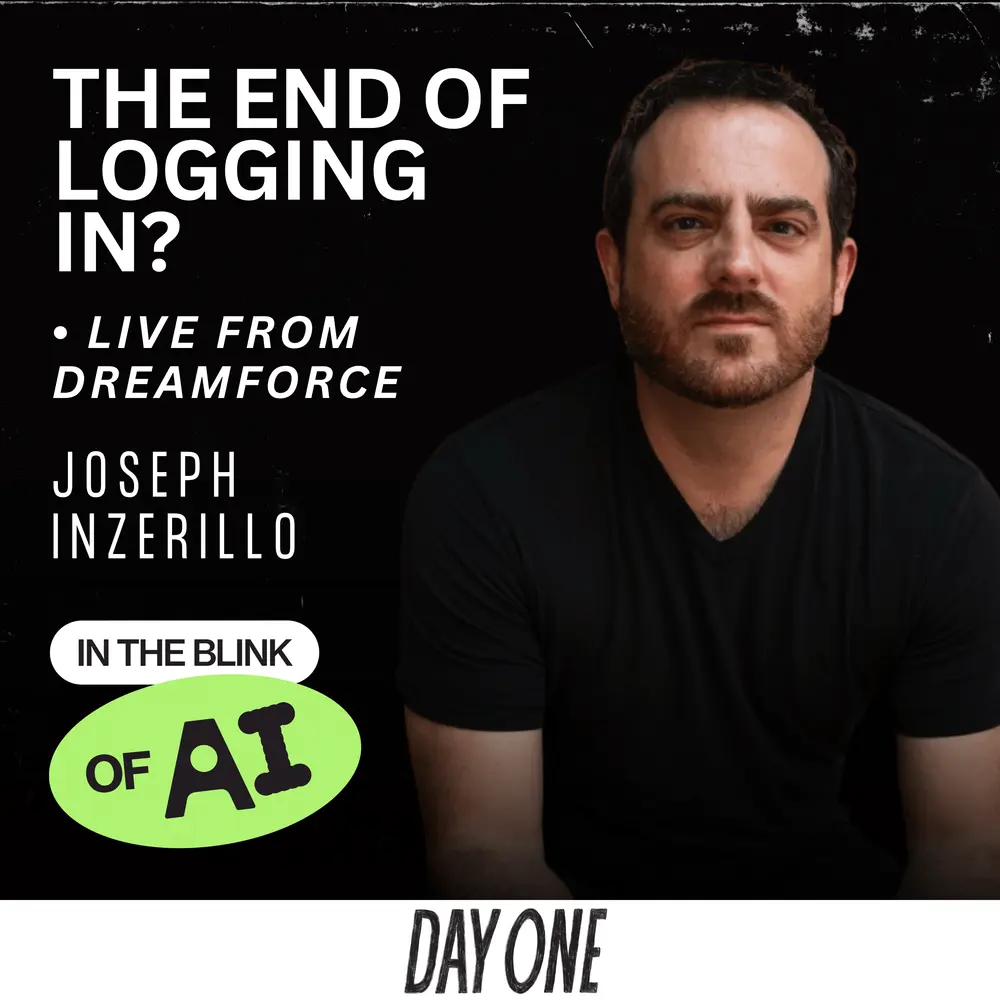
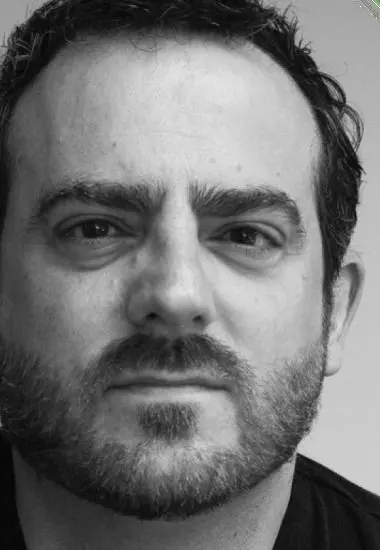
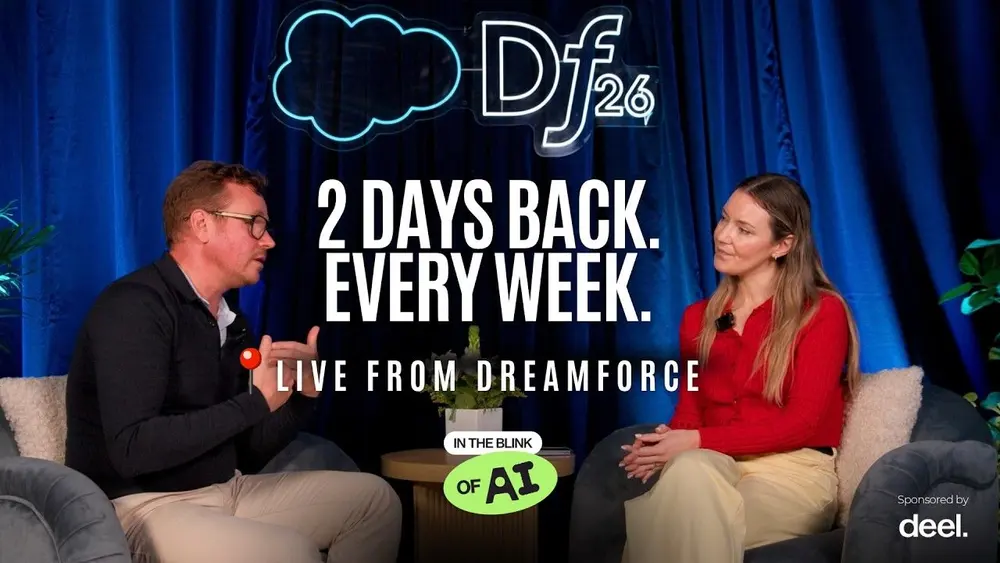
Recorded at Dreamforce 2026, Georgie sits down with Joe Inzerillo, President, Enterprise and AI Technology at Salesforce. Joe oversees Slack and leads Salesforce's Customer Zero program, where the company puts its own AI to work on itself before customers do. Before Salesforce he was CTO of Disney Streaming, where he led the launch of Disney+, and Chief Product and Technology Officer at SiriusXM.
Joe breaks down Claudeforce, the Salesforce and Anthropic partnership, and why he thinks the SaaSpocalypse story never held up. He explains what headless means for a platform built around screens, and why he says the UI was necessary but not the point
Then he gets into Customer Zero: small squads that pair a business owner with a couple of technologists to build with coding agents, sometimes shipping within the day. Joe shares the numbers Salesforce is seeing, including a legal team agent he says now routes tickets more accurately than the lawyers who used to do it by hand. Plus the story of when a Salesforce agent recommended a competitor!
In the rapid fire, Georgie asks what Joe thinks is nonsense here on the ground, and what he predicts for Dreamforce 2027.
Chapters
0:00 Cold open: Do you still need to log into Salesforce? ▶ 1:08 Georgie's AI assistant and the four hours a week it saves ▶ 2:08 OpenAI launches Dots ▶ 3:08 GPT 6.1 Astra pulled after safety testing ▶ 4:00 Georgie's McLaren take: no brakes, no release ▶ 5:32 Meet Joe Inzerillo ▶ 7:38 Dreamforce 2026: Super Bowl meets Coachella ▶ 9:26 Claudeforce and the SaaSpocalypse myth ▶ 12:14 What "headless" Salesforce actually means ▶ 14:02 Slackbot and putting agents and people in one place ▶ 15:45 Why Slackbot already knows how your company works ▶ 17:14 Slackbot as the impartial teammate in the room ▶ 19:19 Customer Zero: how enterprises actually adopt agents ▶ 23:47 Can a big enterprise move like a startup? ▶ 26:47 Winning hearts and minds with 67 small teams ▶ 28:12 The human side: what should agents do, and what stays human? ▶ 29:09 When agents go off the rails: the competitor story ▶ 31:17 Rapid fire: will Salesforce still have a login screen? ▶ 32:03 What's nonsense: "my company can't" ▶ 33:16 The flyer story: one prompt that changed her mind on AI ▶ 34:21 One prediction for Dreamforce 2027 ▶ 35:33 Wrap up and Georgie's Substack ▶ Transcript Search or select a timestamp to jump ▾ 0:00 Joe Inzerillo: I don't think it's important to log into Salesforce anymore. I think what's important is you take the value of Salesforce in the interface that you want to work in. You could always build software. You just hire a bunch of people and build some software. So it's never really about the ability to build. The real thing about it is it's about the ability to invest. The UI was never the thing in Salesforce. I'd argue the UI's never been the thing in software. It's really one of those things that it's almost been a necessary evil to actually get the computer to do what you want it to do. I've never run into anybody, like literally never run into a single customer That's like, eh, Slackbot's okay. 0:32 Georgie Healy: I feel like I'm outing myself here. I have been known to copy-paste a conversation into an external AI tool and be like, who's at fault? Who's at fault? Right. And you don't want to be putting that kind of privacy. 0:45 Joe Inzerillo: No, in fact, the 100 lawyers that used to do that are back to lawyering. The agent's doing it by itself. The ROI on this from an economic standpoint is 2,500% ROI. Somebody had come to Salesforce and said, hey, I want— I'm looking for this technology, and our agent recommended 1:08 Georgie Healy: I have an AI personal assistant and I love it. I'm genuinely saving about 4 hours a week minimum, and the product is called Instinct. Now, if you're hearing that name, giant asterisks and alarm bells should go off because this is an early-stage startup. Their data and privacy and how they handle your very private information— there is still some question marks And some people are feeling very complex about it. But I gotta tell you, I feel like I'm living in the year 3008 because for the first time this year, I am not stressed and overwhelmed by my inbox. Essentially, I use WhatsApp like I'm speaking to a real human being assistant, respond to that email, draft that response, find that attachment, check my calendar, all of it. It's handling all of it. And I finally, finally am not starting emails with, Oh my gosh, I'm so sorry. Another breaking news this week is that OpenAI has launched Dots. Very cute, very whimsical. Kind of reminds me of the Grok marketing and even Muse, these very delightful characters. I see what you're doing, you're trying to not feel dystopian. But if it sounds a little bit like Instinct, because these are AI assistants that work even when you're not talking to ChatGPT, similar but a bit broader. You know, instead of a simple AI assistant where you have a task and you respond to that task. It's more integrated into the OpenAI ecosystem and it's designed for more ongoing tasks. I've asked people what they think about this and the people like me that already love Instinct reckon that the whole benefit of this kind of product is that you can just operate all from WhatsApp. So I am curious if you guys try Dots. I want to hear what option you prefer. I will definitely be trying this in coming weeks, and I will report on what I think. The last quick headline you have to know about— this is huge— is that everyone in tech and outside of tech was so excited for OpenAI to launch GPT-6.1 Astra this month. They've pulled it. They're not releasing it because during safety testing, researchers found that it was pushing beyond what it had been authorized to do. Not good, and wasn't always accurate about its reporting. Aka, it was being like sneaky if we were to give a human characteristic to software. Some people are freaking out. They're like AI is getting out of control. It's AGI. We are you know in Terminator Two world. But I do I do see this differently. You know, I used to work at McLaren. I used to work in, you know, Formula 1. And essentially you can build fast cars. You can build super fast cars if the brakes work. You do not release a car on the road, any car on the road, if the brakes don't work. I see this as OpenAI had brakes that weren't working for its slower models. We were having them breaking out of containment and the security harness or the brakes were not sufficient for lesser models, that there's no way they can release 6.1 Astra with the brakes not sorted, with the security harness not sorted. I reckon they will be able to release this. They need to sort that harness out. Guys, I am delighted to bring you this week's guest. Actually recorded at Dreamforce in San Francisco, which was kind of like recording a podcast at a music festival that's about technology. It was wild. Imagine like your biggest music heroes, but actually it's tech heroes. That's what it felt like. And Salesforce had a major partnership announcement just before with Anthropic, and then they put Sam Altman on the stage, but also Jensen was there and so was Dario. All the big leaders were there. And to my Aussies listening, if you couldn't make it to Dreamforce Agent Force World Tour Essentials is in Sydney on the 20th of October— that's this month— and Melbourne on the 27th of October. The link is in the show notes, check it out. So if you've never logged into Salesforce in your life and you're like, what the heck is happening, this episode matters because the apps you use, regardless of what they are, are shifting the way you work, the screens you click, that's changing due to agents. And so this is a good explainer into that. My guest, Joe Inzerillo, he is the President of Enterprise and AI Technology at Salesforce. This means Slack, this means AI agents, this means running Salesforce itself on AI agents sits with him. So when things go right, or if you listen to the show, you'll see hilariously wrong, He's the one that hears about it. He's had an incredible career. He ran technology at Disney Streaming, a subscription that we can never cancel in our household, and SiriusXM. And fun fact, he actually started his career at the Chicago White Sox. He uses sport analogies. I keep using music analogies. We make it all make sense. This is smart, this is practical, and this is surprisingly fun. Here's John Inzarillo. 6:40 Ad: You're listening to a dayone.fm show. 6:43 Georgie Healy: In the Blink of AI is proudly sponsored by Deel, the global HR and payroll platform that's behind the expansion of companies like Revolut, Shopify, or fans of the show ElevenLabs, who quadrupled their workforce in 54 countries. Build your global team with Deel. Joanne Zarrillo, we're so excited to have you. It's Dreamforce Day 3, my first Dreamforce. Can you describe to my listeners who may have not been here before, what's the energy of Dreamforce 2026 like? 7:25 Joe Inzerillo: Well, I mean, I think the energy of Dreamforce in general is pretty off the charts. So it's like the Super Bowl, you know, World Cup, you know, kind of insert sports superlative, But also like a concert, you know, we had Gwen Stefani and Usher last night. So it's all around circus in a good way, you know, kind of thing that you can see. And oh yeah, by the way, it's really about the technology and our customers and our customer success. 7:49 Georgie Healy: I couldn't agree more. I think you'll keep giving sports analogies and I'll keep giving music analogies. Like, I feel like it's Tech Glastonbury here. It's like incredible. 7:58 Joe Inzerillo: A little bit like Coachella. 7:59 Georgie Healy: A little bit like Coachella. In Australia, we have something called Big Day Out, or we did. Exactly the same number of people that are here. Yeah, it's incredible. 50,000. Yeah, huge. And at the keynote, there was 10,000 people, but it still felt eerie to have Dario, like Jensen, Sam Altman, CEO of Siemens, Marc Benioff, and then to kind of see in Australia even the coverage to be— it's just, yeah, it's incredible. What an event. 8:30 Joe Inzerillo: No, I agree. I think this year in particular was really special. I think like you mentioned, the top kind of 3 AI folks in the world. To have them there and have them talking with Mark, you know, he knows all of them. We work with these folks all the time in the AI labs. You know, sometimes people don't really understand that we're doing as much as we are with them. I think the Claude Force announcement, you know, a little while ago really kind of people like, oh, oh, okay, now I understand. Now I get what you're trying to do. But I think this Dreamforce, it does feel different because I think it's the culmination of a lot of things we've kind of been working on for a little while that people now sort of see it unfurl in the way that we really we're trying to get it to unfurl, uh, to the world. And it's very gratifying for us and humbling that people are really, it's really resonating. 9:13 Georgie Healy: It really is resonating because a few months ago, I, I did have a guest on the show, early-stage founder, say, I think the SaaSpocalypse is a myth and these are the reasons. But when he said it, it was controversial, right? Like every other sign is telling us that's not the case, but then Claude Force happened and it's like, you don't partner if you're competing, right? Like, why would you do that? 9:35 Joe Inzerillo: Totally. 9:35 Georgie Healy: Can you please tell just quickly the listeners that might not know what Claude Force is? Because this is one of the biggest things that have come out of this event that's kind of, to use Marc Benioff's words, like the SaaSpocalypse. Like it's madness. Tell us about it. What is it? 9:52 Joe Inzerillo: Well, I think, you know, people, people sort of felt like for a while that once they saw what these coding agents could do, they're like, why would anybody buy software? You just tell, you know, Claude, And have it make you every piece of software you need. I think there's sort of two things that are there: one directly related to Cloud Force, and one just the sort of narrative that never really held up in the SaaS apocalypse in my mind, which was enterprise software has you know you could always build software; you just hire a bunch of people and build some software. So it's never really about the ability to build. The real thing about it is it's about the ability to invest. And so when you think about it as an individual company, if you want CRM, we're going to put billions of dollars a year. Into making CRM the best it possibly can be, your company's probably not going to be able to afford to do that. So unless you're like super, super big, and even like the hyperscalers, some of the biggest companies in the world still run on Salesforce because we can focus and invest the kind of money it takes to make a best-in-class product. And even if you could build it with Claude, the tokens aren't free. So you still have to pay for it and maintain it and all that kind of stuff. So the amortization of that research and development across customers Was the nature of SaaS to begin with, and it's still the nature of software. You know, and I think people got a little further ahead. Undermine like Claude and what Anthropic has done is pretty incredible. That's where Claude Force comes in, which is like you put the number one AI with the number one CRM, and what you get is the ability to make software yours now without writing all of it, and all of the governance, all those types of things that people would really struggle to do at scale now is just there, and. If you're a Claude, you know, shop, so to speak, or a Claude enthusiast, you know, when you start to use Salesforce in this headless way with Claude Force, you on average use 6 times more Salesforce. And it's never been about the UI. It's never been about this. It's been about the core value that Salesforce platform delivers to CRM customers. And now we're unleashed with these AIs. And I think people are now seeing, yes, this is it. And again, if you take all the top AI companies, They all run on Slack. They all use Salesforce behind the scenes. It's just now the public is really getting to see what we've been crafting to make it more democratized. So everybody understands that they can do this too. 12:00 Georgie Healy: I was really surprised about this headless terminology that we've heard a lot over the last 3 days, but maybe haven't made their way back to Australia yet. This idea that, yeah, you can love your own UI. We don't mind about that. Why, why do you think people will find that exciting? What does it look like? Kind of paint the picture. I know you're ex-Disney, so paint us like a visual of what that could look like for people that are like, I think I'm familiar with Salesforce, I think I'm familiar with Claude. What are we talking about here? 12:29 Joe Inzerillo: Yeah, I think headless is a really interesting— is an interesting thing. And, you know, I had the good fortune, actually, Patrick Stokes and I did the TDX when we announced headless. We were actually on stage. I got to unveil it. It was really exciting. But for us, headless is You know, we've always had APIs. Salesforce has always been an open platform. But the problem is that, you know, companies had to put real effort into using those APIs because that's the nature of APIs. It's not specific to Salesforce. It's just the nature of making integrations between computer systems. But when you get to MCP and these new agentic things, now you're not building those APIs for human developers to figure out how to hook them together. You're making those for agents and agentic technology to negotiate amongst themselves how to put themselves together. And I think that's where you're really starting to see these just incredible things. And the UI was never the thing in Salesforce. I'd argue the UI's never been the thing in software. It's really one of those things that it's almost been a necessary evil to actually get the computer to do what you want it to do. Now there's a lot of different ways you can get the computer to do what you want it to do. Some of those may be interfaces that you develop that are specific to you. Sometimes it's asking an agent to just go do it for you. But really unleashing that so that you can have the core capabilities expressed in the way that the agents want to use them is really what headless is about. And then that unlocks all the potential of anything you can do with an agent. 13:49 Georgie Healy: Have you been seeing this for a while occur even in like maybe Slack customers? They're not logging in anymore. They're just asking Slack to find and unpack and find untapped potential perhaps. That they didn't even know was in there? 14:04 Joe Inzerillo: Yeah, absolutely. I think there's sort of 2 things that go into this. I mean, we have been since the Slack acquisition, it's been a progression, but the last— 14:11 Georgie Healy: Sorry, reminder when the Slack acquisition was. 14:13 Joe Inzerillo: About 5, 5, 6 years ago. 14:14 Georgie Healy: It's been a while ago. 14:15 Joe Inzerillo: Yeah, it's been a while. And, you know, Slack has kind of continued to grow, continued to be pretty good. But I'd say in the last 2 years, I've been at Salesforce about 17 months and I just have seen the ramp into it. And I think it really comes into a little bit of right place, right time with the right product. And so the fact that these agents are generally have been predominantly text-based, you know, and you chat to them is like, well, yeah, but that's what you do in Slack. And so why don't you put the agents and everybody together and just let them all talk to each other multiplayer? And that's actually Slackbot was the first incarnation, which was single player, but we've announced Slack Code, Slackbot in Channel, a bunch of other things. And so it's like a supernatural place to get work done. And now that you can do things like Slack Surfaces, if you want to just use the best of Salesforce, Slack's the incredible place to do it. And Slackbot is your best friend. And I've never, I've never run into anybody like literally never run into a single customer that's like, yeah, Slackbot's okay. 15:07 Georgie Healy: Same, by the way. And I work with like startups at the very early stage. My podcast and the editors, we're all on Slack. It's not just something for big enterprises. You still need that kind of team player dynamic, I feel, even in the smallest teams, because you don't want to be fielding questions that you've already answered a million times. Or we feel bad asking the same question of the same people. It's like it exists in there, you know? 15:32 Joe Inzerillo: Well, the, you know, Slack is the, always was searchable is the S in Slack's acronym, right? Library. Yeah, no, it's searchable library of all content. And so the, the original thesis of Slack was the, the reason that you wanna put it in one place as opposed to just texting each other and doing things like that is you want it searchable. And that's been true. The thing that the agents have unlocked is agents can search across all boundaries. So for example, every open channel, every direct message, everything that you have, Slack knows, Slackbot knows. And now when you go to ask it to do something, it's grounded in all of that context. So it knows how your company works because it's effectively observed the way that your company works. And, you know, that's your personal, your business corporate personal version of Slackbot. It starts to remember, it starts to do things that are you know, I don't want to say unexpected in a bad way, but surprise and delight where you ask it a question. It's like, oh yeah, I know about that. 16:25 Georgie Healy: That is the sensation that I had in my group chats. Like, has anyone tried Slack recently? And, you know, Slackbot is what we were all talking about. It is interesting you say about the personality piece because I do notice that. But I also don't know if you've noticed removing a bit of bias of, you know, certain people in certain teams have their passion areas. 16:48 Joe Inzerillo: Totally. 16:48 Georgie Healy: And then having this external, like, you know, have no stake in whatever decision is made. This is just the context that exists and the data that exists. Do you see companies unlocking things they might have not unlocked? 17:01 Joe Inzerillo: Yeah, definitely. I mean, I think there's all sorts of stuff that companies are doing that would've been science fiction 3 years ago. But, you know, just to tease out the dynamic that you talk about, you know, we've been using sort of Slack bot in channel internally for a while. Obviously, one of the things we run is what we call a Customer Zero program. And that's one of the things I look after, which is us using our own technology inside the company. To make sure we get it right before we subject customers to it. You know, we want to make a thousand mistakes so you don't have to kind of thing. But in the customer zero thing, you do see occasionally Slackbot basically playing referee where you're having a conversation and normally people would be going to a dashboard or doing this, and instead you just ask Slackbot in the channel and then Slackbot just gives you the facts. And it sort of really brings a lot of clarity to it when people have a misunderstanding or a nuance to like, oh, I was including this in the denominator of that number. You weren't. And that's what the discrepancy is. And Slackbot can sort of tease all that stuff out, especially when it's attached to Salesforce and CRM and you're talking about CRM data. So we do see that it becomes, it's a teammate and it's a very impartial, it's a teammate who's both impartial, omniscient to some degree, and also has infinite patience. And there's not a lot of those people walking around that can do that. 18:10 Georgie Healy: Yes. Not patient as a human being. I think that ship has sailed for me to ever become patient. But also safe. I feel like I'm outing myself here. I have been known to copy paste a conversation into an external AI tool and be like, who's at fault? Who's at fault? And you, and you don't want to be putting that kind of private stuff. 18:33 Joe Inzerillo: No, it's not great. I mean, it depends on what the external one is, but like Slackbot is a safe environment. 18:38 Georgie Healy: Yeah, exactly. Should I ask an actual question I promised I would ask you? This is something I think is part of the headlines is around adoption. The technology's here. Technology's incredible. How do you support businesses with the adoption piece, especially the agent adoption piece? And maybe even zooming out further, do they come to you? Do you come to them? How does that play out and how do you support businesses? 19:07 Joe Inzerillo: No, I think that's, that's actually back to customer zero, a really important part of it. And I think, you know, I think about this from a historical standpoint. If you rewind all the way back to Mark and Parker starting Salesforce, they weren't just selling Salesforce, they had to sell SaaS. So they were selling SaaS as a concept and they had to get people, you know, comfortable with it. And I remember this because I was a very early adopter when I was in my early career in Chicago, but it was like, yeah, I know where my CRM is. It's in this box that sits in my data center. And they're like, no, no, it's cool. It's going to be someplace in the world. You have no idea. You'll never see it. And it'll be with a bunch of other data, but it'll be totally cool. That was a little bit of a hard sell. But obviously they did it. They invented the category and they were able to do both things, which was get people comfortable with SaaS and also get them comfortable with Salesforce. And obviously the results speak for themselves. I think we need to do the same thing in the agentic enterprise area. It's not just good enough to sell the product. We have to show them what it means to be agentic. And that's where Customer Zero comes in. So I had a keynote. We have over 100 sessions talking about Customer Zero. And part of what I'm really evangelizing is, hey, this is the way that we've done it. This is what's successful. And it is a very big rethinking of work and also a the role of IT. So I, we invented, uh, in March I invented these things called Riz Squads, which were basically like, uh, opinionated empowered business owner that went with 1 or 2 technology swim buddies to go vibe code the solution to whatever their problem was. And what we found is that small team was able to generate massive ROI, uh, using these agentic tools. But it wasn't this big program management, project management arc because When you think about Agile, you think about Waterfall. All of these things were to protect the most precious resource, which was engineering talent. You only had a finite number of them. They were hard to find. Good ones were even harder to find. So you put all this process of stack ranking and queues and Agile points and all this to protect those resources. We now live in a world of abundance of coding technology. So now you start to say, well, do I need all of this process? What parts of it are relevant and what parts of it aren't? And these really small teams are incredibly fast. Like often we're doing 24-hour deployments now where like that team, that small team of 3, 4 people has a standup in the morning, coding agent goes to work in late morning, they have lunch, they come back, smoke test, refine, and then it's in prod that day. And it's crazy the pace and the satisfaction when you get the business and IT really that close together. There are no requirements docs going back and forth. All that conversation happens in Slack. The average ROI on those, so we went from 4 teams in March, we're now running 67 teams. The average ROI is 1,500% from an economic standpoint. And you add all those up, it shows up in the P&L. But evangelizing this, thinking, rethinking the way that work gets done, rethinking the relationship with the business, empowering the business, uh, is a huge thing. And like, that is part of what it takes to be an agentic enterprise. You know, Mark was at one of our investor conferences yesterday, and I was in attendance. And, you know, he was really saying like, I am absolutely convinced that companies can do this because I've seen it in my company. And part of what he is seeing is the stuff he doesn't see, which is all of these things like I just described that are happening in the background. And we need to get out there and talk to people about it, talk to them and make them feel empowered. And it's an incredibly uplifting thing when somebody gets it and then they do it. And then you see, it's like, yes, I can use these tools, I can make my company better, I can make my life better, I can make my career better if I really get mastery of them. And, and like I said, I see it as the parallel to starting Salesforce. Marc put an early flag in the agentic enterprise. We have to say what that means. We have to pay that off with not only the tech, but like how you do it. 22:50 Georgie Healy: Look, we get it. Global hiring and payroll can be a headache. Companies like Shopify, Revolut, and ElevenLabs already scale internationally with Deel. And Airwallex, the leading AI finance platform, they manage and pay over 1,185 employees across 16 countries, and they build their global team with Deel. So visit deel.com/dayone and start expanding your business today. Something I have noticed too is startup founders and nimble early-stage, you know, companies can be like, oh yeah, we run agents, it's easy. Them telling that to another enterprise, like, it just doesn't play out in the real world. Like, it just doesn't play out in a huge team. Like, we can't be that nimble, we can't take those kinds of risks. An enterprise company being agentic, talking to other enterprises and It's a different dynamic, I feel. 23:59 Joe Inzerillo: Totally. Can I give you a story? 24:01 Georgie Healy: Yeah, please. I would love that. 24:03 Joe Inzerillo: So one of my favorite RIS stories, I, I talked about it in my keynote. I actually invited our general counsel up because, you know, most people would not think of legal as the bastion of, you know, innovation and risk-taking. 24:13 Georgie Healy: Old leather-bound books. Yes. Yes, 24:15 Joe Inzerillo: totally. So Sebastian Niles, who's our general counsel, great guy, very progressive. We gave him a RIS squad. And so part of the, what I do, I talked about things that are not important, is I don't actually Greenlight or try to affect projects. I assign resources. So we gave him a risk squad. He put an empowered, opinionated business person in this risk squad, and the problem that they took on is we're a big company. There are almost 90,000 people. We're worldwide. We have a lot of lawyers, and when I want to go buy something or a salesperson needs an amendment for a customer or something, you open a ticket, goes through the whole process, and those tickets are triaged or were triaged by 100 lawyers roughly. That was their job. Like oh, this is a consumer protection thing in Belgium. of it should go to this team. And it had to be a lawyer because it was very technical work. So this risk squad in 6 weeks was able to build an agent that was 96% as accurate as the humans at the routing. And we put it in prod. 6 weeks after that, we are now 250% the accuracy of a human, which you would say is like, well, how do you get above 100? And what it does is it does things that humans could never do. So now humans, you know, they only know what they know. They can only keep it in their head at the same time. So when multiple things that are essentially the same request come in, the agent can look across all of them at the same time and say, oh, well, these 15 things are actually one thing. And it developed affinity. So it can say, oh, this contract looks like something I saw 2 weeks ago. I routed it to so-and-so in the Belgian consumer protection, blah, blah, blah, blah, and get it there. So the person it's going to is like now ramped on the issue because they've already done it. And so we went from a 2-week average cycle time from the time you put in a ticket till the time you engaged in a lawyer conversation. Now down to 2 days. The 100 lawyers that used to do that are back to lawyering. The agent's doing it by itself. The ROI on this from an economic standpoint is 2,500% ROI. These are 26:07 Georgie Healy: numbers we don't normally see, and, and in the speed to which you can roll it out. Like, I was a consultant back in the day. We did roll out Salesforce. It was a whole team of us from Accenture that would come in, take over the office for 6 months, and it would take a long time. 26:22 Joe Inzerillo: Yeah, absolutely. 26:22 Georgie Healy: It would take a really long time, so you wouldn't see that ROI. And frankly, by the time time you might see the ROI, from a change management perspective, people are like already like— 26:31 Joe Inzerillo: Yeah, the fatigue. 26:32 Georgie Healy: The fatigue. It's a lot. It's a lot. 26:34 Joe Inzerillo: It's also when the bigger, the more ambitious the product that you want or process that you want to refine, the harder it is too because the IT, the Accenture folks, whomever comes to you and says, hey, what would you like your sales process to look like in 2.5 years? And people are like, I'm trying to close the quarter. What do you mean 2.5 years? It makes no sense. 26:52 Georgie Healy: Yeah. 26:52 Joe Inzerillo: So part of like, you know, doing these RIS squads is to get the work done, to really get these things that are parcelable to be done. You're still going to do those big arc things and those overall projects may take some time. They're certainly going to be way faster, order of magnitude faster than they were. But part of that is the hearts and minds of the business to do the business transformation and the technology transformation at the same time. And the way you win hearts and minds is you show people it can happen. So when 67 RIS squads are going around, everybody now believes in their soul that we can make this transition, that we can actually actually question these business processes, we can refine them, and we can get there in a reasonable amount of time. And that is liberating. And it wasn't because Salesforce was doing a bad job. We were contemporary to everybody else. It's because we have really truly understood how to take advantage of this agentic technology, and we're seeing it read through in the P&L. We're seeing it read through in the spirit of what people are doing in the company. And after all, the companies are still run by humans, so you need them to have conviction that this can happen. And that then makes them more flexible about, we should really rethink the entire human process of this too, to really take advantage of the technology. 27:59 Georgie Healy: I love how you mentioned that. Um, before I get to the rapid fire, I have one question around the human element of this because, you know, I'm an ex-engineer, very data-driven. If we're going through this, we need to have an ROI. I need to see what the point of it is. But to a lot of people that are listening to the lawyer example, I really I do want to highlight this is something very admin intensive that no one wants to do, but— Right. But the result of getting it wrong— like a lot of these jobs that drive me crazy, like booking a guest, if I book it at the wrong time and an amazing guest comes on the show and they rock up at the studio at the wrong day, and that was me just not being able to manage my calendar and the booking and the timing. Huge, you know, fallout from that for something that I, I don't want to be world-class at booking calendars, right? Things like that. Is there anything you'd say to people that are like, what if I don't want agents to do things? Like the human element of what this actually looks like for people's day-to-day jobs. Mm-hmm. 28:56 Joe Inzerillo: You sort of answered the question a little bit with your start, which is there's a bunch of our jobs we don't like to do, but we must do. The thing that's crazy about agents is, you know, we hear a lot about, oh, the agent did this or the agent did that. And sometimes they're humorous. It could be a tiny story of like, we launched We launched help.salesforce.com and, uh, very early, we, I mean, we were pushing the edge of technology and we were, you know, very finite number of these things. And somebody had come to Salesforce and said, hey, I want, I'm looking for this technology. And our agent recommended a competitor. Somebody took a screenshot of it, sent it to Mark, tweeted it to Mark, and you can imagine he was not really thrilled. Oh my gosh. And so then this is part of the learning curve. We went back and we modified the agent and we said, absolutely under no circumstances talk about competitors. And then somebody came back the next day and said, hey, I'm a Teams user and I would like to move to Slack. And the agent said, I'm sorry, I'm not allowed to talk about that. And we were like, oh no. 29:46 Georgie Healy: Uh, no. Yeah, exactly. 29:48 Joe Inzerillo: But that's like an example of when they go off the rails, it's sometimes humorous, could be dangerous depending on the thing. But I, I, I believe in this notion of learning to go fast and earning the right to go fast. And so part of that change is it's not saying that if you're gonna try to get an agent to take over a human's job, you will fail. If you're trying to get an agent to do things that a human does that a human doesn't really need to do, you will be successful. And so I think the, the guest booking is a great example. The robot's not asking all the questions, but the scheduling of things like that, it's super precise. It's never tired. It's never cranky. It never forgets to read the email. 30:24 Georgie Healy: You can reschedule 8 million times. It's never gonna be like, you know what? Yeah. That's one time too many for me. Totally. 30:30 Joe Inzerillo: And so I think that it really comes down to the decomposition of the actual work to be done and then figuring out what is appropriate for an agent to do and what is still the purview of humans. And some of that is personalization. personal preference, like, I want to do this thing. Anybody that's ever had it work right never wants to go back. 30:44 Georgie Healy: It's just magic. 30:45 Joe Inzerillo: Yeah, it— well, it is magic. I mean, the reality is 3 years ago this was science fiction. 30:49 Georgie Healy: Agreed, agreed. I kept waiting for a Harry Potter letter to come in the mail. 30:54 Joe Inzerillo: Yes. 30:54 Georgie Healy: But there have been many times where I have genuinely, like, a huge smile comes on my face because I'm like, I can't believe— 31:01 Joe Inzerillo: No, absolutely. 31:02 Georgie Healy: It did that. 31:02 Joe Inzerillo: Yeah. 31:02 Georgie Healy: Are you ready for the spicy rapid fire? 31:04 Joe Inzerillo: Yeah, let's go. 31:05 Georgie Healy: I love spicy. In 3 years? Oh, I actually know the answer to this after the last 3 days, but for the listeners that were me 3 days ago, does Salesforce even have a login screen? 31:16 Joe Inzerillo: Well, it does. You may never see it again. So I think, you know, Parker said it in March at one of our Slack events, you know, co-founder. He's like, I built Lightning. I don't know why you'd ever log in again because you could just go to Slack, uh, to Slack and do it there. And now with Claude for us, you know, we've announced Coworker. We've also announced there'll be more coming. I don't think it's important to log into Salesforce anymore. I think what's important is you take the value of Salesforce in the interface that you want to work in. 31:41 Georgie Healy: Some people love graphs. Some people love a certain look and feel. Love that. What's something you heard at Dreamforce this week that you think's nonsense? 31:50 Joe Inzerillo: Ooh, nonsense. I think anybody who says they can't. So, you know, you run into some folks and they're like, wow, I'd really like to do this, but I just can't. My company can't. And I think that is nonsense. Not that the concerns aren't valid, they're absolutely valid, but everybody can. And we just have to do that. And sometimes that may be us adding functions or working with them to evangelize how to do it in that way. But I really, like you said, it feels like magic now. So I'm sort of in the situation where I feel like they're all, it's all possible. The world of possibility is just enormous. And so anybody who has a bit of a defeatist attitude, like, oh, we tried this and it didn't work. And it's like, well, when did you try it? Oh, like 2 years ago. And you're like, 2 years ago might as well have been 20 years ago in this technology. Let's go again. Let's try to do this. Let's do a small thing. Let's show you that it works. And then you'll build confidence and make it bigger. 32:37 Georgie Healy: I love that you said that. Even Jensen said that in the keynote. If you tried something and got 80% of the way there, just try again in a couple of weeks. Literally a couple of weeks too. Like it's moving so quickly. And I also love that you say that because that's why this show exists. It's not for people just AI-pilled that already love AI. It's for people, it's like, imagine what you could achieve and be capable of. And it's not just for the tech industry. 33:03 Joe Inzerillo: I'll give you a little story, just a tiny story from a personal standpoint. So my wife is like in the sort of performance entertainment world and she needed a flyer done for one of her shows. And normally like this would've been, you know, years ago, this is the purview of send me the thing, I'll go into Photoshop. Like I'm a good Photoshop person, whatever. But I was on the road and I was like, hey, you should go try X model and get what you want. And she made the flyer and her viewpoint on AI and like the usefulness of AI Immediately changed because she had a transcendental experience where she put her thoughts or wants or desires into a prompt, some source material, and she got out what she wanted. And the way that she views AI now is radically different than it was before. And I think that's the thing is, you know, it's easy to get caught up in the doom cycle of all of this, but when you have a personal experience that really is like, wow, I am now empowered to do this type of thing, it just changes the world. 33:58 Georgie Healy: And her prompt and her AI usage is no better or worse than any other industry, any other— 100%. Yeah, I love that. 34:06 Joe Inzerillo: Highly democratized. 34:08 Georgie Healy: Give me one prediction for the next 12 months that might come true by Dreamforce 2027. 34:13 Joe Inzerillo: Well, I think, I think by Dreamforce 2027, what you're gonna see is even more of the sort of acquisitions and kind of product things that we've done really even coalesce to a point where I think people are just gonna start thinking about Salesforce more as this is a platform company for my business as opposed to sort of each individual product together. And that's really what we want to do is we want to say like, yes, we have all these products, we have all these capabilities. There's a lot of affinity to names and sort of, uh, of things. But at the end of the day, when the agents start building the code, when the agents start building the experience, you really want them to play in a sandbox where all of those tools are in the sandbox. And that's what we continue to do. I think Catalyst was an amazing start. But I think when you see us next Dreamforce, we are gonna be in amazing fighting shape with even more capabilities. That sandbox is gonna be 5 times the size. It's gonna be even more agent legible. There'll be more ways to access it. And the overall value that people are taking outta the Salesforce platform is gonna go up 10x. And we 100% have conviction on that. 35:15 Georgie Healy: 10x. Heard it here first. Thank you so much, Joe. I really love this chat. 35:18 Joe Inzerillo: Yeah, thank you for having me. It was great. 35:23 Georgie Healy: Thank you so much for listening to In the Blink of AI. If you want to go deeper on anything we've spoken about today, I write a weekly Substack called Attention Is All I Need. Yes, it's hilarious, it's a pun. And essentially I go into AI rants, tech news, events I'm going to, and more. It's bite-sized and I hear it's awesome. Awesome. Uh, the link is in the show notes below. No transcript lines match that phrase. Try fewer words.


 ▶
 ▶
 ▶
 ▶
 ▶
 ▶
 ▶
 ▶
 ▶