
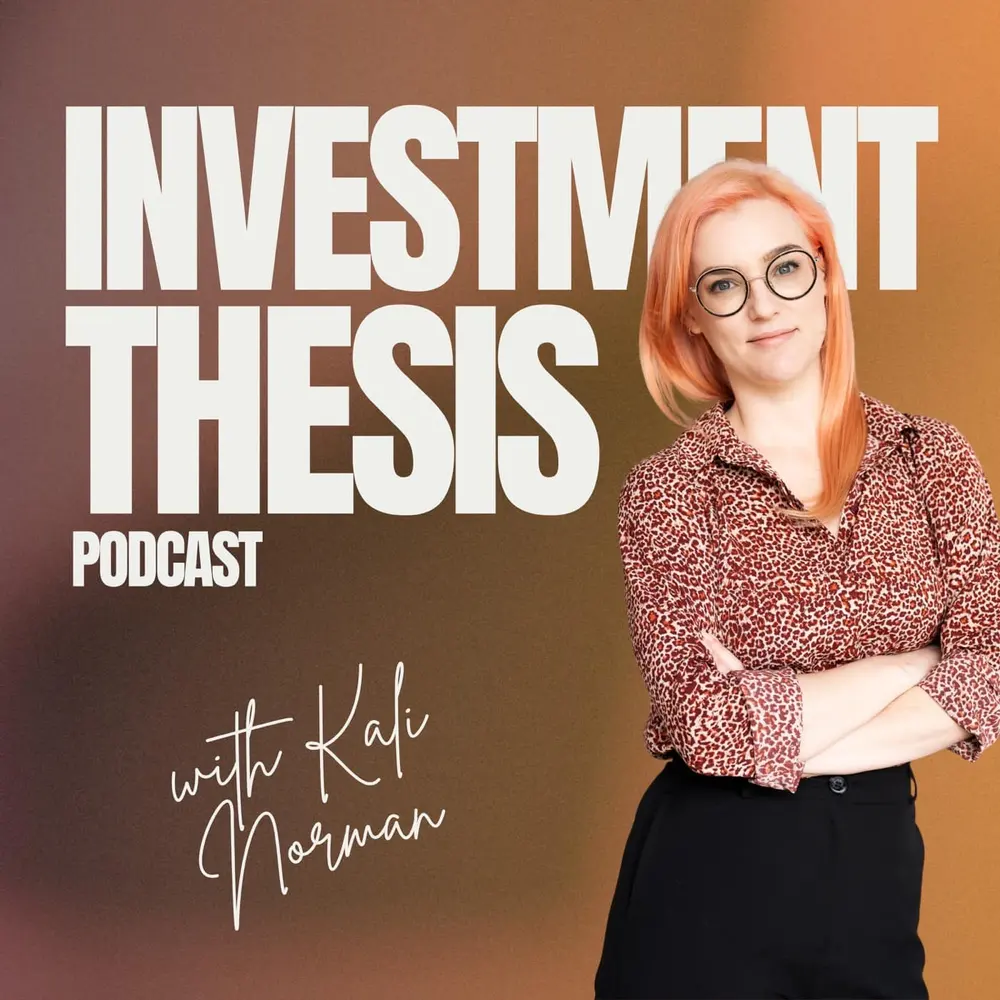
Episode Five: Dan Coughlan's Investment Thesis

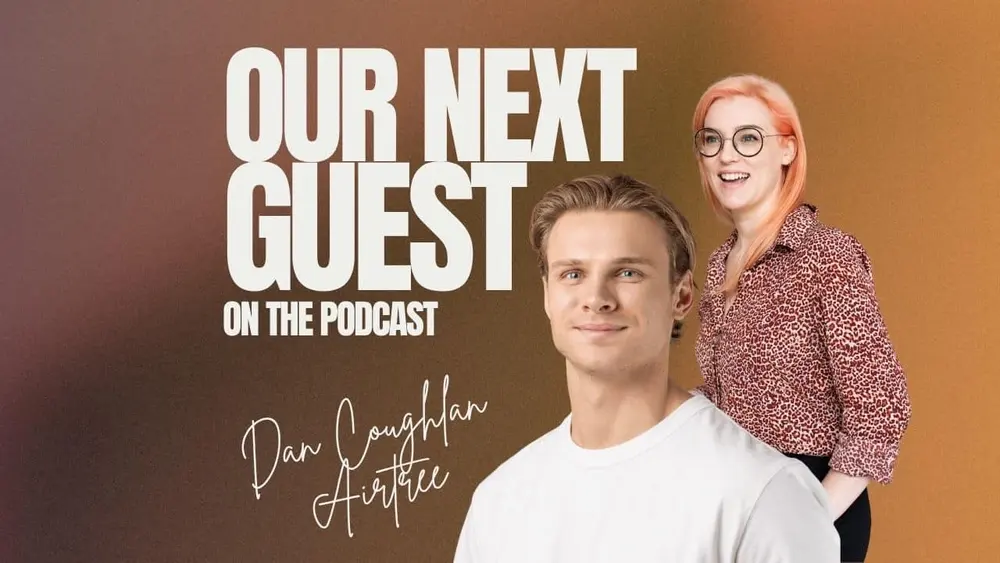
Podcast host Kali invites listeners to join her as she builds her own investment thesis from the ground up—learning directly from experienced investors who have already defined (and redefined) theirs.
In this session, we sit down with investor Dan Coughlan.
Dan Coughlan is a Principal at Airtree, one of Australia's leading venture capital firms. With a background in commerce, he began his career at Credit Suisse as an equity research analyst covering publicly listed software companies before transitioning into venture capital; he joined Airtree as an Investment Manager and has since risen to Principal. At Airtree, Dan invests across both the firm's early-stage fund—backing founders from pre-seed through Series A—and its $400+ million growth fund, which supports high-growth companies from Series B to pre-IPO. He has developed a particular depth in data infrastructure and AI tooling, and holds the view that the best investors don't predict the future—they see the present very clearly.
Transcript
Dan Coughlan: There's so many different, you know, shapes and forms that that investing takes. But I think the reality is, as we sort of talked about, like whatever you decide to do within the world of investing, like it's sort of a neverending journey of of learning.
Kali Norman: AirTree is more of a generalist take, but do you yourself have a specific domain or vertical that you have a particular interest in?
Dan Coughlan: Obviously, yeah, the world of software is incredibly broad. We're encouraged and I think it's interesting that we all get to sort of be across a number of different verticals that that might take shape, but I think it does help to pull threads and go down rabbit holes in certain areas that that you're excited about.
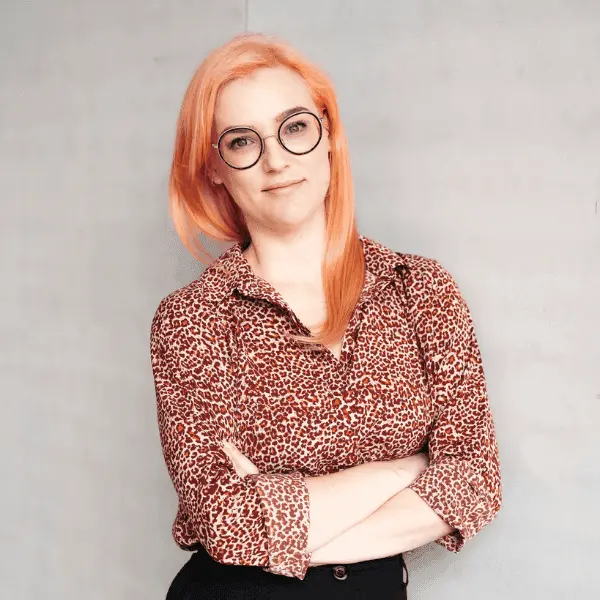
Kali Norman: Welcome to Investment Thesis. I'm your host Karly Norman and joining me on the podcast today is the phenomenal Dan Coughlan with a background in commerce then cutting his teeth at Credit Suisse as an analyst before pursuing his passions with AirTree. Dan started there as an investment manager and is now a principal. We're so delighted to have him on the podcast today and thank you so much for joining us Dan.
Kali Norman: Hi Dan. Thank you so much for joining us on the podcast today.
Dan Coughlan: Thanks so much for having me, Karly. Good to be here.
Kali Norman: Well, I'm super excited to talk to you and I can't wait to hear how was your path into the world of investing.
Dan Coughlan: Yeah, I guess I mean I'll wind back a little bit. I guess for me it probably started during university - a bit of a pivot midway through studying that you know made me realize I didn't want to go be a lawyer and I started to gravitate more towards the finance classes I was taking and I guess starting to follow that curiosity led me down a bunch of paths. Ultimately I think a very impactful one was kind of starting my first job - I started as an intern at Credit Suisse and then eventually full-time in the equity research team there covering publicly listed software companies. And that for me was a you know something I thought would be like a good way of I guess pursuing that interest in investing and you know at the time appeared as though a good way to kind of bridge into a more full-time investing role - potentially something, you know, my view was like going into public markets investing, hedge funds. I was always very curious about that side of things. And to be honest, I didn't know a whole lot about the world I'm in now, which is venture capital - like private market investing in technology. But yeah, I think I was very fortunate that I got put in that software team, got to learn about technology through that process, got to learn more about the world of venture and growth investing. And after I kind of opened that can of worms, it was pretty clear to me that that was exactly what I wanted to do, and I was fortunate. So I spent about 2 and a half, 3 years in that role at Credit Suisse and then moved across to AirTree where now I get to do that full-time both across kind of later stage growth investing and early stage investment.
Kali Norman: So when you say early stage and later stage investing, can you give me a sense of what stage you get involved with companies at both of those?
Dan Coughlan: Yeah, sure. So at AirTree we have two distinct funds. We have an early stage fund that does I'd say everything from pre-seed - Series A is sort of where that fund plays. I think round labels can sometimes be misleading but I mean to us pre-seed is about as early as you can get. It's often times the you know canonical two people on a PowerPoint, team and a dream end of the market. And then our growth fund virtually kicks in for everything after that. So sort of Series B plus. Even within that fund there's you know quite a range of investments that we're looking at - right from companies where we led the Series A maybe 12-24 months ago that are you know now raising that growth capital in a Series B capacity to accelerate and double down on what's working. And you know we know those companies well - they've graduated from our early stage fund - but we're also writing investments into much later stage companies. So you know Canva is obviously a great success story in the local market and a business that we're lucky enough to back at the early stage and then have been able to invest in every round after that out of our subsequent growth fund. So it really does kind of span the full gamut of private market investing for high growth companies - the potentially first round into a business right through to the last round before an IPO.
Kali Norman: When you joined, what was the first version of your investment thesis?
Dan Coughlan: Yeah, good question. I think when I joined, and maybe by virtue of sort of just inexperience and the experience I did have was you know in the world of public markets where there's a lot of data, companies are very well studied, you follow the same sort of universe of companies (in my case the software coverage universe) for a long period of time. And I think a lot of the focus is on sort of like near-term momentum around earnings momentum, beating expectations that the market has and that sort of thing. So I probably, whether I knew it or not, gravitated towards I think what you know some people call like "spreadsheet investing" - very, very metrics driven. I think that's said disparagingly and probably rightfully so. But I think I very quickly kind of got educated in you know the world of growth investing - the spreadsheet component and the metrics are very important. Financial modeling still plays a very crucial part of our efforts. It's obviously less important at the early stage when there are no numbers. But I think I sort of became very quickly aware that a lot of the qualitative things that you can't put in a spreadsheet are important right up and down that spectrum from early stage to growth. So whether that's the founder and the team or the product, the vision, how quickly can the company ship product and how do you build a culture around that - all these things are quite hard to model. The things I probably didn't appreciate when I first started but have become more and more important as I've gone along.
Kali Norman: Ooh, a lot of learnings to unpack there. So talk me through how your investment thesis has evolved and what does it look like today.
Dan Coughlan: Yeah, definitely. I'd say for us, and maybe this is a bit of context, I'll sort of frame AirTree to help frame this up. I'd say we aren't - I wouldn't traditionally think of ourselves as like top-down thesis-driven investors, in that we don't have like a worldview on particular markets necessarily and then try to go and find companies that fit that mold. I think it definitely pays to think about these markets and have what we call a "prepared mind" to kind of hopefully be able to recognize when something might be interesting. There's a VC in the US, a general partner that helps start Benchmark, who has a quote that we love to talk about internally, which is like "our job as VCs is not to predict the future, it's to see the present very clearly," and I think we definitely subscribe to that. So we're less sort of like top-down "here's where the world's going, let's go find something to fix that," and we're much more "how do we find great entrepreneurs, sort of hear from them where the world's going in their particular domain that they likely know much more about than us, assess that, assess them, see if we can recognize when lightning is going to strike." And sort of as a result for us, I think an investment thesis is much more company specific. As we get to know an opportunity, a founder and a business, how do we build conviction and a thesis around that particular opportunity? But I think what we do have is sort of more top-down frameworks of like what are the sort of opportunities that we like, what are the sort of teams that we like, what are the important things that for any investment - sort of irrespective of industry and thematic - that we can sort of come back to. So I can kind of share a little bit about that broad framework where we spend time.
Kali Norman: I would actually - yes, I would love to dive into that. You mentioned though that you've got a unique approach at AirTree of not trying to predict the future but to see the now very clearly. Were there any assumptions that you had to let go of of trying to predict the market when you were taking that approach?
Dan Coughlan: Yeah, I think there is implicitly always going to be that. I think a lot of us, myself included, we're curious about these things. We're curious about technological shifts, how these markets are evolving, and it's hard not to kind of have your own view of the world. And I think that is important - it goes back to the prepared mind approach. It's helpful to kind of get into a conversation with a founder if you do have at least some sort of view on the market. I think the hard part is making sure that's loosely held enough to be able to let go of it if there's compelling evidence to. And you know whether that's because a founder kind of has a different view of the world and you're learning and evolving through that conversation, or not falling in love with your thesis and sort of having confirmation bias around like "I've met this great founder, it totally matches my thesis of the world," which might be a great thing if your thesis is correct, but at times it can be easy to fall in love with a business and investment opportunity because it fits your mental models of how the world's shaping out. And I think trading that balance and knowing when to double down on thesis, when to sort of assess new evidence, is always a challenging one. But yeah, I'd say that's the tricky thing. It's an ongoing battle. If you have a good formula for it, definitely let me know.
Kali Norman: Well, if I come up with one, I will definitely send it to you. You mentioned confirmation bias. How do you manage that? Is there any tips or tricks that you have to actively avoid confirmation bias?
Dan Coughlan: Yeah, I mean I think we actually build it into our investment practice at AirTree. So by the time we have a sort of investment opportunity reach the pointy end of the process where we've written a memo on it, the investment committee is sort of across the memo, we've had an internal session to thrash out and debate the thesis, and then typically followed up by bringing the founders and some of the team in to meet the rest of the group here, and then ultimately voting on an investment decision. As part of that ultimate vote, we have a section around like identifying your own biases. Whether you're on the investment team or one of the partners voting on the investment, if you're bringing any sort of bias - not just confirmation bias, but maybe there's a bias against the space because of scar tissue, that may be a good helpful sort of experience but also maybe hold us back on you know thinking about what could go right in a particular case. So I think they're sort of a natural part of being human, and in some way they're there for a reason because they're heuristics and shortcuts and help us make decisions, but I think the best thing to do is sort of air them in the open, be aware of them, so that you can sort of be conscious of it as you're making the decision.
Kali Norman: I love that that's actually built into each investment thesis that you develop for a company. What are some of the other questions that you ask yourself when you're building that around a potential investment to bring to the investment committee?
Dan Coughlan: Yeah, I think we spend a lot of time on - I'd say what these kind of components are of our investment framework, and there are sort of a number of those that are consistent across virtually every opportunity. The emphasis on each of those components shifts particularly depending on stage. So for a late stage investment, the big sort of buckets for us are:
The market. So that's not just sort of the market size, but I think more importantly the dynamics in the market and how big that market opportunity can get over time. I think a lot of the biggest mistakes that you can read about in venture - and I'm sure that we're guilty of as well - is sort of assessing the market today as too small but not sort of seeing how that market could develop over time. So we try to spend a bunch of time on that. Implicit in that analysis of the market is the competitive intensity and getting a feel for the dynamics at play, both from a competitor set and also how their customers would sort of view the market from that lens.
Product is a super important bucket for us. I think this is where we spend a lot of time thinking about the uniqueness and the differentiation of the product. At the earlier stage I think about the novel insight behind the product innovation. All this goes to building a sustainable competitive advantage over time.
The business model. This is obviously much more important sort of at a later stage. Often at the early stage there is sort of no business model yet - throw a little bit of thinking into the future of "can we build a sustainable business model," but at the later stage just assessing that business model, that sustainable competitive advantage.
And then the same but analyzing the returns. This is not just sort of the making money in Excel version, but I think we spent a lot of time thinking about the fan of outcomes. At the later stage we'll underwrite and build a model that sort of supports a base case returns profile, but we recognize that this isn't kind of a point in time or a fixed point forecast. It is really like you're looking for a probability distribution of outcomes. So we spend a lot of time debating that, thinking about both what can go right and what can sort of shift this outcomes out to the right, and the commensurate downside. Naturally some opportunities are going to have much sort of higher likelihood of downside cases and downside risk but hopefully you know commensurate upside potential.
And then lastly, but probably most importantly, is team. So we spend a lot of time on this irrespective of stage. At the early stage it's almost the only thing - it's sort of the team and the market. But even at late stage it's super important. So how do we think about both the founders, if it's late stage then it's both the founders and the team that's sort of built around them. There's some characteristics that we look for. I'd say we don't have a one-size-fits-all model, but it's really trying to assess what are the attributes in this case that are going to make the founders or the founding team outliers, and able to sort of continue to attract and retain world-class talent and build a fantastic business around them.
Kali Norman: When you're investing through that early stage fund, if you gave it a rough percentage, how much weight do you put on the product versus the founders and the founding team when you're making a decision?
Dan Coughlan: Oh, I'd say it's much more on the team. Partly because sometimes we're investing and there is no product - like at a pre-seed stage or even a seed stage maybe there's some version of a product but it's typically not going to be the ultimate version of the product. So you are stretching a little bit and trying to see what this product can become. But I largely think that's kind of a function of the team and their ability to follow the twists and turns of finding product market fit, adapt what the market's telling them. Hopefully some sort of novel insight piece - I think often comes down to the team. Maybe it's by domain expertise that they have some novel insight. That's not always the case though. I think sometimes outsiders to an industry are able to bring great product innovation to bear. I think the classic example there is Stripe. The Collison brothers sort of had no business knowing the payments world and it was a place at that point I think in Silicon Valley that was sort of like no one really wanted to touch it - both PayPal kind of 10 years earlier - but they came in as outsiders and sort of reinvented it from the ground up. So I don't think it necessarily matters where the source is, but some kind of novel insight and the capability and the grit in a lot of cases to bring that to bear in the form of product market fit. So to answer your question, I'd say it's much more on team, particularly in the early stage when there's less kind of product to hang your hat on.
Kali Norman: And are there any hard and fast red flags that you've developed?
Dan Coughlan: It's a good question. I mean outside of the obvious ones - like integrity is obviously incredibly important and these relationships that we get ourselves into - part of the thing that attracted me to this market and investing in private markets is that it's much more relationship driven than sort of the world or the road I was heading down in the public markets, where relationships are an important part of it but at the end of the day you can hit buy on a screen and you can own virtually any stock in the world. Versus this, where we really form partnerships with entrepreneurs and in some cases extending to the last 10 plus years. So I think integrity and being on the same page on all the big important issues is super important. So lack of integrity there is clearly going to be a red flag. I think maybe somewhat relatedly but sort of authenticity, particularly around motivation. I don't think I'm not one of those people that says like every founder just kind of needs to be - their life work has to have some sort of deeper calling to the problem space. I think that's fantastic and can be a really powerful motivator, but I also think that's not for everyone, and some people are really motivated by the challenge or wanting to build a big business or wanting to just see their vision come to life. I think that's totally fine, but being authentic around that I think is super important because of how long-term this journey is. I think any sort of lighter weight ambition or potentially temporary motivation is not going to sustain you for what is ultimately a pretty challenging task to build something from scratch and hopefully build a generational company. So those are the big ones. But I think outside of those and the important dynamics around integrity and that sort of thing, it's hard to have too many red flags in a business that is really about exceptions to the rule. So there are things that I'm cautious about and would maybe have a negative skew on, but it's hard to rule too many things out given how exception-driven the business is.
Kali Norman: So given that you are exploring at both an early stage and a later stage, can you give us some examples of what your typical investment looks like?
Dan Coughlan: Yeah, sure. So the early stage fund - we're often the lead investor in those rounds or sort of co-lead. We want to lead rounds so that, if everything goes well, it can have a really big impact on our fund and for our investors, and also so that we can lean in and provide the support model that we like to provide for founders. And then the growth fund is a bigger vehicle. It's sort of $400-$450 million. We're writing checks there on the upper end that are sort of in the $40-$60 million range, on the lower end sort of maybe as low as $20 million in that fund. And sometimes that means we're leading rounds, particularly at the Series B level where those check sizes are leading rounds. Sometimes we're playing collaboratively, particularly with overseas funds that want to come in and invest in our breakout portfolio companies, and we're a pretty natural partner to be able to slot in and continue to support the companies, continue to double down and invest in every round, but also sit nicely alongside funds that in some of our companies like Canva, Employment Hero, Airwallex - these funds want to come in and write multiple hundred million in check sizes. So a little bit of "it depends" is the answer.
Kali Norman: So you mentioned earlier that AirTree is more of a generalist take, but do you yourself have a specific domain or vertical that you have a particular interest in?
Dan Coughlan: Yeah, you're right - we are more of a generalist type approach. I'd say broadly most of our investments tend to be sort of software driven in nature or software-like. It's obviously incredibly broad as a category but it helps sort of sharpen our focus a little bit - like we don't do a lot of biotechnology for example. Obviously the world of software is incredibly broad. We're encouraged and I think it's interesting that we all get to sort of be across a number of different verticals that might take shape, but kind of going back to the prepared minds point, I think it does help to pull threads and go down rabbit holes in certain areas that you're excited about. And one of the ways we do this internally is we do semiannual deep dives where people on the investment team will put together a rough kind of map of a market and a bit of a thesis around a particular industry or thematic, really to foster that prepared mind - both for you as you've gone down this rabbit hole and done the deep dives, but also by playing it back to the team hopefully everyone else is slightly more equipped to explore investments in that space.
So for me, one of the first sort of rabbit holes I went down was in the wonderful world of data infrastructure, developer tooling around data and machine learning. I have no idea why to be honest - it's not something that my background necessarily lent itself to. Well, I do know why - I met an entrepreneur that was building in this space and I thought they were really compelling. I thought the space was compelling and pulled enough threads just looking at that particular investment that it made sense to kind of go down that rabbit hole further. And that's been really fun to me because it's kind of nicely dovetailed into the world of AI and large language models, both on the application side but also having a bit more of an appreciation around the tooling and infrastructure that supports it. So I spend a bit of time there. But I really am quite open. I think it's one of the core parts of the job that I get to explore a new area sort of almost every week depending on what I'm looking at in particular. Largely still driven by the founding, the opportunity, and then dive in and explore it. But yeah, definitely always open to pulling a new thread and finding a new sort of area to go niche on for a period of time.
Kali Norman: How do you stay sharp and continue evolving your thesis, and as well your personal take on it?
Dan Coughlan: I think one of the coolest parts about this job is that in a lot of ways I feel like I get paid to learn, and that applies both to getting to study new technologies and businesses that are forming, but also learning about investing itself. And that is like a passion of mine - a curiosity is kind of why I got into this whole thing. So I love that aspect and it is ever-evolving. So I spend tons of time listening to and reading everything that I can related to this field. Every new podcast with a VC that comes out, I'm always pretty keen to give a listen, see what I can learn. Blog posts - I just think we're in this really fortunate position where there's so much content out there about particularly the world of VC and technology investing that the hard part is keeping up with it all. But there's never sort of a shortage of new ideas to reassess, potentially add to your own worldview, which I think is exciting.
I spend a lot of time scouring and sharing resources as well. I think that's the other beautiful thing - a lot of the people I work with are equally sort of bizarre in their nerdy fascination for this world. So we share a lot of resources internally and we sort of spitball ideas. So I think feeding ideas in from the outside world is a big important part of it, as well as just like reps to be honest. I you know we get to look at and meet with so many companies, founders, work on a number of investments. I think there's no better way to sort of for me to evolve and sharpen and hone my investing muscle for lack of a better word than than actually doing it. And as part of that, I'm lucky that every week I kind of get to sit in on an IC meeting with a bunch of I think the smartest people in this space, which are my colleagues at AirTree.
Kali Norman: Oh, I love that. And for those at home, IC is investment committee meetings. Can you give us some examples of a couple of local newsletters or people that you follow, and as well a couple of international from where you see the market leaders coming?
Dan Coughlan: Yeah. So locally there's a bunch of I think great writers of blog posts and newsletters. I'd give a shout out to my colleague [name to verify - transcript says "Jax Jack Rollins"] who writes a I think a Substack or she posts them on LinkedIn as well. But definitely go check out her posts. She writes quite regularly, is incredibly thoughtful about this whole space, and is a great writer. I think a lot of the sort of new sources - it's great to see how much, even over the four years that I've been at AirTree, the coverage and the understanding of the market in the VC and startup space has come a long way. And there's great news sources out there now - the Letter of Intent crew put out I think great daily updates, great essays across what's actually happening in market. Yeah, same goes for I think Capital Brief, Startup Daily, having a much more tech-forward view of the Australian ecosystem is fantastic.
And then on the international side, also global sources - podcast-wise I love the Invest Like the Best series. So I don't know if I'm allowed to shout out a competitor podcast, but Patrick gets great guests on - a lot of fantastic investors. Their broader media offering around Colossus is I think a rich source of information, has been for me for a long time. I'm reluctant to shout out more podcasts now, but there's 20VC by Harry Stebbings in the UK. Similarly, he's just someone who's endlessly curious about the business of VC and VCs, and assessing how VCs actually think about markets and companies. So I've learned a lot through that.
I also - maybe a bit of a lesser-known one, but something that I've been into for a long time and I think has been an important part of my development - is letters by fund managers. Which is much more - it's less VC related but sort of public fund managers. It's like a sort of insane cheat code that a lot of them put out their thinking and their general thought process on investment thesis, almost on a quarterly basis for a lot of them. And that was one of the things that really got me into investing in the early days. So the fund has now shut down after being too successful, but there was a fund called the Nomad Partnership. Nick Sleep was sort of one of the managing partners there, put out phenomenal letters for sort of a 10-year period through the 2000s. Learned a lot about sort of growth and quality investing through that. The Constellation Software letters that Mark Leonard has put out historically, I think also super interesting. It's hard to go past the sort of Buffett and Munger letters and the content from the AGMs. So that stuff is all incredibly popular and picked over for good reason, but there's still tons you can learn from going through the classics.
Kali Norman: And I'm also incredibly flattered that any of those podcasts might put my podcast in the same ilk. We'll get there one day. Thank you so much for sharing those sources with us. And I have to say, I love Letter of Intent myself. I'm so glad that you gave that a shout out and it's something that you see value in as well.
Dan Coughlan: Actually, one that I should shout out as well - there's, I guess he's not local, but Abe who's here at Rampersand in Australia - another sort of local writer. He's incredibly thoughtful, put out a book recently called The Fundraising Blueprint. But his general blog posts and he posts a lot on LinkedIn - I think he's done a lot to demystify the world of VC for founders and is just a great writer. So definitely check out his stuff as well.
Kali Norman: I will. Thank you very much. So what two pieces of advice would you give to someone building their first investment thesis?
Dan Coughlan: Okay. So I think firstly, I'd say spend a lot of time thinking about what actually resonates with you. I've talked a lot about the world of growth investing and technology investing early and late stage, but there's so many different shapes and forms that investing takes. But I think the reality is, as we sort of talked about, whatever you decide to do within the world of investing, it's sort of a neverending journey of learning, refining, tweaking. So it really helps if you're actually interested in the broad universe of investing that you choose to go down. So for me, to make that tangible, I would probably have a lot less passion keeping up with the latest in how do I refine a sort of macroeconomy-driven worldview. I think there's tons of people that do that and enjoy it and obviously much better than I ever will be, and I don't think I'd have the same level of interest and curiosity that I think is required to improve and stay on the edge. So I'd spend a lot of time - read broadly, figure out what resonates with you, so that you can then spend more time going down those rabbit holes and actually enjoy it.
Maybe secondly, I'd say second piece of advice I'd have is find partners if you can. It's the most enjoyable I think aspect of this - getting to bounce ideas off people and stress test your own worldview against people whose opinions you respect. I think I was super fortunate in my old role actually when I started as an intern and then as a grad that I started alongside a guy [name to verify - transcript says "Daniel DS"] who is now one of my best mates. He really got me into - we had a lot of similar curiosities around investing, and it's him that got me into Charlie Munger and a lot of the content that surrounds that universe, and Michael Mauboussin who's like a - people call him "your favorite investor's favorite investor." This is all stuff I got exposure to back in 2021, 2022 because of my mate. And you know, we live in different countries now and we still catch up regularly and send each other articles and book recommendations and spitball ideas on this stuff. And I think that's what makes it enjoyable - that's how you learn more. You sort of get to leverage what other people are reading. And it's hard, as I said, the hard part sometimes is keeping up with content. So the more sort of signal-based filters you have of people's opinions you respect sending new things, people ideas, as well as just the process of getting to chat about it with people, I think is super powerful.
Kali Norman: I have one quick question that was not on the question brief for you. If Uber had cold-pitched to you pre-seed back in the day, would you have invested?
Dan Coughlan: I wonder how many people say yes or no on this one. So... it's a good question. Realistically I probably would have been extremely wary of like "what is this market? How big can this be?" I think that's the reason why most people pass on at the seed round or pre-seed round. To be honest, with a bit of a cop-out answer - it's hard to know without having met Travis Kalanick himself, because by all reports he is a truly N-of-1 generational founder and you could you know some people obviously could say that at the early stage. So maybe my answer is I would have been so taken by Travis I would have done it, but realistically I think it would have been incredibly hard bet to make, and if I'm being intellectually honest I probably would have passed. Which is always a great thing to keep you humble in this business. I wonder how many future Ubers I've already passed on in the last 4 years.
Kali Norman: Thank you so much for an honest answer and an honest assessment of how you would have worked that through on the ground. Thank you for having joined us on the podcast today, Dan. It's been an absolute pleasure and I'm going to take this away and work on my investment thesis.
Dan Coughlan: Thanks very much, Karly. Thanks for having me.
Building an investment thesis from the ground up — one conversation at a time.
More episodes
 ▶
▶ Mick Liubinskas' Investment Thesis
 ▶
▶ Katharine Giles of Brandon Capital - The Investment Thesis Behind Backing Life Sciences
 ▶
▶ Don McKenzie's Investment Thesis
 ▶
▶ Alex Khor's Investment Thesis
 ▶
▶ Alan Jones of M8 Ventures - Distribution barriers and backing founders you want to be mates with
 ▶
▶ Rohan Workman of Skalata — Backing overlooked founders as AI rewrites the thesis
Bring your thesis to the table.
Have an investment perspective worth exploring? Book a conversation with the Investment Thesis team.
Other shows worth a listen
Episodes from across the network exploring similar themes — part of the same Day One conversation.
 ▶
▶First Cheque with Cheryl Mack & Maxine Minter
Trust Over Likability: How Charles Hudson Built a 450-Company Portfolio
31 August 2026
 ▶
▶In The Blink Of AI with Georgie Healy
Betting on Slope: Seed Investing, AI Moats, and Founder Psychology with Uncork’s Amy Saper
12 December 2025
 ▶
▶Perspective X with Pauline Fetaui
The Hidden Criteria Behind a YC Yes: Yotam on Founder Signals, and the Real Work Behind a Yes
7 July 2025
Turn podcasting into pipeline
We're the team behind the Day One Network, and we helped build Blackbird Ventures' Wild Hearts. We help founders, funds and operators build trust, authority and deal flow with a show tailored to their market.