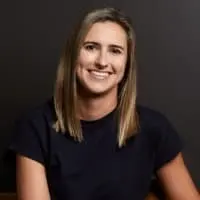
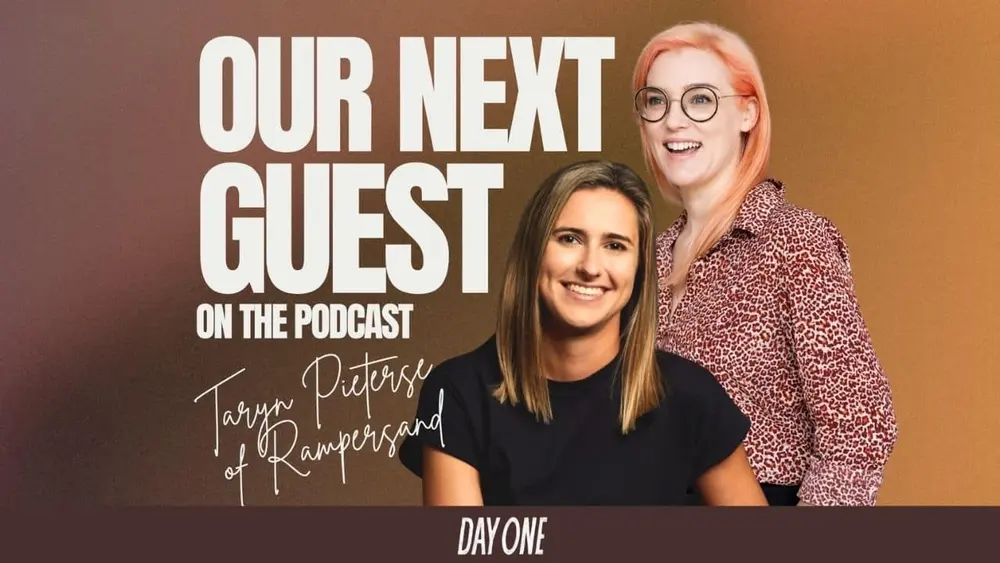
Transcript Synced · select any line to jump ▾ 0:00 Taryn Pieterse: You know, being in Australia, how can we invest in a business? They might raise $2 million here. Someone else with a very similar business in the US raises $10 million. You know, why will these Australian founders still win? And there's so many good reasons that they will. 0:14 Kali Norman: How much you're backing the founder and how much you need to see of the product when you're assessing what good looks like. 0:20 Taryn Pieterse: You know, what is now achievable for a founder is completely different to what it used to be. And so things like that, we're rethinking in our hypothesis. Founder passion is super important always. Don't get me wrong, that's super valuable and we love those founders, but it's less important. 0:38 Speaker: Welcome to Investment Thesis. 0:40 Kali Norman: I'm Carly and I'm on a mission to build my own investment thesis. 0:43 Speaker: I'll be sitting down with experienced investors from angels through to venture capital to unpack how they've built theirs. We talk about the frameworks they started with, the lived experiences that challenged them, and the moments that reshaped how they think about risk, opportunity, and conviction in investment. There's No hype and no jargon. So whether you're building a thesis, raising capital, or rethinking your own approach, welcome. This is Investment Thesis, and let's build it together. 1:22 Kali Norman: Hi, welcome to Investment Thesis. I'm your host, Carly Norman, and joining me on the podcast today is Taryn Petersy. Taryn started her career in the investment banking division of Goldman Sachs in Australia and the UK and was heavily involved in Campaign Monitor's $250 million raise back in 2014 before coming back to Australia and finding a role with a family office, which gave her an opportunity to explore some really innovative investments. Now a partner at Rampersand, who she's been with for close to 6 years, she describes herself as always looking for that special sauce in both startups and a sandwich. Thanks so much for joining me today, Taryn. 2:00 Taryn Pieterse: Thanks for having me, Tally. 2:02 Kali Norman: Let's get right into it. So in your own words, what was your path into investing? 2:08 Taryn Pieterse: I think you kind of gave a bit of my background there. You know, when I graduated from uni, Goldman Sachs was, you know, the place that everyone wanted to work. But I think I had quite a unique experience there and I had the opportunity to work really closely with the founders of Campaign Monitor. Like they were the you know, quintessential startup founders, I think high school, university mates solving a problem that they felt out of their garage. And the business like just totally took off and grew. But our role at Goldman Sachs was to tell that story and tell that story to investors and to the world. And, you know, for them, some of their very first cohort analysis and really started telling that growth story for them and just working with them, was like the most fun thing I did at Goldman. And you know, for Goldman it would have been a small deal, but for me that was like very instrumental on like my journey and finding out what I loved. And so when I, you know, decided to work in investing, I don't think it was about that. I think it really was, I loved working with those founders. I loved, you know, helping them tell their story, helping them on their journey. And so it was really that which kind of motivated me To eventually join Rampersand, um, back, as you said, kind of during COVID in 2020. Uh, and yeah, I've been with the fund for almost 6 years now, and I'm a partner here at Rampersand. 3:33 Kali Norman: I love it. So when you first joined Rampersand, you had some investing history behind you, so it wasn't like that was the first version of your investment thesis. But can you tell us when you started with the fund what that looked like for you? 3:47 Taryn Pieterse: Yeah, absolutely. So the family office I worked for, we did invest in early-stage venture, but it was consumer product venture and it's quite different. You know, the cycles are way slower. Like, you know, you've got to build a physical product and, you know, so it takes longer to figure out if things are working or not working and get that feedback from the market. It's also so much more financially driven. Like, you've got to know your CAC, you've got to know your COGS. And so there's a bunch of different things you focus on for consumer investing than what you focus on for tech investing. And so when I started at Rampersand, it really was, you know, I had the business fundamentals, I guess, and had that from kind of my earlier career. But working at Rampersand was really focused on understanding what makes a great tech founder. As you know, and maybe not your listeners, Rampersand has been around in the Australian ecosystem since 2012. We're currently deploying out of our fourth fund, which by the time I joined in 2020 meant we weren't just looking at seed stage investments. We already had a number of Series B, Series C, like investments in our portfolio. And I think that's where I really cut my teeth early days at RampSend, like spending a lot of time with those founders on their kind of understanding their businesses and their next capital raises and whether or not RampSend would continue to participate. And that's an amazing opportunity for an early investor because you actually get to see inside the tent what good looks like, like slightly later stage in investing. And I think what it did tell me was there's no, not one right way to do it. Every single one of our kind of later stage portfolio companies had a different customer type, had a different go-to-market strategy, had a very different like approach to product. But the underlying thing, and I guess my kind of first part of my investment thesis was really just observing those founders and kind of the consistent layer, which is not mind-blowing for anyone, but it's really the founders and it's really the passion behind them and how they kind of totally understand like the category they're in, their competitive landscape. What they're building and why they will win. But yeah, looking back at like the seed decks for those startups when we invested to, you know, Series B, that's the only consistency. Everything else has changed. 6:26 Kali Norman: When you're looking at those seed stage investments, when they're first coming to you at Rampersand, if you don't mind me asking, what sort of check sizes are you cutting at that early stage? 6:37 Taryn Pieterse: Yeah, so very varied. So we can invest anywhere from inception up to Series A. So, it is really varied in terms of what type of check we write. Usually the smallest we'll write is about $250K. We'd like it to be a little bit more. And then kind of the largest first check we've written is $2 million. Obviously there's once again capacity to go higher, but it kind of sits within that range. And, you know, we prefer to lead deals, so we kind of size our checks to be about, you know, at least half the round size, um, as well. 7:15 Kali Norman: And when you're looking at those early stage seed investments, and then I guess comparing that to, say, for example, if your first cheque is coming in at a Series A, do you notice a difference in when you're assessing what— again, you mentioned good looks like— how much you're backing the founder and how much you need to see of the product when you're assessing what good looks like? 7:35 Taryn Pieterse: Yeah, absolutely. Like, at kind of the pre-seed inception seed stage, it still really is like all the founder. And obviously we do the work and we understand what the product is and how we evaluate the market, but we can be wrong on all of those things. And, you know, as I said, it'll probably change by the time they even get to Series A. But so much of it is, you know, narrative telling, understanding their motivations, their view of the world and why they view that they can win. By kind of late seed, early Series A, you kind of want some proof. Like they've had some time, they've run some tests, they've tried to figure some things out by kind of, yeah, late seed, Series A, they should have figured a couple of things out. Like they should have product market fit, they should know that kind of go-to-market strategy that works. Obviously there'll be more that they'll test in the future. But yes, there's definitely at each one of those stages we're expecting them to have de-risked a component of the startup that they're building, uh, so that we can kind of, uh, continue to invest along that journey. 8:42 Kali Norman: So I guess talking about, um, what that looks like now, has that thesis changed from when you first joined Rampersand to what you're looking at and looking for today in founders that you back? 8:57 Taryn Pieterse: Yeah, I mean, like, transparently, the founder piece, as we said, is like still super, super important, and that is where we spend, you know, most of our time is try to work alongside the founder, understand how they think, understand their passions, their motivators, and all of those things. We have like a framework though, like we dig deeper and actually say, okay, it's not just founder passion. We kind of think about and think about, does this founder have grit? You know, this is going to be really hard. Do they— do we think they have the grit to kind of ride the highs and lows? You know, are they good executors? Often, you know, there's so much you can do with a startup, but actually just executing and shipping is incredibly important. Like, have we seen or do we believe that they can execute and ship product? And they've got to have like so much optimism, like building a billion-dollar business, you've got to be crazy to do it. And so they have to be so optimistic to believe that, but also balanced with a bit of pessimism. Like if you're just the most optimistic person in the world, you're not going to see the challenges coming along the way. So you've kind of got to have a good balance of that in a founder as well. So I think when I talk about it, it's like still found a passion, you know, doing their life's work, absolutely blood, sweat and tears being totally poured into it. But we do drill down and say, okay, well, how do we see that kind of being made up with a number of kind of different factors? 10:21 Kali Norman: I just, I really appreciated what you said there about ability to execute. So if you're looking at somebody, for example, and they're coming to you and they're a second-time founder, does that, for example, help to, to qualify? Because some of these deals that you're looking at are quite early, and ability to execute can be so hard to prove. Um, what kind of things can founders bring to the table, or are you looking for when you're in those conversations to prove that that ability to execute exists? 10:47 Taryn Pieterse: One of the things is, like, being a second-time founder totally helps, um, because you're right, you've got kind of got that proof point even if you haven't showed it your current startup, you've got that proof to say, I can do this, I can build, I can ship. And that is, you know, one of those places that we get excited about doing an inception check as an example, because one of those big risk factors has been de-risked a little bit. Investors often want to say, we want to see an MVP. And part of that is not actually to see the product like it's going to change 1,000 times. It's not going to be good. It's not that important. But part of it is just to say, okay, cool, you've gone, you've written it down, you've executed, you've built it, and you took it to your customers and you got some feedback. So much of it is just the fact that they did it rather than exactly what the MVP looks like. 11:40 Kali Norman: I have never thought about an MVP like that, but you've just completely— yeah, I guess that's the first thing that you execute, even if it's not final. You had an idea, you got it done to a point that it can be put in front of somebody. Because so many things don't move out of ideation. Like, to say everyone's got a million-dollar idea inside them, right? 11:57 Taryn Pieterse: 100%. Part of that is, one, they've taken it to customers and they've gotten feedback. Like, getting that feedback is super important, and how they, like, react and, um, take on that feedback is really important. Um, the other kind of important part of an MVP is, um, yeah, like, just as you said, like, their crystallization of their thoughts, um, and a bit showing focus, like, you know, especially with AI, there's 100 different features you can build, there's 100 different products you can build. Focusing, doing the MVP and getting it into the hands of your customers. And I think that's like the important bit, like in the hands of your customers. It's the bit that, you know, I get nervous about, you probably get nervous about, like when we're actually putting ourselves out there, that can be like founder who can't put theirself out there, you know, know that their first product's going to be awful and they're going to be embarrassed about it, but do it anyway. That's kind of— once again, we're looking for the signal that they're hesitating there rather than the fact that the MVP is not like live. 13:00 Kali Norman: And that's actually interesting as well because you're so right. It's one thing to build a product. I appreciate your points on focus, ability to execute and everything like that. So you build a product, but then there's also going to market and getting it out. And as I think quite a few people in the podcast have spoken about, and I'm sure we've seen just over the years, it's not always the same skill set to build and produce product as it is to do the marketing and the go-to-market side of things. So when you're looking at who to invest in, how do you sit with solo founders versus teams, considering the broad scope of things that need to be covered? 13:36 Taryn Pieterse: I think have— like, having a co-founded team is lovely. I think It's more being a founder is incredibly, incredibly hard. And so when you've got someone who's, you know, kind of losing sleep over the exact same things you're losing sleep over or caring as much about something and you can talk about and work through problems with, I think that's really important. Like that's kind of the value of having a co-founder is just someone on that journey for you constantly being able to like riff off them and build and create a better business together. We totally invest in solo founders. And sometimes, like, they— it's them having an advisory board, which might help. Often very early days when they don't have a senior leadership team, it's about us stepping in a bit more as investors and being kind of that thought partner. And I find they tend to be a bit more active on the phone when they're a solo founder. So yeah, there's not one— I don't think there's one right way. And there's plenty of examples where both have been incredibly successful. But to your point, like what we think about is, you know, you can build the best product in the world, but if you can't have— if you don't have a go-to-market strategy, you can't be a unicorn because no one's going to buy your product. Because, you know, someone has to sell it, even if it's PLG, someone has to, you know, have a go-to-market strategy and have a strategy around getting it into people's hands. And so we do think about that a lot. Yeah. And having a co-founding team with a range of skill sets means you're less reliant on one individual being able to build the product, go to market, manage the team, etc. 15:14 Kali Norman: It becomes a shared responsibility. And speaking of product, within Rampersand, do you have a preference in the space that you're investing? Is it agnostically tech, or do you have certain verticals that you like to focus on? 15:26 Taryn Pieterse: We are agnostically tech. I would say like we as a fund, we have an ability to build a portfolio. And so we think deeply about portfolio construction. We do want to have some exposure to deep tech within our portfolio. We do want to have some exposure to, you know, more like PLG-type businesses. And, you know, we think about obviously AI being a component of that. So we like to have a range of different things. We only don't do medtech and kind of how we define that is is if you need FDA approval, um, because effectively that's a very different type of risk than what we're used to assessing. Like, usually a startup can build, learn, iterate, and there's not like a yes/no portal gate there. Um, and so we don't have like the experience in our team to, um, understand whether it's going to be a yes from FDA. And so that's the thing, like, we know as investors we're not the right people to play there. Um, and so we kind of sit out of that. But otherwise Yeah, sector agnostic. Like personally, I've made a number of investments in the future of workspace. I've made a number of investments in kind of the retail tech e-commerce space. So I think we end up finding sectors that we are personally passionate about or from our experience with our later stage portfolio companies, I can see like, oh, I've identified this problem or I know a bit more about this sector. I've got a unique insight into what works in this sector, what doesn't work.. And that's what kind of helps us generate that alpha too. 17:00 Kali Norman: Absolutely. And can you give an example then, having outlined all of that, was there something or someone that you've invested in that went completely against that thesis that you've just laid out and why? 17:14 Taryn Pieterse: Yeah, I mean, to be honest, we're thinking about that so much at the moment. Like the tech investing landscape has moved incredibly quickly in the world of AI. And even within kind of the last 6 months, you know, what is now achievable for a founder is completely different to what it used to be. And so things like that we're rethinking in our hypothesis is probably like one I talked about, kind of founder, founder passion is super important always, but we used to see that like founders with a unique insight play out. So people who have deep domain expertise have been working in the sector for a really long time. And I think that's just— don't get me wrong, that's super valuable and we love those founders, but it's less important. We have seen, you know, some amazing founders building kind of more horizontal solutions because they really just understand how people are using AI and how they can kind of lean in and build a product and execute really well. And, you know, there's a real advantage to that versus having the super deep domain expertise that we've seen before. I think another thing that we're super— we're like rethinking heaps is defensibility. Okay. So like, yeah, we're a high conviction fund. We only invest in kind of a handful or so new businesses per year. And so we don't want it to be, you know, one of 10 people building in this space and, you know, probably only one will survive. Like, we are looking for something that gives a founder, you know, if they are building, they're building something that, you know, means that their product will continue to improve over time in a way that someone else's product might not be able to, as an example. Um, or like, yeah, they're kind of building in a reason that their product will win versus others. And so we think about defensibility a lot more now because, you know, being in Australia, how can we invest in a business? They might raise $2 million here. Someone else with a very similar business in the US raises $10 million. You know, why will these Australian founders still win? And there's so many good reasons that they will. 19:28 Kali Norman: But, you know, capital does sometimes help completely, and particularly when it becomes a race to market because sometimes you're too far in, right? You've built it, you learn too late that somebody else has a near-identical product, and then it's just about who's, who's first in market and who gets that market share. 19:45 Taryn Pieterse: Absolutely. And some of it, uh, we think like the next layer as well though, like actually do we think they're building a better product? Like those people might be first, but these guys are going to build a 10x better product than them because they've got better data, or they have, you know, how they're working with their customers is unique and different. Um, so yeah, like, we don't think necessarily the first to market will always win, but we need to have a reason why if you're not, or if there's someone else alongside you, why will you win? 20:15 Kali Norman: That's actually a beautiful way to look at it because we hear a lot about first mover advantage, but you might— that's actually a really beautiful balanced way to look at it in terms of getting early market share versus what that means beyond it. So how do you stay sharp and keep evolving your thesis? As you mentioned, tech, AI, everything is coming so fast. What are you reading? Who are you listening to? And how are you consuming your information to stay ahead of the curve? 20:40 Taryn Pieterse: To be honest, I prefer to learn by doing. And so as I mentioned, we do have the beauty of having like a portfolio of, you know, 35+ companies at different stages. And so really understanding, you know, what they're doing, how they're working, what's the latest for them. And, you know, feeding that back into what will be important for a new startup as they're starting today in their thinking, sharing knowledge between them. So I love to jump on as many kind of founder calls as I possibly can with our existing portfolio companies or new companies and yeah, kind of just learn that way. And then obviously you get to supplement that with, you know, taking it away and be like, cool, they talked about this interesting thing. Let's do some more research on that. Um, yeah, we also at Rampersand have venture partners. Um, and so, you know, they're experienced people from, uh, like different parts of tech, but tech startups and scale-ups. Um, we've got Helen Sunnis and Rod Hamilton, who is the co-founder and the CPO of Culture Ramp, who's a venture partner for us. And so we just jump on a call once a week and we just chat about like what's on our mind, what are we thinking about, what have we heard. Sometimes we bring, you know, prep materials to it. Like we had a call about defensibility and how we're thinking about defensibility, and we all kind of looked at that and like, oh, actually I've seen that play out in a startup, or, you know, actually scale-ups as an example, and bring that scale-up back into it. Scale-ups are doing this really well because they already have distribution, as an example. So yeah, that's probably the other way we kind of continue to learn literally is just chatting with the team all the time and leveraging all of our past experiences and what we're seeing on the ground every day and sharing and testing and not testing each other, but yeah, kind of challenging each other on how we see the world playing out. 22:32 Kali Norman: And it's actually a really beautiful way to do it, right? Because there's so much information and there's so many advancements in so many different areas, how it's really challenging as one person to sort of be able to tap into everything, but leveraging domain expertise across a network, and then having the ability to tap into that and get those distilled insights is a really great way to be able to shortcut, I think, a lot of that. Absolutely. So much content out there, like a lot. 23:00 Taryn Pieterse: So much. 23:00 Kali Norman: Too much. Obviously not too much from the Investment Thesis Podcast, Taryn. But, uh, look, yes, I agree. I also at times can feel overwhelmed. So I guess then brings me to one of my final things. I'm building my investment thesis. What would be one or two pieces of advice you would give me right now? 23:22 Taryn Pieterse: So my first one is just talk to as many founders as you possibly can. And you know, if you're still learning, spend extra time prepping for that meeting. Like, look at the pitch deck, like do your, your work beforehand and think about What would you really need to believe to make an investment here? And make sure you kind of ask questions that are really focused on what are the things you need to believe to make an investment. Don't ask them like questions that aren't important to making that decision because, you know, those are the things that are going to change. And we were kind of chatting earlier, you know, with your previous experience around kind of community and organizing a whole bunch of groups. Uh, like activities. You were talking about how, you know, you've met so many founders and how you can kind of see the special ones. I think just talking to a lot of founders helps you identify when you meet a really special one. I don't know how you feel about that. 24:19 Kali Norman: I do. I will say, with a community hat on, every founder is special, and we're here to embrace everybody's journey. But I think that it has been interesting when you change hats, which is something that I'm definitely learning. And yes, you are completely correct, it is, it is a different way to, to look at things. 24:40 Taryn Pieterse: Yeah, yeah. And I totally agree, like, every founder who's building something, like, hats off to them. They're taking such a big, um, like, step for them and, you know, big personal risk. And, and I totally admire every founder that's doing them. Doing like starting a startup. I think within that though, you know, you're looking for the unicorn founders and there does seem, there does start to be like a few little bits of magic that you can kind of see from those founders when you meet enough of them that you're like, oh yeah, I can kind of see that like you've kind of got something super special there. 25:22 Kali Norman: Look, I completely agree with that. Um, and you can sort of start to— and at the end of the day, it would be lovely if every business could become a unicorn, but it's not the reality of the space in the world. That would be great. Yeah, exactly. And I guess, you know, when you're starting and you've only got so much capital to deploy, it can't go to everyone. So it— you definitely— yeah, it is really interesting, um, sort of looking at the whole space from a different side, and I'm learning a lot. But I have one final question for you that wasn't on the brief sheet, Taryn. If Uber had cold pitched to you pre-seed back in the day, with the way that you structure how you look at investments, do you think you would have invested? 26:02 Taryn Pieterse: It's like such a good question, um, and I don't know if I know enough about the founding journey. I think the one thing you had to see with Uber was the change in the technology that was enabled by, um, smartphones. And like the fact that you would be able to stand on a street corner and order a, um, like a taxi effectively. And unless you could see that coming and like you knew that, you know, mobile technology was going to be at that stage, I think it would have been a really hard investment to make because it was like— it wouldn't be seamless. It would have been a very clunky experience. The one we talk about all the time is, is WeWork, um, because obviously that business has its own, you know, interesting story. Um, and, you know, WeWork was its own beast, but then obviously the founder went and went off to raise more capital. And people were talking, you know, when he raised the next batch of capital, like, who gives that guy money again? And I was like, oh, I think I would have. Like, he is special. Um, he's totally like, you know, he's got this, you know, incredible brain and this incredible view of the world. And a lot of people made a lot of money off WeWork. And, you know, a lot of the drama associated with it was actually things that he disclosed, like he owns the We brand, like the investors knew that. So I think I would have given him money the second time around because he does know how to build an incredible business. The other part of investing is knowing when to get out. And that's, you know, if you invested in him again, you got to know when to get out. 27:41 Kali Norman: It's true, isn't it? So somebody said that the, the fundamental is just buy low, sell high. They're like, there's nothing else more complex. Just remember, buy low, sell high. Don't buy low and sell low. That is— you're not doing it right. Um, so definitely, actually, WeWork is a really great example. Um, and yes, so I think as well SoftBank, when they invest, has a very different way of looking at what a returns timeline looks like. And it was really interesting. I think I was working in coworking at the time as well, to see how that supported and accelerated the growth of the company as well. So it was a really interesting business. But yeah, I agree. And, and I think that WeWork did some great things. So, um, interesting that that's the one that you pull out though. But thank you so much for joining me, and thank you so much for sharing your thoughts and your expertise and some hot tips. I'm going to go and build my investment thesis. 28:36 Taryn Pieterse: Thank you so much for having me, Carly. 28:40 Kali Norman: With new episodes dropping fortnightly, Investment Thesis Podcast is now part of the Day One Network. Subscribe wherever you listen to your podcasts.
 ▶
▶  ▶
▶  ▶
▶  ▶
▶  ▶
▶  ▶
▶  ▶
▶ ▶
▶ ▶
▶