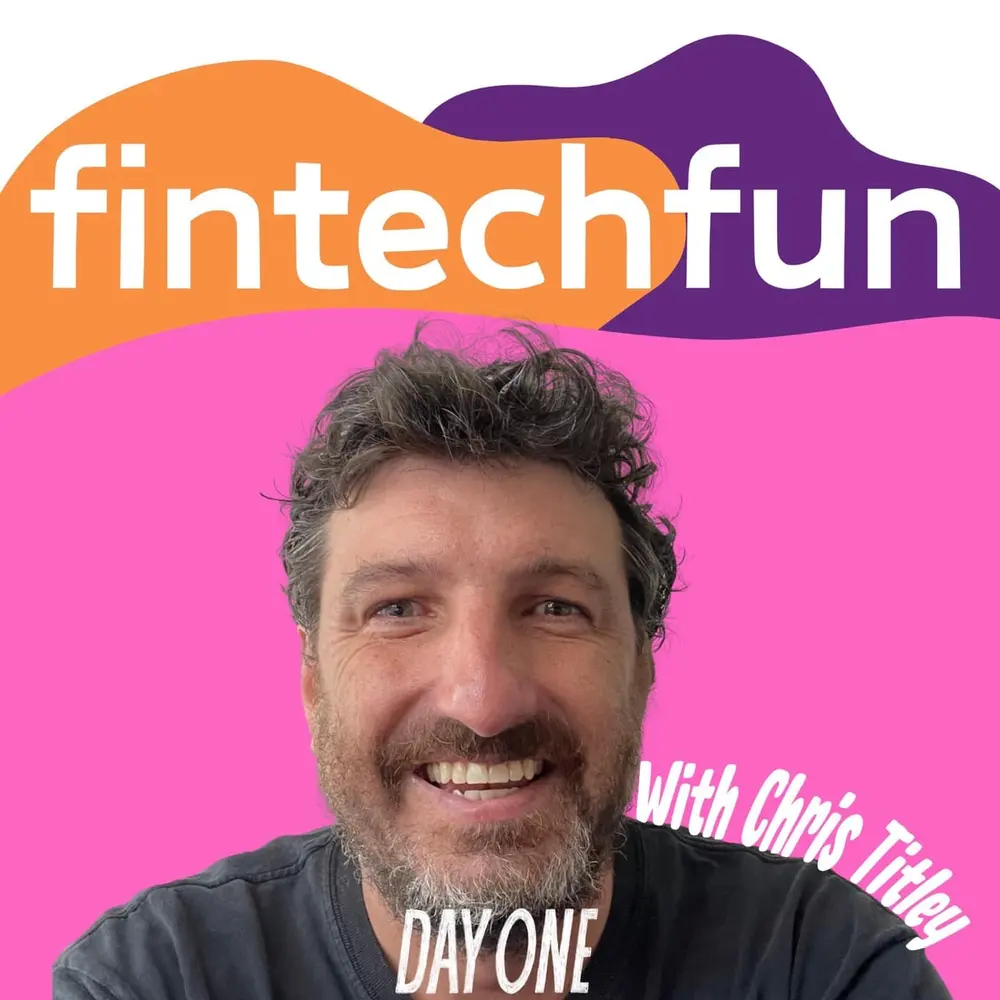
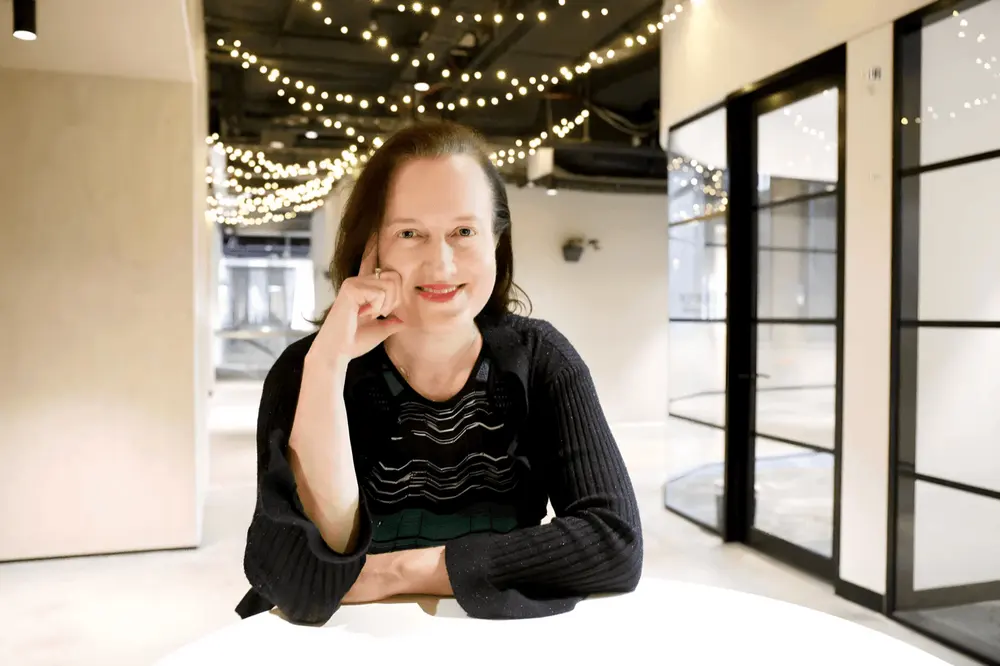
Transcript Synced · select any line to jump ▾ 0:00 Speaker: You're listening to a Day One FM show. 0:07 Speaker: Pick My Brain is the podcast where founders pitch me their startup and I try to give them some useful advice so they can connect better with potential co-founders, investors, media, and of course, customers. My name's Alan Jones and I was a founder myself for about 15 years, and after that, an angel investor for another 15 years. So yeah, old. Some of my ventures have been successful and some failed disastrously, But I like to think I've learned a thing or two along the way, and maybe some of that can help you. So if you'd like to learn how to tweak your pitch, subscribe to the Pick My Brain show now, wherever you like to listen to podcasts. 0:42 Chris Titley: If you're building a SaaS business, achieving compliance with SOC 2, ISO 27001, or other in-demand frameworks can unlock major growth for your company and establish customer trust. However, this process is often time-intensive and very costly. Vanta automates up to 90% compliance, getting you audit-ready quickly and saving up to 85% of associated costs. And Vanta scales with your business with a market-leading trust management platform to help you continually monitor compliance, unify risk management, and streamline security reviews. Join 7,000 global companies like Atlassian and Dovetail that use Vanta to build trust and prove security in real time. My listeners get 10% off Vanta when they go to vanta.com/fun. That's vanta.com/fun. Hi, I'm Chris Tittley, and this is FinTech Fun, the podcast where I speak with Australian fintech founders and executive management and have some fun along the way, gaining insights about the person behind the brand. FinTech Fun is part of Day One, the network dedicated to founders, operators and investors. So I'm joined by Linda Coker, co-founder of Cooperty. Linda, thanks so much for being part of this podcast series. 1:58 Lynda Coker: Thanks, Chris, for having me on. 1:59 Chris Titley: And great to— 2:00 Lynda Coker: Always up for a bit of fintech fun. 2:02 Chris Titley: Yeah, it's great to see you again. We've hung out many times in Sydney. This one is a virtual call, but now, you know, I followed your career a little bit, but do you wanna give listeners a little bit of understanding about your background and this new venture of yours? 2:14 Lynda Coker: Sure. Well, I feel like I've probably gone about the journey a bit back to front. So my first time as a founder, but I've been playing around in startup land for maybe 6, 7 years now. I've sort of been an employee in a startup, you know, on the board of a startup. I've invested in startups, but I've never really done the founding. 2:33 Chris Titley: Now it's your turn. 2:35 Lynda Coker: So it is a little bit different once you are actually doing it for real yourself, you know, from scratch. But my background before that was sort of, you know, very corporate. Corporate, qualified as a chartered accountant, worked for EY for a long time, spent a long time in the UK, mainly in financial services though. So all my clients were banks, insurers, asset managers, and I was typically working, you know, in corporate finance. So I was kind of there, you know, during the whole banking crisis and a lot of that was sort of restructuring things rather than buying things and selling things. But yeah, no, I've been back in Australia now for, oh my God, it's a little over 10 years. 10 years. Now. So, um, yeah, I came back with EY, I worked with them here, and then I decided I really wanted to do something different. Uh, took a bit of a sabbatical, went traveling, and then, you know, kind of started immersing myself, um, in the startup ecosystem. And that was when Stone and Chalk started, uh, you know, getting going. And yeah, I'd been involved, um, in a government inquiry before that, and I knew Craig Dunn quite well. He was the chair of Stone and Chalk at the time. And yeah, so I just sort of started meeting a lot of startups and figuring out ways that I could work with them, help them, and and, you know, has been on a bit of a journey from there. 3:51 Chris Titley: There you go. I remember the stone and chalk days. I was actually talking on a podcast recently about the H2 Accelerator program back in 2015, I think it was, with Ben and Toby Heap. Yep. 4:03 Speaker: And— 4:04 Chris Titley: Yeah, yeah, H2. And they had Simply Wall Street and Spriggy and Edstart, and a lot of them sort of coming on to 10 years now, still around and still thriving. 4:14 Lynda Coker: Yeah, there's definitely some startups that I met at that time, you know, in the inaugural Stone Chalk, you know, in the old AMP building that are still going. There's obviously some that are not, but that is kind of the way it goes. But yeah, some great founders and it's really, you know, it's really good to see the whole ecosystem mature, do you know what I mean? In terms of angel investors and even the VC funds, you know, they have grown and the supporters, you know, the whole sort of, fabric, I think, has started, you know, it's matured. There's more to go, but it's matured quite a bit since then. 4:52 Chris Titley: And then taking your corporate background and immersing yourself in the startup world and sort of a bit faster and more dynamic, and then leading us here into 2024 into your own venture, can you talk about the thinking behind Quoperty and then how it began and how's it going? 5:08 Lynda Coker: Yeah, so, I feel like it's definitely the right time for me personally, but also in terms of the venture and what we're building. So, Cooperty, if I explain a little bit about what it is, we make co-ownership easy and we see co-ownership as a real, well, it's not the only solution, but we see it as a solution to address housing affordability. 5:34 Chris Titley: Mm-hmm. 5:34 Lynda Coker: So, my co-founder, Liz Rusche, who I actually met when I was at Vault Bank, she was also at a point in her career as well I'd spent a little bit of time before starting this venture with Liz at 1835i as well, which is ANZ's corporate innovation lab, and looking at home ownership. So I felt like, okay, I've had this bit of time looking in this space. I've come out of there really looking as to what do I do next, have kind of having discussions with a lot of people, connected with Liz who had also been thinking about this. Yeah. And it just seemed the right time to do something. So, that was last year and we spent quite a bit of time talking to a lot of people and trying to validate where we start, which has really only culminated in launching really in the last few weeks. 6:25 Chris Titley: Fantastic. And the idea around co-ownership versus sort of the traditional ownership, can you give the listeners out there a little bit of a 101 on what the difference is? 6:35 Lynda Coker: So co-ownership is, you know, obviously when two or more people own a property, a residential property together, and they are on title as owners. And we very much support the concept of tenants in common versus joint tenants. So joint tenants is when you own a property jointly with another person, whereas tenants in common is where you can have more than two people and you don't own it jointly. You can have uneven, fractions. Right. And the other different concept is there's no survivorship. So, i.e., your fraction that you own of the property is actually yours to sell, to bequeath in a will or an estate. So what sort of happens, you know, sorry to be morbid, but what happens in joint tenancy if someone passes away, you know, it passes to your joint tenant or the other person. So we see it as actually, you know, really quite the right thing for, for example, people, it's not our target market to start with, but you know, people later in life when they get together and they, they, they co-buy a property, they may want to actually pass that share of the house to their children. So, you know, there's, there's estate protection advantages of buying something tenants in common. 7:56 Chris Titley: Is this something which you've sort of identified from overseas and, and looked at the, the way that it has worked in, in other countries, or is this something which you think, well, actually, why hasn't this happened? Let's go and do it. 8:06 Lynda Coker: So Tenants in Common has been around like for a long time and it also does exist in other countries, typically the Commonwealth countries. So it's a legal framework that's always been there. I just feel like it's never been very well understood. It's not been digitised and it's time to sort of empower it and bring it to life, particularly given the housing crisis that we're in. And you know, the unfortunate reality is that most people can't afford to buy a house by themselves. Yeah, and even, you know, it's funny, I've spoken to people that, you know, got married 30 years ago. And mind you, this particular person was a lawyer, but they got married, they, sorry, they got married, they're now divorced, but they bought tenants in common. And I asked her, would she reflect to do it the same? She goes, "Absolutely." Yeah. So it's a concept that's been around for a long time. We feel that given the crisis, there's a lot of different use cases where co-ownership works, not just in terms of the affordability lens. The target market that we are focused on in terms of our MVP is really two market segments. So one, those cohorts of people that, you know, either are flatmates, friends, family, they want to buy a house, they want to buy it together, they want to pool resources and share costs and get on the ladder. And then the other target market is parents who are wanting to help their children. 9:31 Chris Titley: Oh yes, yep. Buy a house. Okay, that makes sense. 9:33 Lynda Coker: You know, we feel that there are definitely certain scenarios, not all scenarios, but there's definitely scenarios where it's a better way to help your children children and actually help yourself, um, or selves, is, um, not gifting the money and co-owning the property. It's not a gift. Do you know what I mean? It's, um, you get to participate in the asset growth. If your kids get flatmates, you get to participate in a potential rental return. And also, um, you know, you have a contract in place where actually everyone's, um, responsible for their own ownership costs in accordance with how much they own of the house. But equally, and it's funny, this has come up a couple of times, is that parents are often concerned if their kids have partnered up with someone and that doesn't work out, they've gifted this money and what's happened to that. 10:23 Chris Titley: So actually— Yeah, no, that makes again a bit of sense of things that can happen. 10:28 Lynda Coker: You are actually owning that, right? So— 10:31 Chris Titley: And then from that model, let's talk about potential parents for their children. Can it be as as little or sort of equally as like 95% one party and 5% the other, and then over time potentially buy it back? Or is it quite complicated to sort of exit or increase or decrease your stake? 10:50 Lynda Coker: Well, what we sort of, and we don't actually provide financial advice. We always recommend people get their own financial advice, which is why we're actually partnering with financial advisors. It really depends on your own financial situation and tax position and how much you were going to sort of gift the children to start with, or you can afford to gift them. But you absolutely should have an exit plan, and it will also depend on the lending product available. There are definitely some lenders which actually only, you know, want a minimum fraction of 30%. 11:28 Chris Titley: Gotcha. Right? 11:29 Speaker: Okay. 11:29 Chris Titley: Yep. 11:29 Lynda Coker: There are others that are happy to approve exceptions and have lower, but I think it's always very dependent on the position of the parents and how much they can actually afford to be gifting— oh, sorry, be contributing. 11:43 Speaker: Yes. 11:44 Lynda Coker: Not gifting, but also, you know, what's right for them in terms of their retirement plans, et cetera. So, and having an exit plan is important, and that's what we actually contemplate in our co-ownership agreement that we provide as part of the platform. 12:00 Chris Titley: One question before we get onto the future. You mentioned that you've sort of gone live now a couple of weeks ago. How was that and how did everything go? 12:10 Lynda Coker: Thank you. Yeah, look, it was a long time sort of just kind of ideating and then obviously building and then launching. We've had a lot of great engagement actually. So we're in beta, we're learning in terms of sort of the, like the customers that we've been bringing on board. But what we are learning is we absolutely really value the partners that we've engaged with and mortgage brokers is a very, a very important channel for us. It's a primary channel for us. So, and their feedback, because they're at the coalface having these conversations, you know, people before they start looking for a property have a conversation around what can I afford? And just really learning from them in terms of what are the obstacles and challenges in terms of putting financing in place. So yeah, no, we are working very well with our partners in that regard and wanna learn and try and help them as well as sort of, our own solution and what it's trying to solve. So no, it's been going really great and I'm really, really happy in terms of where we are. There's a lot more that we want to build and even in terms of other partner channels to expand out, but we want to use this phase to really sort of test and learn. 13:27 Chris Titley: And then talking about the future, have you got any short, are you a short-term goal person, medium-term, big hairy audacious goals? Is there something which you'd like to achieve in the, in the near term? 13:37 Lynda Coker: Look, we, we want to take this to market. It's a big problem. We do have a roadmap and it's very phased. So we have— we think there's a lot of other use cases other than just, you know, younger cohorts of related parties and the bank of mum and dad. We want to sort of roll out our MVP to other use cases where it works. I mentioned the later in life coupling, but there's so deceased estates, granny flats, they're not on separate title, divorce. There's lots of other, you know, there's lots of other things where co-ownership is a result of a situation or it's needed in a situation where I think what we've built works for that, but that's not our initial focus. 'Cause we feel like the demand is so much more heightened in those first two use cases. So we want to roll out our MVP to those other use cases. We want to continue to engage and advocate with government. 14:31 Speaker: Mm-hmm. 14:33 Lynda Coker: I would say that we want to start building in, you know, new features, and we see our MVP evolving to, you know, a number of different, um, solutions, uh, in terms of, you know, helping people manage their ownership costs and financial position. We want to white label what we've built to brokers, property agents, financial advisors, um, and we also sort of essentially have a, you know, a big kind of bold ambition to, um, to either partner or build a fractional loan product. That's the big headline. 15:08 Chris Titley: There you go. Excellent. Thank you for sharing that. Now, Linda, you're now a startup co-founder, and obviously it's full throttle ahead with all these different types of products and also customers. Do you get a chance to switch off? And if you do, what's the secret hobby that not many people know about you? 15:28 Lynda Coker: There hasn't been much of a chance to switch off recently. But, well, I think most people that know me, I'm a pretty social person. Yeah, look, I haven't had a chance to travel recently, but that's definitely on the agenda for later in the year. One thing most people might not know about me is that I'm actually a pianist. So, I actually really want to get back into music. 15:48 Chris Titley: Ah, I didn't know that about you either. I've had multiple social gatherings with you, Linda, over time, and I didn't know you were good on the piano. 15:58 Lynda Coker: Oh, I used to actually teach piano when I was at university. It was sort of my— I sort of realized I could earn more money kind of teaching beginners than, you know, working working in the local shopping mall or whatever. And I had done all my exams, etc. But, you know, I have— I'm trying to get back into it, not in terms of like composing or anything, but actually just, you know, playing. 16:22 Speaker: Like, it's— Yeah. 16:23 Lynda Coker: So I try to make time for that. And I actually do think that that's quite a nice way to switch off too. 16:28 Chris Titley: Do you have a piano? 16:28 Speaker: There you go. 16:29 Lynda Coker: Yes, yes. Well, I have an electronic keyboard, which has kind of like— like it's a full piano-length keyboard. So yes, my apartment doesn't fit a piano. 16:40 Chris Titley: Do you have a favorite sort of tune, or is there something which like you're in a sort of a really sort of tired mood that you'd play, or a happy mood you'd play? Is there something, one of your favorite pieces? 16:51 Lynda Coker: Oh, I kind of play a mix of things. Like I actually really do like classical and the old stuff, but I do like, and by classical I mean some of the contemporary stuff, like I'm very kind of dissonant sort of person, like Kofi Offenbach and all that kind of stuff. But actually I like playing just modern things too for fun. So you know what, Chris, hit me up next social winter gathering. Yeah. If the piano went through, I'll— 17:13 Chris Titley: Done. That sounds like a plan. One final question. You did mention that you did take a year off and you traveled and you might want to get away later on this year. If you had one destination that you had to go to and you kind of had unlimited money, where would it be? 17:26 Lynda Coker: Oh, do you know what? I had a great year off. I kind of, I did really go ballistic on that year off and I felt like I ticked ticked a lot off the bucket list. But, you know, one place I did actually— sorry, I'm a bit of a queen of the sabbaticals. I did a year off before that year off in coming to, um, to back to Australia, and I sort of did a year in South America and Central America. But one place I missed off because I ran out of time and I would love to go back to is the Galápagos. Um, not that Ecuador is probably a good place to go at the moment, but, um, I did miss— I did miss out on going to the Galápagos. So that's always been on my list. Plus, I would just love to go back to, uh, that part of the world anyway. The Practice my, yeah, practice my very, very limited kindergarten Spanish that I did pick up at the time. 18:13 Chris Titley: Ah, there you go. You might do a part-time job teaching Spanish and teaching piano. 18:17 Lynda Coker: Exactly. 18:19 Chris Titley: Thank you so much for coming on the podcast today and giving us a bit of an understanding about your background. Also, the launch of the startup Quoperty, which is fantastic, and also some future plans and some secrets that other people may not have known about you. Always enjoy catching up with you, Linda, and looking forward to catching up again in person. And all the best for Cropperty. 18:41 Lynda Coker: Thank you so much, Chris. Thanks for, thanks for having me on. It's always fun to chat to you too. 18:47 Speaker: Listen to the Unfunded Podcast, brought to you by the Day One Network and hosted by me, tech writer Joan Westenberg. We're sharing the no-holds-barred untold stories from entrepreneurs who have decided to build a business on their terms. I'll be interviewing successful founders and operators on the grit and ingenuity it takes to build and scale independent startups without the support of traditional venture capital funding. Subscribe to the Unfunded Podcast now, wherever you get your podcasts.