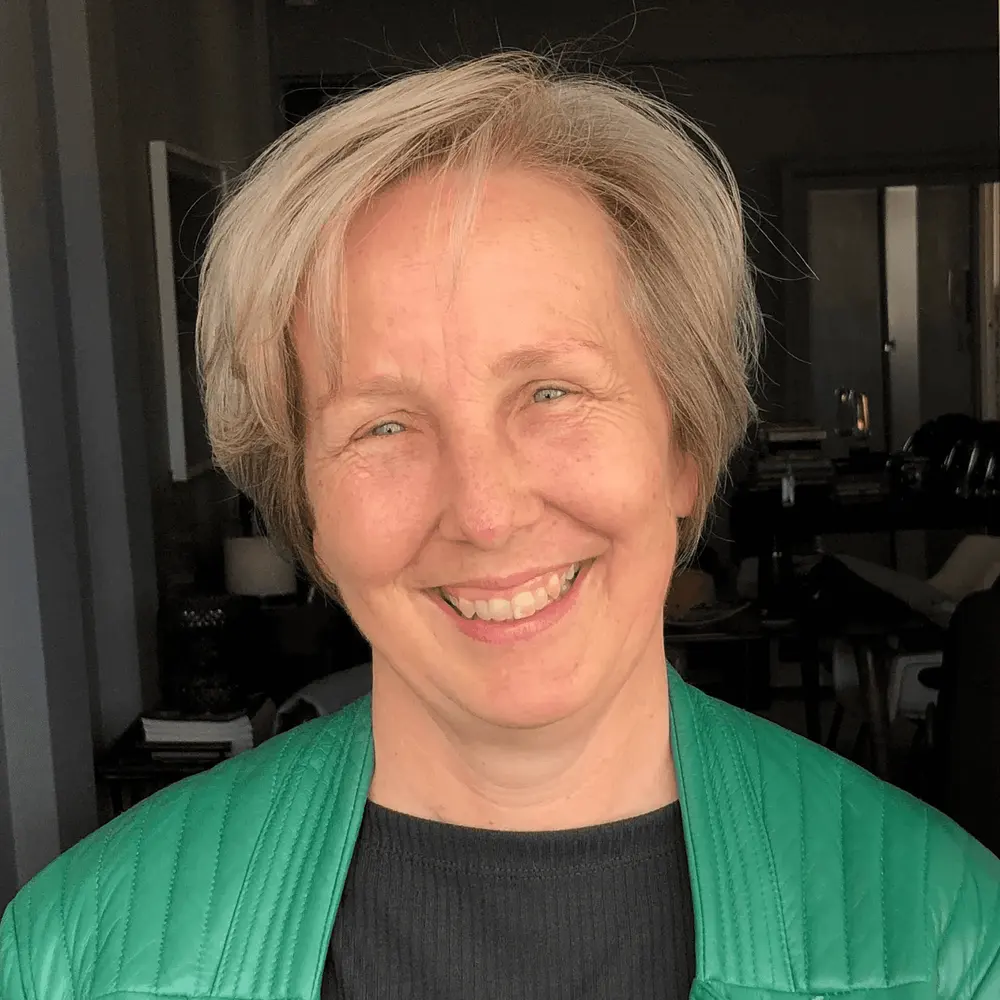
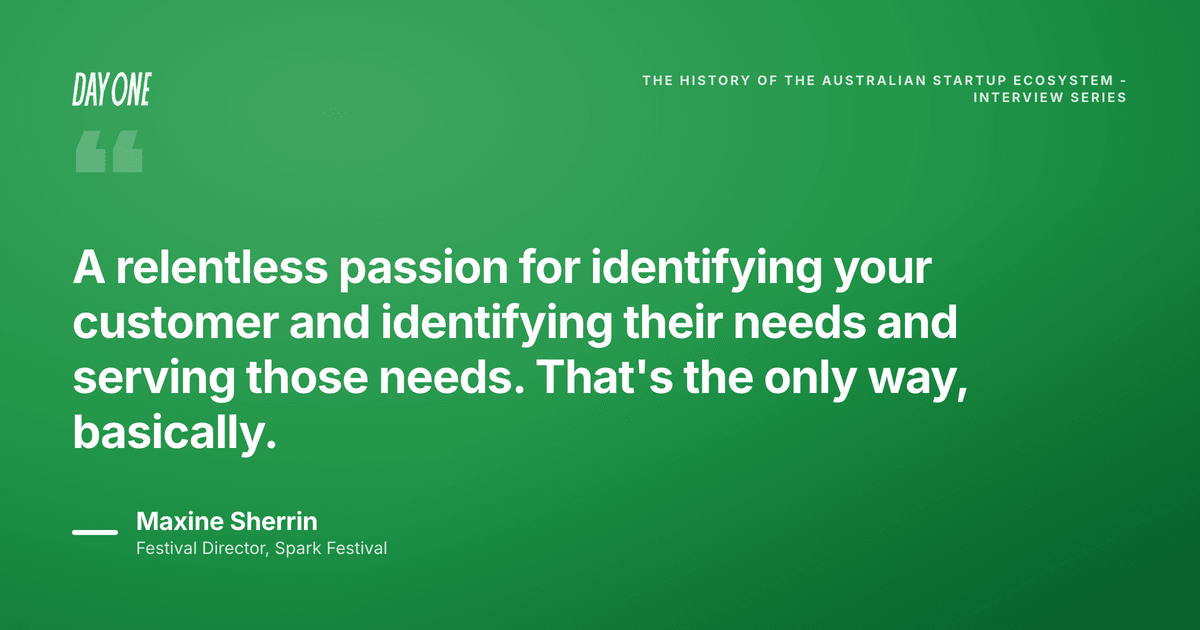
Transcript Synced · select any line to jump ▾ 0:00 Speaker: Let me tell you about our partner, Teamified. If you need to build a top-notch team quickly, Teamified is your go-to solution. They not only provide fractional CTOs, they can also do contractors and even remote team members tailored exactly to your needs. And whether you're looking for expertise in the Philippines, India, or Sri Lanka, Teamified has you covered. What's amazing is that Teamified uses a blend of AI and human expertise to cut hiring times by 50%, cent. Their platform handles everything from automated onboarding to day-to-day management and even performance tracking. You can also handle rewards and recognition, buy equipment, and order training all through their platform. Simplify your hiring process and get the best talent fast with Teamified. Check them out now and transform your team. Go to dayone.fm/teamified. That's dayone.fm/teamified. T-E-A-M-I-F-I-E-D, and get started today. Hi, I'm Adam Spencer, founder of the Day One Network, which is bringing the history of the Australian startup ecosystem to you. I believe in founders. It's why I do everything I do at Day One and our media company, W2D1 Media. And that's why the Day One Network exists, to create helpful content for founders. We've got some great shows in development. But a large part of what we do couldn't be done without support from our partners and sponsors. And I couldn't be happier than to be working with NTP, who get community better than any other technology recruitment company out there. A Newcastle company like mine, NTP are invested in seeing the growth of the local tech community in Newcastle, Sydney, and more broadly Australia. So thank you NTP for helping us bring— Thank you. Helpful content to founders and the startup community in Australia. Back to the interview. Hi, I'm Adam Spencer, founder of the Day One Network, which is bringing the history of the Australian startup ecosystem to you. I believe in founders. It's why I do everything I do at Day One and our media company, W2D1 Media. And that's why the Day One Network exists, to create helpful content for founders. We've got some great shows in development. But a large part of what we do couldn't be done without support from our partners and sponsors. And I couldn't be happier than to be working with NTP, who get community better than any other technology recruitment company out there. A Newcastle company like mine, NTP are invested in seeing the growth of the local tech community in Newcastle, Sydney, and more broadly Australia. So thank you NTP for helping us bring helpful content to founders and the startup community in Australia. Back to the interview. Hi, I'm Adam Spencer and welcome to Day One, the podcast that spotlights Australian startups, founders, and the organizations that empower Australian entrepreneurship. We go back to the beginning to tell a story of Australia's most inspiring founders and how they built their companies. You're listening to a special interview series as part of a documentary W2D1 is producing about the history of the Australian startup ecosystem. On the episode today, we have— 3:18 Maxine Sherrin: Hi, I'm Maxine Sherren, and I'm Program Director of Spark Festival. Spark Festival is Australia's largest event for startups, innovators, and entrepreneurs. We started off being a Sydney-based activity in about 2016, but since then, and in particular thanks to COVID in 2020, we've taken a a lot of our events online, as will happen this year as well. And that's had the massive benefit of being an Australia-wide event, both in terms of the people who present on the Spark Festival program and the, most importantly, the people who can tune in and catch all the benefits of this terrific program. 3:57 Speaker: Just as a follow-up question to that, you were talking about how much work it is to run it and how many people you've gotta organize. Why do you do it? 4:07 Maxine Sherrin: Why do I do it? That's an excellent question. Look, it's the people you meet along the way, you know, and whether that's actually the people who are running— like, I meet, first of all, I meet a lot of the people who are running programs like accelerators and incubators and coworking spaces and all the other support for the startup ecosystem, and they're really interesting and passionate about the community as well. But I really loved a lot of the founders that you meet. Even the somewhat crazy young ones who've got all these amazing world-changing ideas. Their level of belief and commitment to those ideas I find extremely inspirational. So that's why I do it, you know, to help empower those people, give them a platform, and also to connect them together. That's a very rewarding thing to do in and of itself. 5:00 Speaker: Was getting involved with Spark Festival your first introduction to the startup world, or had you been involved before that? 5:09 Maxine Sherrin: No, not really. Meaning I had been involved before, but yeah, it had been a while before. So what happened was back in 2004, myself and my co-founder, John Alsop, started an event that was called Web Directions. Now, Web Directions was Australia's first event for web designers and developers, which starting in 2004, there was so much untapped demand for this kind of thing. So it was almost like instant success, basically. And we ran that. John, in fact, still runs that. And it's changed in all these incredible ways and morphed with the times that have happened. But I was involved in that for about 10 years, I think. 5:48 Speaker: Yeah. 5:48 Maxine Sherrin: And I was actually just jogging my memory before we spoke just now, and it was back in 2012, we ran a startup track as part of our conference that year. And we had people, invited people along, like Rebecca Campbell was there, and Avis Mulhall spoke, Mike Cannon-Brookes, and Lainey from SightPoint was there as well. And then we had a couple of internationals as well. We had Derek Powiszek and Heather Champ, who'd been involved in the early 3 days at Flickr, which was still a big deal at that time. We had the BugHerd guys there, who I was just seeing their conference session that year was the incubator experience because they'd actually been through Y Combinator and come back. So yeah, that was my first brush with it, but it was interesting because at that time we saw it as being just this, you know, an element of where you might go in your career if you come from a background of being a web designer or a developer. Mm-hmm. My how things changed in the next 5 or 6 years. So I ended up finishing up at Web Directions in 2014, and I was lucky enough to be in a position to take a, well, it turned into an 18-month sabbatical. It was going to be 2 years. And yeah, at the end of that 18 months, I met someone who introduced me to Alex Scandura from Stone Chalk, and they'd just started, they'd done a startup week the previous year in Sydney in 2015, and they wanted to sort of do their own thing with something like this, and that's how Spark Festival was born. And I must admit, at that time, yeah, I knew very little about the Sydney startup scene, and I, I didn't really think it was such a thing. But as soon as I started investigating, you know, I found out that Sidestart had been running for a couple of years at that stage, and all that, you know, we'd started our own incubators and accelerators. Stone Chalk was very much a thing by 2015. 2015. And yeah, it's just grown and grown from that time, you know. 7:52 Speaker: Who was behind SydStart? 7:55 Maxine Sherrin: So SydStart became StartCon. So what happened was that was— SydStart was an event that Pete Cooper ran in— I was actually talking to John from Web Directions about this just before we spoke. I think it must have been 2013 or '14 that Pete would have done that for the first time. And I think he did it every year, including 2015. And then he, I'm not sure what the commercial arrangement was, but he sold it to Matt Barry from Freelancer. 8:27 Speaker: Oh, right. 8:28 Maxine Sherrin: So the first StartCon was in 2016, the same year as the first, um, Spark Festival, in fact. 8:36 Speaker: 2012 seems to be the year where a lot of people, you know, references as, when things really started to get going. Back in 2004, did you have any idea of the startup, any kind of early musterings, I guess, of the startup ecosystem? 8:54 Maxine Sherrin: Hmm, I don't think we really did in 2004. I mean, John and I had actually already had our own, you know, I'm not gonna call it a startup, it was an online business in the '90s. We wrote software, or shareware as it was called back in those days, that you could sell online. And this was software that you used to create, to build web pages basically. It was a stylesheet editor called Stylemaster. And digging back, I'd say we launched that in about 1998 or something like that. And we were actively selling it online. Our first editions, we were selling them literally sending floppy disks to people in the mail. That's how old I am. 9:38 Speaker: Hahaha. 9:40 Maxine Sherrin: But then we found out, you know, there were things like 2Cows where you uploaded the limited version of your software and people downloaded it and then it expired after 30 days and hopefully they paid you $30 or whatever it was. And we actually had a nice little business doing that by about 2004, but we definitely did not identify as startups. Like, we, I guess we saw ourselves as an SME who were very, very independent in a way, and that's what we loved about it. And that's also what Web Directions came out of because developing a stylesheet editor We were obviously into all the massive changes that were happening in web design and development at that time. We got to know so many— I know it sounds weird now, but there were so many sort of rock star developers at that time. We got to know them, and they were the people who we got to speak at our conference. That would get people signing up in their droves to hear from people like Doug Bowman and Dave Shea and Jeffrey Zeldman, who are no longer very famous anymore, but they were dead famous back in 2004. Yeah. In 2004 and 2005. 10:43 Speaker: So jumping forward to around that 2012 time, what did the landscape look like? Were you aware of the community? How big was the community then? 10:53 Maxine Sherrin: Yeah, look, I was aware of startups being a thing and that various of my friends, like I actually knew Cameron Adams from Canva. He already actually started a startup out of our Web Directions office. That got to a TechCrunch announcement and then quickly folded sometime after that. So, and then I also had some close friends who also worked out of our office who'd started some sort of Minecraft startup back then, and then they'd gone to Y Combinator and moved to San Francisco. But there wasn't this sense of community, especially not in Sydney. I definitely did see what happened with my mates who moved over to San Francisco and did Y Combinator. Suddenly they were, like it was all about the community and the people they were working with. And there was a pretty stark difference at that time between your experience in San Francisco and your experience in Sydney. There probably still is, but I think Sydney would now have its, or Australia would have its compensations as well. 11:54 Speaker: What would be the obvious kind of differences that you would point out between those two experiences, Silicon Valley and Australia? 12:01 Maxine Sherrin: There just wasn't really a community at that time. You would have been very much on your own, really. How did you even meet other startups? I know there were other accelerator programs that had started. I'm not sure the year, but I know Muru-D would have been around for a while then, and I know Remarkable would have been around. Well, I think Remarkable might have started in about 2011, 2012. They've been around for quite a long time as well. But even those organizations were relatively disparate from each other. They were just off in their own little silo doing their own thing, not necessarily creating this sort of meta community in a way. 12:44 Speaker: Just a side question, 'cause I know you are very well connected. Do you know about this idea or whatever that you wanna call it of the Aussie Mafia? 12:56 Maxine Sherrin: My understanding would be it'd be a loose network of, you know, like Australians, like every country, when they go anywhere they form an enclave to an extent, right? It's like any immigrant community at the end of the day. You find each other, you find those people who've got, who share your sense of humor and your worldview, and you know, you help each other out. And I don't have personal experience of it, but it doesn't surprise me at all that there would be such a thing as an Aussie Mafia in San Francisco and I'm sure it is, it's actually a very useful thing, especially if you can get into it when you first arrive there to sort of find your way around, meet the right people and all that kind of stuff. 13:34 Speaker: What are some of the biggest gaps that you've seen like over time and maybe even today? 13:39 Maxine Sherrin: It's a cliché, early stage investment in startups in Australia, like the money's just not there. And we haven't yet developed that virtuous cycle that they might have in other places, whereby you've got people who are the early employees of startups that go on to become incredibly successful, the dream being to IPO. And then those people exit from that IPO with bucketloads of cash, and perhaps more importantly, they have that experience of having been on the team of a very early-stage, high-growth business. And so these people are perfectly placed, first of all, to invest, you know, their money that they've made in up-and-coming startups, but also to invest that incredible expertise and experience that they've gained in these up-and-coming startups. And I don't really understand deeply the reason why, but it just hasn't— Mm-hmm. Started happening here in Australia. I'm not saying it doesn't happen at all, obviously, because there will be plenty of examples of it happening, but it's not happening at scale yet. That's what I see as one of the big gaps here. 14:52 Speaker: Switching gears a bit to be a little more positive, what do you think we're doing as a community really well, and what do you think makes the Australian ecosystem unique? 15:03 Maxine Sherrin: Yeah, okay, I think we're pretty good as a community in a sense, you know? Like, it always warms my heart how much people are willing to get behind Spark Festival, for example, and that is, at the end of the day, a community-building exercise. So I think we are really good at that. We're good at setting aside our competitiveness to a degree and then working on something that is gonna, you know, that rising tide that's gonna lift all the boats. That would be one of the main things I would see, and it probably does make us a little bit unique. Maybe it's got to do with our size in a way, that at this size of ecosystem you've got to be like that. 15:45 Speaker: Do you think we're on the right track, and if not, what do you think we need to improve on? 15:49 Maxine Sherrin: Gosh, first of all, we need more money in the system, as discussed just previously. What else do we need to improve on? That's a hard one in a way. You know, it's easy to say we need more support from the government, But what does that support? What form does that support actually take? Because I'm not sure that throwing cash at accelerators and incubators is the right way to go about that, which is what's been done in the past. I think maybe it's two-pronged. One is this whole procurement thing from government. I do believe in the power of that. If— and, you know, there's a lot of work being done on that, both at state and federal government at the moment. So that could be a really big change for lots of startups. Yeah. And SMEs looking to provide goods and services to government. 16:37 Speaker: Just out of curiosity, this isn't a question I have written down, but do you have a vision for where you'd like to see Sparkfest in the next 10 years? What's the ultimate goal of Sparkfest? 16:51 Maxine Sherrin: Yeah, totally. The ultimate goal of Sparkfest, you know how in Sydney we have We have Sydney Festival, which is arts and culture. We have Vivid, which is light, music, and ideas. I'd like to see Spark Festival on an equal footing with that as a festival of innovation and entrepreneurship, new businesses for the 21st century, you know, a kind of celebration of the new economy. But I'd also like it to be an Australia-wide thing that, that, that's just as big in Brisbane as it is in Sydney, Melbourne, Perth, Adelaide and everywhere, so it's something that everyone feels they've got an involvement in. And in terms of what it actually looks like, my dream would be that SPARK Festival could look a lot like South by Southwest in Austin. 17:37 Speaker: Yeah. 17:38 Maxine Sherrin: Which I'm not really sure if you're familiar with that event, but it's massive and it's such an incredible sort of coming together of all the different tribes who are involved in what they call interactive, which I don't know what that even means anymore. But you know, it really brings that city to life, right? Like all the bars and restaurants get involved in hosting events and all the local businesses run their own sideshow events as well as this. The conference talks themselves are a bit of a— they're the bit that a lot of people don't even bother to go and see. It's all just about being there at that time. And I do believe we have the capacity to do something like that for ourselves in Australia. We just need someone to get behind it a little bit. 18:22 Speaker: What role does, in general, festivals play? Like, how do festivals help move the needle? 18:28 Maxine Sherrin: Yeah, you know, it's always a really valid question. Two prongs, in a way. One sounds like the more boring one, but it's an opportunity for people to share knowledge in that way that, you know, is different. You can watch a million YouTube videos, you can read a million articles on Y Combinator, but there's something very valuable about hearing the story of someone who you can really relate to, who you can go up and ask a few questions of afterwards. And then secondly, and it ties to that, is just that networking thing, like the connections that get made. Spark's a little bit different in a way. Firstly, it is obviously in the audience that you go along to something like that, and you talk to someone who sits next to you, you talk to someone who presented, and then next minute you're working on something together. But because Spark has so many people involved in it as well, in terms of delivering the program, and I create all these opportunities for those people to connect, it's quite incredible the number of people who've met through Spark Festival. And then I find out about it years afterwards that they've gone on and, you know, "Oh, so-and-so, you know, she's my mentor that I met through your programming meetups," or they met co-founders or investors and all sorts of stuff. Yeah. That sort of has a life of its own outside what I understand, which is a really nice thing. 19:44 Speaker: I want to ask you the advice question. If a brand new founder come to you tomorrow, what one piece of advice would you tell them? What would you say that would slightly increase their chances of success? 19:55 Maxine Sherrin: Well, I'm gonna say this will massively increase their chances of success. Couple of things. First of all, I'm sure that everyone will answer this question in the same way, and say, I also hope that everyone actually listens to this question. It's just that thing of focusing on your customer, finding your customer and focusing on them, forgetting about your solution that you might have come up with that starts off as this great idea, but instead a relentless passion for identifying your customer and identifying their needs and serving those needs. So that, that's the only way, basically. And sadly, it's surprisingly rare and it's easy to lose touch with it as well. I get it. Yeah. 20:34 Speaker: What do you think defines a startup ecosystem? And part 2 to that is, what do you think defines it as a particularly strong ecosystem? 20:44 Maxine Sherrin: I guess it, to me it's something like a collection of organizations who are supporting startups, and what makes an ecosystem is that there is is connectivity between those organisations, right? So they're not operating fully independently and without knowledge of each other. In fact, they know about each other so they can— just to give the most trivial example, like when someone comes along to your accelerator and they're not right for you, you don't just say to them, "Go away." You say, "Have you considered these guys here?" And in a networked system you can do that, whereas when people aren't finding out about each other, then you don't have that knowledge, that startup probably doesn't have that knowledge, and they're 6 months behind before they finally find out that this might be a really good idea for them. 21:36 Speaker: And the last question I have is not really a question so much as this interview will be used as part of a documentary that we're putting together about the history of the Australian startup ecosystem. We hope this is going to be listened to by founders, people that run accelerator programs and any other programs government, VCs, angels, every, every actor that is in the ecosystem, we hope listens to this. What would you want them to hear? What's a really important thing that you would want to be part of the series that they would hear and take away? 22:06 Maxine Sherrin: I'd ask them to keep on focusing on giving back to that community on some level, or even to use the Brad Feld expression, which is to give first. Give first, right? It's something I've always— many people, I'm not the only one, but I'm passionate about creating that give first culture in Australia. And the give first culture is just that idea that you, you give with no expectation of reward. Like, obviously you don't give everything. Brad's actually really good at explaining what it means, that even if it means you set aside half a day of your week and that's the day that you will spend 15 minutes with any random person who wants to come and ask ask you questions, for example. But you do that with no mercenary expectation that something is going to come from it. So yeah, that would be it, to just develop and keep that give-first mentality here in Australia. 23:02 Speaker: I hope you enjoyed that interview. More interviews are on the way. Follow the podcast wherever you're listening right now. Stay tuned for more interviews with many, many more amazing people from the Australian startup ecosystem. Thanks for listening and see you next time. 23:18 Maxine Sherrin: Bye.