


S3 | E3 - Joel Little (Grammy-winning producer) on making Royals with Lorde, creative collaboration, and why startups are like hit songs

S3 | E3 - Joel Little (Grammy-winning producer) on making Royals with Lorde, creative collaboration, and why startups are like hit songs

S3 | E3 - Joel Little (Grammy-winning producer) on making Royals with Lorde, creative collaboration, and why startups are like hit songs

|

|

Show Host

Show Host

0:00/1:34

Also on

Also on

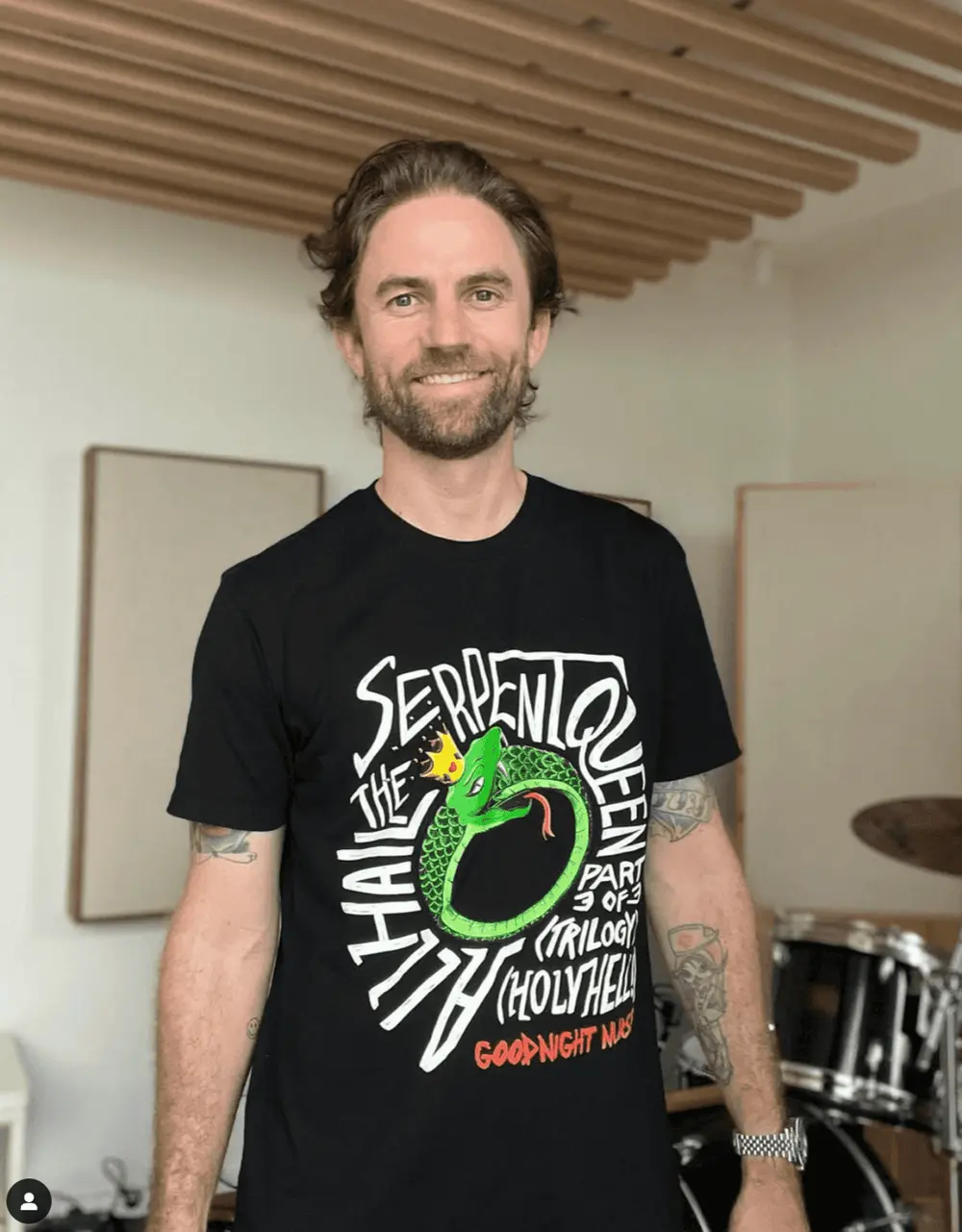
Joel Little is one of the world's top music producers, quietly shaping global hits behind the scenes - from co-writing Lorde’s breakthrough "Royals" to producing massive tracks for artists like Taylor Swift, Imagine Dragons, and Khalid. Despite Grammys, multi-platinum records, and billions of streams, Joel remains remarkably down-to-earth, bringing a uniquely Kiwi sensibility to Hollywood and beyond.

In this special live episode, Joel flips roles with early Trade Me engineer and investor Rowan Simpson, uncovering the striking similarities between creating hit songs and building startups. They dive into the art of discovering and shaping raw talent, how Kiwi humility can be a secret weapon (and sometimes a weakness), and the critical role that producers, mentors, and early supporters play in global success stories.

In today’s episode, we cover:

• Joel’s wild ride from recording Royals in two days to topping global charts, winning Grammys, and producing some of the decade’s biggest songs

• What music producers actually do, and why creative collaboration often feels like therapy

• Why Joel sold his song catalogue (and how that’s like a startup “exit”)

• The parallels between startups and music: from finding product-market fit, to pivoting when something’s not working, to knowing how to scale authentically

• How Kiwi humility can be both a superpower and a stumbling block on the world stage

• The backstory of Joel’s non-profit Big Fan, building studios and stages for the next generation of Kiwi artists

We also hear about Joel’s own personal growth, from musician in Goodnight Nurse to world-renowned producer, and Rowan’s perspective from the early days of Trade Me and Xero, reflecting on how creativity and business blend in unexpected ways.

Chapters

00:00 Intro
01:19 Meet Joel Little: Grammy-winning Kiwi producer behind Royals, Taylor Swift, Khalid, and more
03:07 What does a producer actually do? Joel breaks down his creative process
10:22 The making of Royals: how a song recorded in two days became a global hit
15:58 Life after Royals: from struggling musician to Grammy-winning producer
19:08 Working with global superstars: Imagine Dragons, Khalid, Taylor Swift
22:04 How Joel avoided the classic rockstar pitfalls (and stayed authentically Kiwi)
23:12 Why Kiwi humility is both Joel’s secret weapon and greatest challenge
28:00 Early days at Trade Me - Rowan shares his journey from scrappy startup to Kiwi tech icon
30:16 What Joel looks for in creative collaborators—and how startups can learn from his approach
42:12 Selling his catalogue: Joel’s version of a startup “exit”
46:30 Big Fan: Joel’s nonprofit building studios and stages for the next generation of artists

Resources

Joel Little’s Instagram: https://www.instagram.com/iamjoellittle
Big Fan – Joel’s nonprofit for emerging Kiwi artists: https://bigfan.co.nz
Royals by Lorde (Grammy-winning single produced by Joel Little): https://www.youtube.com/watch?v=nlcIKh6sBtc
Young Dumb & Broke by Khalid (Joel’s biggest streaming hit): https://www.youtube.com/watch?v=IPfJnp1guPc
Transcript

Joel Little 00:00 The first idea I had when I read her lyrics was, oh, she'd go, 'And we'll never be royals.' And then have a choir of you going 'royals' afterwards. And she was like, 'Oh yeah, that sounds okay.' And then we just recorded it. Over the course of...

Rowan Simpson 00:13 two days, that song. Two days, yeah. Wow. Number one in the US for nine weeks.

Rowan Simpson 00:18 Yeah. Was only number one in New Zealand for three weeks. Don't get too far into it. Classic Kiwis, yeah. Number one in Canada, UK, Spain, Sweden, Belgium, Ireland, like, it just is ridiculous. What's the role of a producer? Like, what do you actually do?

Joel Little 00:33 That's, uh, that's the million dollar question. Yeah, um, sometimes I don't really know.

David Booth 00:40 Welcome back to diaspora.nz Where we're on a mission to seek out and profile the hidden gems, the best founders, operators, researchers, and emerging leaders of the great Kiwi expat community. And today is something a little bit different. I've been excited to release this episode for some time, and it's going to require a little bit of backstory, so bear with me.

David Booth 00:59 In mid-2024, we sat down with Rowan Simpson, early trade me engineer, founding employee, turned top startup investor, to get his advice on planning the Blackbird Sunrise Festival for the end of 2024. He had this incredible idea. To profile one of the quiet ones. This idea that the founders of startups, rightly in most cases, get a lot of the credit for a given success.

David Booth 01:19 But behind the scenes, a lot of the impact is actually folks who are, you know, the early employees, the pivotal advisors, the early supporters who are so critical to building the The machine yet often get overlooked or underappreciated. Secondly, we had this idea that, you know, we wanted to explore the extended metaphor of building startups, becoming this creative act.

David Booth 01:37 You know, it's not dissimilar to the journey of an artist or a musician, for example, who emerges from obscurity to make it on the world stage. Now, if you drew a Venn diagram at the intersection of those two worlds would be Joel Little at the very, very top of our list. He's one of the quiet ones. He's a producer and songwriter on Lorde's hit Royals, scaling his Grammy award-winning career to working with Taylor Swift, Imagine Dragons, so many more, you wouldn't believe it.

David Booth 01:59 Because Joel is a definition of quietly shaping the global hits from behind the scenes. Today, I'm excited to bring the live recording of Rowan sitting down to interview Joel in Wellington, though, to be honest, Joel flips a script and interviews Rowan half the time as well, which is really part of what makes it so magic.

David Booth 02:16 They break down the striking parallels between music and startups, discovering raw talent, helping develop that early identity, the product into something that the market resonates with, to navigating the early chaos as you start to catch on, to see product market fit, to scale and stay true to your vision, your culture while scaling.

David Booth 02:35 Really double click down into the how the Kiwi culture scales and sometimes limits us around the world. Joel shares his journey from musician, to producer, to selling his catalogue, an exit event in, you know, the local lingo, and to launch what has now become a foundation for emerging Kiwi artists with Big Fan.

David Booth 02:54 Whether you're building a startup, whether you're making music, or just interested in Kiwi culture on a world stage, this is one for you. I won't waste any more time. Here is Rowan Simpson in conversation with Joel Little.

Rowan Simpson 03:07 I've got a million questions. Million things I want to ask you, but let's start with the myth of the lone genius, I think, um, in startups, the spotlights often shine on the founders. And I think that's true of a lot of the artists that Georgia just listed off then too. Um, but it always takes a team to create something great.

Rowan Simpson 03:26 Um, even if one name is always like attached to the work. So maybe you can start with that question. Like, what's the role of a producer? Like, what do you actually do? That's

Joel Little 03:38 the, that's the million dollar question. Yeah, um, sometimes I don't really know. It's um, I mean the, the, the producer's role is basically that they're in charge of the overall sound and feel of the song.

Joel Little 03:51 So the way that. They might, like for example, um, I Will Always Love You by Whitney Houston was originally a Dolly Parton song. Two very different versions of the same song. Two different producers have made it sound the way that they wanted it to sound. Right, the same chord.

Rowan Simpson 04:04 Yeah.

Joel Little 04:05 Underlying material. Same song, but very different sonics.

Joel Little 04:08 Um, so there's that. That's probably the main, um, role of a producer. But then there's also the, the psychological side, which is being encouraging, um, hopefully helping them figure out what it is that they want to say and how they want to say it. And often with some of the. The younger artists that I worked with, or artists at the beginning of their career, was helping them figure out what they wanted to sound like in the first place.

Joel Little 04:29 So you're a therapist? Honestly, some writing sessions do feel like that. Um, yeah, you just like go in and you kind of have to get to the core of what the person needs to write about that day, rather than just, you know, let's write a song about a breakup. It has to actually come from a genuine place, ideally, if it's going to be something

Rowan Simpson 04:46 good.

Rowan Simpson 04:46 Yeah, yeah, yeah. I mean, we're going to get to all of the stories of the great things that you've worked on, but maybe you can just. Drilling a little bit on that collaboration, like in the studio, like what exactly does that look like you're, you know, you're in a pretty confined space with someone pretty famous and working on things that are half formed.

Joel Little 05:07 Yeah. I mean, often it's working on like, it's starting completely from scratch too. So everybody's just showing up and there's, there isn't, sometimes someone will come in with a, with the start of an idea, like a, like a melody or a few chords or something, but often it's. Like, what are we going to, what should we make today?

Joel Little 05:23 And then it usually just starts with a conversation. And often there's like an hour at the start of a songwriting session where everyone's just chatting about what's been going on. You haven't even picked up the instruments. No, no, just kind of trying to, especially when it's. Someone that you haven't worked a lot with you have to get to know them a bit because there's a lot of trust involved with songwriting and and any creative endeavor.

Joel Little 05:44 So, um, yeah, it's trying to kind of get to the heart of, of how they're feeling and, um, and maybe get past the initial thing that they're like, Oh, I feel like I should write this type of song. And then like, yeah, but what type of song do you really need to write today? And

Rowan Simpson 06:00 let's do that. And so, um, yeah, we'll come, we'll come to that role of collaboration, how you pick.

Rowan Simpson 06:06 I mean, I'm, I'm honestly quite envious that you get to call yourself a producer. I feel like we haven't in startups found the equivalent sort of language. Cool words like that. Yeah. I mean, it's like you can say that and sort of people nod and go, Oh yeah, that's cool. Yeah. Um, I mean, I hate it when people ask me what I do.

Rowan Simpson 06:24 Yeah. Well, I, I

Joel Little 06:25 do want to know, um, because we've had, we've had a few conversations now and I know that you have obviously been a part of some incredibly successful things. But what do you actually do?

Rowan Simpson 06:39 Uh, it's a, it's a little awkward because there's some people I suspect in the crowd who I've worked with, so I can't kind of blag an answer like, um, but yeah, I mean it's, I've had a lot of different roles in these companies.

Rowan Simpson 06:51 Like I started at TradeMe as the engineer, I was writing software code. Um, right through to, um, you know, in, in the case of end and timely, I guess I was much closer to the therapist role that you were talking about at some points in, in, in those companies. And so. It's a, it's hard to pin it down, you know, I think if you ask my mom, I think she still thinks I just fix hard drives on computers or something like that.

Rowan Simpson 07:14 So you have the technical skill to do a lot of that stuff. That was my background, yeah, and I think that's what, that was my gateway into this, I mean, not dissimilar to you, right, you're a musician first before you were a producer. Oh yeah, for sure, yeah. Um, and yeah, I think that's, I think that's an important foundation, I think that's, that gives you something to build on.

Joel Little 07:31 So how did you discover the skill to like, be on the technical side to kind of become more the The Yoda in the room, um, helping people like figure out where they want it to go with things.

Rowan Simpson 07:41 Yeah, I mean that transition from being a, from being an operator, from being a doer to being an investor or advisor or what, what I am from now on going to call producer, um, for companies is, was, was a whole new skill.

Rowan Simpson 07:53 Like I, I don't think I was especially good at it to start with. Um, and I sort of had to learn what, what worked and what didn't work. And I'm sure that's true for you too, like not every great musician would be a great producer and not every great producer was a great musician, which is no slight on your guitar.

Joel Little 08:12 No, I'm not. So it's very true when it comes to me, but I, I, yeah, I didn't, um. I definitely didn't set out to be a producer. That was just something that similarly, I guess I kind of evolved into. And I started recording my own songs just out of necessity because I was writing so many and I didn't have anyone to record them for me.

Joel Little 08:30 Yeah. And then figured out over time that there was, there was a skill in there when it came to working with other people that I, that was, that I kind of had. And I just had to figure out how to, yeah, how to develop it and get good at it.

Rowan Simpson 08:42 That's cool. I mean, the last role I had at Trade Me was Head of product, I suppose.

Rowan Simpson 08:46 I'm not even sure if we would have used those words way back then. Um, and I, I think now I, I think of the companies that I work with as a product rather than the software that we're building. Like we're building up these companies, you know, but it's a lot of the same thinking that can apply to those situations.

Rowan Simpson 09:03 You sort of, um, you know, even, even just that, that mentality of thinking about the end user and. And working backwards from there to the technology, for example, applies just as much when the product is the company that you're trying to build up and maybe ultimately sell.

Joel Little 09:18 Yeah. So in, in your world, like often in the songwriting world.

Joel Little 09:23 Sometimes you don't know what, you might start out with something and be like, let's kind of do something in this sort of world, but by the end of the day, you've gone off on a tangent. You've just kind of followed, you know, where the inspiration took you.

Rowan Simpson 09:34 Yeah. So we do have a word for this and so it's called pivoting, which is, which is a word was shamelessly stolen from basketball.

Rowan Simpson 09:41 Yeah.

Joel Little 09:41 Yeah. I've heard a lot of words today that I, it's like a

Rowan Simpson 09:44 completely different language than the one that I normally speak, but um, okay. Pivoting. Yeah. There you go. So, I mean, the idea is you keep one foot planted like in basketball, netball, right? But, um, yeah, you can go off in a new direction after that.

Rowan Simpson 09:57 And if you're going to do that, probably better to do that sooner rather than later. Yeah. Before you spend too much VC money. Right. So, maybe let's, let's rewind to July 2012. Okay. Uh, turn your mind back when you worked on something pretty remarkable that became quite well known. I think there's actually a little sample maybe we can listen to.

Rowan Simpson 10:22 I've never seen a diamond in the flesh.

Rowan Simpson 10:27 Yeah. You recognize it?

Rowan Simpson 10:32 So, you're credited as a producer, but also a joint songwriter, actually. For that, songwriting credits. Um, with a then 15 year old called Alla. That people may have gotten to know a little since then.

Rowan Simpson 10:44 Yeah. Talk to us about how you met her, like, how did you start working together with a 15 year old? I know, it does seem a little sketchy.

Joel Little 10:53 Um, I, uh, so my, my now manager, um, his name is Ashley Page. He signed my band Goodnight Nurse back in the day. He was working at Warner Records at the time. And, uh, he had gone into, into management and, and independent label work.

Joel Little 11:14 And he had I had seen her, somehow all the record labels had seen Ella perform at some school talent show when she was like 12. I don't know how they've, I don't know how that happened. But anyway, he had been saying for a couple of years, there's this girl, she signed this development deal with Universal.

Joel Little 11:29 She's really good. She's 14. And I was just like, this seems so weird to me that I was like 28 at the time. Um, and I was also kind of new to the whole collaborating thing as well. I feel like I'd only ever really written songs with. Close friends, like other members of my band. Um, I'd done some of the Kids of 88 stuff at that point, but that was with, like, Sam, the singer from Kids of 88 was also a Goodnight Nurse.

Joel Little 11:54 He was a close friend. People I knew. Yeah, people I knew, and so I was just like. The whole collaborating thing is kind of scary, let alone with a 14, 15 by the time she came in, but when they were talking about it, she was 14 anyway. Um, yeah, it just seems, it seemed weird. But then, then, uh, he was like, he really should like, I just done a song for the band that won the rock quest that year.

Joel Little 12:19 Um, who ended up becoming broods. They were early incarnations of broods. Yeah, Nelson, yeah, yeah. Um, and so I think there was a little bit of, they'd noticed that I could work with younger artists and had a bit of a knack for that. Yeah. I had a little sister that was Ella's age. Right. Same age as her and so I think Yeah, she came in and kind of instantly I was just like, Oh, this kid is not, I mean, she's already seems way more mature and smarter than I ever will be.

Joel Little 12:46 She just had, had a way about her. Um, and so that kind of put my mind at ease. In that regard, um, and then, yeah, and then we just started like playing around with ideas. It was like, uh, we kind of had the luxury of, like, she would come in the, during the school holidays, or if it was like sports day at school, she'd take the day off and come to the studio.

Joel Little 13:05 So we kind of, over a period of months, would, she'd come into the studio and she was like, she would play me cool, like, remixes of things that she'd found on Hype Machine, which was a big website at the time, and, and I was playing her, like, old Snoop Dogg, and just, we were kind of like. Like, you know, trying to find out, trying to find the overlay, basically, and then every now and then we will kind of toy with an idea of a song and.

Joel Little 13:27 Um, and then one week we just were like, let's just make a song, let's make a different song every day. And let's just make it sound like some of our favorite artists. But each one will, like today we'll do one that sounds like Lana Del Rey. Tomorrow we'll do one that sounds like Grimes. We'll do one that sounds like James Blake.

Joel Little 13:41 And we were just like, just to try stuff. Um, cause she didn't really know what she wanted to sound like. I don't even think she knew if she really wanted to be a musician. She was like, I'm just giving it a try to see if it's gonna. If it feels right. Um, and that week we wrote a song on the last day. I was like, why don't we just make a song?

Joel Little 13:56 That's just only your voice like we'll make all the instrumentation out of your voice And it was a song that was called million dollar bills that um That was on her first ep and I ended up putting a beat into the song later on but On the day we were like, oh, there's something about this one that's really interesting.

Joel Little 14:11 It's, uh, it's kind of got this kind of pop hip hop thing, but it's also all about her voice. And that was when I was like, this is where the magic is because her voice is so unique. Um, and then the next time that she came into the studio after that, she'd sent me most of the lyrics to what became Royals.

Joel Little 14:30 And um, my only line, my only lyric in that song that I came up with is tigers on a gold leash. Yeah. She, she did all the rest of the lyrics, but she, but she, um, so thank you. It's a good one. It's all right.

Rowan Simpson 14:45 Um,

Joel Little 14:45 and, uh, yeah, so she came in and, um, And we talked a bit about kind of what we wanted to sound like.

Joel Little 14:52 I'm, I'd made, I think just on the spot made like basically the beat that you hear now because it's so minimal. Um, and then one of the things I always used to have to say to her is this is going to sound crap when I sing it. But when you sing it, it's going to be good. And the first idea that I had when I read her lyrics was, Oh, it should go and we'll never be Royals.

Joel Little 15:08 And then have a choir of you going Royals afterwards. And she was like, Oh yeah, that sounds okay. And then we just recorded it and. Over the course of two days, I mapped that song

Rowan Simpson 15:19 out, and then it was done. Amazing. So fast forward now a year, 12th of October, 2013, Royals is number one in the US Billboard charts.

Rowan Simpson 15:30 Yeah. Um, fun fact for the people as old as me in the room, Lorde was the youngest artist to have a U. S. number one since 1987. Tiffany, you remember that? Vaguely. You're a bit young. I remember it well. Um, what have you been doing for a year? Like, what do you do between those two days while you record this amazing piece of art and then a year before the rest of us realize that it's great?

Joel Little 15:58 I mean,

Joel Little 15:58 I was just, just still being like a broke musician, just like hustling. And I'd set up a studio, um, prior to, uh, meeting Ella. So I'd set up this little studio. I started doing music for TV commercials. And so, um, yeah, before that I had been in the band for years, but never made any money with that when I had a kid.

Joel Little 16:18 I was like, holy shit. How do you like time to grow up? Yeah, I was. Yeah, exactly. I was fine on two minute noodles when it was just me, but then I had a family to support. So I kind of figured out that I had a knack for this ad writing thing. And so I'd set up the studio, but it was basically like, um, anything that came in the door, I kind of had to do.

Joel Little 16:35 So, so the song started to take off, we all started to take off, and then we quickly got in for three months and made Pure Heroin, the whole, the whole album. Yeah, um, so that whole thing was, was made the start of 2013, like as the song was showing signs of maybe blowing up, but well before we knew, like.

Joel Little 16:53 Yeah, it was actually

Rowan Simpson 16:54 going to be as big as it was. I mean, I sometimes blush when people talk about the companies I've worked on, but honestly, like the accolades for this are almost unbelievable. Like number one in the US for nine weeks. Yeah. It was only number one in New Zealand for three weeks. Don't get too far.

Rowan Simpson 17:07 Classic Kiwis, yeah. Number one in Canada, UK, Spain, Sweden, Belgium, Ireland, like it just is ridiculous. Yeah. Um, 14 times platinum, which means 22 million copies. I don't know how the sales and streaming work now, but, um, 2018 Rolling Stone magazine ranked at number nine in 21st century. Yeah, that's crazy. Um, and it won song of the year at the Grammy Awards.

Rowan Simpson 17:36 Yeah. So talk a little bit about what it's like to have that kind of global success, because, um, I imagine you meet a bunch of interesting people and that there are some experiences which are kind of. Yeah. Pretty confronting at the time, or maybe like, like, is your job done as a producer by then? Are you just kind of watching?

Joel Little 17:56 Yeah, initially nothing really changes because there's such a massive gap between Um, the song being successful, earning a bunch of royalties. And then it's like a year before you actually see any of those royalties. So I was still like, I remember at one point I was in the studio, my little studio, and I was recording some kid, even younger than Ella, I think, who'd won some competition and she was singing opera and, and it was the, and while I was sitting there, tennis court, another one of our songs went number one in New Zealand, like the charts came out.

Joel Little 18:27 And I was like, Oh, cool. My song's got number one. And then they're like, Oh, cool. And then it's back to like recording this, uh, this little opera singer. Um, so yeah, I was just, yeah, it wasn't until maybe, yeah, like once it kind of, once it went number one. That was when a lot of the doors open in the States and Ashley, my manager was like, we need to get over there and meet some people because I had the, it was very fine.

Joel Little 18:53 All of a sudden, the good fortune of suddenly every single door over there was open to me and everybody was like, who the hell is this kid? And who the hell made the song?

Rowan Simpson 19:00 Yeah.

Joel Little 19:01 Um, and we want to work with them. So yeah, I was

Rowan Simpson 19:03 like, time to try and take advantage of that. And yeah, I mean, you made some good choices.

Rowan Simpson 19:08 We've got a couple of other samples. I think if, um, we want to queue those up, some other things that people might recognize. A couple of other songs. Yeah. Okay.

Rowan Simpson 19:29 I had no idea you were behind that, I've literally used that before I've gone on to speak. It's a big one for, uh, yeah,

Joel Little 19:35 for sports highlight

Rowan Simpson 19:36 reels.

Joel Little 19:37 Yeah, right. That's good for the royalties. Yeah, yeah. And that same year, that same year I did this other song, quite different from that one.

David Booth 19:47 I'm so high at the moment.

David Booth 19:49 I'm so caught up in this. Yeah, we're just young,

dumb and broke, but we still got love to give. Did you write

Joel Little 20:00 the lyrics to that one? I didn't write the lyrics to that one. Uh, uh, that was all Khalid. Um, yeah, so that song now I think is the big, my biggest streaming song. That song is Diamond in America.

Joel Little 20:11 Right. Amazing. Yeah, but that was 2017. So. There was a five year period from when we'd written Royals to when I had the next kind of majorly successful thing happen.

Rowan Simpson 20:23 Yeah,

Joel Little 20:24 quite a long time between drinks.

Rowan Simpson 20:26 Yeah. Amazing. I think the most interesting thing about you as I've gotten to know you a little bit is that you seem completely unchanged by that success.

Rowan Simpson 20:34 I suspect that if I'd met you beforehand, you would have been probably just as, just as recognizable. Um, which seems really inconsistent with what we all think we know of rock stars. So, like, all the mythology of rock stars, right? So, like, how did you avoid all of that? Like, how, you know, why are you not, like, kind of washed out on cocaine somewhere?

Joel Little 20:56 Hmm. Well, I think, I think when I was at that age where I could have

Joel Little 20:59 potentially got into that world, I was still a super broke musician, didn't have, couldn't, uh, like, couldn't afford it. Yeah. Um, and, uh, that's the main reason. That's a good reason. Yeah. No, I don't know. I, um. I think, yeah, I mean, I had, we had, when we had our, our first daughter, Lila, it was, yeah, it was just like, it was a struggle and I was like, okay, I need to like, get my, I'd been fine kind of floating around in the band, but I was like, I need to like, get my shit together and figure out how I can do this thing, uh, properly and at a high level and so I think my motivation just like, I'd always been motivated, um, but the motivation really kicked in at that point and uh, yeah.

Joel Little 21:44 It was, yeah, just probably being a dad helped, but yeah, most of the really successful artists that I work with, uh, not like crazy, they don't live the crazy rock star lifestyle. That's how they've managed to like, uh, To keep level head and keep as successful as they have for a long period of time, because you just can't live like that and actually be productive.

Rowan Simpson 22:04 Yeah. How much, um, talk to us a bit about the pros and cons of being a Kiwi in that world, maybe, because it feels like you're quite canonically Kiwi in your approach to that world as well. Yeah. It seems like you'd be unfazed by a rock star when you met them.

Joel Little 22:20 I think, yeah, I think so. I think New Zealanders are good at just treating everybody kind of equally.

Joel Little 22:25 And I think that is actually a really beneficial thing. It's a superpower. Yeah, because it, in my world especially, as well, it's like trying to get people to relax and be themselves. That's when they are their best creative selves too, when they feel like they can trust you and they don't feel like they have to put on an act.

Joel Little 22:42 Um, they're just more likely to do something that's a bit more honest, maybe. Yeah. Um. So I think that's helped me. I think there's definitely been like, there's a, there's a little bit of the Kiwiness that we could probably do without sometimes, but, um, like we're not good at. Talking ourselves up and

Rowan Simpson 23:01 yeah, so talk a bit about that like when like do you do you consider yourself ambitious?

Rowan Simpson 23:05 Like I assume you don't kind of buy into that kind of chest thumping American version of ambition, but no Yes,

Joel Little 23:12 I mean I am I just I'm still I love the the thrill of the chase trying to I love the whole I've always been, I've always just wanted to do the, the, the best that I could possibly do with whatever was in front of me at the time.

Joel Little 23:26 And so, yeah, whether that was playing a good night nurse and touring New Zealand, it was just anytime there was a new opportunity, I was trying to take advantage of it, whatever that was. And that's kind of led me down this path to being a producer, even though that wasn't necessarily, I mean, I didn't even know that it was a viable career option when I started out in a band.

Joel Little 23:44 I was just like, it's fun making songs and going on tour with my friends. So.

Rowan Simpson 23:48 Um, I think, I don't know, there's, for me at least, I spent a bit of time in the States with Vaughn during VIN trying to raise money from American investors and, and we sort of discovered that our Kiwiness wasn't really helping us, it was starting to hurt us.

Rowan Simpson 24:03 Like we would, I remember one meeting where the, the investor said, how's it going? And Vaughn said, it's going pretty good. And you could sort of see his face slump because like to an American, pretty good, pretty good means. Bloody terrible. Yeah. Yeah. Um, whereas to us pretty good means pretty good. Yeah.

Joel Little 24:19 Yeah.

Rowan Simpson 24:19 Yeah. That's like, that's high praise. That's pretty good. Yeah. Yeah. Um, but yeah, so we went through a phase where we were kind of like trying to convince each other to be more American, like be more American in the meetings. Yeah. And it totally doesn't work because it's not authentic. Yeah. Um, and yeah, I think we eventually worked out that we need to be more Kiwi.

Rowan Simpson 24:38 Yeah. I think so. And lean into

Joel Little 24:40 that. I think it's just the authenticity is so important. I feel like. There's, sometimes there's people that, um, that I work with that I can tell want me to be like that, and I'm just, and I'm just, I can't. You kind of push back against

Rowan Simpson 24:53 it.

Joel Little 24:54 Yeah, I just, I just am myself, and I, I am enthusiastic about things when they are pretty good.

Joel Little 24:59 Yeah. So, so I can do, I can do that, but I'm, I'm bad at pretending to be enthusiastic about things that aren't good. Yeah. And I think that's good. Yeah,

Rowan Simpson 25:10 I, I couldn't agree more.

Joel Little 25:14 Um, yeah, I mean, who wants, it's just, I don't know, it feels fake and it's a, it's just kind of time wasting. Like you can't fake something actually being good.

Joel Little 25:24 Like you can, you can, you know, be enthusiastic in the room at the time.

Joel Little 25:28 But then as soon as you play a song to anybody else, they're going to know straight away if it was good or not. Yeah, I always liked like, especially in LA, we would have these nights where people would come around to the studio in my house over there and everyone would come over and have some drinks and it would always end up, you know, 2am in the studio and everyone would play each other the songs that they had been working on recently.

Joel Little 25:50 Yeah. And I loved it because it was such a good. It was like a good testing round because I would as to which songs I would actually play them Yeah, all of a sudden I would be like right on this one and I want to play these ones But that one which I have been telling myself is really good. I don't want to play them because I'm now That's not being honest with myself.

Joel Little 26:08 Yeah, right. It's not actually good.

Rowan Simpson 26:11 So it flushes it out. Yeah. Yeah, it's good I love doing that. Yeah, huh? Yeah, there's probably a lesson For, for many of us and then in terms of the companies that we talk about too, those of us who work with a few.

Joel Little 26:21 Yeah. I mean, surely in your world, you have to be passionate about the things that you're Yeah,

Rowan Simpson 26:28 but I mean, I think that's a, that's another myth, the idea that they're like amazing and obviously great when you, when you go into them, like, you know, I think, um, like the process of making them great is actually what makes them interesting companies to work on.

Rowan Simpson 26:42 And so that necessarily means they're often not great. At the beginning and yeah, I mean, I, I, I, it's a repeated experience I have where that process of kind of telling other people about the companies that I'm working on and effectively pitching that to them kind of guides you to what it is that's exciting about it.

Rowan Simpson 27:03 It might not be, it might be hard to articulate that straight away. And, you know, often it's the people rather than the idea or the product in the beginning that, that, that's the part that has the potential, then you work it out, like, you know, and as you get, as you kind of sharpen that story about it, you actually build your own enthusiasm.

Rowan Simpson 27:22 Does that make sense? So then you can start to. You know, really authentically say, this is amazing and you should invest in it when you're talking to a investor. So through having the discussions, it becomes clear what the actual valuable parts of it are? Yeah, or not, like the opposite is also true. I think, you know, the, the more you work on it sometimes.

Rowan Simpson 27:40 It reveals itself to actually be not as great as you might have hoped. Yeah. Um, that's when you need to pivot.

Joel Little 27:47 Yeah, yeah. Um, so I want to see, I know that you said that you had an example of early trade me. Oh yeah. Situation. Speaking of things that developed into something great. Yeah,

Rowan Simpson 28:00 I think I do. Yeah, can we pull that up?

Rowan Simpson 28:03 Um,

Rowan Simpson 28:08 it's a little bit different. It looks great to me. Um, it's pretty good. Yeah, pretty good. The most amazing thing about this actually. This was Trade Me in 1999. There's a lot of nostalgia here actually. Netscape Navigator for those of you who are old enough in the room as well. But this is what Trade Me looked like.

Rowan Simpson 28:26 Yeah. When I started working on it. And we thought it was great. Like, I would have said that was great. Especially the logo, pre Kiwi logo. Like, can we just zoom in on that? I think if you click to the next, there you go. Oh yeah, beautiful. So when did you, how far along before you changed the logo? I mean pretty quickly, pretty quickly.

Rowan Simpson 28:49 I think Sam gets all the credit for that original logo. I think that is from the Microsoft Wingdings font. It's like emojis before they were emojis. And yeah, he just colored them in. That was the logo. So yeah, I mean, you know, like let's not pretend. These companies that became great companies were great and obviously great at the beginning.

Rowan Simpson 29:16 They were, you know, pretty ordinary, but, but there was

Joel Little 29:20 something, there was a little something in there to get started. It's the same with, I love working with newer artists for that same reason. Like it's fun working with the big stars, but I've had a lot of. Success working with people who weren't big when I first started working with them, and I've helped them figure out Yeah.

Joel Little 29:36 How to, how to be big. Yeah. Well, yeah. Or just how to, how to, like, I've just helped 'em figure out what they wanted to sound like if they were like, yeah, I just don't really know this. Yeah. Like, yeah, this is the kind of music that I like and I wanna make, but I don't know what my version of that is. And so yeah, let's find it together.

Joel Little 29:51 Yeah, that's,

Rowan Simpson 29:51 yeah, that's what I get in there and do. Yeah. I'm definitely gonna call myself a producer from now on . Um, okay. So there was. There was 10 years ago. Yeah. Sorry to make you feel a little old. But if we bring this into the present day, like Georgia, as we were walking on, listed off some of the artists that you've worked with since Taylor Swift, Broods, Sam Smith, Imagine Dragons, Ellie Goulding, like it's a long list.

Rowan Simpson 30:16 Um, I'm interested to know how you choose, like you can presumably choose to work with pretty much anybody now because of what you've done. Like, how do you choose who to collaborate with? What are the traits?

Joel Little 30:28 Um, there's a couple of things. Uh, the first thing for me that I, that I learned, especially after working with Ella was I just, it's the, the person has a unique voice.

Joel Little 30:40 Just literally the way that they sing, like they don't have to be a great singer, but if they have a unique voice,

Joel Little 30:44 feel like that is already a great step towards setting themselves apart. Like I'd much rather work with someone who sounded unique than saying all the notes perfectly. Um, We'll talk about how technology can fix that.

Joel Little 30:57 Right, yeah, well, yeah, that can be fixed, yeah, easily enough. But, um, but, so there's that. That just makes my job a lot easier because I feel like if you're not trying to Disguise a crappy voice for the bunch of music you kind of like, you can just get to the heart of the song and keep it quite simple. I do like to, when I can, just production wise, keep things pretty simple to stay out of the way of a great voice and of what the song's trying to be and say.

Joel Little 31:23 Um, so yeah, so a great voice and then also something to say, something unique to say or a unique way of saying the same thing that everybody else says. Yeah. Um, you know, like writing a, there's, there's a million love songs, but people are still writing new love songs. That connects with people in a different way.

Joel Little 31:38 Um, and so the fact

Rowan Simpson 31:40 that Ella was a poet first before she was an artist.

Joel Little 31:43 Yeah. I mean, she was, yeah, she would like bring in words on a page and be like, I don't know what the course is or what the, like, and we would have, I'd be like, well, this part feels kind of like, of course. And I'd never really written song.

Joel Little 31:53 When I first started writing songs, I would sit with a guitar and hum a melody and then try and find a lyric that fit the melody. Whereas with her, she had all these amazing lyrics and I was like, okay, well, how do we. Sonically and with the chords and with the melodies, tell the story that this lyric is that these words are telling, um, and how do they sound?

Joel Little 32:15 Yeah, and do them justice. And that was really fun. I wish that more people would do it right like that. Yeah. Um, I'm always encouraging artists to, to bring, I mean, some people just, yeah, you know, you just, you have to work however works best for you, but. Sure. Yeah. Yeah. And she quickly learned as well how to.

Joel Little 32:32 Still write great lyrics to a melody, um, like I would hum a melody again, doing my, this is going to sound crap when I do it, but, um, and then she would go away and write a lyric and come back and sing it and I'd be like, damn.

Rowan Simpson 32:46 So you, the, I mean, the traits you've described so far, uh, are still kind of how they sound or what the words are, but like, talk about the personality traits maybe that you look for, like, how do you, how do you choose, how do you decide that someone is someone that you're going to enjoy?

Rowan Simpson 33:00 Working with, or maybe enjoy is not the right thing to optimize for. I

Joel Little 33:05 mean, I guess those first couple of things are before I even get in the room with them. Those are the things that I, like, if I get sent a bunch of music or a bunch of different new artists, um, or even with bigger artists, like I've definitely said no to big artists, much to my manager's, you know, disappointment just because I actually thought that I couldn't, I was like, they're better off with someone that, that is enthusiastic about their music and that, um, and that does.

Joel Little 33:29 And that does that kind of thing really well, like I just, I have, the other thing is when I hear it, I have to feel like there's something that I can add to the equation, which is probably similar

Rowan Simpson 33:39 for you with your line of work. Yeah. I mean, that's definitely true. Yeah. If I don't see a role for myself, it's kind of, um, it's just money then that you're investing.

Rowan Simpson 33:48 Yeah. Um, and there's lots of people who can invest money.

Rowan Simpson 33:52 Um, yeah, I mean, one of the things I, one of the things I kind of. Try and find pretty quickly when I'm deciding whether it's someone, someone I want to work with is just listening to the questions that they ask, right? Like I get a lot of people who reach out and say, you know, can I have coffee?

Rowan Simpson 34:07 I'd like to pick your brain.

Rowan Simpson 34:09 it's like that doesn't sound like fun. Having a brain picked. Yeah, but like when they come with a specific question and they say, you know, I'm, I'm wrestling with this. Right. Gnarly thing. Yeah. It seems like you might be someone who could help me with that. Like all of a sudden that's a much more interesting conversation.

Rowan Simpson 34:25 So what kind of thing would that be? Is there an example of that? Yeah. I mean, if I think back to some of the original conversations with Ryan and Scoff, who were the founders of Timely, for example, um, like a lot, they had a pretty good product sense. Like, you know, that was, my background was in product and in building things, but that was also their background.

Rowan Simpson 34:45 They could do that pretty well. And they were thinking a lot about the shape of their venture, like they were trying to decide if they wanted to go down the more aggressive venture route or more bootstrappy kind of approach. They were trying to think about, you know, they had a little bit of money from their previous exit.

Rowan Simpson 35:01 And so they were trying to think about, you know, how aggressively they should scale. And so they were really just wanting advice around that kind of the shape of the company and how to think about building that. That company product that I was talking about before, and, and those were fun conversations.

Rowan Simpson 35:17 I was, you know, I was way more interested in talking to them about that stuff. And we actually, it took about a year of those conversations back and forth before, before we all kind of. She personally broached the subject of, you know, maybe I should invest in this rather than just have lots of coffees with you.

Rowan Simpson 35:34 Um, but you know, so that long incubation Yeah. period I think is one of the other things that made that a great venture. It was like there was a pretty solid foundation of working together. You built trust and. Yeah, I had very high confidence that they were going to be great founders and I'd be able to contribute to it by the time that that investment happened.

Joel Little 35:52 So is it generally

Rowan Simpson 35:53 you'll take that amount of time before you really dive into something? No, sometimes I've, um, been much faster than that. But I think if you plot the ones that have been great, they're all the ones that are those ones, the ones that were longer. Yeah, like the ones that someone else said this actually earlier today, the fast decisions weren't always the best decisions.

Rowan Simpson 36:13 Right. I mean, the other, the other, I guess it sort of ties into that as well, as I really, I try and find coachability. I don't know if this is relevant to you. I suspect maybe, but. Like someone who can listen, take on that feedback, put their own stamp on it, and then do something with it. Like, not just kind of ask for advice for shits and giggles, you know, but to actually make the thing better.

Joel Little 36:36 Yeah. Yeah. I mean, yeah, I guess as a producer, my role in that situation would be, um. Like if somebody's singing a song and it's, I mean, it's, it could be as, as small as like you, I can't understand those two words in that line. Can you say them a bit, you know, or like, Oh, this needs to feel a bit like I'm not really believing what you're saying, like those kinds of things.

Joel Little 36:56 And that being able to do that with someone. You have to kind of know them to be able to say that. You have to kind of know them, yeah, and there are still some people who are like, I think it's fine the way it is. And you're kind of like, well, it's not, but Um, it does get to a point, and that's generally I guess another thing, like that's, once you get in the room with someone, you find out if they are willing, if they're wanting it to be a collaboration or partnership like that.

Joel Little 37:19 Because I'm not, I don't, I don't have the type of personality where I'm like, no, this is the way that it has to be, because they're also the one that has to go out and Sing it and perform it every day. And so if they're not happy with it, then, um, you know, that's not a good way to end the day. Um, but at the same time, if I think that.

Joel Little 37:38 Yeah. And sing it thousands of times. Yeah, forever. Yeah. Yeah. When I'm with Khalid, he has a song called 18 and the chorus lyric is. Because I'm 18 and I still live with my parents and then but he was about to turn 19 and I was like you're gonna have to sing this thing I really wish you change the story of the song needs to be like Hmm looking back on it after the first course.

Joel Little 38:02 Yeah. because I was 18. Yeah, it'll make a bit more sense. Like When you make my way later on. Yeah. Yeah. I love it. Just little things like that. So it's funny Yeah, finding people that are willing to Just genuinely collaborate and it's not like a power tripping

Rowan Simpson 38:17 competition. Yeah. And do you think you can, like, what's your success rate of being able to tell in advance if someone's going to be good to work with like that?

Rowan Simpson 38:25 Is it better than a coin flip? Yeah, probably.

Joel Little 38:27 Yeah. Um, it's not a huge amount that aren't willing to collaborate generally, it just happens every now and then. And sometimes there are artists who I'm like, I love their music, I feel like I could really bring something and add something to this. Um, they seem cool, and then we get in the studio and there's just no creative connection whatsoever.

Joel Little 38:47 And we're both like, damn, that sucks. I wanted it to work and it just doesn't. You can't force it. It's a thing that can, I guess you can, it can develop over, over time, like you say, but sometimes, especially in the songwriting world, sadly. You only have like a day or two with them because they're, you know, you're both in LA, they're from the UK or whatever, or they're off on tour and you're going back to New Zealand and if it doesn't work that first, that first

Rowan Simpson 39:14 day or two, then that's kind of your shot.

Rowan Simpson 39:15 Yeah, yeah. Since you mentioned LA, let's go down that road. Um, like, can you just quickly compare what it's like doing the work you did in New Zealand? With the time you spend in L. A. like? I love going to L. A. It's

Joel Little 39:27 uh, it's super, it's super intense. Um, I lived there for four years and was definitely ready to be back in New Zealand more when we moved back.

Joel Little 39:38 But I do love the hustle of it. I, especially I think as a Kiwi and being quite laid back. Uh, it's good to be around that energy. It kind of like lights a fire into you a little bit as well. Um, but I always joke and just say I love going to LA and then I love leaving after a couple of weeks. Yeah. Cause it's good to

Rowan Simpson 39:55 That's, that's exactly how I feel about San Francisco.

Rowan Simpson 39:57 Right. Like for, you know, for tech companies, that's kind of the center of the universe. Yeah. And it's an amazing place to visit. It's like an injection of optimism and energy. It wears you down after about 48 hours. It does for me anyway. So it's kind of fun to go there. It would be, it would be harder to be there, I think.

Joel Little 40:14 Yeah. Yeah. And I kind of figured out how to have my version of. of LA, like, you know, which areas to hang out in, we should have the studio at my house, which always helped. But, but I do, um, yeah, I do love going over there and, and, but then being able to come back to New Zealand and be away from it and be away from all of the, you know, the, the fake enthusiasm.

Joel Little 40:34 Yeah. You actually, I feel like I hear songs differently in New Zealand than I do when I'm there. You hear them differently. Yeah. Like a demo that I've made there, I'll come back here and be like, Oh, that's not good. That part needs to change. Like, um, yeah, it just gives me a good perspective on it and I can listen to it and less of a, yeah, without buying into all the typical like bravado nonsense talk over there of everything

Rowan Simpson 40:57 being amazing.

Rowan Simpson 40:58 Yeah, so you need, you need, you need a bit of it, but not too much of it. Yeah, it's a balancing act. Yeah, I think one of the interesting things I reckon is. When you go to Silicon Valley, an American startup doesn't call themselves a U. S. startup. But like a New Zealand or an Australian startup goes there and they call themselves a New Zealand startup.

Rowan Simpson 41:18 Why is that? I think it's a, I think it's a crutch. Right. I think it's, um, it would be much smarter for them to just acknowledge that they're just a startup like everybody else. And I think, I suspect that that's true for artists in LA. Like you can, you know, by the time you get there, you're one of.

Joel Little 41:34 Yeah, yeah, you're there, you're there for that reason and generally everyone that's there has kind of reached the Simple, I mean, there's a lot of people out there just slogging away and trying to get their chance Um, yeah, but everyone's acting like they're already a star.

Joel Little 41:48 Yeah,

Rowan Simpson 41:50 they're

Joel Little 41:50 actually

Rowan Simpson 41:50 a barista. Yeah. Um, okay, so we'll keep, we'll keep the timeline rolling. Um, 2021, you sold your catalog. Yes. So this is, I mean, another, another piece of jargon for you, what we would call an exit. Okay. Um, how did you decide to do that? Like, was it, was it hard to sell your babies?

Joel Little 42:12 Yeah, it definitely was.

Joel Little 42:15 Um, it was, yeah, it was, the reason that I decided to do it was, I mean, it made financial sense. Yeah, someone offered you more than Yeah, exactly, it was, they made me an offer I couldn't refuse. But I, um, I I kind of felt like at that point, like when I, after the whole, uh, Lord thing happened and our lives got completely upended and, you know, changed and it was an incredible ride to go on, but we were, but we weren't trying to make a big successful song.

Joel Little 42:47 We were just trying to make something that we liked. Sure. And so I really had, I felt like I wanted to prove to myself that I could do it again. Um, and I kind of set a few goals and did that a few times over and then that kind of. I would say that the, the pinnacle of that was the Taylor Swift, working with her, um, which was an amazing experience.

Joel Little 43:09 Um, but then after that, I was kind of like, man, I've just, I've been doing, I've been doing it at this level now for 10 years, like 20 years total from when I started Goodnight Nurse when I was 18 or whatever. Um, and I, I feel weird. Like, I feel like, now what? Like, it was like a kind of a weird, um, And so, um, then the catalog sale thing came up and it just kind of felt like it was closing a chapter, closing one chapter and made me actually feel more motivated about, okay, well now I'm kind of like, royalties wise, I'm not getting any, because when I sold the catalog, now this other company collects all those royalties and, yeah, of course, that's what they will with them.

Joel Little 43:51 So I was like, I'm not getting any royalties from, I, I kept my production royalties, so I sold my songwriting royalties up to the end of 2019. Um, which is, I

Rowan Simpson 43:59 don't know, it's a bit like selling the UI and keeping the database or something like that, but Yeah. Yeah. Right.

Joel Little 44:04 Yeah.

Rowan Simpson 44:04 But

Joel Little 44:04 it's, they're two, they're two different, uh, royalty streams.

Joel Little 44:07 Yeah. So the producer royalties come from the recording of the song songwriting. Royalties come from the actual songwriting. Yeah. Um, so I still was getting the producer royalties and still working as a producer, but it actually motivated me to be like, Hey, when I go to like, try and build a second catalog and see the chances of it being as start again.

Joel Little 44:27 Yeah. Yeah. I was like, I don't know if it'll ever get to the. The level of that, of the first one, but it's kind of exciting to start again and just push myself and see

Rowan Simpson 44:36 where I can. It's kind of amazing. Like the, this is my experience. You have this amazing big success and the first thing everyone asks you is what are you going to do next?

Rowan Simpson 44:43 Yeah. I'm like, Jesus man, I just did something pretty good, like pretty good, you know. Um. And, and yeah, like it is, I totally resonate with that feeling of like proving to yourself that you can do it again. Yeah, that was definitely the feeling that I had working on subsequent ventures. And I think I can relate to the feeling of that kind of exit too.

Rowan Simpson 45:05 Like, you know, there's a moment for me in 2021. Where Vend and Timely both were sold or acquired within quick succession and it felt great. Like it felt really validating to, to know that that, all of that work that we'd put in with all of those people.

Rowan Simpson 45:20 And it had been a rocky road. And for both of those companies, but to have that as kind of the, the thought that would stick in people's minds about, you know, the, those companies that was, yeah, it was, it was a nice feeling.

Joel Little 45:33 Yeah, that's cool. So did you have like, uh, afterwards where you, was it a daunting feeling what's next or was it like, uh, you're excited

Rowan Simpson 45:40 or? Yeah. So more recently, no, I feel like I went through this post trade me where I, you know, I found myself getting quite angry when people asked me what I was going to do next.

Rowan Simpson 45:48 Yeah. But there'd been hard enough in my mind. Um, and I was really lucky that the, the way that that fell for me, I was able to work, you know, start into a new startup, which turned into zero, which was ridiculous, but, but like, you know, that was a young team and it was sort of, you know, we, we were, we were, we were starting again a little bit.

Rowan Simpson 46:07 Um, and so, yeah, I guess I went through that then rather than more recently. Yeah. Got a bit more perspective on it now. Yeah, that's right. And I mean, yeah, I'm, I'm interested to hear what you're doing. Now, now as well, because like you haven't just kind of,

Joel Little 46:23 no, I'm still just doing the money you're doing, you're doing the work, but you're also

Rowan Simpson 46:26 doing big fans.

Rowan Simpson 46:27 So talk a bit about that because yeah, that's super interesting to me.

Joel Little 46:30 Yeah. So we, we, and to be fair, we were doing, we'd already bought the building before they sold the catalog.

Rowan Simpson 46:36 Yeah.

Joel Little 46:37 Um, which does speak to the royalty checks you were getting. Joel just spoke about it. I mean, I was. I was just wanting to do something nice, man.

Joel Little 46:43 Yeah. So we, my wife and I bought a building in, uh, in Auckland, uh, in Morningside and we've, uh, set up a charitable foundation. So we've. Renovated this building and turned it into a not for profit, um, multi room recording studio and live music venue, all ages live music venue. Yeah. Thank you. Yeah. Um, yeah.

Joel Little 47:05 And it's cool too, like it's a great, it's a great space. It's super cool. There's, there's a real lack of, especially all ages venues around and this is like 200 capacity. It's perfect for new bands to come and cut their teeth. And we put in state of the art Sound system and all the studios have all the same gear that I have in my studio, like it was, I really wanted to make a point of making sure everything people are in there.

Joel Little 47:29 They know that they're using the same stuff that I use every day to make big songs. It must be awesome. It's so cool. And we've just, I mean, we just, uh, I've had a whole run of different programs that we've done over the last year and one of the things that I got sent through some stats yesterday, one of the coolest things was in the, we've been, we did this thing for a year and a half and.

Joel Little 47:52 And through all the programs, 205 songs were written by new, like younger, um, writers and producers, which is super exciting to me. Thank you. Just the fact that 205 pieces of art that didn't

Rowan Simpson 48:04 exist now do. Super cool. Yeah, yeah. And I mean, this is how ecosystems develop, right? So well done for doing that.

Rowan Simpson 48:11 Like, um, and the exact same thing in startups, like, you know, seeing the people who have worked on these companies that I've had the privilege of. Working on at the very beginning now come out of those and start to work on their next ventures

Rowan Simpson 48:23 or even just feeding their advice into the next generation of inches like that's that's how success builds So yeah, what I mean, we're I think the screen is a start to about about to start flashing red at us So cool.

Rowan Simpson 48:34 Um, thanks so much your time

David Booth 48:42 And that's a wrap Thanks for listening. As a quick reminder, make sure you hit subscribe over your favorite podcast player So you can keep getting stories like this landing your feed every Friday. They'll power you through those weekend chores. For my day job I'm an entrepreneur in residence and an investor at Blackbird Ventures We're back and best Kiwi and Aussie founders no matter where they are in the world Back home with global ambitions or out there building generational companies.

David Booth 49:05 My personal sweet spot is pre seed and seed Like I say, there's no check too early, so drop me a line anytime as dbooth at blackbird. vc. This episode was produced by Day One, the podcast network for founders, operators, and investors, and is part of the Day One network. Thanks again. Look forward to seeing you back next week.

More Episodes You Might Like

Let's talk

Turn podcasting into pipeline

We help founders, funds and operators build trust, authority and deal flow with a show tailored to their market.

Win better deals and stay top‑of‑mind with founders.

Close more deals and build a category you own.

Reach founders and operators with a show they trust.

Day One® exists to help founders and startup operators make better business decisions more often

Subscribe for helpful content from other successful founders, operators and investors

Join 755 other founders & investors receiving our emails. They're cool, are you? :)

* Regrettably, mel@canva.com is not on our list… yet.

Day One® is a registered trademark of W2D1 Media Pty Ltd. All rights reserved. © 2026 W2D1 Media Pty Ltd.

Day One® exists to help founders and startup operators make better business decisions more often

Subscribe for helpful content from other successful founders, operators and investors

Join 755 other founders & investors receiving our emails. They're cool, are you? :)

* Regrettably, mel@canva.com is not on our list… yet.

Day One® is a registered trademark of W2D1 Media Pty Ltd. All rights reserved. © 2026 W2D1 Media Pty Ltd.