
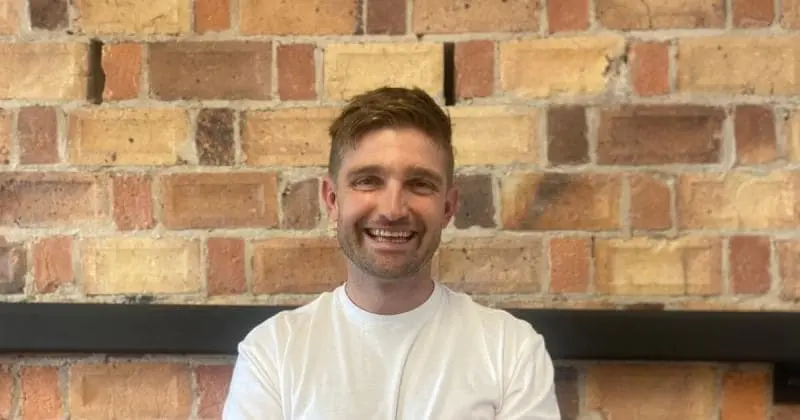
Bowen Pan’s career is a playbook on turning hidden opportunities into global products. Currently the VP of Product at Common Room (a $52M Series B startup backed by Greylock and Index Ventures), Bowen previously shaped major products at Facebook and Stripe. At Facebook, he discovered latent buying and selling behaviour buried in groups, leading to the creation of Facebook Marketplace, now serving over 500 million people worldwide. Later, at Stripe, Bowen built their apps platform, creating an ecosystem empowering small businesses around the globe.
Bowen’s product philosophy hinges on ruthless curiosity, finding underserved markets, and cultivating teams focused on impact, not visibility. From his formative days at Trade Me in New Zealand, through launching ambitious new verticals at Facebook, to redefining payments at Stripe, Bowen shares how Kiwi generalism laid the foundation for his product-led approach.
In today’s episode, we cover:
• How Bowen uncovered and scaled Facebook Marketplace from a simple SQL query
• Why high-impact, low-visibility projects are career superchargers
• How New Zealand shaped Bowen’s holistic view of product building
• The secret to spotting hidden user behaviour that others overlook
• The skills you should build (and ignore) to be an exceptional product leader
• Why truth-seeking is the greatest career skill of all
• How Common Room is reinventing go-to-market by putting people first
We also explore Bowen’s thoughts on investing in passionate founders, the future of product management amidst AI-driven tools, and how Kiwi companies can better leverage global opportunities.
Chapters
00:32 Bowen’s journey from Trade Me to Facebook, Stripe, and Common Room
02:27 Spotting hidden opportunities: the power of latent user behaviour
09:45 Building Facebook Marketplace from scratch
21:00 How Bowen validated Marketplace’s potential
28:43 Stripe’s mission and building a platform for SMBs
35:43 What defines excellent product management?
47:26 The future of product leadership in the age of AI
55:18 How New Zealand shaped Bowen’s global career
59:25 Using New Zealand as a global testing ground
01:03:55 Investing philosophy: finding founders with secret insights
Resources
Bowen Pan’s LinkedIn: https://www.linkedin.com/in/bowenpan/
Common Room - Reinventing go-to-market software: https://www.commonroom.io
Transcript
Bowen Pan
New Zealand fundamentally shapes who I am. I identify myself as a kiwi.
David Booth
Are you building and iterating slowly as you go or are you sort of building and launching a fully fleshed out product?
Bowen Pan
The risk tolerance for new things is so much lower at larger companies.
Bowen Pan
What are the skills that you would look for in these people as you hire them to your own team? Or even if you back them as founders? I had just come out of, uh, 11 day meditation and then, uh, and then bam, straight into Facebook.
David Booth
Welcome back to Diaspora nz where we are on a mission to seek out and profile the hidden gems, the best founders, operators, researchers, and emerging leaders of the great Kiwi expat community. And today, uh, we're talking with Bowen Pan. In an episode that ended up becoming something of a product masterclass.
David Booth
Honestly, Bowen is the VP of product at Common Room. It's a series B startup that's raised $52 million from Greylock into expenditures and others to reinvent how companies understand their customers. Bowen cut his teeth back at Trade Me in the old glory days before joining Facebook, where he turned some savvy observations of user behavior into Facebook Marketplace.
David Booth
The product that now serves over 500 million users annually, he went to Stripe where he built the apps platform, creating the operating system for small businesses worldwide. I try my best to weave together some of the harder insights comparing and contrasting. His journey from tech giants into startups.
David Booth
His talent philosophy of seeking people that are motivated by high impact and low visibility projects and his investment thesis hunting for founders have discovered unique secrets that drive them to build along the way. We get his perspectives on New Zealand as both a testing ground and training camp, the global product builders, and how being a Kiwi generalist shaped his approach to spotting opportunities that others miss.
David Booth
This is DPI nz and we'll waste no more time and get stuck straight into my conversation with Bowen Pan.
David Booth
Bowen Pan. It is an absolute pleasure. We've had, uh, several false starts trying to get this episode recorded, and I'm so glad we finally made it. Um, pleased to be talking. Thank you for joining the Diaspora Pod.
Bowen Pan
Yeah, likewise. Uh, really glad to be here and have listened to many episodes in the past, a fan of, um, all the guests and, uh, your interviews.
Bowen Pan
So, um, glad to be here.
David Booth
I'm curious as, as a starting point. You're a VP product at Common Room. Tell us about what drew you to that and when was the moment that you realized that might be possible?
Bowen Pan
Yeah, so I think even going kind of beyond any one particular role and one particular company, um, what's always driven me in terms of any products, any opportunity joining any company, uh, has always been this idea of potential and specifically the idea of wasted potential.
Bowen Pan
Um, I've had this itch ever since a child, uh, that I've just, I've just really, really hate the idea that, hey, if someone, something, some opportunity, some idea, uh, can be done and it should be done. Uh, and if it's not, then you are kind of, um. Was holding something that should be out there in the world, uh, that should be better done, uh, and it should be better served by, uh, a better product or a better company or, um, et cetera, et cetera.
Bowen Pan
And that applies to a lot of the things, and a lot of my philosophy, um, whether it is about joining startups, starting my own companies, um, disrupting existing industries. Uh, you can kind of, that's kind of always been my framing because in a way, often, uh, incumbents have been because they've been operating in a certain way for so long.
Bowen Pan
Often they operate in very inefficient ways to unlock potential of what the value could actually be for customers or for markets. And so I often see that, uh, in that, um, I'm always, I have always been the belief that, um, everything has an arc. Um, and, uh, the, the always have an arc of the initial founding birth hyper.
Bowen Pan
And if you are lucky, you get into this hyper growth. Uh, then you go, you get into this golden period, and then you get into stability, uh, then decline, uh, and, um, and then you move on to the next thing. I think one of the things that I love, uh, about tech, uh, as an industry in general, is that nothing is guaranteed, uh, in, in terms of you staying in that stable, uh, phase.
Bowen Pan
In that you have to constantly prove yourself in terms of the value that, that you bring, uh, to your customers and to markets. And if you are, uh, as soon as you get into this phase where you get arrogant or you, you don't feel like you, um, you can just kind of glide in terms of what you're providing often, uh, that's when you start declining.
Bowen Pan
Mm. I've, I've always had the belief that, hey, one of the roles I love playing is that I love to accelerate the demise of any decline of companies that should be declined. Um, uh, or if that's a phrase, Hmm, that's all part of this idea of potential. And so I think that that works for me. Uh, whether it is the largest companies, sometimes, uh, very large companies, uh, are the best ones to realize, uh, the potential of something.
Bowen Pan
Sometimes smaller companies, sometimes medium companies. Uh, and if, uh, and in a lot of the work that I've done in my career, I've seen that they are often, um, it's not, it's not always, uh, in startups, sometimes it is. Uh, and, uh, and I've had a lot of fun, uh, and a lot of joy in kind of, uh, bringing out the potential in those opportunities.
Bowen Pan
Sorry, that was a kind of a rambling.
David Booth
No, that's great. I, I'll, I'll, I'll, I'll connect some threads for you. 'cause I, I think that's a, a really good place to start. I see this sort of avoiding reducing waste of potential or other, otherwise put raising aspirations showing up in a few ways. I mean, common room itself is that in a way, like you, you could say you were motivated to build a product that supports a customer, because if you can do so, you'll help those customers identify new opportunities.
David Booth
You'll help them build better businesses, become more worthwhile in their own ways. So there's a very highly leveraged way of doing that. You're also doing some major investing and some LP investing and things on the side. So you're sort of participating in, in those. I, I wasn't gonna ask this question to the end, but I'm gonna jump straight into it.
David Booth
How do you think about I, I feel the same and sometimes it shows up as like a shiny object syndrome. I, I want, every time I see wasted potential, I wanna go and jump in there, and support it and help. You've also got a young family. How do you think about, you know, your own life and your own ability to focus and your own, you know, ability to execute on the role at hand today?
Bowen Pan
For sure. I mean, it's, uh, just because something is waste of potential doesn't mean it's always, uh, I'm best placed to actually make it happen. Uh, maybe sometimes I can see something or maybe I can help some other people, uh, to, to, to realize, uh, and, and to get to a state that is better. Um, but I think that like after having, being in this space and worked on, uh, products, you kind of develop this instinct and you develop this, um, this gut sense pretty quickly, whether you, uh, get a space or not.
Bowen Pan
And I think that, um, whether I decide to work on something myself personally, it's actually a very simple formula. Um, it's, if you, you just look at the three axes of product market, uh, and people, and I think the for, for the first on the product and market, actually, uh, those things should be pretty straightforward in that, uh, you should be able to get a very clear sense of whether you are excited about the market and the product.
Bowen Pan
Uh, and, and the thing is, you could be wrong. Like maybe, maybe you are completely wrong about, uh, the, whether the product and market is, is, is exciting or big or not, it doesn't really matter because if you don't think this is exciting either, it could mean that, that you are in fact, uh, the expert or maybe you just don't get it.
Bowen Pan
Uh, and that's fine. Like because, uh, because that means that you're not the right person to really work on that, uh, market and, and product. Um, and then, but the, I think the most difficult piece has always been people for me, has always been figuring out. And I think that is by far the biggest idiosyncratic risk, um, of working with any group of, of, uh, you know, individuals is the people side.
Bowen Pan
Um, and I think there, I've really. Learned over time to, uh, trust my gut instinct. Um, the type of people that value the things that, that I know is important to me in terms of how products are built, how teams are built. Yep. Um, because there's many different right ways for building the right product. And, and, and I think that's kind of one of the open secrets in building successful companies is that, um, there are infinite number of right ways and there is, uh, no particular one style, no particular one, uh, kind of, uh, strategy, uh, that just works.
Bowen Pan
It really. Um, I think the secret here is that you really have to. Find your people and snap and stay true, um, and unapologetically true to the superpowers, uh, that you have and accentuate the superpowers and find people that can surround you, uh, can surround yourself with those kind of people. Uh, and so that's been really, really important learning for me, uh, as I have progressed, uh, in my own career and also have worked on various different products.
David Booth
So much more to explore here around the people management particularly, particularly as you go through your journey, um, to, you made a comment earlier about, um, sometimes big companies is the way that you can have the most impact. So you've worked at two really big companies, one, well, several, but uh, in particular to focus on, um, Facebook and founding and launching Facebook Marketplace.
David Booth
Um, to me that checks two boxes already. That's sort of uncovering otherwise wasted potential, helping people sell things that are sitting around in their homes. And then also, uh, you built the apps and experience platform at Stripe. And in those two cases, those are two companies renowned for having, you know, high talent density, um, being quite effective while at scale.
David Booth
Uh, I'm curious, let's go back to the start of that journey and in Facebook, when you are sitting about inside of a large company building the right team to take on a problem, how do you, the company you've just made about, um, you screening people for the values that they bring. How did you go about, I suppose, even coming into that opportunity within Facebook at the time, and then building the team, but assembling the, a team to go and tackle a problem like that?
Bowen Pan
Yeah, I think the one really important thing, um, in terms of the talent side, and I'll get to the broader point, I think, how I think about starting new initiatives in larger companies and how it differs from startups. Um, I'll get to that point. But, uh, to answer your question directly about talent and people, I think is really, really important to recruit people who are not career builders.
Bowen Pan
So they're not there to necessarily, to think about what the next run of their career and how that might help them to advance their career, per se. Like it's act, it's, it's perfectly normal by the way. Like there's nothing wrong with, uh, with wanting to like build your career in a large company, but there are certain profile of people who.
Bowen Pan
Are there to really want to build something meaningful and you can really tell like by the, the level of passion, like what they're interested in, and they're just drawn to certain type of opportunities, um, that really allow them to kind of unencumbered to, to realize something that they, they think should be there in the world.
David Booth
Let's get tactical on that. I'm, I'm curious, like what questions are you asking them or what projects are you giving them as take home in order to really determine this? Like the, the, I'm, you're not a career builder. You're in it for the right reasons.
Bowen Pan
I always say the best projects in large companies are high impact, low visibility projects, and so, so when you can position projects that are low visibility.
Bowen Pan
So you're not gonna get the cut type of executive exposure, uh, that maybe you would like, but that's actually the type of project that has a highest chance of success. Mm. Because you are encumbered by a lot of the expectations in startups. You are, you are basically trying to get to part of market fit and then, uh, and then live long enough, uh, with your cash bond to get to the next, uh, raise with, with your investors, uh, with larger companies.
Bowen Pan
You are trying to, uh, have your project live long enough for the next review for executive attention.
David Booth
There's a saying, um, startups often don't compete against each other. They compete against obscurity. I'd say most startups are the same. It's a, a high impact, low visibility project by definition. Right.
David Booth
Um, and in fact, that would be, I can see the opposite of that advice would be, um, doing something which is relatively low impact, but it gives you an opportunity to get out in front of the executives that matter that might give you the, the leg up for having been seen. And I've heard inside of big tech, this is a problem.
David Booth
It can become quite toxic when people are just, you know, jostling to, to be visible as opposed to be respected for the impact they've had. And
Bowen Pan
to that point, if you think about like, uh, actually it makes a lot of sense when you have low impact, high visibility, because low impact sometimes is also synonymous with low risk.
Bowen Pan
Right. Hmm. Uh, where you can guarantee some outcome, uh, but it's at least seen. And you can then use various different ways to, to window dress, kinda what that impact could look like and why you are competent and all that stuff. And that kind of people are, uh, in my, uh. In my opinion, um, for the type of zero to one projects, like building out marketplace, like building out some of the things that I've been with, um, are just not well suited, uh, for, for that project.
Bowen Pan
And, and that, uh, you know, and, and there there's a, you can be very, very, very clear and very direct to say, Hey, like, you know, this, this type of work, it's, uh, you're not gonna really, we're not really on the radar for a lot of these, uh, whatever reviews, um, we have. Um, uh, you're gonna be very scrappy. You're not gonna have a ton of resourcing because it doesn't have a lot of visibility.
Bowen Pan
Yep. Um, but hey, like, let me describe to you the opportunity, and then you can see kind of that sparkle in their eye. Mm. You can see just that, that that glee, that excitement, that it's kind of this shared secret that you just told, uh, someone and then, and, and, and they want to be part of that movement. Uh, and that's really, really special.
Bowen Pan
I think so. So I think that element, uh, there is that shared, um, commonness with startups. Yep. But I think that at a macro level though, big companies starting new initiatives at big companies versus, um, starting, uh, doing work at a startup is so drastically different that it's really, really important to know that, in my opinion, starting, uh, a, uh, new project, a, a, a new thing at a big company is at a disadvantage against startups in almost every single aspect except for one thing.
David Booth
Um, and because the risk tolerance for, uh, for new things, it's so much lower at larger companies. Mm. Even if you were to set up a, like, like a separate incubator, uh, like a, like a, uh, whatever, corporate incubation or like Google X or like Google X near
David Booth
reality labs or something. Yes. Almost
Bowen Pan
every single one of those result in failure.
Bowen Pan
Because, because the, the level of risk appetite is just fundamentally different from venture, right? Like, like you can't have a, um, a corporate, a corporate, um, incubator that just fails 95% of the time. It just,
David Booth
yeah.
Bowen Pan
It just doesn't compute for a lot of the corporate executives
David Booth
unless they get the talent piece right.
David Booth
Which, you're right. If you, if you find the people who are there for the high impact, low visibility projects and you can give them enough independence, and you said that they, uh, they failed to compete on all vectors except for one. What is the one,
Bowen Pan
and I think the one thing is to look for latent behavior of what your customers are already doing.
Bowen Pan
Right? But they are hacking their way in the product to, to try to make that happen, right? Um, and there are so many examples of that across the board. That, that, uh, that, that we've seen that eventually turns into something.
David Booth
So put us in your shoes of probably 2015, 16 you're at, at Facebook and you're seeing some sort of latent behavior around commerce on the platform.
David Booth
Take us to that moment.
Bowen Pan
Yeah, so it was 2014, um, and I had just come out of, uh, 11 day meditation and then, uh, and then bam straight into Facebook, uh, as my first day, um, fresh out of fresh outta grad school. Um, and then as part of, um, as part of the. Uh, Facebook, uh, any, anyone joining Facebook in, uh, regardless of your seniority, you spend the first four to six weeks in what's called bootcamp, where you learn about the systems, you learn, uh, some basic coding.
Bowen Pan
You learn, uh, the data systems, whatever. So one of my, um, projects that I kind of self anointed that I was really interested in was as part of DataCamp, was that I, I really, really wanted to look into the idea of, um, commerce on Facebook. Um, I was just really interested. I think it's partly because of my background.
Bowen Pan
Um, I, uh, worked at trademe before in New Zealand, and also I founded, uh, a startup called Uni Friend that was a kind of an early predecessor version of social networking, um, for college kids in, um, in New Zealand. Um, so I had this natural kind of, um, interest in the idea of commerce, uh, in social networks and.
Bowen Pan
And so, um, so I started looking, so I, I just started looking to say, well, you know, um, uh, if, if commerce was to happen, like where could they happen? And I just, I was, uh, I was searching on the research portal and one of the, uh, piece of research, uh, that I came across was done by this, uh, group of, uh, individuals, uh, research team actually, uh, that was, that went, that was sent off to Indonesia.
Bowen Pan
Super random, right? Um, and uh, and they were sent off to Indonesia because at the time, um, the adoption for, uh, Facebook pages was low in Indonesia. And that was a problem because if you don't adopt Facebook pages, then you don't do ads. And, you know, the whole kind of, um, funnel had issues for, for ads team.
Bowen Pan
So they sent a group. To Indonesia to figure out, hey, like why is, why is Facebook page adoption low? Um, so in all that research, uh, there was a side finding in that research report that said, Hey, you know, uh, super weird, but like one of three people we talked to Indonesia, refer to Facebook as their primary e-commerce site.
Bowen Pan
Super weird. Don't really know why it happens, but whatever shelved away. Um, 'cause it wasn't really the primary premise of their research. Uh, and I read this and I was just blown away. 'cause I was like, well, this is crazy. Like, what, what, what do you mean that the, uh, 1, 1, 1 third of Indonesian team talk to, uh, view, view themselves, uh, view Facebook as a primary e-commerce site?
Bowen Pan
How could this even happen? Then, uh, I started looking and uh, and really like at the, at the time, Facebook is, um, is, is still kind of a pure app. Um, I think I joined right at the time when Facebook acquired WhatsApp. They were still very much like the Facebook and Instagram two app, that they were the main two apps.
Bowen Pan
They weren't like kind of a whole family of different things happening and, um. And really there could only be three ways that you could try to sell. You could try to hack. Hack your Facebook profile, just add everyone as a friend.
David Booth
Mm.
Bowen Pan
That was in fact happening, uh, somewhat. But then there's a limit.
Bowen Pan
There's a limit to how many friends you can add on Facebook. Uh, just like, because you know, when you stop being, uh, being like a normal user of Facebook, um, you can use a Facebook page that couldn't be happening. Indonesia. 'cause no one was using pages. Mm. And then the third is, uh, Facebook groups, uh, which really was the only place where you could be buying and selling stuff, right?
Bowen Pan
And so I had this inkling, I was like, well, you know, could people be just creating Facebook groups, um, to, to buy and sell? And, and the thesis here was, uh, hey, it's not because Facebook was some brilliant platform. It's because Facebook, uh, it's because buying and selling was, was, was a latent human behavior.
Bowen Pan
There are a billion people on Facebook, just like the old BBSs of the world and the early days on the internet where people used newsletters and mail servers. Even then, there was buying and selling behaviour.
Bowen Pan
It's very similar in forums and such. People were creating these, so I wondered if this could be a thing. I ran a query and searched for groups with 'sale' and 'for sale' in the title. I did a basic SQL query, translating 'sale' and 'for sale' into various languages using Google Translate.
Bowen Pan
Hopefully you catch the sarcasm there. But anyway, I ran a pretty basic query and searched, and wow, a lot of groups came back.
David Booth
So, latent behaviour in Facebook groups shows a lot of buying and selling. You then shift into, well, we'll have to assemble a team.
David Booth
What are the sorts, I suppose in most marketplaces, particularly if you're a startup, you have like a chicken and egg problem to solve. You have to think about the supply-demand dynamics. Here you already have the behaviour. You just need to figure out how to support it.
Bowen Pan
That's right.
David Booth
What's the first experiment you run? Are you building and iterating slowly as you go? Or are you sort of building and launching a fully fleshed-out product once it's developed? I'm sure inviting some of these people into early user groups.
Bowen Pan
Yeah, the first thing I did was join about 50 of these groups myself.
David Booth
Mm-hmm.
Bowen Pan
Personally, and very quickly saw what was going on. What kind of behaviour was actually happening, trying to start to form a framework. Some of these groups were interest-based, like they're just really into cars, or there's this huge group I remember at the time where they had millions of people, where people were just buying and selling marbles.
Bowen Pan
Like the niche interest communities, right? And then there were also these local for-sale groups that were pretty interesting. One, particularly these parent groups that were trading a lot of buying and selling stuff like kids stuff and toys. And so as I joined a lot of these groups, my intuition started forming and it started to make sense of the main use cases.
Bowen Pan
Once I joined and realized that this was real, the first step was that we should capture this behaviour. We should capture this behaviour, and it's important in a few ways. First, it's important because we can prove to the rest of Facebook that there's real commerce happening. It's not just some random groups being posted.
Bowen Pan
Second, we help one of the most important stakeholders here because groups are really interesting. Groups are a kind of experience where the individuals in the group and the creators of the group don't really feel like Facebook owns that data. They feel like they created the group. Mm-hmm, right.
Bowen Pan
There's a lot of ownership. Mm-hmm. The second piece here is that building strong features that really help the Facebook group admins was going to be really helpful and really important.
Bowen Pan
But so then we built this initial experience. It was really simple; all it did was that, hey, in groups where we detected there was a predominantly buying and selling behaviour, we flipped the default of what we call the composer. Instead of Facebook normally saying, "Hey, what are you thinking?" You would type some text. It would say, "What are you selling?" And you click into "What are you selling?" and it comes out with a very simple form to say like, "Here's the price, here's the category, whatever."
Bowen Pan
Once we were able to do that, then it became really clear there was a huge thriving marketplace that was completely disparate across all these different places. And because now these can be channelled through these structured sell composer experiences, that provides the basis.
Bowen Pan
Later on, about 12 months later, for us to then aggregate the supply to create a marketplace. Mm. Because if you don't have the structured data, then you'll never be able to think about how you gotta build the central marketplace. And there were a lot of clever growth hacks that we did later to think about, okay.
Bowen Pan
How do we respect the privacy within each of these groups but also appeal to the admins as well as the individual sellers? When do we ask you to, hey, also post this somewhere else, and to centralize, to build that critical mass of supply and demand.
David Booth
So many interesting themes running through this.
David Booth
Marketplaces will always gravitate to the most liquid part of the market. But you're right to say that's only possible if you're able to capture enough data about each of the individual things offered up for sale in one corner of the universe versus a buyer in another group or elsewhere on the platform.
David Booth
So there's a really interesting thread there. That's another one I wanted to pull about the moderators or the group owners and the feeling of ownership. And I've seen this elsewhere recently on the internet where Reddit moderators came into the belief that they had some sort of ownership over the subreddits that they'd created and the, you know, invested a lot of their own time and energy into maintaining.
David Booth
I'm curious about your experiences with super users, or as you think about the difference between an everyday transactional user versus a super user and any learnings from, like, can that feeling of ownership go too far? Do is, is there, has there ever been a risk of these people being too hard to serve or needing things that weren't so aligned with your interests as the platform?
Bowen Pan
Yeah, I think Reddit is a really fascinating use case. Mm-hmm. And I think it's fascinating because nearly all the content is public, which is quite different from Facebook groups. Because most of the content was private. It was actually locked down. And so, it had a different kind of feel as a result.
Bowen Pan
I would say that it is a very interesting dynamic when it comes to the idea of these individual communities. And it's one where once a community reaches a certain size, whether there are real moderators doing stuff or not, has almost negligible impact on the overall norm of the community.
Bowen Pan
Because it's very important for the admins to set the norm, right? Yep. But then once you have a norm, then it's kind of self-reinforcing over time. Right? So then the role that any single admin plays actually becomes quite minimal in a way.
David Booth
Mm-hmm.
Bowen Pan
But their presence nonetheless is useful because of the perception.
David Booth
And a discovery tool as well.
David Booth
I mean, they are the ones who are sensing the zeitgeist of what would like to be bought and sold and where in a way that you might not necessarily be able to. So, you know, by doing that initial work of identifying the what and where that a marketplace should exist and then setting the norms, as you say, they've actually done something incredibly valuable, right.
David Booth
Which the platform might not have accomplished on its own. So that's a really interesting connection as well. Tell me if this connection is, you know, right or wrong, but the next graduation level up for a moderator doing those things would be a business owner, uh, who is sort of building their own business and maybe they're interacting with the Stripe, uh, application platform.
David Booth
You transitioned out of Facebook, this must be 2020 over to Stripe. That's right. And it seems like I was initially going to say, well, they're quite different companies. Facebook's obviously focused on consumers and Stripe's obviously B2B payments infrastructure. But tell me about the connecting thread between them.
David Booth
How did that opportunity come about and what was the unrealized potential that you were seeking in your career that helped you make the leap?
Bowen Pan
Yeah, I think for me, the unrealized potential that Stripe has promised and I think is continuing to actualize is this idea that there's a lot of friction for SMBs.
Bowen Pan
And there's a lot of friction in general for money movement across the internet. And that there has always been this vision that, hey, why should money are just money is just bits, right? Like, and so why can't money movement be as free as any other piece of information?
Bowen Pan
Well, there are a lot of reasons for, obviously because there's a lot of incentives for bad actors. There's a lot of, the cost of a mistake is very high and et cetera, et cetera. But, regardless, like that friction in money movement is one of the major impediments for commerce and one of the major impediments for the growth of economies and lots of other things, right?
Bowen Pan
So, I think the vision for Stripe is really starts in that very simple, but difficult premise of how do we make money movement as simple as possible. And then from there, build that up as kind of an ecosystem to help small businesses with essentially an operating system of sorts so that you abstract away a lot of the difficulties of how to do business, whether it is filing your taxes, whether it is like revenue recognition in addition to payments, et cetera, et cetera, to make that really easy for you. And as part of making that work, you can't do that alone, right? It is impossible to, to serve every single piece of that ecosystem.
Bowen Pan
Plus like whatever. If you're building an operating system, you can't build every application on top of that operating system. Yep. By definition, not an operating system. And so, so that's where kind of the main premise of Stripe apps came in is that well, we need to provide a core operating system offering so that we allow for the broader developer ecosystem to build applications to serve small to medium businesses.
Bowen Pan
So that there can be this thriving operating system that helps small businesses do businesses online.
David Booth
And as you say, sort of the businesses building on that ecosystem. By enabling them, you're allowing them to seek out the opportunities that you might not be able to see as Stripe.
David Booth
Curious about this connecting thread still between payments in the marketplaces and different parts of the world. When you were back in launching in Indonesia, how were the payments being processed for the goods that were being transacted? Was it always off-platform cash or, uh, I mean, Facebook, has had a history of trying to get involved in being the wallet to these transactions as well.
David Booth
There was the Libra cryptocurrency, which ultimately didn't work for many reasons, political included. And across Stripe they've recently acquired Stablecoin Platform Bridge. Sure. Tell me about this connective thread across the two. Have you been following the stablecoin or international payment rails space independent of these two big companies?
Bowen Pan
Yeah, I think it's really exciting. I think that like I do think crypto, certainly as an upgrade to the current payment rails, has always been a really exciting promise. And it's an area that I think you're seeing more and more investment and there's a lot more that we could be doing there.
Bowen Pan
You know, the fact that if you think about the clearing houses of the world and how long it takes for them to actually clear out, and to validate these payments. You know, why do bank transfers still take so long? Mm-hmm. To, uh, when there's really just movement of bits as you actually kind of peel back the curtains of the payment industry, you'll realize just how many legacy systems there still are.
Bowen Pan
You know, how many are still reliant on CSV uploads? It's actually pretty crazy. But, yes, I think that the on-ramp, off-ramp using crypto as an example of moving forward the payment rails is a very exciting and I think in time, an inevitable part of the change in the infrastructure.
Bowen Pan
Which, sidebar a little bit. You know, one of the frameworks I really love that I think describes almost everything that's of value to people is almost anything I think can be categorized into the movement of bits or movement of atoms. And it's a really interesting kind of mental model.
Bowen Pan
And there are businesses you can build that facilitate the movement of atoms through the movement of bits. There are businesses that you can purely build to reduce the friction in the movement of bits. And if you think about advertising, advertising's entire premise is to charge premium bits and to make that more efficient, to target the right bits to be moved to the right people
David Booth
in order for them to buy something and then move some atoms back to them afterwards.
David Booth
That's right.
Bowen Pan
Yeah. So anyway, as a sidebar like that, that framework has always fascinated me because it kind of nicely describes a lot of different businesses that we see today.
David Booth
One thing I've found as you sort of established yourself with a career and you look back on what you've achieved and you're able to look at the world through a high-level philosophical lens like that, I'm curious about how this translates back into.
David Booth
People earlier in their careers. So I'm sure you do some mentorship advisory work, or it's when you're angel investing in younger founders, or helping out people who want to start companies or want to join high growth and talent dense companies. How are you thinking about the industry today and shifting gears a little bit into the sort of the product masterclass segment?
David Booth
Where do you get started? How do you think about I wanna solve problems with atoms, solve problems with bits, thus I should do X, Y, Z?
Bowen Pan
Yeah, I think that for someone starting their careers today, and if you are thinking about joining a company, and if you want to work in product, the difficulty of giving advice about product is that product means so many different things depending on which business and the nature of the business, whether it's bits and atoms as we just discussed. And now if you define product as purely the kind of the work to figure out what to build and whether there's sufficient value for customers and then iterate to then make that better, to then have a feedback loop.
Bowen Pan
Now if you define that as product, and I think most people think about product either as some kind of a UI on a computer or some kind of infrastructure or some piece of hardware. If you define that as product, there's a lot of things that's missing from that actually, right?
Bowen Pan
Like there's a piece of how do you think about revenue? How do you think about your cost basis? How do you think about if a product requires a lot of management of people, when people often say product. They tend to exclude those other things. And there are certain platforms and certain companies that do operate in more of that pure product form.
Bowen Pan
And I think so. So the first thing I would say is that it's really important to know, or at least be more intentional. If you don't know, that's fine. But be very intentional about picking the type of companies that kind of manifest the way they do business in a way that aligns with the type of product you actually want to build.
Bowen Pan
And depending on the nature of their business, there's different focus as a result, right? Like if you think about, if you take some of the big companies for example, I would say that often that there are companies that truly are product-driven because they have to be, like if you take Facebook for example, my opinion Facebook is probably one of the most.
David Booth
Product-driven companies out there, and it's because they have to be,
Bowen Pan
At least by your definition. I just love, and I want to reflect on was product as the doing the work to identify what people need or doing. What was the line, give us that one again.
Bowen Pan
Just identifying what people actually need then Yep.
Bowen Pan
Figure out what to then build to fit those needs then ever, and get a feedback loop of like where you write in meeting those needs and then improving that, that cycle
David Booth
And, and thus follows. Well, Facebook is a great company for that because there is so much data, so much activity. There'll be obviously lots of latent user behavior, one of your earlier terms, which as an individual who wants to lead product or whatever product becomes, it is a great place to hone your skills or hone your taste. As for the identifying. Uh, you know, what people need and then doing the work to prove it.
Bowen Pan
Right. And then that makes sense. And then Facebook, Facebook also lives or dies by users, right? Yes. Right. Like literally it, like, it needs to be user led, otherwise it dies as a company because, it's completely chained to what people do.
Bowen Pan
Like people say ironically that hey, you know, like, people are uh, are chained to the algorithm, but the algorithm is chained to the people's behavior. Yeah. Uh, and, and, and the algorithm is, is, is, is, is a slave to whatever people actually want to do because ultimately it is, it is a pure engagement machine.
David Booth
That is, is that is essentially the core of Facebook's business.
David Booth
Right. Does that principle generalize into any company that has, um, a lot of what, a lot of, you know, user behavior? Obviously that seems obvious 'cause, but, but there'd be somewhere about you can better to learn into the consumer company versus an enterprise or, um, where there is more flexibility or scope for consumers to kind of use the product in their own way as opposed to having kind of a rigid job to be done.
David Booth
I'm just curious to see if there's any generalizable threads here.
Bowen Pan
I think that, uh, often, um, I. Large scale consumer companies, um, you are able to hone in certain types of like this unad rated like, um, like feedback cycle loop, um, that, that you are able to develop may perhaps Yep. Perhaps more, uh, quickly.
Bowen Pan
Um, but I would say that may not be the thing that you, you may wanna optimize for, right? Because there are, um, in order to build products in B2B, there's a lot of other things that you also have to take into consideration. You care a lot of, so in B2B for example, that's not, for example, an advertising model.
Bowen Pan
It's really, really important for you to think about, uh, like what is the value that you need to deliver because people need to pay for it. Yeah. And then what is your cost basis? Um, and, and so any type of. Product role in B2B has a blend of a GM role.
David Booth
Mm-hmm.
Bowen Pan
It's just, it's just by design because you have to think about your, the, the, the value of delivering how much, how much it's costing you, what your customer acquisition cost is.
Bowen Pan
Uh, it, and it's starting to look like more like a GM role. So like a, so almost like every PM in a, in a B2B SaaS company needs to, unless, you know, you're humongous and you're working on some like little cog, um, of, of a small product. But, but otherwise, you know, and that, that could be very, very valuable.
Bowen Pan
Right. And then there are also other companies where it's also really important to look at the DNA of the company. That's kind of an, I guess, another input into how product gets done. And I think the, that, the other aspect, if you, for example, look at a company like Google and, and a company like Google is essentially founded by folks who are really, really smart engineers.
Bowen Pan
I. Has amazing technology, but at, at its core, like Google cares deeply about having the, um, deepest malt, uh, and the best. Engineering prowess, but then having that, uh, emphasized over say, hey, like what is the actual use case for this technology?
David Booth
Mm.
Bowen Pan
And that's why, you know, like Google excel in search, they excel in a lot of different areas.
Bowen Pan
So, the DNA of the company I think is also really, really interesting. Yep. To think through like how it might impact your product career.
David Booth
At the Google scale, at any of these companies to an extent as well. I think there is, obviously, there's a vision, the vision to organise the world's information, you know, Stripe to increase the GDP of the internet.
David Booth
These are compelling, but they're also quite diluted by the time you get to that scale. Like, how does this specific thing increase the GDP of the internet? I'm not sure if that's as in contrast to a startup that comes out and says, I'm gonna do this one specific thing really well. And I'm just curious about chasing this back to, well, for people to orient in their careers.
David Booth
Well, you seek out a company which is doing a thing that you feel you can have an impact on; you're looking for high impact, low visibility projects. You're approaching it with a mindset of identifying what people actually need, being curious. These sound like fantastic generalisable principles again, as well.
David Booth
What are the skills that you would look for in these people as you hire them to your own team, or even if you back them as founders? You mentioned one of your early roles, this is a decade ago now, was writing your own SQL queries to identify user behaviours. What should people be playing with?
David Booth
I've heard, even you feel free to talk about some of the common retooling, like the AI-powered go-to-market, to acquire people, to test your assumptions. Again, focusing on what skills are people learning, using in the early stages of their careers.
Bowen Pan
Yeah, I think honestly like the tactical hard skills, like what tools, what language, those things come and go and they change as we rapidly evolve in this.
Bowen Pan
But I think the universal thing that I've seen to be really important, and especially so when you're early in a career, is this burning desire to seek the truth, this burning desire to seek the truth and this truth-seeking being almost like a heat-seeking missile for truth.
David Booth
Mm-hmm.
Bowen Pan
It is so incredibly important and so incredibly hard because it is something that you need to be so good at putting aside whatever emotional investment you've made in something, whatever ego you had about something. You could be right, you could be wrong, it doesn't matter. But just this burning desire to figure out what the ground truth actually is, is so valuable.
Bowen Pan
That is, I think, one of the core things that makes you great at many things, not just a great product person, but I think many things end up being that. But I think especially in product, if you're not true to what the ground truth actually could be, it's very easy to delude yourself.
David Booth
One of the biggest delusions, I think, that would be the cause of a lot of hardship around the place would be the desire for something to be true different from that thing indeed actually being true. And, you can say it's drinking your own Kool-Aid or it's the resources that I've received and I will continue to receive if this thing is true or the investor that invested in this initial thesis I had and will only lead the next round of it if it remains to be proven true.
David Booth
I'm curious if you had any examples of where that was not the case. You know, you've had an initial hypothesis, you've gone out there and done the work to identify if people actually need this and they didn't need it, or you know, you decided no, I'm not gonna take additional capital or talent into that direction.
David Booth
What does that, you know, feel like, how have you gone about unwinding projects?
Bowen Pan
Yeah, I think one example of that would be, so I stayed on the marketplace for four years. In the last bit of my time there, I was responsible for launching a lot of different verticals. So, a lot of them were pretty successful.
Bowen Pan
So, there are cars and rentals and I think the marketplace is actually the second biggest used car market in a lot of the major markets around the world, which is pretty wild. But one of the verticals that we decided to build into is home services and home services, on the surface.
Bowen Pan
Sounds great. You know, it sounds like another area that seems like it's very ripe for consolidation. There's a lot of different fragmented players. Facebook can generate a lot of demand. A lot of people, in fact, even post on Facebook about like their houses needing to be fixed and blah, blah, blah.
Bowen Pan
So, you can harness a lot of demand that way. But it turned out as we dug pretty deeply into it, we ended up did launching initially, and then we had to wind back. That experience was that ultimately the supply side of the business was too difficult for Facebook to build as a generalized business.
Bowen Pan
Like, you needed to be like that, that the home services business. In the end, my conclusion was that it's better as a verticalized niche marketplace than something that a general marketplace is better served. And it's because the needs there are extremely specific. The needs for home services are very infrequent.
Bowen Pan
And then trust and stakes are extremely high. And so, that results in you needing to build some very specific mechanisms for that marketplace that makes it look very different from many other verticals in the business. And if you think about how Facebook thinks about the business, how it builds, it just cannot accommodate for such specificity within one particular vertical, which is also a great thing because it opens up lots of opportunities for other companies to actually go and tackle those, right?
Bowen Pan
And so, I think that's one example I can think of.
David Booth
It'd be one that you need to nurture in the teams you build and manage. I'm sure as well the sort of the, you know, don't be afraid to bring me bad news type of mentality. But I wanna shift gears a little bit because, if we only had say 10 or 15 minutes left, I wanna cast us first right into the future.
David Booth
I mean, you were talking about adopting tools and the tools are always changing. The principles are the same. How long does that continue? What is the role of product management, engineering, the design? It feels to me like a lot of these things are sort of merging into one. What should people expect, say five to ten years from now?
David Booth
What's the role of the PM and the even the way that companies are being built? Do you have an opinion? Please share it.
Bowen Pan
I think that the role of a PM, designer, engineer, is very blurry in early-stage startups. Because I think it really depends on the makeup of the founder.
Bowen Pan
And I think with the advent of a lot of the tools, the like gen AI, and other ways that we can very quickly get to a prototype very quickly. That will continue to blur. And I think that's gonna be really interesting to see as we fast forward five to ten years.
Bowen Pan
But I do think that for any company that is operating at some level of scale, it doesn't even have to be massive scale. Like, including like a series B scale, let's say. And the fundamental job and how you think about things for an engineer versus a designer versus a PM are just fundamentally different jobs.
Bowen Pan
And it's very difficult for a single person to do really well across those three things because you literally have to cleave off your mind as you think about these different things, right? Because an engineer's role is to think about how to build out something with as little effort as possible, because it's very expensive, in the most efficient way, and in a way that also hopefully, you make the right technical trade-offs in terms of long-term debt versus short-term shortcuts.
Bowen Pan
And that's the role of an engineer, right? A designer's role is really thinking about what is the overall optimal system-level experience that keeps a level of consistency and expectations, right, for the user. So that the experience design is intuitive, that it is within user expectations.
Bowen Pan
And that any new things that we build out doesn't go so far that it's so jarring and so difficult for people to grasp. And a PM's role ultimately, I think, is to ensure that all this actually matters to the customer. Like, who cares if you ship certain pieces of code and have the most beautiful design, but the customer just shrugs, right?
Bowen Pan
And making sure the customer actually cares and it's the right set of things being built and ultimately also that the thing ships, the thing actually ships, and then it ships with the right level of mixture of features and the trade-offs so that you have sufficient learning. Yeah.
Bowen Pan
And then you can do this whole cycle again. Which, as a sidebar to that, David, I always tell my team, across engineering, design, and product, that if you think across execution and strategy, I ask from my team always that everyone must aspire to perfect execution, but we can't aspire to perfect strategy because perfect execution means that if you got a bad outcome, that means you had some really great learnings because that means your strategy is wrong.
Bowen Pan
Right. But if you have really bad execution, then you've wasted everyone's time because you can't figure out what just happened. Was it because you executed wrongly or was it because your thesis was wrong?
David Booth
Right.
Bowen Pan
I think that execution piece is also really important. And I think the accountability ultimately sits on the PM on that.
David Booth
If you execute poorly, you don't know if the original strategy was valid, it still might be, and you've got to go and do it again. I think that would be probably the most costly piece. It's almost the, as a founder, you know, as a founder mentality, thinking about the cost of missed opportunities along the way.
David Booth
And in fact, as you've been speaking, everything you're saying, I'm sort of finding myself nodding along and then thinking, well, that's actually also the role of the founder in most early-stage companies. The founder's the one who's, you know, coordinating engineering design in the ways that they need to be coordinated and, and ultimately setting the strategy and setting the expectations.
David Booth
You know, one take on the future would be that all of the tooling available now, AI, the leverage it gives you, it actually closes the gap between the product and leader and the founder. And perhaps it extends the time for which the founder can be the product leader. Um, do you agree with that statement and, and or is there sort of a general rule for when a startup should hire its first PM.
David Booth
And hand off some of those responsibilities from the founder to that first product manager, product leader.
David Booth
I think it really depends on the temperament of the founder and of course what their superpower actually is. There are some people who are just extremely good at holding the entire product in their head and can marry that with the amazing context that this person as a founder would have had.
Bowen Pan
And be able to just see things and very quickly react. And they will always be the CPO and the CEO and founder. Like, and it's just like how, um, Zack will always be the CPO, like Brian Chesky will always be the CPO of Airbnb, right? Like, and it's, and it's that's the temperament and the nature of the products.
Bowen Pan
And I think it's very intertwined. But man, those people are rare. Yeah. And it also means that they decide not to do other things, right? Like, that they decide to hire their, you know, for a while in the Valley people talk about you gotta find your Sheryl, right? So, so you, your COO to find all the other things that you are not doing as a result.
Bowen Pan
For the longest, for the longest time, like Zack Zuck wouldn't spend much time in the, um, with the ads team because, you know, his belief was that, hey, you build out an engagement engine and then yes, we'll just, um, we'll build out a great ads team to then monetize that, that, that engagement. Um, so, but the core that, that the, the bleeding edge is on the engagement side.
Bowen Pan
So I think it really depends on the temperament. And I think it is possible that for some people who ultimately need to scale, like on the product side, that with all these tools that it might. Take might be longer, but ultimately in the limit. Um, I think it's, it doesn't change. I think the type of leader who can actually do this in the end, who can, who can actually scale, and be that overall spiritual product leader in a company for the founder.
Bowen Pan
Um, but either way, I think for very early stages, um, it is, uh, as a general rule, I do think that, uh, founders, uh, need to be. Essentially in control of the product because that is the main thing that you are selling. But you know, how, how far that scales, um, that, that really depends.
David Booth
I've heard folks around Blackbird talking about Melanie Perkins and Canva in a similar way.
David Booth
You know, even at 200 million users, she's still the one that's got the product in her head. And in fact it was, like you say, it was the, you've gotta find your, Sheryl, in her case case she had, cliff and Cameron were kind of the building the business and executing and driving the, you know, every so that, so that at least a found, you know, one founder can continue to retain that at scale.
David Booth
Um, that's something, you know, in looking for companies to join, uh, personally be optimising for as well. Like is there a founder present who has the vision of the product? You know, in their head. Uh, and is that clearly communicated? Is that clearly, you know, leading from the, from the front? Um, I'm curious, let's flip and go all the other way back.
David Booth
'cause you, I mean, we haven't actually spoken about New Zealand once at all. You, you've landed in New Zealand when you're about nine. Um, you're with us all the way through school, through university. I, you, you're trade me for a while right. About Treat Me, I recall, treat me fondly. Um, do you have any sort of high, like, how, how would you describe this in hindsight?
David Booth
You know, do you feel a, a sense of New Zealand shaped me in this way? Uh, you know, part of your mentality or part of your, you know, culture comes from key inflection points or lessons from those days. What do you remember most fondly from your days down under?
Bowen Pan
For sure. I mean, New Zealand is still the, uh, is still, uh, home for me.
Bowen Pan
Um, uh, do you get back often? Uh, we try, it's a little bit harder with a two and 4-year-old now, uh, yeah. On a 30 hour flight. But, but we, we do try to come back, um, to New Zealand at least once, every, once year, once every two years. And, uh, you know, new, New Zealand fundamentally shapes who I am.
Bowen Pan
I identify myself as a Kiwi and I think that one of the things in New Zealand that's pretty special, um, uh, is the fact that we have, uh, an advanced economy. Um, but everything operates at a smaller scale. That is a disadvantage in many cases, like founders talk extensively about that and need to go global.
Bowen Pan
But I think for folks who are at least starting their careers, often having, um, being able to see across many different areas is actually a big advantage. Um, and, and, uh, you know, the experiences that I've had at Trade Me, for example, I think at the time Trade Me had 90% of all domestic traffic in New Zealand, which is like crazy.
Bowen Pan
Mm. Uh, it was basically the, it was basically commerce in New Zealand and having one corporate entity controlling basically almost all commerce online. I mean, where would you find that in the world that in an advanced economy it's very difficult. Yeah. Right. Um, and, and then having that view of how this works, you know, but I remember at the time working on anything from, uh, figuring out, um, the pricing strategy for, uh, for, for trade me general marketplace to.
Bowen Pan
Figuring out how to, um, how to design the right listings for real estate agents to like, how do we make sure the landing page for, for the dating site makes sense? Uh, and what are the dynamics there, uh, uh, and, and, and the, and, and the wide range of things. I mean, that's, that's an amazing, amazing, um, I think training ground for me personally.
David Booth
Certainly I've, I've seen elsewhere people who, you know, in New Zealand you'll get generalised experience, exposure to so many different things where the equivalents in big markets would just have to be sort of pigeonholed into a specialty FFA early in their career. That'd be an interesting one. And on the geographic bound, it's actually an interesting crossover here.
David Booth
'cause I think in, not sure if you were personally involved in making these decisions, but at Stripe and at Facebook, both companies have been known to use New Zealand and sometimes Australia as kind of a testing ground. Like you'll roll out a consumer product and you'll sort of observe user behaviour here.
David Booth
So as something of a proxy for developed markets. Curious about that. Were you involved in making those decisions and, and observing that, that user behaviour in this market and as a, you know, startup investor in New Zealand, as somebody who works with New Zealand based founders very regularly, one of the things that people get tripped up on is kind of extrapolating the, the user behaviour in New Zealand to the rest of the world.
David Booth
You say, because this startup works here. And, you know, with this group of users, and there is 1000 times more of those users in this market. Great. It works in that market. All I have to do is raise the money and build the product. Often that's not right. Mm-hmm. So I'm curious about how, sort of looking from the other side of the table thinking about trialling things in a market like this, how you'll balance and de-risk that sort of cultural nuance and the different considerations around the user behaviours.
Bowen Pan
Yeah, I think that, um, so yes, I, uh, at Facebook for example, um, where we decided to launch a product was up to the individual product, um, product leads. Um, and so, um, uh, marketplace was in fact first launch in New Zealand. Brilliant. Thank you.
David Booth
Love being a Guinea pig for the world as well. We get it first.
Bowen Pan
Uh, I do think that perhaps a delineation is, um, between B2C and B2B.
Bowen Pan
I think that consumer behaviour. Generally speaking are more applicable, they're more applicable, uh, than not, um, compared to New Zealand and the rest of the Western world at least. Um, and I think B2B, uh, there can be a lot of nuance that's a little bit harder to extrapolate. Um, and especially when you get to industries that are regulation heavy, um, have very, I mean in the US it's the, the B2B sometimes is even different from state to state, uh, given how large the market is.
Bowen Pan
Hmm. And so, I think certainly at Facebook, like on the consumer side, we've seen that it's broadly applicable. Like the kind of behaviours that we see on the consumer side is pretty strong. And you know, if I was to extrapolate to think about advertisers on the Facebook side, then that would be pretty different.
Bowen Pan
I would be hard pressed to think about, oh, should we launch like a new ad product in, like New Zealand, the market? Like, I don't think people would think about it that way. People might think about, let's take a few advertisers, and test with them instead. So really think you, I think what's important to think about your sample size and how it then kind of blows out that way.
Bowen Pan
And there's actually a lot of nuances, by the way, kind of a sidebar, but I think hopefully related David is, if you think about some of the food delivery companies, like which cities they picked first and then how does that apply to the rest of the places.
Bowen Pan
And I remember, for example, some of the food delivery companies would often look at San Jose, as opposed to San Francisco. Because San Jose is much more applicable to other US cities in the way that the city is designed. And winning in that and proving that model out is much better, despite the fact a lot of companies like to have a bias to launch in San Francisco.
Bowen Pan
'Cause like that is kind of the default mindset.
David Booth
Um, so yeah, this is brilliant. I think there is some principle here that would actually be worth extracting. It's like at the consumer end. So just to play back some of what you've said at the consumer end of the spectrum, generally behaviours are consistent and of course there'll be lots of exceptions to that.
David Booth
Maybe dating or maybe some of the ways that Facebook was being used in Indonesia versus elsewhere in the world. I think that's a perfect example of why that is not always true. And then I wonder if at the other end of the spectrum, certainly there'd be a cultural specificity or perhaps sort of local regulatory engagement where you do have a,
David Booth
Like B2B businesses will be very different. You know, if you're doing resource consent administration in New Zealand, it's gonna be very different in Australia and UK and US and everywhere around the world, it's very difficult. Versus if it's generic CRM software, you know, generic CRM software is probably gonna be relatively similar no matter which businesses buying it.
David Booth
Right. Um, so perhaps you've got a high to low local specificity versus a large to small customer two by two. Yep. And perhaps in different stages. One thing that might fall outta that would be, can you stay in New Zealand and build your company from New Zealand? Or should you actually jump on a plane and go sit and live in market and look over your customer's shoulders in person?
David Booth
And, you know, you've been across both of those. Uh, does, does that, does that distillation of your principle resonate?
Bowen Pan
It does resonate. Um, and I think that I. Yeah, that could be a pretty cool two by two. Uh, but, uh, uh, I, I, I do think that, you know, um, from a product perspective, there's not many compelling reasons why New Zealand founders can't build great consumer products from New Zealand, uh, except for the fact that, um, I think one of the main benefits of being in the valley is just collection talent.
Bowen Pan
I think that that's, that's probably like one, obviously one that's, that's hard to replicate. Um, and I think with B2B that really depends, as you mentioned. I think, um, uh, there's is a spectrum there, and for some, yeah, you just have to go to the market.
David Booth
Well, let's shift there. Um, conscious we're over time, but, um, if you've got a few more minutes to share about when you are sitting in Silicon Valley as you are as a, an investor, angel investing, LP investing, you've backed some New Zealand companies, you've backed some New Zealand funds, including Blackbird.
David Booth
Thank you very much. What do you look for in startups? Like what, who, who should come and see you and, and why?
Bowen Pan
I look for founders who've, uh, discovered some sort of a secret that, that they have been because of the, um, the, uh, their life experience, uh, the, their unique set of things that they've done, that they were able to see, uh, something from a certain angle that isn't completely obvious to other people, but it makes so much sense to them and they're just incredulous that it just isn't, isn't there to, to, to the point of this, uh, realization that, hey, there's some real wasted potential there.
Bowen Pan
Uh, and. And it's just, it just needs to happen. Like there's this burning need that it just doesn't, it just doesn't, it's driving them crazy that this thing isn't real because it just needs to be. Um, and, um, and I see a lot common of common threads of great founders, um, that I had the privilege of, you know, helping or, um, uh, talking through the ideas, et cetera.
Bowen Pan
Um, that's a pretty common thread. And then everything else, I think is, is then up to great execution. Um, and, and the, and the constant iteration and the grit and everything else that you hear about great entrepreneurs. But I think that the, the, the key thing I, I look for is really that, that, that, that special something that allows you to, to get that, that, that secret, uh, of uh, what really just makes sense to exist in the world.
David Booth
Hmm. Driven by passion, righteous frustration that this thing doesn't exist. Uh, coupled with execution capacity sounds like a formula I wanna invest in as well. That's brilliant. My final question was gonna be, um, what can we direct in your direction, what are your asks of the diaspora Are you hiring right now Common room, uh, other than founders with that passion, who should come and see you?
David Booth
What, what, what could we help you out with?
Bowen Pan
Oh, um, we are hiring, uh, so we're definitely hiring at Common Room. Uh, and, uh, I didn't get a chance to talk much about Common Room, um, so I can give a quick spiel there too. But let's do it. We're hiring PMs, we're hiring, uh, sales and go to market. Um, and, uh, it's, uh, talking about secrets and talking about something that just should exist in the world.
Bowen Pan
Um, Common Room, uh, I think is, is a product that, uh, once you, uh, realize and kind of dug deep in the go-to market, it's. I, I just get incredulous that something like Common Room didn't exist before, because ultimately most go-to-market software has not been designed with, uh, with people in mind as, as a central concept, which sounds weird, but, but if you actually think about how most go-to-market, uh, software is structured as structured as opportunities and accounts and then, and then leads, uh, and, and there isn't the central idea of a person.
Bowen Pan
Um, uh, and with the advent of, um, uh, so many different, uh, touch points. Of where a person might be, uh, whether they could be emailing, uh, you from their personal or they could signing, typically signing up was a past work email address. It could be talking about you on social. Um, the, um, it's really, really important to have this unified view of a person and the fact that Common Room really has discovered the secret that, hey, like you, you can't have email as just the unique identifier.
Bowen Pan
You need to have, um, everything about a potential attribute of person and then to create that unified profile, uh, of the person. Then to create a unified view of companies that those people work at as two ground truth that exists in the world like that. That's just. That's just, there's only one, uh, one of you, David, right?
Bowen Pan
Like in the world. And then, so you shouldn't exist as five different leads in Salesforce. Um, you, you should be a, a single person. And, and by having that, that's how you can actually create this fabled customer 360. I think we've been talking about creating a customer for the longest time, and it's been really, really difficult to do that because you don't have this, uh, canonical source of truth at the most atomic level, which is a people, a person, and then, uh, at the company level.
Bowen Pan
And then when you combine, uh, uh, the, these two, um, two core truths with. Uh, signals of what people are like telling you, whether they are signing up to your product, whether you are a, sales people can talk to them, whether they are posting about you or about your competitor on social channels. Or maybe even like they're, they're part of a company and their company made a job listing, posted a job listing, and in the job posting it mentions some technology they're using.
Bowen Pan
Those are all different signals. Um, you merge this into this idea of this unified identity, and then you build out this, this work bench and this automation layer for sales and marketing team to actually go and take action to, to build place, to measure what, what works and what doesn't. Um, that just makes sense.
Bowen Pan
Uh, and so, so that's kind of the core, um, of, uh, of what Common Room is built for. And, you know, we, we have the privilege of serving. Some really kind of a forward thinking go-to-market teams, uh, with the likes of, uh, you know, notion and Zapier, um, Atlassian, um, and, um, and it's been really, really exciting to, to do that.
Bowen Pan
So, um, so the, the, the thing that you, you all could help me on is, uh, we are growing really quickly and so we are hiring across the board, across product, across sales, um, marketing, um, and so any, any great talent who, um, wants to, wants to define the next, um, generation of go-to-market, uh, let me know.
David Booth
That wasn't meant to be a lay, but you took the ball and slammed dunked it.
David Booth
So that was awesome. Thank you. Do you use Common Room for your own investing activities? 'cause everything you just said sounds like that would be an amazing tool for an investor to track all the companies they might wanna invest in. That's go-to-market function as well.
Bowen Pan
For sure. For sure. Yeah. It's a very flexible platform and that's one of the appeals to it.
David Booth
Yeah. Well maybe we should look into that as well though. And that's, um, the, this is a lot of fun. We, we ran a lot longer than I planned to, but I'm glad we did. Um, lots of gems. We're gonna get them out and broadcast the world and get all the good talent your way. Um, if you're starting a career in product and you.
David Booth
Want to, um, figure out all of the tricks that this man has. Um, there are opportunities to do so right in front of you. So let's go do it. Um, Bowen, thank you. We'll see you soon. Awesome. That was fun. Thanks David.
David Booth
And that's a wrap. Thanks for listening. As a quick reminder, make sure we hit subscribe over your favorite podcast player so you can keep getting stories like this, landing your feed every Friday. Help how you through those weekend shores. For my day job, I'm an entrepreneur in residence and an investor at Blackbird Ventures.
David Booth
We are backing the best Kiwi and Aussie founders no matter where they are in the world. Back home with global ambitions or out there building generational companies. My personal sweet spot is pre-seed and seed. I like to say there's no check too early, so drop me a line anytime. That's Debo at Blackbird vc.
David Booth
This episode was produced by day one, the podcast network for founders, operators, and investors, and as part of the Day One network. Thanks again. Look forward to seeing you back next week.
More Episodes You Might Like
Let's talk
Turn podcasting into pipeline
We help founders, funds and operators build trust, authority and deal flow with a show tailored to their market.
Win better deals and stay top‑of‑mind with founders.
Close more deals and build a category you own.
Reach founders and operators with a show they trust.