“I really want to invest, and then I am going to spend the next couple of weeks trying to talk myself out of it.” — Daniel Gavel Dan Gavel, founder of Black Sheep Capital Fund and the Flock Syndicate, shares his unique approach to investing and discusses the importance of understanding risk. He emphasizes the need for investors to have the capacity to accept risk and adapt their investment strategies to the changing market. Dan also talks about the benefits of running a fund, a syndicate, and making personal angel investments simultaneously. He explains how he decides which investments go to each channel and the importance of building relationships with founders. Dan believes that being a lead investor is more about post-investment support and guidance rather than pre-investment due diligence. He also shares a personal story of a risky investment that didn't go as planned.
Key takeaways
The investment landscape is constantly changing, and investors need to adapt their strategies accordingly.
Running a fund, a syndicate, and making personal angel investments simultaneously allows for a more diversified portfolio and greater exposure to the ecosystem.
Being a lead investor is about building relationships with founders and providing post-investment support and guidance.
It’s important to have conviction in an investment and be willing to take risks.
Transcript Search or select a timestamp to jump ▾ 0:02 Cheryl Mack: Founders scale faster on Deel. Set up payroll for any country in minutes, hire anyone anywhere, get visas handled fast, and get back to building. Visit deel.com/dayone. That's D-E-E-L.com/dayone. 0:21 Speaker: Are you building a SaaS business and looking to achieve compliance with SOC 2 and ISO 27001 or other security and privacy frameworks? 0:32 Maxine Minter: Compliance can unlock major growth and build essential customer trust, but let's face it, it's usually time-consuming and expensive. 0:37 Speaker: And like really kind of a pain. That's where Vanta comes in. Vanta automates up to 90% of customer compliance tasks, making you audit-ready fast and saving you up to 85% of the associated costs. Plus, Vanta scales with your business, offering a market-leading trust management platform to continuously monitor compliance, unify risk management, and streamline security reviews. Join 7,000 global companies, including Atlassian and Dovetail, that trust Vanta to build and prove their security in real time. 1:03 Maxine Minter: And for our listeners, Vanta is offering 10% off. 1:06 Speaker: Just go to vanta.com/first. That's vanta.com/first. 1:14 Maxine Minter: Okay, 3, 2, 1. 1:19 Cheryl Mack: Hey, I'm Sheryl. 1:20 Speaker: I'm Maxine. 1:20 Speaker: This is First Check, part of Day One, the network dedicated to founders, operators, and investors. 1:25 Maxine Minter: If you want to be a better early-stage investor, this is the show for you. 1:28 Speaker: So TL;DR, if you don't want to suck at investing, listen up. 1:40 Cheryl Mack: Today we have Dan Gabel. He is a man of many talents. Uh, he has run a fund previously. He also, uh, runs the Black Sheep Capital Fund as well as the Flock Syndicate. And even better, he also does his own angel investments. Um, what I love about Dan is that every time I talk to him, I learn something not just new, but unique and different and he comes up with ways of doing things that I just would never have thought of. And I'm really excited to actually dive into a couple of those topics today. 2:11 Speaker: Cool. Yeah, me too. I, one of my favorite, favorite things when, when I catch up with Dan is he's just like no holds barred, just really down to earth, natural. And I do actually think that allows him to be way more innovative in the way that he invests because it's, there's no pretense to it. You know, there's less of the kind of ego pomp and grandeur and just so much of the like, what's a great return? Who are great founders? How can I best support them? And just always good for a laugh. He just nails the like classic down-to-earth Australian persona for me. And I'm so excited and grateful that you are joining us on the pod today. 2:50 Dan Gavel: It's called growing up in the country. We're a different sort of folk. 2:56 Maxine Minter: Yes, fair, fair. I do. I mean, I think the Australian country— some of my best, best humans and best friends in the world grew up in the Australian country. I just think it strips away all pretense. It's such a full-on environment. 3:09 Dan Gavel: Yeah, I think you get very caught up in picturing the definition of what Australia is like within 20 kilometers of like a major city center, right? Like as soon as you get out of there, the world. Like, Australia is such a different place. Like, it's great. Like, you know, I loved growing up without having to lock the doors, without having to wear shoes, without having any parental supervision. I just get put— you get put in— well, you get pointed in the direction of the back paddock of a friend's farm in the morning, and you come back in the afternoon. Like, probably the first time I learned to understand risk. 3:46 Cheryl Mack: It's like, yeah, that is That's actually a super interesting, like, way of understanding, like, well, these are risky activities. 3:53 Dan Gavel: Oh yeah. 3:55 Cheryl Mack: And sometimes the risk materializes. 3:57 Dan Gavel: And you, as with venture capital, you're like a great— your brain's a great machine learning tool where each time you do something really stupid, you don't do it next time. Like, for most people, say put the hand on the hot plate. It was for us, don't chase the snake, don't go next to the Indian, don't tip a cow. 4:15 Speaker: I love that. The, like, question of what was the first time you engaged with risk to or to not tip the cow? 4:25 Dan Gavel: To pick up the brown snake or not to pick up the brown snake. That was a very stupid question. 4:31 Maxine Minter: Yeah. Wait, did you pick up the— Yeah. Like, pick up the brown snake? I must know. 4:35 Dan Gavel: I'm holding everyone from this. 4:36 Maxine Minter: Yeah, I did. You did. I know. 4:38 Speaker: I can answer that question. 4:40 Cheryl Mack: Dan totally picked up the brown snake. 4:41 Dan Gavel: Yeah. Did not end well. Incredible. 4:45 Maxine Minter: Oh, yeah. Ouch. Did you— do they bite you? Which for the context here, for anyone who's not watching or listening and not Australian, a brown snake is maybe our most venomous, maybe other than taipan. 4:57 Dan Gavel: Taipan. 4:58 Maxine Minter: Taipan is the most venomous, which, you know, we are— Australia already has a great reputation for being a country where everything bites. 5:05 Dan Gavel: Everything kills you, even the VCs. 5:07 Maxine Minter: Yeah, yeah. So the cliff notes are Dan picked up our second most random mistake, got bitten, and lived to tell the tale, and now chooses to be a venture capitalist. 5:20 Dan Gavel: I'm not sure which was a more painful lesson in risk, that or the GFC as a financial planner. 5:26 Maxine Minter: Oof. Yes. Ouch. Ouch. One of the things that I have been really impressed to see, and one thing I'd love to kind of hear your thoughts on, is the way that you think about risk going all jokes aside. I I actually think you do a wonderful job of building from first principles. 5:44 Cheryl Mack: Yeah. 5:45 Maxine Minter: And through that have kind of identified a couple of strategies in the ecosystem that are really clever. So I wonder maybe we can kind of start there as an on-ramp. 5:53 Cheryl Mack: Wait, do we not wanna ask our first question? 5:55 Dan Gavel: I'll build it in. 5:56 Maxine Minter: Oh, I'll build it in. 5:57 Cheryl Mack: Yes. Wait, what was the first thing you invested in ever? 6:01 Dan Gavel: Yeah, they actually link, right? Because I think everyone's attitude towards risk and like in financial planning, it's all come from this for me, right? It's not about like how much you can understand the risk you're taking. It's more about your capacity to accept that risk and what it means to a broader picture, whether it's to your investors personally, whether it's to your business. You know, from an investor standpoint, everything you take, investment you do, you're going to be judged on by everyone in the industry, your investors, your startups. So I actually started in small cap mining. Like the first investment I bought at age, I think 12 was Mount Isa Mines. So like I was part of like one of those, you know, like the Commonwealth Bank used to do the fantasy stock picking competitions. Yes, yes. Like all the way back when. And I sort of been involved with that. And I think mum and dad were connected to, it's like, I wanna say like a Morgan's, you know, mum and dad stockbroker who'd basically pick an ETF for you and go, oh, this is the top 20, look at us, we're great stock pickers. 7:09 Maxine Minter: Yay. 7:10 Dan Gavel: So I was part of that and got to be excited about the process of investing and understanding it. I think I must have saved up some birthday money and soccer refereeing money or whatever. And I think I bought like $1,500 at the time in Mount Isa Mineshares and— 7:27 Cheryl Mack: Wow, 12-year-old, nice. 7:28 Dan Gavel: Yeah, got my first exit at age 16 or 17 when it was bought out by BHP or someone. So I was like feeling— Nice. Pretty stoked about myself. 7:37 Maxine Minter: Yeah. 7:38 Dan Gavel: And then I think it also started from there where it was like that initial like concept of, do I do this risk because I think, A, like I've had an investment sort of mind at that point, or do I like buy that new cricket bat or like soccer ball or whatever? And that was that first risk versus reward sort of thing. And I think I carried that, you know, all the way through since then. And I think over time from, you know, I think my second investment was like a property like with mum and dad when I was like 19. And again, like was lucky in that they were very, they bought half of it and probably paid the deposit looking back. So, you know, like, so I think it's defined over time and, you know, even at Black Sheep since we first started, our attitude towards it has changed because our position as a fund, and that has changed quite a lot. And I think you have to be aware of where the ecosystem's at as well and how that impacts it. And again, it's more about being able to accept it, right? Like, we would love to be Series A investors because I think that's the best price, probably easiest place to pick at the moment, but I can't afford it. 8:56 Maxine Minter: Yeah. 8:57 Dan Gavel: So like, you know, when we came into the ecosystem, like a $250, sort of to $500K check, you were like half a Series A or at least like a big dog in a Series A. Now you're sort of laughed at the door and say, oh, we've got a little bit of leftover, we'll sprinkle you some. 9:15 Cheryl Mack: Yeah. 9:15 Dan Gavel: So we've accepted that and the risk of going earlier, but that also speaks to where our team's expertise is. So we're pretty happy with that and where our portfolio is at, at the moment. You know, it all gets baked in over time. Like if you look at our internal documents, I think the last internal strategy document is like version 7. Of Black Sheep. 9:35 Maxine Minter: Wow. 9:35 Dan Gavel: Where every year we sort of take a look back and go, how much do we want to spend? Where's the markets at? What do we think the next 3 to 5 years are going to look at and what's an appropriate investment strategy in front, like beyond that? And yeah, we could probably invest more if we wanted to, but we're investing the amount that makes sense to us for now to prepare for, we think like 3 years from now. 9:57 Cheryl Mack: Oh, that's super interesting. 9:58 Maxine Minter: To dive into that a little more, coming outta one of the conversations we've had previously, obviously at CoVentures, we are, chasing a lot of, you know, all of the companies we invest in need to have kind of 100x return profiles. So like have to see that kind of big moonshot requirement for us to kind of get excited about it, depending on kind of where the entry value is. And you shared in the past, you know, your unit economics, you can actually make wonderful returns off kind of $200 to $500 million AUD exits. 10:25 Dan Gavel: Sure. 10:25 Maxine Minter: I think the way you think about kind of entry price, exit price, delivering really great return profiles in that range is super interesting and maybe intersects with your ability to kind of pause, think about the market every single year and be like, yeah, this is where we think it's going. This is where the opportunity is in this market. 10:42 Dan Gavel: Yeah. And look, it also plays to where your head's at, right? I think so broadly, yeah. What you are talking about I guess is our pre-seed, seed philosophy of great founder, you know, this is broad stroke, great thematic, great problem being solved. And we really look at companies to go, can you get to a $10 million revenue target? And beyond that, everything for us is upside. 11:08 Maxine Minter: Mm-hmm. 11:08 Dan Gavel: And I think it's unique because if you can get a pre-seed company to $10 mil ARR, and this is just picking a number out of the air, right? Like in a reasonable timeframe, you should be able to say you've got a $100 mil to $150 mil company there, which would mean sort of, 'Cause we get in circa $5 to $10 mil, I think would be our average. Fair enough. You can get a 10x there pretty comfortably if you can. And I think the pathway to $10 million, by the way, is getting clearer than in that hypergrowth, like growth at all costs time, you know, the last couple of years. Then you end up with a great company. And in our experience, at least a couple of those, once they get to that point, will grow beyond that and be your Powerwall. And we're quite comfortable, like our target is sort of 10 to 15x because like, you know, the difficult thing for us, 'cause we're evergreen, or the good thing for us since we're evergreen, we're not always chasing like a singular fund metric. 12:07 Maxine Minter: Yeah. 12:08 Dan Gavel: Everything counts towards it. So, you know, and that speaks to the benefit of having been lucky enough to make some good investments. We can be more risky when we want to. We can do investments which we think are not, I wouldn't say steady as she goes, but like probably more de-risked without the big return potential because we're comfortable that they'll get a return. And that sort of matters a lot to us. 12:33 Maxine Minter: Yeah, for folks who haven't heard that term before, evergreen, can you explain a little bit more kind of what that means and also how you got there? 12:40 Dan Gavel: How'd I get to evergreen? I have a really good friend and a business partner who's been very supportive of us over time. So we're unique in that Blacksheep's LPs are our Our GPs are our only LPs. So only really my business partner and I have money in Black Sheep. So there's no like stack of investors behind that. And we made a call early on that to build a long-term business, we will have to sacrifice CapEx for a fairly extended period of time while we seeded it to give it the opportunity to grow where it is today. And because we've been able to take that approach, we've been able to slowly build an evergreen part of that is we don't ever have to go out and re-raise capital. It's just a singular fund. The money will recycle into and out of as we get returns and make new investments over time. In the non-our world, like Black Sheep world, you would generally put sort of a quarterly unit price against that. And people, where you value everything internally and people can come in and out whenever you want, as soon as more like a share as opposed to a VC fund, which will get to like the 30th of June, that's the closing date for first investments and no more money can go in after that. So evergreen, it just sort of eternal, like just keep going. 14:08 Cheryl Mack: Yeah, thanks for defining that, Dan. I think it's important. We do have a good audience of newer investors who are coming in and wanting to learn as well. Um, one of the things, one of the things I think is really interesting, um, just to pull on that thread a little bit more, is that like you do a number of different things across the board. So like you run the Black Sheep Fund, you also run the Flock Syndicate. 14:30 Speaker: Yep. 14:30 Cheryl Mack: Black sheep, flock, for those, uh, at home getting the joke. 14:33 Dan Gavel: Um, And my personal shepherd portfolio. 14:36 Cheryl Mack: Yeah. And then you, uh, you also have your personal angel portfolio. 14:40 Dan Gavel: Yeah. 14:40 Cheryl Mack: And, and you know, most people, and I, I, I, I, you know, I have the benefit of knowing you, you know, you, you ran the fund, you started angel investing, then started with the fund and then moved to the syndicate. In that order. So I'd really love to understand, actually first, what was your first angel investment? And then maybe we can double-click on like, how do you run all three? And like, how do you decide what to put money into? 15:02 Dan Gavel: Yeah, our first angel investment was a Queensland-based mobile payments company. I won't give the name, but like, I mean, it wouldn't be that hard to work out. Look, it was a good learning curve. Like you, we talked about it, like maybe we committed too much. Maybe. 15:20 Cheryl Mack: Yeah. What was your first learning check size, Dan? 15:24 Dan Gavel: Uh, half a million. 15:26 Cheryl Mack: For, uh, added context, mine was about $20 grand. And Maxine, yours was? 15:33 Maxine Minter: Mine was, uh, $2.5 grand. It was orders of magnitude, many orders of magnitude smaller. 15:39 Dan Gavel: The things you wish you knew. 15:40 Maxine Minter: Talking about that risk profile. 15:41 Dan Gavel: The things you wish you knew, like our understanding of how that market worked changed pretty quickly and we adjusted. But look, as much as that was probably just a bit of an insane first play and unfortunately it probably didn't work out the way we wanted it to, it got us into an ecosystem which we've been very blessed to be part of. And I think that's part of it in going like, if we hadn't have learned from those first few investments and started to refine our system, it would've been a really painful journey. But I'm very happy for every investment we make, we get better, we get better at the post-investment work. And I think it is part of that just because we review and change all the time, we've been able to, I think, keep ahead of getting outside of our risk comfort zone. And that was sort of when we were less VC, more angel. And over time we've transitioned to more of a VC style operation where we've got a team and a process of how we help companies and a much deeper DD process. 16:49 Cheryl Mack: But it's interesting that you run all three still at the same time. Like I feel like most people go from that transition of like angel to maybe running a syndicate to only running a fund, whereas you still do all three. Like how do you manage those three together? 17:01 Dan Gavel: Um, partly they cross over, like the, the fund, the bigger fund that we had full circle is now fully invested and it's in harvest mode and there's a couple of crossover portfolio companies, so that's a bit easier. The Flock is actually great because it augments Black Sheep's ability to participate in the ecosystem in that, like, you know, we've got what we like to write as a standard check. And then if we put that alongside the Flock Fund investment, we actually get to be a bit more significant piece of rounds, which gives you, like, access to more deals and makes it more worthwhile, for one of a, for probably a terrible term, to get out of bed and actually do this every day. I think below a certain point, there's just not the incentive to actually want to be deeply involved with founders and startups, which is probably why the syndicates and the Flock Fund come in because more and more as tech is becoming more forward, particularly in the last 6 months, I'd say that's escalated again. 18:06 Cheryl Mack: Yeah. 18:06 Dan Gavel: There's people that want to participate in this ecosystem but just don't have the time but have the money. And I think the syndicate models and the fund models to a degree are a great way of participating in that. And I actually think probably the smaller syndicates and funds like Maxine's are almost more palatable because often the check size is a little bit less to get in, the sophistication around the investors, they can be comfortable that but still be comfortable they're working with people who have been doing this and understand what they're doing. And like, of course, Aussie Angels, which I can conflict and go, I'm an investor, so I love the solution. Everyone should use it, by the way. 18:51 Maxine Minter: Yeah, yeah, Aussie Angels. Has to. 18:54 Dan Gavel: Like that gives people a way to, I guess, do the dip the toe in the water, get exposure, get comfortable with managers who know what they're doing and people who are generally passionate about them. And it gives both people who want to who progress into bigger roles in VC the chance to see what it feels like for them, which cost us a lot to learn. We were lucky enough to sort of hit a couple of good investments early, which have meant we're like a plus over 1 DPI, so distributed income sort of thing. So we've returned the fund. 19:28 Maxine Minter: Yeah. 19:29 Dan Gavel: We sort of, we had a good learning because it was sort of funded in that way where I think the giving a broad stroke approach to seeing different types of investments at different stages through earlier funds and syndicates is actually a really good way for people to test if it's where they want to be without having to do a big commitment. Like, you know, half a million I think would be what some of the bigger funds are asking as a bare minimum these days. 19:56 Maxine Minter: Yeah, absolutely. 19:57 Dan Gavel: Plus you just bluntly can't get into the, probably most of the funds that most people think they want to get into. So this is like— 20:03 Maxine Minter: Yeah, yeah, I do. I, it makes me think we had Julie Anderson-Firth on here. 20:09 Dan Gavel: Hmm. 20:09 Maxine Minter: And she was talking about building Euphemia and kind of family offices. And she mentioned this kind of tidbit of the kind of standard advice for folks looking to build a kind of diversified portfolio. They should have about 20% of their wealth in alternatives, include, of which VC is one. I mean, I think I could probably say for all of us, and most people in this ecosystem that you're heavily, significantly above that. 20:33 Speaker: Yes, significantly. 20:34 Maxine Minter: But it does open the question for me, I wonder how much of Australia, like the ones who are in a, in the privileged position to be able to build a diversified portfolio, how many of them actually like directly hold any alternatives, let alone like venture. And I wonder over time, like how that will change. My observation of the Australian ecosystem is it's growing at such a crazy pace. Like it's growing so quickly. It's moved from like relative obscurity and 2016 through to now the 6th largest employer in Australia. And I just, it's, it's going to be awesome to have a front row seat. And I imagine, you know, The Flock will get to watch a lot of that as a syndicate, as people look for that on-ramp into learning more about this space. 21:13 Dan Gavel: Yeah, look, I think most people's investments are through super in like a managed style, like growth balance. So they would just never know like what's in there. Like funny enough, like I had a friend complaining and I'm not speaking aside and said, oh, I had a friend complaining about like the Qantas thing and going like, oh, I hope they go broke. And I'm like, man, you know, like probably 85% of Australia is exposed to Qantas investment, right? Like he's like, no, they're not. I'm like, anyone who holds super is in Qantas. So if they go screwed, then people's super gets hurt, right? It's like, I think it's a very privileged way of thinking. And I've often been a subject of this where I actually think people beyond my direct line of sight actually give a shit about tech and what's going on. Our ecosystem likes to think it's world-changing, and it probably is in a lot of directions. But in most people's day-to-day life, they just wouldn't even think about it. This is something that is beyond the realm of what matters to them. And you want more and more because obviously, I would actually prefer people paid more attention to where tech is going in terms of changing lives and how lives are going to be impacted more so than the investment side of it, because there's people that will always be out there to to do that. But I also think it should be democratized a lot more because I think there are a group of people that would want to get into it. Crypto is a really good example of people wanting to get into innovative assets. I think you should solve for people who want to be more heavily involved at a smaller amount because there's that old age-old argument of casino, crypto, why not tech, right? What's the difference? Yeah. But yeah, my personal philosophy is I would just really like to see people be more aware, like, of what's coming to them. Like, I met with a high-end, top-tier litigation lawyer the other day, and I was talking through the sort of legal tech that's coming, and there are a lot of people even in their own ecosystems that are blissfully unaware of how— what's coming for them. And I think that would probably be more important for someone's day-to-day life. 23:23 Cheryl Mack: We might start getting a whole bunch of lawyers joining Aussie Angels just to get into the next legal tech deal that comes along. 23:29 Dan Gavel: Max Seed and I both do legal tech, just sign up to us. 23:33 Cheryl Mack: Yeah, exactly, exactly. 23:35 Maxine Minter: Yeah, yeah. I mean, I will say having been in those big firms that tech has been coming for the big firm for a really long time, but they've put up a really great defense, I've got to say. Like they do a great job of not adopting it. 23:47 Dan Gavel: Oh, look, I don't even mean just in relation to like like taking— yeah, it's the adoption side, right? It's not about like taking their jobs. Like, as an ex-financial planner and stuff, you can see this sort of efficiency driving, like upskilling, like all that sort of stuff where— Yes. In very margin-driven businesses, if you're not doing it, you won't compete. 24:11 Maxine Minter: Yeah, 100%. Yeah, I've been amazed at their ability to not focus on margin. You know, it's like net dollars to them. Don't care about margin. I'm like, this stuff really matters, your client cares about it. And they're like, well, they're still going to buy legal services and we are still going to maintain a monopoly on it via the Bar Association. 24:30 Cheryl Mack: And charge by the hour. Yeah. 24:32 Maxine Minter: Yeah. And charge by the hour. 24:33 Dan Gavel: But I mean, like, all these things are coming, right? Like, and I'm not saying doctors get replaced, but doctors may become more like customer service or customer support than actual frontline, right? Like there's there's AIs that have passed the— I don't know what the equivalent of a doctor's certificate is, like the bar equivalent for doctors in the US. 24:54 Maxine Minter: The bar exam. 24:55 Dan Gavel: Yeah, the equivalent. Like, so, and over time they'll get much better at diagnosing than a normal doctor. 25:03 Maxine Minter: Right. 25:03 Dan Gavel: Again, I don't think it replaces it, but it definitely changes how their role— how I'd be thinking about my role if I was a doctor. 25:10 Cheryl Mack: Speaking of like health tech and other kind of crazy futuristic things. I'd really love to like maybe double-click a little bit on like how do you decide whether something gets invested in by the fund versus goes to the syndicate versus just as like a personal Dan Shepherd investment. 25:29 Dan Gavel: By and large, there's two filters. Like one, whether my business partner Paul is like interested in the concept at first and whether it fits the, what the fund looks like. And probably more second, more blunt answer is how much DD I want to do. 25:47 Cheryl Mack: Okay. 25:47 Dan Gavel: Like, I mean, it's true, right? 25:50 Maxine Minter: Say more about that. Less DD goes to Angel, I'm assuming, or less DD goes to— 25:55 Dan Gavel: Sure. Less DD goes to like my personal syndicate, which has been set up as this is very much on a thematic of I love the idea, I love the founder. It's probably batshit. Shit crazy, and it's a lot earlier in the piece, or it's related to something that like really resonates with me, right? Like, so I'll give you an example, um, of where that would happen. So I invested the pre-seed check in a company called Layr Licensing. I had— so it's basically taking real-world IP and selling it into metaverse web3 sort of development studios. I made that investment, like, wrote, committed in the actual first meeting because I was meeting, chatting with Rachid, the founder. I've known Rachid for years since he was like the first sales employee at Go1. So I'd seen him sort of expand like them to the US and the UK and the good work he sort of did. 26:58 Maxine Minter: Mm. 26:58 Dan Gavel: He told me a story about what's his name? I want to say Travis Barker. Is that like a singer? Maybe. 27:05 Maxine Minter: Potentially. I am like so bad at pop culture. 27:09 Dan Gavel: Anyway, insert big singer that people who are probably aged 15 to 18 really like. And he's telling me how in Fortnite they shut down the whole game for 10 minutes. He did an in-game concert and they sold like— he made $10 million in digital merchandise sales. I was like, holy shit. Yeah, kids are— 27:32 Cheryl Mack: Kids are crazy. 27:33 Dan Gavel: Well, kids will spend money on stuff like that. That is something which I think could be a very big industry ecosystem. I by no way plan on going away and doing the research to prove that. I like Ratchet. I really like the idea. It made a lot of sense. So I wrote a personal check and Paul wasn't super interested in Black Sheep. So that's where they sort of fit. Because my philosophy is if you don't get it from that first story or that first little tidbit of information, it's just going to be too hard to sell to you at that point anyway. And it sort of leads to what sort of investments are right for syndicates versus funds versus whatever. So our most recent fund was structured around there's a world where people really want to be invested in those pre-seed companies that we were finding in our syndicates that were getting really hard to get support on because you get the common questions of, oh, what's the revenue? How do you differentiate? Like, I mean, how can any tech at a pre-seed stage be like super differentiated? It's more like the potential to differentiate and what can they build over time. It's easier to bring people into a pooled approach to that than it is to do it one by one by one. 28:51 Speaker: Are you building a SaaS business and looking to achieve compliance with SOC 2 and ISO 27001? Or other security and privacy frameworks? 28:58 Maxine Minter: Compliance can unlock major growth and build essential customer trust, but let's face it, it's usually time-consuming and expensive. 29:04 Speaker: And like really kind of a pain. That's where Vanta comes in. Vanta automates up to 90% of customer compliance tasks, making you audit-ready fast and saving you up to 85% of the associated costs. Plus, Vanta scales with your business, offering a market-leading trust management platform to continuously monitor compliance, unify risk management, and streamline security reviews. Join 7,000 global companies, including Atlassian and Dovetail, that trust Vanta to build and improve their security in real time. 29:30 Maxine Minter: And for our listeners, Vanta is offering 10% off. 29:33 Speaker: Just go to vanta.com/first. That's vanta.com/first. 29:40 Maxine Minter: That's super interesting. I wonder, I mean, do you think you would be able to run that strategy, those kind of 3 parallel tracks? If you had a different fund structure? What I'm thinking about here is for fund managers, you generally have some kind of requirement that your investments go through that fund or anything that's kind of on thesis that goes through that fund. I've seen a couple of versions of this actually in their ecosystem. And so I think it's not a kind of hard and fast rule, but I, yeah. How do you think? Oh, well, I mean, we— Is it because you run an evergreen strategy that you can run those in parallel? 30:15 Dan Gavel: It's because my business partner and I have like, we've been friends for so long and we have a trust that's like, I know, I know what needs to go into Black Sheep and I know what shouldn't. And we always run everything through Black Sheep first anyway, because without the Black Sheep brand, my personal brand doesn't get deals, wouldn't get deals, right? So like the ownership of the pipeline for me is to Black Sheep. Yeah. So, you know, in both in terms of the layer licensing and the sort of super crazy medical one we're doing at the moment, they both went to Black Sheep first. And if Black Sheep hadn't wanted to participate, they could have. But I've also from time to time topped up on top of, and personally on top of stuff that Black Sheep's done because I really believe in it and have a strong, stronger thesis in it. So we do follow that sort of hierarchy, but it's also because we have that system of, you know, yes, no, before we sort of work out what channel to take it down. And that's sort of again being expanded because of solutions like Aussie Angels that allow me to do a personal syndicate, because I wouldn't be able to do that if someone wasn't doing the admin for me, right? Like, so, um, in the same way other tech models couldn't have existed a year ago because the technology wasn't there, these sort of personal syndicate for me couldn't have worked without something like, you know, Aussie Angels or AngelList in the, you know, US. 31:47 Maxine Minter: Yeah, it's such an inflection point for the ecosystem, I think, and the kind of activation of a longer tail of investors into the ecosystem. 31:56 Speaker: Correct. 31:56 Maxine Minter: You know, the transaction, I mean, I think it's classic, right? The transaction cost goes down because it has been systemized and it's got lovely UX on it. 32:04 Speaker: Yep. 32:04 Maxine Minter: And so the number of people that can participate and the innovation that happens on top of that has been just such a pleasure to watch. In the very short time that, you know, platforms like this have existed in market. So exciting to kind of continue to see. 32:16 Cheryl Mack: Mm-hmm. 32:16 Maxine Minter: And I really like the strategy you have of running a syndicate alongside a fund. Like I'm starting to see more and more people do that. I think it, especially in this moment in the macro cycle, there is significantly more demand for investment than there are dollars being deployed into the ecosystem, at least on the last pitchbook data I saw. I think the delta was about $20 billion. In last quarter, there's that $20 billion more demand for investment into startups than there is capital investing in startups at the moment. And so, wonderful opportunity to kind of support founders with more capital. 32:50 Dan Gavel: Yeah. Look, I mean, everyone's going to have a different point on that though, right? Like I actually don't, I mean, it's just the way, I guess not survival of the fittest, but it's like how many companies that were getting funded 2 years ago probably, like, deserved funding in the great long-term scale of things. And look, I think it's important, but I've always been a very big, like, I've always said the good companies will always get funded, like, no matter how much. It's just maybe, like, how much they're getting and what you need to look like to get it that's changing. But it's super exciting. Like, you know, we're seeing more founders who have exited coming back and investing. We're seeing more and more people spinning out of companies. Like, you know, we, what we love about, say, Go1 is it's becoming like a Canva, Atlassian of an ecosystem that is creating people who want to be founders out of it. Like, and I think that's one of the most under-reviewed part of the ecosystem. Like, that's something that we should be nurturing a lot harder because I don't know if you guys saw it, but like, I mean, if you were at Atlassian or Canva, you were just like, oh yeah, sweet. Yeah, cool. Like automatically you get money because of— 34:08 Cheryl Mack: No, you see that all the time. Like founders were like, I'm ex-Canva. It's like, cool, how much do you want? 34:13 Dan Gavel: Yeah, yeah. 34:14 Cheryl Mack: But that wasn't the case. Like if you looked at that maybe 4 years ago, that probably wasn't the case. 34:19 Dan Gavel: No. 34:19 Cheryl Mack: We maybe had Atlassian at that time. So now if like— 34:22 Dan Gavel: But more are coming. 34:23 Cheryl Mack: Yeah. If Go1 is the next company that that's happening with. 34:26 Dan Gavel: Yeah, and it's more about the more we build an ecosystem where that's happening, that's just gonna make us such a stronger and stronger, you know, overall because people have done it. Like it's one of— 34:37 Maxine Minter: Absolutely. 34:37 Dan Gavel: Second time found, like, you know, everyone's either wants a second time founder or someone who's been there and done it before and seen it. Like, and it's great because often there are ideas that came out of these companies. Like, you know, with Go1, we've seen a few that are sort of around on the edge of tech space, some which are nowhere near it, which is great as well. But I think that's a really strong thing for the ecosystem and that will feed into those big companies with touch wood, but companies like Go1 and that have big exits are like our future of angel investing and our future of getting better because I'd hazard that the Silicon Valley ecosystem got better when operators were investing in companies and helping them grow. And it's sort of like a cascading upward effect of— Yeah. Of like people getting more support and having a much better chance. 35:26 Maxine Minter: Yeah. 35:26 Dan Gavel: But the current market is like exactly where we love to invest, right? Like it's slower, companies are being much more thoughtful around it. Like I met with a company the other day where we had like sort of a conversation to what we talked about all the way back where it's like, well, do you want to grow to be a billion-dollar company or do you want to own more of the company at $400 million and have had a much more not steady as she goes, but it's a different journey of building a more capital efficient business than that. To get to $1 billion is no easy feat and you can do it, you really can. But it's not easy and it's not a journey every founder should or could go on. So I think all these little parts of the ecosystem are making it super exciting to be part of it now. It's great. More people know about tech, more people are wanting to invest in it. 36:17 Maxine Minter: Yeah, absolutely. 36:18 Cheryl Mack: And one of the things that I've noticed you do really well is around like you find companies that are kind of in that space or potentially even the moonshots and you get excited about them. But often, 'cause you said you're writing the smaller check, but you then like, you, you kind of take the lead position and— 36:34 Dan Gavel: Yep. 36:34 Cheryl Mack: That to me is just like, when you told me how you do that, I was like, I need to figure this out. So like explain, how do you lead without leading? 36:42 Dan Gavel: I mean, This comes down to, I just don't really believe in the traditional, like what a lead is, right? What is a lead? Like Maxine, if you would say to me, what do you think the term lead investor means? 36:56 Maxine Minter: I am not gonna be good at answering this 'cause I agree with you on it. I think this, like, I think that especially at pre-seed, I think it's different once you get to like seed and Series A, like the level of diligence you need to do. To kind of fully de-risk it and be able to say like, yeah, hand on heart, we did, you know, hours of diligence here. We did all of the background checks, we did all of the legal, all of the accounting DD, and like we are ready to underwrite this price. Absolutely. But at pre-seed, I think it is a Mr. Owner. 37:25 Dan Gavel: Yeah. 37:26 Maxine Minter: Like what are you diligencing? I have invested in multiple companies where the company doesn't exist until the check is written. There's literally nothing I could DD other than the founders. So I could rant about this for a bit. I'm more interested in how you think about it. 37:40 Dan Gavel: But that's the exact answer. That is the exact answer. Like who fucking knows? Like if I had to break it down to what I think the lead is, whoever's the first one to put a number on a term sheet and give it back to the founder that makes them happy. Like, and then some, in our world, we're like, well, in the case of the one Cheryl was talking about, talking about, I was super passionate about the company. I had a big belief. Like you said, I'm an instinctual investor, right? And probably the thing we always say is I'll probably know at the end of the first meeting how much chance it is of investing or not. The rest is just proving. I think founders get a bit misled to think DD is a process where you are working out if you want to invest. And now for us, us, it's the opposite. Like, I really want to invest and then I'm going to spend the next couple of weeks trying to prove myself out of it, like talk myself out of it. So it's more of like the other way. We try to get to know as quickly as possible. So in this case, like there was a sense that no one, a few people wanted to be involved, but no one wanted to be there. I thought, you know, in this world for pre-seed, like VCs were out of the question. I got that. So it needed to be someone with a bit of sophistication that to put a number on a piece of paper and give them the chance to go structure up something around it. Because at that point, I didn't really give a shit who came with us. Luckily, a good friend of mine came in and stuff, but I didn't really care who came in. I just had a passion for the company and wanted to give them a shot. And that shot meant I had to have a conversation with the founder and go, your valuation's too high. How much you're raising is too high. If you bring both those down, I think you'll give yourself a much better chance of raising and just moving on with this and give yourself a much better chance of growing into a company. He did that. He then had the chance to pitch a much different version of the company. And there's a whole set of work behind making sure the financials stack to the new numbers and whatever. But it meant people who weren't interested because it was too high and too whatever meant could actually have a look because there's a number on a piece of paper and there was a timeline that this was going to happen. And I think that really more reflects the world when I came into VC than the other way around. Like the definition of the lead just turned into who was gonna write the biggest check. 39:57 Maxine Minter: Yeah. 39:57 Dan Gavel: And I don't necessarily think that's the case. It's the person who wants to build the relationship with the founder and do what it takes with them to get it across the line. But I actually think the lead is probably for me more important post-investment than pre. I think it's a post-investment term, not a pre-investment term. 100%. Is who's going to lead it, who's going to be the devil's advocate, the voice of reason, put in the resources to like actually give them the support they need. To me, that's the lead. That's more where I focus on the lead. And that's not always the person who writes the biggest check or the person who leads the pre-due diligence stuff. 40:42 Cheryl Mack: Absolutely. Yeah. 40:43 Maxine Minter: I'd be interested to know what you think about this, I feel conflicted about it. This version of the world where like a bunch of people want someone else to lead so that they can draft off that investment. I accept that it is a reality of our ecosystem and I accept that it is an important part of the way that rounds come together and momentum happens. Yeah. But a conversation I would really love to have is like from a bottoms-up fundamentals, if we accept that early stage investing is a non-consensus sport, Yeah. I don't understand. Can someone, I would like someone to kind of take the counterpoint for me here and explain to me why following is a great strategy. 41:25 Dan Gavel: Because you can't get the conviction to actually make a call yourself. Seriously, like if you, if we were in that and I had to go, oh, like no offense for using your name, Maxine, but I need Maxine to price it and give a price to it and write a first check for me to be comfortable with it. Like, fuck that. I'm not doing that, Amber. Because I don't have the conviction to actually go, I know what this company is worth. I believe in it. And that's why I can write that to Cheryl, because I don't really care what anyone else is thinking about it. I know what I believe about a company, and I know if I want to invest. And in that case, I knew if I wanted to invest, I had to force something to make that round happen. I'm just not a big believer in that. I get it when it relates to like this round isn't going to happen unless someone with a much bigger check comes in and kicks it off to give it a chance of rolling. But in a smaller round, that's not so much there. 42:21 Cheryl Mack: See, I would maybe play like a little bit devil's advocate there because I am the one that like typically I'm on the other side. I'm— 42:28 Maxine Minter: Yes, perfect. I was gonna say that was like the worst like defense or counterpoint. It was just you and me and just being like, yeah, yeah, we agree with each other. 42:36 Cheryl Mack: No, no, I will, I will defend it because I'm— you both know I send you stuff all the time where I'm like Hey, I really like this, but I just— 42:43 Maxine Minter: Hmm. Yeah, that's true. 42:44 Cheryl Mack: So there's two things. One is I often know that I really like something and want to invest, but one is that I just don't think I believe in the price, but I don't know what the right price is. So like, I have a sense that that's not the right price, but I don't know what the right price is and I don't feel comfortable setting that price. And then the other thing is if I'm not writing a big enough check, then like I just don't know if if I do agree to something, then the round is going to get filled by someone else because, and then if I write the check, then they can't fill the round, they don't get enough money and they die anyway. So like— 43:16 Dan Gavel: Yeah. 43:16 Cheryl Mack: I think from our perspective, it is helpful to say, look, I really love you, I really want to invest, but I don't think I can do it at this price. Go find somebody who will value this and set, give it a tick mark and then I'll be in. 43:28 Dan Gavel: Sure. I mean, but that's just the internship of VC and investing, right? It takes time to get the confidence to, and a number of deals to be able to do that. I get it as well. It's just a positioning thing because we've led rounds before. I've had these conversations a bunch of times. I'm pretty comfortable with it. And in fact, I'm going through it again now. 43:51 Cheryl Mack: Yeah. I need to sit in on one of these, Dan, please, that I can get that confidence because all I'm like, ah. 43:57 Dan Gavel: But I mean, Look, like, but I know you well enough to know you could get there. And I think it's like a, just a confidence blocker, like, or, you know, because I also think where you send the deals and stuff is not quite at that point, right? Because we have a few people, we just call that like your thought group, like where you just want someone to talk to and give you a sense where is sort of the conversation is the next level where you're like, I have the conviction now to want to make an investment. Investment and I need to find a way to make this happen. That's sort of the trigger for me to go into that. 44:32 Maxine Minter: Yeah. 44:32 Dan Gavel: That call to action. It's not before that. It's like, I am really strong that I want to make this happen. And it's that big driver to go like, well, if unless I do something, this isn't going to happen. And I always say this may not happen. And that's the other thing is zero risk to me because you're like, well, we'll do our best, but I'm telling you it's not happening. If it doesn't happen, there's no round because we've got the condition precedence around what that money would have to look like. It's just about giving it a shot because we are closer to the ecosystem than probably, like, they've seen more than pretty much every founder, right? Like a lot of founders I just think may not, and this is probably pretty prevalent last year where you heard your mate raised for $55 million with $6 revenue. It's sort of like, You're close enough to know where the market's at more than a founder. And sometimes you just got to inform the founder of that. 45:27 Speaker: Yeah. 45:27 Dan Gavel: And I think the other thing is, and we are, we do this sometimes as well, probably not the greatest for it, is like sometimes I don't think founders are given a fair assessment of why a no is a no. Like, you know, because if, can a VC really go, it's a no because I just don't think this is ever going to be an idea that works. No, you've got to give the San Francisco yes where it's like, oh, not— 45:49 Cheryl Mack: Not right now. 45:49 Dan Gavel: I like what you're doing, not right now, but let's keep in touch to the next round. Like, that is a no, by the way, to anyone who's listening. 45:56 Maxine Minter: Yeah. 45:57 Dan Gavel: You know, I think that it's just a conviction thing to go and look, to be fair, it doesn't happen all the time, but if you spent enough time getting up that level of conviction on an idea, it's just feels natural to want to give that a chance. 46:14 Maxine Minter: Yeah. I do also think that to kind of underline that point, Gerald, like I think if you try to lead a round with too small a check or like it's a bit hard to lead it with a syndicate because you don't have certainty on how much you're going to be able to deploy. I think like you can't really lead a round there, right? I think it'd be really hard to lead around. 46:34 Dan Gavel: Well, unless they want to underwrite it. 46:36 Cheryl Mack: Right. Yeah. 46:37 Maxine Minter: Yeah. Which Matt Allen has a wonderful story about Mr. Yum where he did something similar. I think he terms it a whoopsie. 46:44 Cheryl Mack: Yeah. He did end up running. 46:47 Maxine Minter: Yeah. He underwrote it personally. 46:48 Cheryl Mack: Yeah. 46:50 Maxine Minter: It's his first investment into Mr. Yum and like, wow, what an investment. 46:54 Cheryl Mack: Yeah. 46:54 Maxine Minter: But you know, when he first did it, he kind of took it to market. He was like, yep, we'll, I don't think he was leading, but he was filling in an allocation. But I do think like, you know, there's a, minimum check size below which it's harder to use that as a kind of catalyst for the round. But I do think like for us smaller funds or for those listening who are wanting to think about kind of that strategy, or let's say a family office who are kind of writing pretty meaningful checks, I think there are a lot more rounds that could be catalyzed in the kind of after work terminology as opposed to lend. 47:28 Dan Gavel: Correct. 47:28 Maxine Minter: But I think at pre-seed, that's exactly the right way to think about it. 47:32 Dan Gavel: Agreed. The concept of a party round in pre-seed, is definitely coming back. Like just grouped investments where $1 million, there's plenty of people like, you know, wearing the same check size range, right, Maxine? You can probably find 4 or 5 of us more, like generally more easily these days than you can someone write a $1 million check. 47:53 Speaker: Yeah. 47:53 Dan Gavel: You know, and there's also, I guess, a lot of, there's a few of the bigger VCs who are actually wanting smaller checks to lead, you know, take or leave how you view like their sort of deal sourcing for future rounds strategy there. But I think like it's a, there are people who will write bigger checks and want to write bigger checks behind a lead because they just want someone to do that because they're either out of country or not their core, you know, let's say the family offices who it's not their core built strength to negotiate and frame up deals. 48:23 Maxine Minter: Yeah. I think the art of the negotiation in these deals is a really interesting one, especially right now while the market is moving so quickly. I think, you know, being in those negotiation conversations, it's a time to set norms between kind of how you will work for the founder, how you will, and the team, you know, how you will approach difficult conversations, et cetera, but also to approach it in a way that doesn't burn bridges. And I've been that early. I don't know if you've, I'm sure actually I'm confident that you two will have heard a lot about this from the companies that you work for, but they are sometimes during these negotiations, investors can go a little bit too hard and actually bruise relationships in a way that doesn't serve them long term. Yeah. So I think for, you know, folks are thinking about how do they do this well, making sure you thread that needle of like thoughtful, caring, but also direct and a hard negotiator. 49:12 Dan Gavel: And look, everyone views this differently, right? But you know, we have a founder-friendly, everyone-wins approach, right? But as a pre-seed investor, we're very much aware of the impact what we force on a founder makes down the line. 49:27 Maxine Minter: Yeah. 49:28 Dan Gavel: And also understanding like what if you put it in pre-seed gets washed away at the next round, if it's like it shouldn't have been in there in the first place sort of stuff. Like stuff that, you know, we sort of at the early stages, we don't need preferencing, we don't need stuff like that because like in a lot of preference stacks, the pre-seed people, it just gets what if you put it in the first round by like a Series C, it's so washed out anyway that it was basically impractical to negotiate it in the first place. And if you're not prepared to lose it all as a pre-seed investor, you might want to like buy BHP or something, I guess. That's not financial advice. 50:07 Maxine Minter: I was going to say like go up the risk curve, like get a seed or Series A. No, just straight to BHP. 50:14 Dan Gavel: Like, you know, like know where you're at, right? Like it's for us at pre-seed, we understand it's all or nothing and we sort of bake that into the way we approach to early deals. So when you get asked the question SAFE or full subscription docs, well, they're basically not that different really anymore. It's more whatever people are comfortable with. We won't argue stuff like that. It's like, let's just get it in, get it done. Because none of the stuff that you have in shareholders, and again, this is probably more out there, is most of the stuff in shareholders agreements and that is basically not worth the ink it's written on anyway, 'cause like no one's gonna like chase you up if you don't do a quarterly report. No one's gonna like, half the stuff is actually unenforceable anyway. So like why get caught up on it? 51:03 Speaker: Yeah. 51:03 Dan Gavel: Like, you know, unless you are prepared to put your reputation on the line to take down a founder, most of it is like pretty irrationally in there, I think. 51:12 Maxine Minter: This is, well, yeah, 100%, 100%. This is actually maybe a good segue into The question that we ask everyone at the end of our chats with them, which I feel like we might have some juicy, a juicy one here, but what is the biggest big kahonas moment? A moment that you were like extremely ballsy. 51:32 Dan Gavel: I put all my money into crypto 2 days before the winter. No. Is that ballsy? No, that was shit. No, I didn't. I didn't. Just full YOLO. Um, probably I would actually say the biggest one was we did what has turned out to be probably our most significant investment in 2 days. 51:56 Cheryl Mack: Whoa. 51:58 Dan Gavel: Turned around in 2 days from— 52:00 Speaker: Wow. 52:00 Dan Gavel: First being allied to the ideas. A weekend, I was like, was going away for the weekend. I got a phone call, I think on a Friday, Saturday morning. We were in a meeting with founder Sunday afternoon, we'd written about a half a million dollar check. 52:15 Maxine Minter: Wow. You love that number. 52:17 Dan Gavel: Yeah, look at it. And to be fair, there was some like serendipity in there around like my business partner from the other, from Full Circle had done DD on the company before. They'd had a relationship with them and it was making up the difference, but we had those 2 days to make the deal not do it. So we had to be, get really comfortable with doing it. And like, you know, that company is now not insignificant. 52:44 Maxine Minter: Wow. That's amazing. Do you know what the multiple was on that investment? 52:49 Dan Gavel: On what we've made on it now? That's a very good question, Maxine. 52:55 Cheryl Mack: And speaking of half a million dollar checks, what happened to that first half a million dollar check that you wrote? 53:02 Dan Gavel: Oh yeah, that one got turned into gold and robbed by the Italian Mafia in Milan. 53:09 Maxine Minter: Oh, spicy. So spicy. 53:13 Dan Gavel: Found a mistake. Like, look, I don't know what was going through his head. Like, there was a, you know, that was back in the days where founders used to think the way you capital raised was to fly around the world, spend $35,000 visiting everyone in the US, knocking on 100 150 doors. They were in desperate straits. They got sold on a deal with the lawyers on their side, on our side, all sort of said that looks okay. What you can't control is the founder having a brain fart and doing something very stupid. In this case, they took the money and— 53:49 Maxine Minter: Oh dear. 53:49 Dan Gavel: Took half a million dollars, converted it to gold and took it across the border from Switzerland to Milan and were subsequently robbed in a hotel room. 53:59 Maxine Minter: Wow, that is nuts. 54:02 Cheryl Mack: Holy crap. 54:02 Dan Gavel: See why I don't do DD? Like, it fucking doesn't matter. 54:06 Cheryl Mack: Like, it doesn't matter because you do DD and it could still get turned into gold and robbed by the mafia. 54:12 Dan Gavel: Again, it's a crazy story, and I really feel for the founder because like, obviously to get to that point, there was something really— like, there was a level of desperation that you just couldn't have seen coming. 54:22 Maxine Minter: Yeah, yeah. 54:23 Dan Gavel: And look, like, again, like, it was a shitty situation for us, but we don't focus on it because like we still, again, we don't invest in that company. We're not in the ecosystem. We don't make the great investments we've made. We don't meet the great people we've met. And this is 9 years past, you know, 8 years past. So like a lot has changed. 54:44 Cheryl Mack: So it doesn't hurt as much anymore. 54:45 Dan Gavel: Gold price has gone up. So there's some on one, right? Like, hey. 54:51 Cheryl Mack: So true. 54:53 Dan Gavel: Yeah, look, it was difficult to go through, but I have I do feel for the founder because that must have been pretty something challenging situation to get to that level. 55:03 Cheryl Mack: Yeah. Yeah, for sure. 55:04 Maxine Minter: That's brutal. And I think so indicative of the way that you think about it, right? Like take big swings, do everything you can to de-risk it. If risk materializes, like that is the nature of the business that we're in. 55:16 Dan Gavel: Yeah. Yeah. Yeah. 55:17 Maxine Minter: Not the like, you know, walking across land borders with gold, but like the taking big risks and things go wrong. 55:23 Dan Gavel: Yeah. 55:23 Maxine Minter: But structuring the way you make investments to be able to absorb that downside and still return an amazing, amazing return. 55:31 Dan Gavel: Look, and it's big picture thinking, right? Like you could get super caught up and jaded on that, or you could go like, honestly, that's like chapter 3 of my book. So fuck yeah, I'll make some money back on that at some point. 55:45 Cheryl Mack: I'm into it. I'm here for the book. 55:48 Dan Gavel: But look, I wouldn't say that exact situation is part of the game, but equally. I've seen, I've seen, you know, people lose money quick and stuff because it's, it's a naturally risky ecosystem to be in. And we accept that. I would prefer not to have that happen again. But, um, at the same time, like, you know, we, we're in the nature of risky businesses. We are very much aware that, you know, it hurts, but we've always been big picture thinkers and going like, like you could get caught up on that, or I could like, you know, go home and spend time with my son and not ever think about it. So like, yeah, I choose to. 56:27 Cheryl Mack: Fair enough. I love that about you. Well, Dan, thank you so much. 56:33 Dan Gavel: Thanks for having me. 56:34 Cheryl Mack: Thank you so much. As always, we've learned so much and had a laugh while doing it. You've been amazing, and thank you for your time. 56:41 Dan Gavel: Find me on Aussie Angel. 56:44 Cheryl Mack: Yes, if you wanna join the flock, you can, or Dan's Shepherd Personal Investments, you can find them on Aussie Angels. 56:52 Dan Gavel: Awesome, thanks for having me, guys. Really enjoyed it. 56:54 Speaker: Thanks, Dan. 56:55 Cheryl Mack: Thanks, Dan. No transcript lines match that phrase. Try fewer words.

 First Cheque with Cheryl Mack & Maxine Minter
Presented by Deel & Pear Tree
First Cheque with Cheryl Mack & Maxine Minter
Presented by Deel & Pear Tree 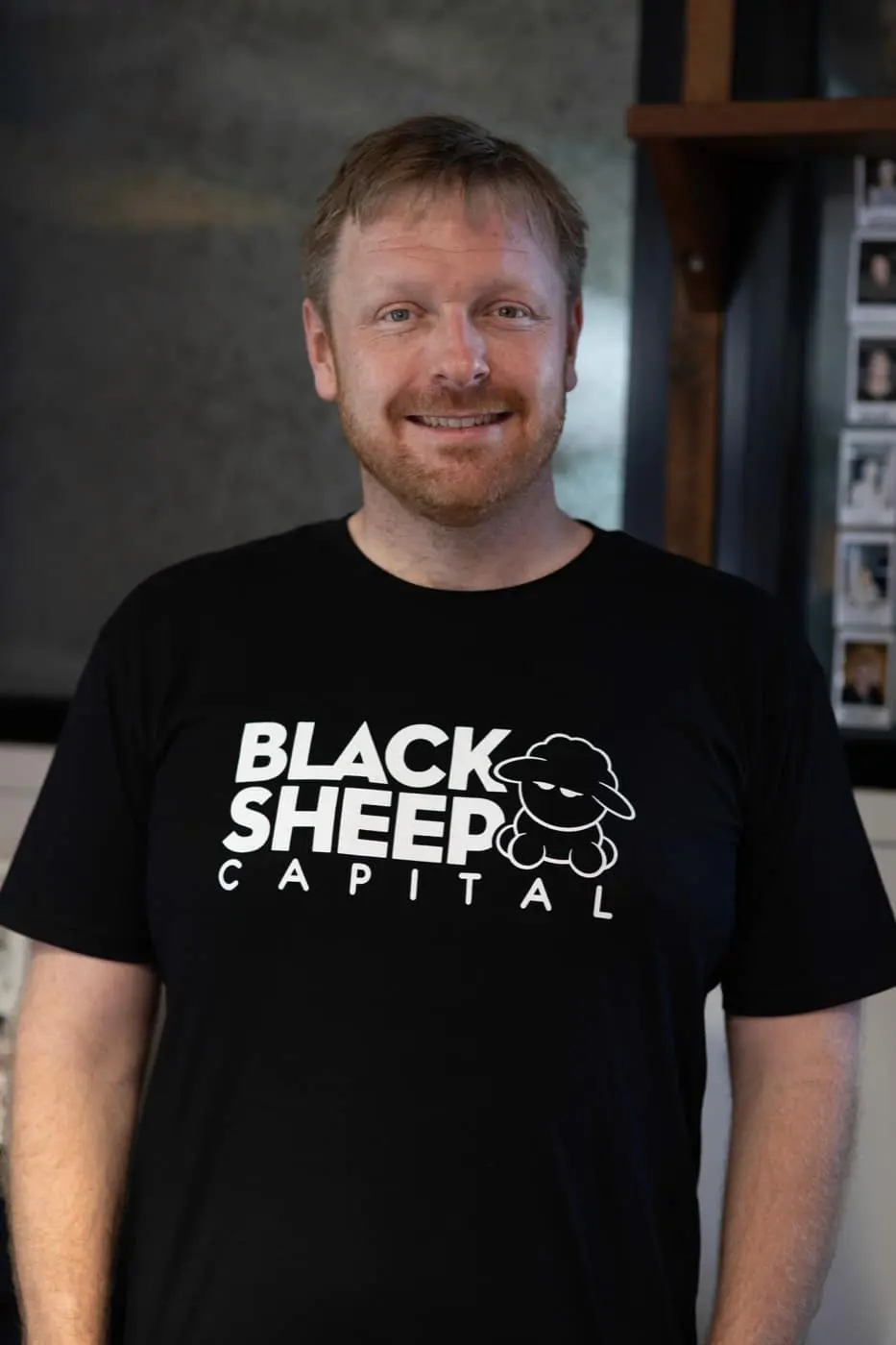

 ▶
▶ ▶
▶ ▶
▶