Transcript Synced · select any line to jump ▾ 0:00 Taryn Williams: Gah, I know, I look back on it now and think it was pretty crazy. I was 21 when I started Wink. 0:04 Pauline Fetaui: Pretty amazing and courageous at 21 to do that. 0:07 Taryn Williams: There's a lot of things that to me just felt like, gosh, this could be done better and more efficiently, and we could use tech and systems and processes. And so I thought, well, okay, I'm just going to start my own agency. 0:16 Pauline Fetaui: 2006 was Wink Models. 2016 to 2022 is The Right Fit, and 2020 to '23 is The Influencers Agency. This is crazy. It's like every year, just like birth a new child. Was there any collateral damage or was there any opportunity cost to choosing these companies in your personal life? 0:40 Taryn Williams: The inherent cost of the mental load and toll it takes on you, I think. And maybe some people are just way better at balancing it than I am. Yes, you're technically away, but you're never not working. I would still join our product meeting every week and all of those things. So you're never fully disconnected. And I think that that takes a toll on a relationship. Hmm. But I can understand that it's a pretty— it can be a pretty awful existence to be. You're listening to a Day One FM show. 1:20 Pauline Fetaui: Taryn Williams, thank you so much for being here today. I am absolutely thrilled to have coincidentally met you at dinner earlier this year at the wonderful South Start Festival, asking you way too many questions, interrogating your life, to later discover what a powerhouse you are. Not only are you such a genuine person with such a beautiful heart and so much openness, but— and I was thinking, "Oh, I wanna talk to this woman more. I just need to know more." But you are a powerhouse. So I'm gonna— I've done a little bit of a, um, I'm gonna read out your, um, a little bit of a snapshot of, of some of you, parts of you anyway, before we get into it. So most people know you as the woman who started a modeling agency in your early 20s with $30,000 and no roadmap. That is barely what you are. You built Wink Models into one of Australia's most respected commercial agencies. Then rather than protect what you built, you turned around and disrupted it. You launched the right.fit, a marketplace that, well, agencies historically resisted, but it put the power directly in the hands of the talent. You raised capital with one of Australia's leading VC firms, venture capital firms, Airtree. You scaled to 17,000 in talent and 11,000 clients across APAC. You exited two businesses to international acquirers in 2023. And while you were doing all of that, you were sitting across boards, building new ventures, advising founders, and in the last few years you crossed over to the other side to become an investor yourself. What strikes me most is you don't follow any pattern, which normally VCs look for. They look for the pattern, patterns in people of their prior successes. And why I think you don't follow a pattern is you seem to run multiple companies at the same time, and that is definitely typically a VC no-no. So today I want to understand a little bit about how your mind works, um, what are your motivations, your beliefs, what's really running in the background. Um, and one thing I, I want to dive into later is you have noticed that your worth is attached to your success, and I want to know whether you got the answer to that, if that's really the case, or what's really driving that underneath. But let's go back a little bit. I want to start at the beginning. Uh, welcome. Let's talk about when you were 15, and you were entering yourself scouted as a talent, and you were still figuring out who you are, obviously very young, but you walked into an industry that was sizing you up. How did that experience go and how did that set the trajectory of your next steps? 4:08 Taryn Williams: Thank you so much for having me and thank you for that beautiful introduction. Yes. So I started modeling at 15. And you know what? There was— it was such an exciting, obviously, industry to go into at that age. Prior to that, I'd been working in a cafe like every other teenager, I'm sure, and I was really passionate about work. I worked really hard, I loved it, and I thoroughly enjoyed sort of the independence that having money gave me. And modeling was sort of the ultimate opportunity to meet and be exposed to so many fascinating people. You know, you're on set with incredible photographers and creative directors and brand managers and marketing managers and, and often company owners too. And so I just, I really loved it. It gave me so much world experience at such a young age, and I got to travel, I got to meet super interesting people, and I guess I got— I really got exposed to a lot of things that you don't normally get exposed to at such a young age. And I think for me, inherently, it was all very good. It was a really very positive experience in the sense that I probably had enough maturity and my parents had given me enough grounding, I think, to to understand things. Um, and so yes, there were downsides. You know, there was certainly the main friction, I think, in the industry was just that the inefficiencies and probably inequalities in how talent are paid. So it's a constant fight to get paid. And there was definitely times where I had to go to small claims court to get paid by clients and things like that. So yeah, that's, that's definitely like a downside of, um, you know, you're certainly not getting paid every week like you are when you're working in a cafe, so very, very different experience. But, you know, the, the upside is, is that I, I really got to experience inherently being a sort of small business owner from a very young age. Like, you are working, um, whilst I had an agent, you know, you are working essentially as your own small business, um, and managing cash flow and, um, diary, you know, all of those things. So it was an incredible experience. 6:09 Pauline Fetaui: And, um, at what point, uh, did that experience of, you know, obviously being able to practice being a business owner turn into actually then going and forging your own business? 6:21 Taryn Williams: God, I know I look back on it now and I think it was pretty crazy. I was 21 when I started Wing. Whilst I'd had really great agents through most of my modeling career, there were just a lot of pain points in— I guess I had the naivety of, you know, this could be just done so much better and it doesn't need to be this hard. And why can't we just get paid every week like you would or every fortnight like you would in any other career? You know, why is there sort of a 90-day wait for payments? Why is it that we have to just call in the night before to find out if we've got any jobs the next day? There's a lot of things that to me just felt like, gosh, this could be done better and more efficiently, and we could use tech and systems and processes. And I guess it was a, it was a cottage industry, highly fragmented, and there was no sort of major player that I guess had built out any sort of robust systems, processes, ways of working. Um, or really lobbied for change in the industry. And so I thought, well, okay, I'm just going to start my own agency. I'm going to bankroll payments, pay talent within 7 days. That will mean that talent can afford to stay in the industry that they love, um, clients will get a better outcome because they'll have talent who are enthusiastic and committed and, you know, show up early and do an amazing job because they really believe in the agency. Um, so I could just see that it could be mutually beneficial for all parties. It didn't have to be at the cost of the client, you know, losing out, or, you know, either side. So, um, yeah, so I started Wink, and the idea was— it was originally the name came from— it was supposed to be like a wink of acknowledgment, like invite only, a very selective small agency. Was certainly not supposed to grow into what it has become today. And we started with about, God, maybe 30 models, 20, 30 models, and it grew completely organically. It was incredible. You know, we had talent referring other talent because they, they could really see what I was trying to build, um, that I really, um, I really wanted them to succeed, you know. For our clients, I went above and beyond, you know. They'd come through with last-minute briefs or anything like that, you know, or a crazy brief where we didn't, you know, we didn't have the particular thing that they were looking for, but I was like, I will find it for you. I will get out there. I will street cast. I will hustle. I will make this happen. And so I think both sides could see that I was really willing to to do anything to make sure that their campaigns were a success. And I think that that was just a little bit different in the industry. And so clients were willing to trust me with their campaigns and talent were willing to trust me with their careers, and it sort of grew really organically from there. 8:50 Pauline Fetaui: It's pretty amazing and courageous at 21 to do that, and also embarking in technology. So you, you were managing the payments and you had actually started with tech from day one, or or did that come a little bit later? 9:04 Taryn Williams: So when we got to about, God, I know, maybe 200 models, something like that, um, prior to that it was being run very much like a traditional business, you know, um, spreadsheets, email. Because our industry moves so quickly, our clients would text us, we would text the talent, hey, got a casting for you at 2 o'clock today, off you go. And I was like, my God, there's so much opportunity for human error here, and this not scalable, and anytime a booker left the agency, we lost all of that domain knowledge that was kept in their heads. So I was like, I've got to build a better system here. And so I thought, I'm going to build an app. I'm going to build something that checks talent availability, can schedule them into castings, has push notifications, can deal with timesheeting and payment. So at the end of the job, they can log how many hours they worked. We can bill the client correctly, all of those things. So I'd never built a tech product before. Gosh, this is probably maybe, I don't know, 15, 17 years ago, something like that. And so I went out and got 3 competitive quotes from different agencies to build this, and it just turned into a bigger than Ben Hur build. And, you know, I really enjoyed it. It was obviously well outside of my skill set, but I really enjoyed learning the process of like wireframing something or taking something from an idea to actually building it into a product feature. Obviously what I didn't do was build an MVP. I just built this entirely complex— you know, any idea I had, oh, we should be able to filter by what driver's license someone has, or, you know, do they have their RSA, or any single thing that I'd ever been asked by a client ever, I built into the product instead of just building an MVP and iterating. 10:38 Pauline Fetaui: That's what you call gold plating. 10:40 Taryn Williams: Correct. So look, it became a very, very big, complex product, but it completely transform that business. And it just made me fall in love with technology. And it streamlined, obviously, the workflow for our clients. Our talent loved it and still love it. You know, it makes their lives so much easier. They can see all in one place, all of their bookings, all of their castings, payslips, past payment history, superannuation. Like, it's just— they onboard through it, they manage their diaries through it. It's just incredible. And I got to the end of that build and went, oh my God, what I should have done is built this as an open source platform for clients to use instead of clients calling us brief and then us entering it into the system. And so it was just around the time that Freelancer had launched in Australia, and I was like, right, maybe I could have built this as a marketplace. And so a bunch of, um, our clients and said like, look, obviously I deeply believe in our agency. I think we're great. I think we add a lot of value. But if we were to build a marketplace where you could find photographers and makeup artists, stylists, influencers, as well as models, is that something you'd want to use? Would you have the comfort of posting your brief, choosing who you want, negotiating directly, if the platform could deal with the complicated stuff? So contracts and insurance and payments and all of that stuff. And so this time I actually went about the process of doing, you know, proper customer research first, doing lots of sort of persona identification. Built an MVP and went out and tested it with some customers. And when I could see that, okay, yep, this is something that's got legs, that's when I decided I was actually going to build the product. And, um, that then became The Right Fit. 12:21 Pauline Fetaui: Got it. So you were running and building that, The Right Fit, at the same time as Wink? 12:27 Taryn Williams: Yeah. So I was really lucky. I had an amazing team at Wink. I still have an incredible team there, and they make all the magic happen on a day-to-day basis. This. Like, I, I always joke now that things only come to me if something's really, really broken. Um, so I had a really great managing director in that business. Um, but, you know, I think I did have a lot of ego attached to that in the sense that I was like, well, if I leave Link, like, it was, you know, it's that sort of founder mentality of like, I don't know how the business will survive without me. You know, there's so much key man dependency. You know, I make all the magic happen. You know, it really wasn't true, but it was actually how I ended up meeting Airtree was that I had been speaking to a friend about this who is invested in a lot of different companies, and I was like, look, you know, when you're looking at investing in a company, you know, at what point do you recommend to the founder to quit their day job? You know, it's obviously most people are leaving their job, I don't know, KPMG or whatever, and going, right, I'm going to go all in on my startup idea. At what point do you usually recommend that they do that? And, you know, he gave me some advice and he said, look, go and talk to a few venture capitalists and see what their advice is on this. And like, is it— are they looking particular metrics? Are they looking for, you know, passion? Is it— what, what is it? And yeah, I went to see Airtree and they were like, look, we think it's a great idea. Because I was like, look, should I get someone to run the startup? Should I stay in Wink? Should I get someone to run Wink? What would a transition plan look like? And they said, look, why don't you raise capital? We would, you know, we'd love to back you. We think it's a great idea. You can see that you've, you know, got some, some inkling of sort of product-market fit here. And, and why don't you go and, you know, really throw yourself into this venture. And I was like, oh my God, I hadn't even considered raising capital at that point. That was not at all on the horizon. So I said, I came back, we had a really lean team. I think we had maybe 3 people, 4 people in the team at that point. I'd been lucky that I could obviously bootstrap the company myself. Um, so came back to the team and I was like, what do you think about this? Like, big step, you know, should we do this? And the team were like, well, you know, we actually had a really robust conversation about, you know, I knew it would sort of change our trajectory and really expedite our journey. There was obviously pros and cons of taking capital, and we worked through it all as a team and, and decided, yeah, let's do it, let's go all in on this. 14:37 Pauline Fetaui: So let's just, um, wind back. You said you're lucky that you had bootstrapped to that point. I don't think that's luck. That's quite, um, quite a lot of hard work putting in, uh, discipline, focus to be profitable rather than going and getting venture. I think there is a little bit too much of a default to go get venture for a lot of the startup ecosystem when it really doesn't signify much apart from you're willing to go into some form of greater obligation to someone else. 15:03 Taryn Williams: Yeah. 15:04 Pauline Fetaui: To follow through on the big vision you've got and without much grace in between and you're into ruthless sort of, you know, boardroom cycles and demonstrating your worth every single month basically until your next raise. So let's just say that I don't know if it's luck because I think what you've shown is that you definitely are a builder and you're able to actually build something with a market validated, even though you didn't do the MVP for Wink in the beginning. Some could say, well, actually, you probably did it the right way. You got your customers first, you got your business model sorted first, you understood all the problems regardless of how hairy it was, and then you went down the path of building a platform that obviously they love. And then you found another idea that took it in a different direction. Was there much disruption between— and pardon my ignorance on your platforms— but was there much disruption between the right RightFit and Wink, um, at the time? 16:01 Taryn Williams: Yeah, so completely different products. Wink was very much a custom platform that is purely designed to run a full-service talent agency. Really, I could have white-labeled, sold it to other agencies. It was sort of another path that I sort of thought about going down, but it's very much sort of manages a very complex payroll integration, you know, sort of end-to-end service. The RightFit is very much had to be very clean and easy to use UX, very much a different, you know, needed to be a one-to-many relationship of clients being able to post a brief, get quite granular in what they were looking for, that to automatically send out to talent who had registered on the platform. So we needed profile creation, um, peer-to-peer payments. Um, it was, yeah, a really, really complex, very different build. But I had a lot of key learnings around, you know, the things that I guess I had a lot of the domain expertise in, at least what clients and talent needed from both sides. And also, I guess, a lot of the, the knowledge around things like talent needing push notifications and quick reply SMS and the fast nature turnaround of the industry and the type of profiles that clients will need to see, you know, having video and photo and full bios and links to social, those things. 17:14 Pauline Fetaui: So quite revolutionary for this industry at the time, I bet. 17:19 Taryn Williams: Yeah, I probably didn't realize it at the time too. Like, I think that marketplaces was so new, like, I don't think Airtasker had launched yet. Was a very, very early time thinking about using open-source marketplaces. You know, Airbnb certainly wasn't, you know, a common thing people used. So, um, it was a very early time in the idea of finding and sourcing things or talent on marketplaces. Um, obviously now people are so much more comfortable with it. 17:47 Pauline Fetaui: So, um, so thank you for paving the way for your industry. Um, so, so give us an idea how big Wink got to. And then the right fit. 17:56 Taryn Williams: Yeah, so Wink now has, gosh, probably about 380 models, something like that, Australia-wide. We used to service all of Australia. We closed Perth and South Australia, uh, during COVID and didn't reopen those states, predominantly just because most of our business is in the east coast of Australia. So yeah, and we have, you know, incredible clients, um, you Brands like Qantas, The Iconic, David Jones, lots of amazing beauty brands. And we do a lot of sort of lifestyle campaigns as well. So you sort of big blue chip banks and telcos. So it's an incredible business. I have such an amazing team. We have models that have, you know, some of our models have been with us since day one, which is sort of mind-blowing. They've gone and had children and come back and yeah, so it's really beautiful. And then The Right Fit grew to, yeah, about 17,000 talent and about 11,000 clients across APAC. So a huge mix of influencers, photographers, creative directors, um, actors— really, really interesting mix of creative talent. And on the brand side, you know, everything from sort of top-tier production companies and movie studios, and, and then direct brands as well who are using it to cast their campaigns, you Koala were one of our very earliest adopters and used it for a lot of their campaigns, which was, you know, I think we all sort of grew up in the same startup chapter. Bailey Nelson, you know, all of those sort of brands. So yeah, it was an incredible journey seeing it grow. And, and certainly I learned a lot through that, that journey. 19:34 Pauline Fetaui: What is it like running multiple businesses still growing at the same time? Like at what point? I know you obviously got some investment, you had some solid teams in place. You had a lot of trust in your Wink team so you could actually focus on the right fit. But I'm surprised— or maybe I'm not surprised— like, did, did Airtree at any point going, hey, you really need to let go of Wink and go all in on this one? Like, did you ever feel that pressure? And what was it like running those two organizations at the same time? 20:04 Taryn Williams: Yeah. So when we raised capital, I stepped completely out of Wink and didn't play any role in the business. Purely for that reason. You know, it was one, I knew that growing a— building a tech company and growing a fast growth startup was going to be all-consuming in itself. Um, and secondly, obviously, like, I felt a huge responsibility to our shareholders to do the right thing. And these people had trusted me with their money and belief in my idea. And I was like, I need to give this 110% and the absolute best I can give it. And as you would well know, like, building a startup is like a 24-hour-a-day, 7-day-a-week job. Like, there is no sort of— there's no opportunity for anything else. You don't have a personal life, you don't take holidays, you know, it's just, it's all that. Um, so I was very lucky that Wink continued to sort of grow without me, and that comes down to having a really great team. And probably for, God, you know, 6 to 12 months, I really— there was very little handover. I was kind of like, good luck, godspeed, you know, see you on the other side. I was so busy and so consumed in, in, you know, delivering this business. So, you know, after that, I certainly had a much more regular— probably probably had a management meeting with the team, I don't know, once a quarter at least, um, to catch up with, you know, how things are going or whatever. But very lucky to have a great team, really good, you know, having that tech platform really sort of meant that the system processes and for scale, and, you know, the data was really clean. It gave our management really good sort of structure to work from to scale. So, um, yeah, there was definitely no way I would have been able to do to grow both of those effectively and do both of them effectively. And certainly a challenge that I came into when I had The Right Fit and Hash Gifted, trying to do both of those at the same time, it's just— it was hard. 21:53 Pauline Fetaui: So tell me a little bit about the next journey. So you obviously, you had Wink, you, you built that entirely alone, got it to a point, you then started The Right Fit, then were working on another project. So can you tell us a little bit about those chapters of the next two businesses, I guess? To the point where you got to 2023 and your exits. 22:13 Taryn Williams: Yeah, so I started, um, the Influencers Agency maybe, yeah, I don't know, 4 years ago, 5 years ago, I don't know, the years escaped me, because we had a lot of clients coming to The Right Fit who wanted to book influencers, had really large budgets, um, but didn't quite know what to do. 22:28 Pauline Fetaui: 2020. 22:30 Taryn Williams: There we go. 22:35 Pauline Fetaui: So let me just recap for everyone so we have it right. So 2006 was Wink Models, that— and you're still running that. Well, you're not running it, but you're still, um, that is your business. 2016 to 2022 is The Right Fit, and 2020 to '23 is The Influencers Agency. 2021, this is crazy, the Gifted, a hashtag Gifted, another company that you co-founded. And then 2023 2023 is like every year just like birth a new child, um, is Notable Co, which you're the founder of. And then 2025, you co-founded Online Model Academy. 23:20 Taryn Williams: Yeah. 23:21 Pauline Fetaui: And that's in addition to board roles that you take and everything else that we've just talked about earlier. Okay, so just so everyone understands, like, you obviously, you're an absolute startup builder. Like, you would just tell us about the journey, like, what, what's inspiring you when you're actually running and plate is full and then you're like, I have this other idea, let me go after it. 23:40 Taryn Williams: Yeah, I think, I think that's the problem is like it's— I tell people the pain is in the execution, right? Like ideas are free. So I've got, you know, bottom drawer of ideas that I would love to go and execute, but the pain is birthing them and, you know, running them and scaling them and building systems and processes. So yes, so I see the opportunity for the Influencers Agency because we just had so many clients who wanted to do influencer campaigns. Didn't have the confidence to use a place yet. It was obviously a very new industry. People weren't sure how to vet influencers, how to brief them, what to ask for, how to, you know. So I built an agency to serve that need, and to, you know, it sort of fed work back into the Right Fit as well. So it was sort of mutually beneficial. So I sold both of those businesses to the International Group. I'd had this idea for #Gifted, which is a platform that connects brands and influencers and creators purely for contra gifting campaigns, so unpaid collaborations. So things like clothing gifting, hotel stays, restaurant visits, because again, I could see that in the marketplace we only charge a commission of each transaction, um, and obviously you can't charge a commission on an unpaid hotel stay. But there was this, um, contra industry happening out there of creators wanting to collaborate with brands for contra-only exchanges and brands wanting to be able to do gifting at scale, but not having a way to do that. You know, there was sometimes they would engage a PR agency to do a mailout. Sometimes they would just reach out to creators directly and, and try and do it that way. So I was like, oh, this can definitely be solved. That was the idea for Hashgifted, which, yeah, is sort of 3 or 4 years old now. Uh, again, has really great team. Brands can connect their Shopify and do automated gifting through Shopify if they've got a Shopify account. And it captures all of the platform content into the platform for the brand. So they don't have to worry about missing an Instagram story or a TikTok post when creator mentions them. It's all automated for them, um, and they can use that for assets and, um, amplification and whitelisting and all of those things. Um, creators, they can swipe left and right through products and services that they want to receive, and if the two parties match, brilliant. It's low lift, it's exciting, it's fun, and And it means that creators only receive products and services they want instead of being sent things all the time that is unsolicited. 25:58 Pauline Fetaui: So, and it opens up such— it opens up such an opportunity for the brands themselves. I'm just thinking of all of the sort of early-stage companies that have brands that just are coming out and what an opportunity that is to even access those influencers. 26:12 Taryn Williams: Yeah, exactly. And then Notable came from— I was being asked to speak at so many events and functions and there was a sort of birth of this new B2B influencer, um, and sort of founder-generated content and the desire for sort of B2B brands to be able to unlock expertise from founders and, um, people that probably hadn't traditionally considered themselves public speakers, maybe. So I could see this opportunity to pair— again, sort of comes back to talent— pair really great talent in this case founders, CTOs, entrepreneurs, CEOs, CMOs with all different kinds of opportunities. So whether that's board roles, whether that's public speaking engagements, whether that's brand partnerships. So really sort of a B2B agency. We also host curated events for brands, so getting really great people into a room. Money can't buy experiences with great speakers and building sort of community. And then Online Model Academy was an idea I'd had bubbling since COVID and had just never got around to building. So because so many great young talent want to get into the modeling industry and have a burning desire and don't know where to start, I would get asked constantly by people, do you have, you know, can you have a coffee with my son? Or can you, you know, my daughter wants to model, can you have a quick call with them? Or what advice, where should they apply, what sort of photos do they need? And I was like, I'm just going to build a course for this. So I sort of reached out to a bunch of great industry experts, um, that I have in my network. So the creative director and head of casting for Australian Fashion Week, the ex-head of IMG Australia, top international models, top international makeup artists. So I just wanted a really great platform of expertise. I actually don't feature in any of the content myself. I wanted it not to be the Taryn Williams show. It was really about the best in breed experts that I would have loved to learn from when I was starting out. And so built a platform that people can buy a great— I think it's, there's 68 modules or something like that, um, that they can go through and come out at the end feeling really clear and really equipped as to if they want to become a model, um, what do they do, how do they go about it, what do they need, what do they need to know about the industry before they get started. 28:27 Pauline Fetaui: I love this, and I love that you say, um, you don't want it to be about the Taryn Williams Show. And that's just like, it seems that that was my first instinct with you, is that you extremely humble, and I would love to know what drives this, is you seem to just be so immersed in the problem you're solving at any given time that you actually don't have time to sort of collect your accolades along the way or identify or over-identify with any of these things that you've built. It's like you, you're listening to the market and you're going, hmm, they keep telling me this. Let me go and build something and solve that so they can kind of like— so you can just sort of it's done, and then I move on to the next thing and do the next one, then the next one. So you don't really have the time to sort of— some people do sit on their laurels and go, oh wow, I've built this, and it's like one masterpiece, it's beautiful. But you don't even seem to sit and have space to, to do that. Is that a true account, or what's going on there? 29:20 Taryn Williams: Yeah, and I think, look, I love sort of 0 to 2 years in a business, like that's my sweet spot. I love the problem identification, bringing sort of resources, talent, you know, around a problem and going, okay, capital, the right sort of strategic advisors, and going, okay, great, I can build this, I can get it birthed into the world. Um, and then, yeah, and then I do get excited about the next thing. Um, so there's probably merit in, you know, staying and scaling and sticking one thing out and really throwing, you know, everything into one venture. You know, I look back and think, oh God, what could what could the right fit have been if I, you know, stayed and scaled it and really, you know, really put the pedal to the metal? Or what could Wink have been if I didn't? Or Hashgift is another good example, you know, that could be something more. But, you know, there's also the things that I really enjoy and the things that I'm really good at, um, and I recognize that there's— I don't enjoy being a CEO. It's not where I want to spend my time. 30:17 Pauline Fetaui: So, well, I think I commend you for that because a lot of people don't actually recognize that, and then they end up suffocating their business because they stay too long. So it's really, it's, it's admirable that you, you notice that that's where you love to play and you're good at that. Who's to say that you just don't pick the right— like with Wink, you don't pick the right CEOs who could take it to that next? Because there are some amazing, you know, operators that love that, you know, from the growth phase onwards to take it to where it needs to go. And that Stephen Bartlett does that obviously with all his businesses. 30:49 Taryn Williams: Yeah. 30:51 Pauline Fetaui: So you could definitely, you could definitely be playing the same game as that. And I think running multiple businesses because you have a passion to solve problems, I would love to see more entrepreneurs do that because you're following— it seems like you're following your passion and your purpose rather than just doing what they're— what the textbooks, I guess, say to do. 31:10 Taryn Williams: Yeah. Yeah. And I think it definitely took me into my 30s to, to figure out what I'm good at, what I enjoy. What bits are not my sweet spot, um, the kind of people that I need to be coupled with to be really successful, and, you know, where I can add a lot of value, like an outsized amount of value, versus— and, and so I think that takes time, it takes runs on the board, it takes scar tissue, it takes, you know, a lot of self-reflection to get to that point. 31:37 Pauline Fetaui: Let's turn to your exits. So in 2023, you exited two companies, The Influencers Agency and The Right Fit, if I'm correct. Can you share what the process was like from the point that you said, okay, I'm going to sell these, um, and the transition? And then did you ever experience any identity loss as you were exiting these businesses? 31:59 Taryn Williams: Yeah, so we'd received inbound approaches from a private equity group probably 3 years in the lead-up to this particular exit, and we could just never get there on price. We couldn't get there on terms. We could never get the deal to quite look right, but it had sort of been this ongoing process, ongoing process. And thankfully, you know, the business was cash flow positive, it was growing really well. And so in some ways, you know, I was master of our own destiny. There was no pressure to, you know, we didn't have to go out and raise more capital like that. And we came through the COVID period really strong. Um, and I think that that was probably my biggest concern, is, you know, was that going to have a negative impact on the business? Because as you can imagine, you know, it was a period where we couldn't go to photo shoots, and it was a long time. But actually, you know, some of the other revenue streams in the business really picked up, and Um, there was actually talent to shoot content at home, a lot of things that we could actually really lean into. So on the back of that, the conversation with this particular private equity group out of the US really progressed, and we're getting very close on terms. And that's when I decided to run a proper process and go out and think, okay, it was the right time to sell the business. Um, I felt like I'd scaled it to the— to where I could get it to, and that for it to really get to the next phase, like for it to really expand definitely into the US at least, was going to require a significant chunk of, of money. But also really great partners. And so I was looking for people that had that footprint in other markets and that could take the business to the next sort of level and really unlock what I'd built. And so we ran a formal process, you know, and went out and did thousands of management meetings and calls. And, and yeah, it was a really, it was a really tough process just in the sense that, you know, it's obviously it's your baby and, you know, you, you want it to I wanted to really see the business continue to thrive and grow and go to, you know, good owners. Um, obviously you want the right thing for yourself, but also for your team and your shareholders and aligning all of those things. And also I was very clear, I was engaged at the time. I really wanted some time off to go and spend with my partner. And, um, and he lived overseas, so there was like a really complicated, um, you know, trying to get the exit to be one that allowed me to go and focus on that chapter of my life and take a breather. I'd obviously been running companies since I was 21, so, and I would have been, um, I don't know, what was this, 3 years? So 37, you know, I really needed a breather, um, and I was pretty clear about that. So I didn't want to do a full year earnout. There was a lot of sort of conditions that I'd got pretty clear about. And so look, it was real, I'm not gonna lie, it was a really tough process in getting, getting the right outcome for everyone involved. And also, yeah, there's a big, there's a big transition piece of going from, you know, as a founder I always say my, my companies are like idea meritocracies. Like, then it's not a democracy, everyone doesn't get a vote, um, that, you know, is— has equal weighting, but it's an idea meritocracy. If you've got a great idea, obviously it will rise to the top and it will be pursued. You know, when you sell a company, it's not an ideas meritocracy anymore. Like, and there's certainly very different challenges in, you know, it's not yours and yours alone to execute in the way that you want. Um, look, you know, the business— the sale went really well, the business you know, continued to grow, and a lot of the team stayed, which was excellent. Um, the transition, touch wood, actually went, you know, quite smoothly. Yeah. And so did I have any loss of identity after? I think it was probably more of a, you know, you go from being 200% in something and you're constantly building, and whether you like it or not, you know, it consumes so much of your time and headspace. Even if you're not physically working, you're thinking about it in the shower. It consumes your thought. And so it was probably more so an adjustment of— whilst I still owned Wink and, you know, wasn't like I went from not having anything to think about, come on, I was still sitting on boards, like I had nothing commercially to think about anymore. But that, yeah, that one thing of, you know, and I'm an office person, so like going to the office every day, 7 AM till 7 PM, all of a sudden didn't happen. And so that was a real adjustment, just going, yikes, okay, like, what do I want this next chapter to look like? Who am I outside of my commercial success? Where do I want to spend my time? Yeah, so I think it was just like a lot of reflection and soul-searching. 36:17 Pauline Fetaui: And how much space did you get to do that? 36:20 Taryn Williams: Not enough, not enough, I think. Um, I had started Hash Gifted already, so whilst I, um, bought in a co-founder into that venture to— with the, with the intention that that would allow me to not have to be in that business full-time, Um, and moved to Panama, was having a breather. That co-founder was like, this is actually a lot more complicated than I thought and probably not right for me right now. I'm gonna finish up. And I was like, oh God. So, um, unfortunately that meant that I had to come. I think rightly or wrongly, early stage ventures really need the brute force of a founder. Um, and I think what I really was trying to do was outsource that found a passion to someone, and you can't do that. Unfortunately, it requires the, you know, brute force of someone dragging it up a hill kicking and screaming. Um, that's the only way that sort of magic happens. Um, so yeah, I didn't actually take a big breather or a big break. I sort of came back to Australia and brute forced that thing into existence. Yeah, and I think, look, there's pros and cons of that. Like, I'm really proud of #Gifted, and it's a brilliant business, and it's doing great ARR, and I'm really, really happy that idea came to fruition. Um, but I don't think I took enough time to sort of stop and reset and reflect and really think about what I want to do next. And also, I think, just take a breather from being all in on something. 37:45 Pauline Fetaui: Yeah, because you've obviously launched two things after that. I assume you have not had the space since. 37:51 Taryn Williams: No. And I think the problem is, is when I'm here in Australia, like, I've, you know, I sit on boards, I spend a lot of time in the ecosystem, I spend a lot of time mentoring and consulting and Um, you know, so it's very hard. I, I was spending a lot of time overseas, predominantly in the Middle East, because being away physically gives me that disconnect. I just am terrible saying no. So until I learn to say no or give myself some balance, um, yeah, unfortunately I throw myself into things. So it's a bigger, broader conversation about what the next sort of 5 years looks like, I think. 38:25 Pauline Fetaui: Hmm. So, um, That was one of my questions. You know, it's, it sounds like, and you mentioned it earlier, that, you know, in order to build these things and also building obviously concurrently multiple businesses, it comes at a significant cost. You don't have a life, you don't have time, you don't have a personal life, you said. So you obviously engaged at 37. Was there any collateral damage or was there any opportunity cost to choosing these companies in your personal life? What was the sacrifice? 38:56 Taryn Williams: Oh yeah, absolutely. Um, yeah, I was married in my early 20s and then engaged again in my early mid-30s. Having running my companies and, and being all in on, on commercial success definitely played a role in, in those relationships breaking down. I think just the inherent cost of the, the mental load and toll it takes on you, I think. And maybe some people are just way better at balancing it than I am, And the fact that, yes, it's unpredictable by its very nature, but with the best of intention, you know, I, I still, for example, I would still take 3 or 4 weeks off every year and, you know, go and spend 4 weeks in Europe. But during that time, yes, you're technically away, but you're never not working. You know, you're on email all day, you're still, you know, on Slack, you're still joining, you know, I would still join our product meeting every week and all of those things. So you're never fully disconnected, and I think that that takes a toll on a relationship. Relationship. Um, and I'm very, very fortunate that I have a number of friends who are entrepreneurs, and so who totally understand this. And they understand that sometimes, you know, weeks go sideways and you're like, you know what, sorry, I can't come to your birthday, everything's gone sideways, I've got to, you know, deal with this big problem, or, you know, I can't close and I've got to go to the US, or I've got, you know. And so some people really understand that, but I can understand that it's a pretty— it can be a pretty awful existence to be on the receiving end of as someone's intimate partner. So, um, yeah, I fully accept that that was, um, definitely something that I wasn't just adept at the time to juggle, um, giving both things all of my attention, time, and energy. So I do think, yeah, it really does have an inherent cost that can be on your health too. Like, there were certainly chapters where I was very clear that it was— there was only so many hours in the day, and putting in other things had to mean that something else had to come out. So whether that's yet personal connection, whether that's health, exercise, all those things, you know, it's— I have not seen any other way to do it apart from brute forcing your way through things. 40:59 Pauline Fetaui: So for a period of time, what has to happen, you know, like I think a lot of people listening to this, especially as a woman, some people would go, oh, you know, that's really sad. And, you know, she's chosen her career or over, you know, her personal relationships. But then if I look back and we look at all the countless men who have done that for, you know, hundreds of years, and they've had women who have stood by them the whole time holding it all together in the background. It just sounds like you need a courageous man or woman beside you in order to be able to, to be able to match your energy or match that level or be as busy as you are, I guess, in order to, for it to work out. Because, you know, so many people have been doing it for a long time, but I guess I don't really look at it like, oh, okay, well, poor Taryn. Yes, it's a cost, but the things and the impact you're making to your industry is quite significant to other people's lives. Like you said, models that were going away on maternity leave and coming back, and they had the opportunity to do that, and you were looking after talent in an unprecedented way. So yeah, so you— it's come at a cost, but you've been— you've done a lot for your industry. Do you ever look at it like that? Or do you have some form of regrets when you look back? 42:15 Taryn Williams: No, I mean, I've had, I've had such an— I feel like I'm so lucky and I count myself as so blessed. Like, I've had such an amazing life and I've got to travel, I've got to build businesses, I've had incredible relationships. Like, I'm still such good friends with, you know, so many of my significant ex-boyfriends and ex-fiancés, and not my ex-husband, but all of the others pretty much. Um, and, you know, I, I think that that's great. You know, you have people for chapters and incredible friends. I have a great family. Like, I, I certainly don't look back. There's— would— is there things that I would do differently? Sure, like definitely, um, you know, some of the fights that you pick along the way, um, but I think no, inherently, like, I've, I've had a really blessed and fortunate life, and, and I feel like there's still so much of it left to go. I don't regret any of it. Would I probably have sequenced things differently? Maybe, like, for sure, benefit of hindsight, And I think it's so shaped who I became. I don't think that I would have had— I don't think I would be the person I am now with the maturity and ability to reflect. And I think the buffing out of some of my edges, I don't think would have happened without all of those experiences. So yeah, I love that. 43:27 Pauline Fetaui: And I'm really happy for you that you have that outlook because I think I definitely would as well. Now, you have talked about openly in other interviews about your fertility journey. That, of course, you've mentioned openly that, you know, that's also an opportunity cost as you've been building. Have you had much reflection since you've last talked about that, and where do you sort of stand now with it? 43:53 Taryn Williams: Yeah, oh my God, and it's amazing. In the last week, I've had 2 or 3 people reach out and ask for advice on this, and I'm like, oh my gosh, very happy to share. 44:00 Pauline Fetaui: Thank you, because I wasn't sure whether to bring it up, and I was like, no, no, this is really important. Because even I am curious. I, I never had a child either, and yeah, I chose other things. Yes, please share. 44:12 Taryn Williams: Yeah, so I'm 40 now, um, and I didn't freeze my eggs until I was 35, I think. Um, and it just sort of wasn't discussed or raised or really thought about. I was very unsure about whether I wanted children anyway. Um, I think in my 20s, no, then in my 30s, maybe with the right person. And so I'd ummed and ahhed about it in various relationships, considered it, but I'd really not given thought, or nor had it ever been suggested to me that, you know, you really kind of do need to give it some thought and do something preventative or proactive about it. Um, so I did freeze my eggs in my mid-30s, but I definitely wish that I'd done that sooner. I lecture my younger staff all the time, and I'm like, just, you know, just take the time out. It's actually far less complicated and far less, you know, grueling than it's made out to be. I mean, I guess that's a person-by-person thing, but I certainly didn't experience, you know, any sort of awful side effects or anything like that. Just take the time out, get it done, do it in your late 20s, and know that obviously there's no guarantees, but just sort of mentally you've put some proactive thinking down about it. Um, because I do think you can't have it all at once, that's for sure. You know, you can certainly have it all, but you have, you know, different chapters of time. And so yeah, it's still not something that I'm 100% sure as to whether or not I want to have children. And obviously the technology is changing all the time. And I had a friend who had a baby 2 years ago by surrogate. I had another friend who had a baby naturally at 45. And I think there's different relationships, different— you know, some people are super happy just being a stepparent, um, some people adopt. So I don't know what that sort of personally looks like for me as yet. And for me, it's very much dependent on the relationship, more so, you know. I have no desire to have a child on my own at all. But yeah, I think it's something that's really not talked about or focused on, and I think as women, it's something we need to sort of probably support each other more and talk about more and be like, hey, put this on your radar. Have some conscious conversations, you know, with your friends, your family, with your, with your doctor about it and get a plan in place and just understand the stats and the odds. Because yeah, it's actually far harder, I think, to fall pregnant. I think a lot of people are starting to realize now than probably realized. 46:26 Pauline Fetaui: So it's actually about to get a lot harder. So with the testosterone levels declining year on year, it's predicted by 2030 that if you're in your 30s, it will be very difficult to conceive naturally. 46:38 Taryn Williams: My gosh, I didn't know that. 46:39 Pauline Fetaui: Yeah. So it's— there's global stats everywhere about it. We've got a few companies that are trying to solve the problem of this. One is— has actually— it's really quite interesting and it's really basic when you think about it, but created underwear for testicles that have the correct sort of, um, cooling system that enables— that have actually— she's got, she's got research and statistics showing that it's improved pregnancy outcomes for her patients, including her own experience. She's, um, which she struggled with IVF previously. So it's— there's so many things that need to be done. Like, it's a real major, major problem. So I'm— that's why I'm glad you're talking about it openly. Thank you for doing that. I think especially as a successful woman. You're absolutely right. Encouraging early 20-year-olds to really consider doing this as only upside, you know, there's no downside to it. And I would love to see more startups in this space disrupting this, you know, creating something that enables the process or that education around how accessible this is now to do as a young woman who wants to choose her career. And sequence things in her way. Yeah, has the choice to do this. I love that you said that. 47:58 Taryn Williams: Yeah, because I think you see a lot more happening in the menopause space, which I think, you know, is great, but I think no one really addressing the chapter before that of thinking about, yeah, fertility and, yeah, sequencing the planning, just even getting the information, I think is still so tightly held. And I remember my doctor saying to me, maybe at like Yeah. 48:52 Pauline Fetaui: I am not surprised. I'm not. I am absolutely— I've had the exact same thing, and I was about 35. So I went and got all these fertility tests. Anyway, I found out that I couldn't have one anyway naturally. And then I was like, why did I go down this process? I wasn't even looking to have one anyways because a doctor told me. A doctor goes, you're getting quite old now, you should consider having a kid. And it sent me on this freaking tailspin. 49:14 Taryn Williams: Yeah. 49:14 Pauline Fetaui: And then through this emotional roller coaster of not finding out you can't have a child. 49:19 Taryn Williams: And then— 49:20 Pauline Fetaui: and it's just incredibly careless, I think. Yeah. Of what people are, you know, putting out there. And I guess that's what the problem is. Like, there's, there's really some sort of fearmongering, you know, with women, you know. Yeah. The only outlet is to have a kid now when there's all this other technology being used for all other things in the world that you can do, like look at peptides and where peptides are going and even plant medicines now. 49:47 Taryn Williams: Wow. 49:48 Pauline Fetaui: But something so, so old as, as time being, having a child and birth as the human species, like we're not really sort of cracking that or innovating that space to go, hey, 20-year-olds, here's a pathway for it. So I implore you, any startups listening who are working in this space, please reach out to both of us. Us. Um, we'd love to put you guys on showcase somehow because this is a space that really needs some attention. 50:14 Taryn Williams: Amen. 50:15 Pauline Fetaui: Okay, so let's go back to, um, uh, your companies. So you stepped, um, from the CEO role for Gifted into a chair role in 2025, and that's kind of like the— is that the first time you actually took a chair role in one of your businesses? 50:31 Taryn Williams: Yes. Yeah. 50:34 Pauline Fetaui: And, and so you, so you basically had a little bit more breathing space, um, you started to think about things a little bit differently. Moving— I don't know if this is true now when I'm listening to your story— you've always been the primary operator for a couple years, but then you've actually easily stepped away. So becoming the chair of your own business while you're co-founding other things, was there any dilemma around the intensity you applied to any of roles or the businesses. How did you actually go— and I, I've seen you talk about this— going from a, you know, being able to have control of the dance floor to moving away to like sort of conducting it from the top? What was that process like? 51:11 Taryn Williams: Yeah, and it was one of the reasons that I went and did the AICD course and decided to start joining boards is I think it's the only way to extract yourself and break the bad habit of being an operator. Like when you're a founder, entrepreneur, operator, like you are used to being all in, 110% in all the details. You know, you see the problem, you solve the problem, you go do it. You know, like, and being sitting on a board is the exact opposite of that, right? Like, it's having ideas, challenges, opportunities surfaced to the board, complete trust in your management team. You only, you know, it's really executed via a CEO. CEO presents a strategy, you know, you believe in the strategy, you interrogate the strategy, and then you support the CEO on delivering the strategy. Very much the opposite of being in the weeds. And so I really wanted to go and, you know, learn and flex that muscle to get myself out of operator mode. And I thoroughly enjoyed that because it— you realize that as a founder and entrepreneur, you pick up so many skills that you don't realize, you know, you've, you've become so adept in so many different areas because you've had to wear all of the different hats over, you know, what have been 20 years of my career.. And so, when you go into someone else's company, you've got that pattern recognition of being able to identify things that are going to become challenges or opportunities or threats and being able to see the landscape and offer so much value that you don't realize that you have. And so, I found it incredibly rewarding helping other organizations sort of scale and grow and go through, you know, existential challenges as a business. And being able to add value outside of executional value is, is something I've really enjoyed. 52:52 Pauline Fetaui: Would you say this has changed the way you would execute your founder role if you were to start a— well, you did start a new business last year. Like, has it changed the way you would operate as a founder now? 53:03 Taryn Williams: Yeah, absolutely, absolutely. I think, um, in what way? I think the value of a good board— I mean, I was so lucky to have a great board at the right but it was very much— it wasn't built on, you know, us sitting down looking at a skills matrix and going, you know, what do we need? It was very much, I know a guy who would be good, or this person, or, you know, obviously your various investors taking a board seat. So I would be much more mindful about how I build a board and good governance. Whilst you have to still move very, very quickly, obviously, in startups and building a company, um, the governance piece, like minimum viable governance, I think is great in a startup, but I think having that there and thinking more strategically and probably more being more considered in operating strategically from day one, as opposed to just moving fast and running really quickly. So yeah, it certainly definitely puts some sort of belts and braces around a startup, which I think are really beneficial long term. They would change how I execute now. 54:02 Pauline Fetaui: Would you recommend other founders to go and, you know, do a, um, course like that, or, or something else to sort of prematurely get those, those insights that you've got now before becoming a chair themselves? 54:17 Taryn Williams: Yeah, I love the AICD course. I'd put it off doing it for, I don't know, probably I'd been sitting on boards, external boards, not even just my own, for probably, I don't know, before that. So I put it off for a long time just because I had this idea that it was going to be incredibly dry and incredibly boring. And I was like, God, I can't, I can't sit for 5 days locked in a, you know, office tower for 8 hours a day, you know, listening to governance material. But it was actually fantastic, and I thoroughly enjoyed it. And it reinforced a lot of the things that I already knew about good governance, but it also taught me some things. And the lecturers or the teachers are fantastic and all came from various— you know, they were industry people who, you know, had real experiences of, you know, going through cyber attacks or, you know, really interesting CEO transitions. And so it's a lot of sharing real-world experience. So no, I thoroughly enjoyed it. It really depends, I think, on what your future career plans are as a founder, as to whether or not you want to sit on boards and whether that's relevant for you. But I do think that as a director of any company, you really should have a very deep understanding of your fiduciary duties and the expectations of a director. Um, just, you don't see enough of that in, in startups and scale-ups. I think there's a very definitely approach to direct— to a director's response. 55:36 Pauline Fetaui: I definitely, definitely agree. Yeah, I think, I think sometimes the early culture that was developed under Silicon Valley has some blame to that, you know, because it's like building, you know, build fast, break things, not really. And then Agile, the Agile framework that came out, which people mistook as, you know, lack of documentation when it's more. But there's— yeah, there's a few things that I think has set that trajectory. Which, which need to be course corrected. And I think a lot of investors are now asking for more, which is, which is probably a good thing of early stage companies. So speaking of investment, you, you then went into the Airtree Explorer program and you yourself are now an investor. Can you tell me, given your, your experience as a founder building multiple businesses and now you're sitting in the investor seat, how do you look at companies? How do you size them up and what are you looking for in a founder? 56:28 Taryn Williams: Yeah, and you know, the hardest thing is often you find— and I'm sure you've had this experience as well— sometimes you find a fantastic founder paired with the wrong idea. And I'm like, oh gosh, you would be so incredible, but I can so see why this idea is not going to work. And you know, and by now you've seen so many businesses, and you know, you start to see— I've seen 15 people trying to solve the same problem, and I can tell you that the unit economics in Australia don't make sense. Or, you know, you've got cold start problem, you never going to be able to solve that in this type of industry. So you do start to get that pattern recognition of ideas that are just not going to work. The other thing, I, I hate being the Debbie Downer on, you know, ideas and saying to someone like, these are the reasons that I don't think it's going to work, you know, prove me wrong, of course. But like, I would much prefer that someone had told me early in my journey as well, like, hey, this, you know, you're pursuing this particular thing, this, you know, I've got pattern recognition that these are not going to work, or your margins in that particular area are going to be wrong, or Um, you know, having that brutal honest feedback I think is so beneficial. So look, it's hard to find great idea, great product, right time. Um, I think you're getting those three things right, um, is really, really hard. I think there's so many great founders coming out of Australia though, um, and I do think unlocking capital here is, is harder, um, obviously than, than in bigger markets, the US predominantly. But that said, there's, there's amazing, you know, VCs and an angel community here And I think the best deals that I see and get to invest in are often ones that are referred to me by another angel or, um, through the venture community where it's somewhere— 58:09 Pauline Fetaui: someone— 58:10 Taryn Williams: I like to invest in things where I can add a lot of value, um, outside of just capital. And that's usually the biggest value add. I think it's usually that, you know, you can connect them to great partnerships tips, you know, that you can unlock opportunities that they just wouldn't be able to get, or that would take a significantly longer period of time and would fundamentally change the trajectory of the company, um, if you can unlock them for them. So yeah, so look, I like to look for things that I can add a lot of value in where I've got domain expertise, or it has to be founder that I, you know, deeply believe in and that I can see has the, the grit and the hustle and the tenacity. And usually it's probably a founding team as well that I'm looking at, like ideally one person who has amazing domain expertise and one person who has great technical expertise. And I think, as you talked about earlier, now I think the, the reason to raise capital has really changed. Now you can build a great product now without needing to raise capital. Um, and so I think finding founders who have, you know, completely embraced AI, who have built a really great MVP without raising capital and understand you know, a raising for scale, not a raising to build, um, I think is probably the biggest change these days. So yeah, I think it's, it's a very interesting time in the global VC landscape because of that as well. 59:33 Pauline Fetaui: I, I love that because I think, um, we're definitely at the most exciting time now with where AI is. Okay, so you've been at the intersection of technology the creator economy, media, and so much more. With all your experience, you're now an advisor to an organization called Think and Grow, and you're advising specifically on AI. And what an amazing topic for you to be talking about and advising on, especially with the opportunity that the world has. So what are you seeing at the moment, and what are your sort of, I guess, insights also into the creator economy and media? 60:13 Taryn Williams: Yeah, I think that's probably what started me on this sort of journey into AI in the first place. Probably, probably 3 years ago, um, I started becoming very aware that the industries that I was in, especially so with the advent of Gen AI, um, it was likely that my industries were going to be very disrupted. And I was like, right, I really want to understand AI, I want to be at the forefront of this, I want to go and do like lots of education. And also what an AI-first organization would actually look like if I was to build something again. And I started thinking about a lot of the proprietary data I have in my companies and was there opportunity with that. So that's probably what sparked the original interest in AI. And I really sort of got very deeply interested in how to solve business problems and challenges using AI and quickly came to realize that the biggest pain point, I think, for most organizations is the people change piece. And the culture change, and that there's obviously so much fear around job loss. And people, I think everyone is in the same boat at the moment of just being overwhelmed with the vast amount of information about AI and the new tools and the pace of change that I think most people feel like there isn't, they don't have a clear path to understanding what their role is going to look like, how to best upskill themselves, and where the opportunities are going to be moving forward, either at an organizational level or as an individual level. And so I started working with Think and Grow because I had so many people reaching out to me saying, hey, you know, I know that you've gone down this deep dark AI rabbit hole, I'd love you to come in and speak to my team, or I'd love to sit down with you and have a coffee. I really, you know, we know we need to do AI as a company, where do we start, what do we do? And the challenges were all quite similar across organizations of not knowing where to prioritize, what to prioritize, where to start, not knowing if they have the right skills internally to be able to do that. So needing to do sort of an audit of their current team and skills, but also where the opportunities lie in the organization. And so it was some really clear, repeatable, I think, challenges across organizations that I really wanted to get involved in and help with. And so And that's the work that I've been doing with Think and Grow for probably the last sort of 9 months. And it's just incredible seeing organizations who are ripe for disruption, who are very aware that their business will cease to exist in the next sort of 5 years unless they fundamentally change how they exist right now. So we've had organizations go through complete AI transformation, which is super exciting and a big scary process to go through, right through to businesses that are, you know, dabbling and go, okay, well, we want to build couple of custom agents and we need assistants going on that journey. And, you know, we want to sit down and map out all of our AI automation opportunities, map out, you know, a really clear understanding of our data architecture and really just having an outside lens to come in and go, okay, like, this is the organization at the moment. This is where you could go. There's obviously one path is operational efficiencies, which is great, you know, cost savings and how can you use AI to make your team more effective and efficient and unlock them to do higher value work. But then what are the future state opportunities? Like, where are the new revenue streams that you may not have ever thought about as a company? Now with AI, you could actually go and pursue. So it's been an amazing— I think it's just because it is across so many different sectors, you know, it's not just ISVs, it's not just fintechs, it's not, it's not just technical companies at all. You know, it's traditional retailers and, direct-to-consumer brands and traditional sort of consulting businesses. So it's been a really exciting time. I do think it's incredibly overwhelming for people. I'm thoroughly enjoying being sort of at the intersection of where it's all happening. And one of the things I've really been enjoying, and that I'm sort of going to flesh out more this year, is bringing people together in ways to, um, learn and understand some of these opportunities. I think I co-hosted at a dinner just recently with Jeremy Cabral, a dear friend of mine, one of the co-founders of Finder, on GEO. Because so many organizations going through this challenge of understanding, you know, finally probably got their heads around SEO and what does that all mean now in the agentic economy, and how do we get our business to show up in AI search tools, and how do we need to structure our information, how do we need to build our platforms now for agents to be able to shop and transact and discover brands easily online. What does that look like? And I just, I really, really enjoy that, bringing people together for an opportunity to learn. So I'm going to host some more of them this year. Just— 64:56 Pauline Fetaui: I would love to come. I would love to come along to one of those. I love, I love the trend of the supper clubs, um, that are starting to spin up everywhere, and where you can get a collective mind of, you know, 10 to 12 people, have a guide like you, a thought leader in with a topic like, of course, AI or geo or there's so many other things. I'm sure I would love to know your thoughts on the creator economy as well. But then being able to like deep dive over dinner in such a beautiful setting is just such a nice thing to do. I recently went to one as well. I just love them. So tuning in for all of the ones that are out there, please everyone start doing it. It's such a cool thing to do. So tell me, what's your thoughts on what's going to happen, especially like with the influencers and the creator economy and just your general take on like media and the sort of content that's being generated. Like when I go on to LinkedIn, like Reese, I think after Christmas I went on to LinkedIn and it just looks like a mess, a hot mess. Like there is, there is so much content that I'm seeing that just like people aren't even changing the font. Like you can see that it's actually just copied and pasted and the font looks whack. Like, what do you think's going on and where do you think we're going to be? Is this just a just a blip in the ocean and we're just going to smooth out at some point? 66:10 Taryn Williams: AI is empowering creators who were great before to be even better. I think that's awesome. I think, you know, the, the ability to do faster editing, to be able to produce better, more content faster, and remove the friction points in there in their process around, you know, scripting, editing, translating, you know, viral cutdowns, all of those things, I think is excellent. But it has also, unfortunately, as you well pointed out, allowed people who are not creators, who don't have skills and expertise as a creator, to start creating in whatever format that is, whether that's long-form written pieces of content that they're just churning out with AI. And that is not what, you know, these tools should be used for. So I do think that there is advantages and disadvantages. So I do think, yes, you know, in the right hands, I think these are inherently good and, and can add a lot of value. Allow us as content consumers to see better content, more interesting content presented to us in better ways. But unfortunately, at the moment, it seems to be doing the opposite of just making sure that we have to sift through a whole bunch of AI slop every single day to get to anything good. So, um, I do think it's going to be really interesting to see what the platforms do about it. I think, you know, Instagram has openly come out and said that they know that they've got an issue with AI-generated content and giving consumers or patrons of the platform a worse user experience. We don't want to go on there and see content from people like you in interest areas that you had that was informative or educational or entertaining, not just AI slop. So I think I'm really intrigued to see what the platform's doing— do about it. I'm really interested to see what mainstream media and news does about it as well, because obviously, yeah, AI-generated content and deepfakes weeks, and it's going to be a really scary time in the world until, you know, there's some way to, to identify what is and isn't real. And I think in the meantime, it's going to be a lot about, you know, educating the generations coming after us around critical thinking and understanding, you know, what is true news, the relevancy of news sources, having a critical lens and approach to anything that you see online. Sadly, we saw it a lot with, you know, the war in Ukraine of content being shared that was from, from wars but not that war. And so yes, it was real. Yeah, wasn't footage shot at that time, that location, in that place. Um, so misinformation campaigns and people are going to understand, I think, about what the drivers and motivators are of people that are publishing content or sharing content. 68:41 Pauline Fetaui: So I think, yeah, it sounds, sounds like it's a good opportunity for reset for us as consumers to sort of take action ourselves and, you know, tune out from some of these things because it was getting a bit wild anyway. 68:53 Taryn Williams: Yeah, exactly. 68:55 Pauline Fetaui: What about the modeling industry, especially the online? Are you seeing a great shift in adoption of, you know, AI models instead of, you know, for products instead of real models? 69:07 Taryn Williams: It's been so interesting. So my team at Wink would say to you that I'm like Chicken Little, the sky is falling. I think probably for the last 3 years I have been coming to that way before there was sort of any of the great, you know, off-the-shelf GenAI tools. I would come in with these like, you know, niche things that I'd found on the dark corners of the internet of like, oh my God, look at this incredible content that was made with AI. Like, look, you can barely tell that, you know, her skin is not real. And they were like, yeah, yeah, you know, AI just makes things with 6 fingers and it's all terrible, blah, blah, blah. And so for the last 3 years I've been like, this is going to be the death of our industry. Clients are just going to make AI-generated ad campaigns and why on earth they work with humans and they can do all of this because modeling is a hard job and creative campaigns are expensive, right? Expensive. They are time-consuming. They're hard. You're at the will of like, is it going to be good weather day? Is everything going to turn out on the day the way you thought? And it does take to make content. Gets cut through, it does take creative vision and excellence. It's no small feat producing great ad campaigns. And so I was like, of course they're just going to do this. So they are now. We actually, we've had a lot of clients inquire. We work with a lot of large-scale production companies, WPP and Hogarth, who produce, you know, large campaigns for brands, but also do always-on campaigns for Big W and Myer and things like that. And so there's certainly been conversations about it and questions about it. At the moment, the consumer sentiment and the market sentiment is so negative towards, um, AI-generated content, especially of models and, um, things that I think the consumer believes to be— I think, you know, Coca-Cola did some ads where it was all AI-generated sort of animals and it was very whimsical, and there was a lot less negative backlash around that than H&M, for example, did AI-generated models, but they had actually licensed licensed the name and likeness of the models, shot the, the talent, and then trained models around these particular human beings, these actual models, and made content that the talent were being licensed and paid for. So even though they're smart— yeah, smart. So I think there's going to be some new— there's going to be different revenue streams. I think you'll start to see top-tier celebrities license their image and name and likeness to particular AI tools or offerings, allowing them to, you know, be in more places in the world at one time, create content in, you know, particular native languages or whatever it might be, as opposed to actually having to shoot it and do voiceovers and all of those things. So I do think, yes, it's starting to be used obviously much more in workflows and in editing, but less so in the actual replacement of the human being currently on set. So, TBC. I mean, I do think that there's— I can see the pros and cons. But right now, yeah, the, um, the negative consumer backlash is certainly still— no brand wants to be first at the moment, it seems. 72:05 Pauline Fetaui: So yeah, don't you love that about humanity? Like, don't you love that, you know, as humans we can just like sort of vote with our irritating voices? But it, but it is like, you know, we can kind of balance the world out. So I just like, yeah, I implore that, like, we just need to do more of that. Vote with our feet, vote with our money. Um, when it comes to keeping a bit of something sacred, I guess. 72:28 Taryn Williams: Periods of, you know, existential dread of like, well, what is gonna— what is the world gonna be anymore if we don't have— we don't have actors, we don't have, you know, artistry. Yeah, we don't have that artistry and craft, you know. We don't have, um, we don't have people striving at something for a long period of time, like an author crafting a book that takes 5 years, 10 years, you know. If we lose that, So, you know, it is— that's probably the stuff that keeps me up at night, I think. 72:54 Pauline Fetaui: Yeah, and rightfully so. Like, I think, um, I think there's, there's, there's two ways. Like, you can go— we can go that way, or I'm hoping we go the Utopia way where I have all my agents running and the organization runs on its own and I have more time for artistry and philosophical debate and discussions much like this. Um, what's your thoughts now? Let's to a complete detour. What's your thoughts on the dating world, um, with AI and, uh, what's happening? You know, we talked about testosterone declines before fertility, then you add AI and people being isolated and dating apps and what's happening there. Do you have any particular views? 73:32 Taryn Williams: Yeah, look, it's really interesting because I think I've seen it like obviously over so many different chapters of my life, having periods of being in, you know, long-term relationships and then single again, seeing kind of the changes in the dating dynamic. And I think there was also a big shift. Yeah, I think we over-indexed in, in the chapter of trying to, uh, of DEI and inclusivity and trying to make women workforce and all of those things, which obviously is incredible and well needed, and we really needed to, to, you know, get some equality there. But I think there's also created a nervousness in, particularly in men, I think, in even just saying to someone like, you look really nice today. You know, and I've certainly had men in the workforce or in meetings say, oh gosh, I really like your dress, and then go, oh my God, I'm probably not allowed to say that. I'm sorry, did I offend you? Am I allowed? I'm like, hey, it's okay. Like, it's— I'm totally okay with that. You know, there is no— I don't think that you're trying to do anything untoward or make me feel like— I can see that it was just a genuine, natural compliment, and thank you, I take it with it. So I think there's been a number of, you know, I think, yes, a sort of the social and political shift that I think has caused some of those maybe reasons that people don't connect in person as much anymore, obviously. And then I do think, yeah, like this, um, the amount of time people spend online, um, what are not true, like, real deep rich relationships of having to overcome the discomfort of approaching someone in, in real life, navigating through the uncertainty of, um, you know, in-person connection and awkwardness. And exactly, an awkwardness. And, you know, and then engaging in a long-term relationship that does require you to compromise or, you know, change things yourself or self-reflect. And, and, um, that you're always contributing to the pro— it's never 100% one person's fault, right? Like, you're always contributing to some of the, the issues or dynamics in a relationship. And I think that, that we've removed some— so much of the friction and difficulty in our life through technology, you on-demand friendships, on-demand food, that I think that we've, we've lost some of the resilience to get through those things. So I think definitely in dating, I think you see it. And, you know, I think if you read the, the scientific studies, you know, people used to just purely marry someone that was in— then I think it was like 8 or 9 blocks of their house, because convenient. That was all of our world exposure back in— I don't think this is probably the '20s and '30s, right? And now, you know, we, we friends online all over the world. We travel so much, or we're exposed to so much more. Our expectations are so much higher, you know, and our idea of what a great relationship looked like has also changed. You know, it's gone from economic institution that was about bringing together the resources of two households, um, to wanting someone to be your best friend, your confidant, your lover, your— you know, which is, I think, sort of probably unrealistic So I think it's a rebalancing of how do we get back to something that enriches our lives and serves us, and, and also probably a personal reflection on what is it that you're looking for in a relationship? And does that all need to be met by one person? Are you expecting that person to fulfill all of your hopes and dreams? Are those things sometimes filled by friendships or career paths, or, you know, being a little bit more realistic, I think. 76:50 Pauline Fetaui: Karen, I think you're showing your wisdom here. This makes a lot— this makes a lot of sense, you know. I think it's, it's funny, the needing to have someone like, you know, back I guess 20 years ago when we're all encouraged to get married. I got married early as well, um, and anyway, you think this person's forever and then you just realize that that's just like a hostage situation, um, by the end of it for both of you. And then you into your 40s and you're like, I don't know if I can ever live with someone again. That's what I start thinking. It's like, my gosh, I just love my space too much. I can't even imagine someone being in my sacred space, um, you know, messing things up. And then it's like, like, there maybe is a new opportunity to create something new because women have come a long way, obviously, in the last few years. I think we had a little bit of a sleepy town for a little bit, and then we woke back up again. And started to get, you know, back on top of where it is, where we are in career and success and equality. There's still a long way to go, but definitely we did leaps and bounds. But I think you're right with the DEI stuff, and there was definitely like the women were rising and getting to, you know, having full authority and ownership of what their future was and how they wanted to live their life. And then the men started to just take that as a way of a step back because, yeah, because the pressure and the, you know, not knowing what to say or showing up and being in trouble. And then the testosterone decline is playing a big role in this, where men are also losing their power. And then you have those crazy, crazy manosphere. 78:24 Taryn Williams: Yeah, the incel movement and the, the manosphere. 78:28 Pauline Fetaui: And yeah, they're all coming in trying to claw back. They're doing something, they're trying to claw back. I can appreciate and understand why they're doing it, but obviously the manner and way they're doing it is like crazy. But It's like, I think then, yeah, you're right, there is this rebalancing that needs to happen. We're sort of at this point, and then you add AI on top of that and all the tooling and choice, and now career and identity loss around professions being closed and having to retransform ourselves. It is, it is kind of scary. Could be very scary for humanity in the next few years. 79:00 Taryn Williams: Yeah, I was just listening to a podcast this morning with Demis Hassabis saying that he definitely believes that artificial general intelligence will be here by 2030. I was like, my gosh, that is really soon. So, mm-hmm. 79:12 Pauline Fetaui: So what's your next chapter? What's— what is, um, I guess, Taryn becoming in the next few years as all of this emerges? 79:20 Taryn Williams: I don't know. Um, look, I think, um, I'm probably— I'm definitely more self-aware and more self-reflective than ever before. And I think— I think I'm much clearer on the things that bring me joy and how I want to spend my time and my passion for learning and exploration and curiosity certainly hasn't waned. And so I think all of the things that I do next will have that at the sort of heart of it. I'm fortunate to be surrounded by so many amazing, really super interesting people, and that's probably what— whilst I see how the— because I think it's all going to be driven by the macroeconomic climate where I live and how the world unfolds, I think the one thing that you can control is the people that you surround yourself with and your approach, staying curious, staying positive, staying engaged, you know, um, wanting to continue learning and, um, seeing this as a chapter and an exciting time to embrace instead of fear. So I think they're probably the things that I will continue to try to hold true, and probably just trying to give myself a little bit of space, I think, to, um, to reflect and stop. And I don't quite know how I'm going to do that. I've got a few little ideas, but Um, yeah, to probably take stock and accept that we're all in the same boat of this next chapter being quite out of our control. And so utilizing the time in a way that is going to enrich me personally as a human, um, not just commercially, I think is, is probably a big focus. 80:45 Pauline Fetaui: That sounds blissful, and you are so deserving of all of that, and I really hope you find that. I really do, because life is just way too precious not to have those moments and you're so deserving. I want to circle back on one, one thing before we close up, um, is you mentioned before that you identify your career success as part of your value, um, so as in your— as in how you look at yourself. Is that still the case, or did you find where, where that comes from, or is that something you still hold dear and you think should be the Such a great question. 81:22 Taryn Williams: I think it's something I work through every day. I had a fantastic mentor who is still a mentor, but I just don't spend as much time with, but was a very formative part of probably 10 years of my commercial journey. And he always used to say, like, what drives you? What is it that, you know, did you have a parent that told you you would never be good enough, or a school teacher that said you were going to not amount to anything? And I was like, God, no, I can— the complete opposite, actually. I have the most supportive, beautiful parents parents. Um, I had a great upbringing, you know, very middle class, you know, normal. And I, I did really well at school. I had a, you know, lovely schooling experience. I don't have any sort of negative thing that has, you know, caused me to be, I guess, so driven. Or any— he really kept prodding me on it, you know, like, when is enough enough? When, when will you feel the ability to go, gosh, I've done a really good job, or wow, I've really built something incredible? Or have— I was like, I guess I just never feel satisfied or satiated, or like, I feel like there's so much more to do and so much more to learn and so much more to— so I think it's a blessing and a curse in, in many ways. So I do think externally my commercial success is, is so much of how people perceive me or view me, rightly or wrongly. And I think that it also shapes, I think, how people think that I'm going to be or what they think I value. Um, and so I think I've been much more conscious in the last, probably the last 4 years, in really trying to, um, consciously think about how I contribute to that narrative and doing a lot more sharing of the, you know, the things that are, are not great in my life, or the things that I struggle with, or things that anyone that follows me on Instagram will know that, like, my, my sleep struggles and my HRV is absolutely shot and my resting heart rate. Despite doing all the things and all the supplementation and all the healing modalities and whatever. So trying to share that, you know, it's not all the glossy success you see from the outside, that, you know, at any one point in time we're all struggling with something. And, and that I think probably it's probably also partly for me to remind myself that, you know, there's a holistic person here underneath it all, and, and that I don't want to compartmentalize my life into intersections. Um, I want to have a really good, holistically happy life, um, that's rich and deep and isn't just narrow and deep in one particular area. 83:46 Pauline Fetaui: I think that's beautiful. And, you know, I said it in the beginning, I met you at dinner and I had no idea who you were, and we just started talking. 83:53 Taryn Williams: So lovely. 83:54 Pauline Fetaui: And I was looking at you and I was like, there's something about this woman. Like, I just— I had no idea any of your businesses. I just asking, rattling off my questions like I normally do. And I was like, I could feel your energy, like I could feel your aura. I'm obviously a bit of a woo-woo person, spiritual person, but I could just feel your energy. And there was just something so full of love, like I could not— you know, you had an actual love and kindness and compassion for the world and optimism. And I was like, yeah, I can see why you've got that huge appetite for life, you know, and you're just expressing it in form in these businesses that you've built and the many different endeavors that you're going down, it's because you've got a significant capacity. Yes, unfortunately your physical body's suffering, but, but, but you're aware of that and you're working on those things. And so I just, I really, without all of the businesses, I think you would have been all of this anyway. This is your pure essence, and, and it was felt. I could feel it. So I was like, I need to know who this woman is. I was like looking you up later. I was like, I was like, oh, this is that woman. I was like, my gosh. I was like, I'm gonna ask her if she wants to do my podcast. 85:04 Taryn Williams: Um, it was such a beautiful conversation that night at dinner. It was like I came away feeling so nourished, and, and you were such a special soul, so it was such a delight to, to connect that way. So organic. 85:16 Pauline Fetaui: I thought— I felt the same too. Okay, so one more question left. What is one thing that you know to be true that the world hasn't caught up on yet? 85:26 Taryn Williams: Oh gosh, something I've been saying a lot lately, maybe it's like self-reassurance, is like, I believe people are inherently good and I think they want to see others succeed. And yes, you know, I think we see a lot in the news about all of the bad, and you know, of course that, that happens, but I do believe that people are inherently good. They want to see others succeed. They want us to progress as a, as a species. You know, I think if you keep that front of mind and you keep coming back to that, I think especially in deeply challenging times like now, I think it's important to be cognizant and remind yourself of and go, I do really believe that to be true. I don't think anyone gets up in the morning and thinks, God, how can I be a deeply awful person today and set us all back a decade? And how can I undermine others? Or how can I destroy scientific progress or whatever I do? Believe that, you know, yes, there's some outliers or anomalies to the rule, but I think that inherently people are good. 86:26 Pauline Fetaui: That is beautiful, and I could not agree more. Wise, wise words. Thank you, Taryn Williams. You have been an absolute open book, um, so generous with your time. I hope you get to learn to say no more. Thankfully, you didn't say no to my podcast. I I really appreciate all of what you do for not only your industry but into the tech community and what you're building and your example to other female founders who are building. You're doing it your way. Uh, you're disrupting patterns not only in your industry but in VC as well as your own patterns. And that's obvious in, in the way you speak, in the way you're sharing, and what advice you're giving to others around your open around fertility, down into the dating world, and then AI. You know, I'm excited to watch your next chapter unfold. I think you just have so much more to give to the world after you give to yourself first, because you can do that simultaneously as well. Um, so thank you so much for being on the podcast and sharing your perspective. You truly are a wonderful role model, uh, for our ecosystem, uh, not only in Australia globally. Thank you. 87:36 Taryn Williams: Oh my gosh, thank you so much. That was so beautiful. Thank you. 87:44 Pauline Fetaui: Thank you for tuning in to the Perspective X podcast. If you enjoyed this episode and want to hear more, please hit the subscribe button wherever you get your podcasts. This podcast was produced by the Media Gurus and our friends at Day One, the podcast network for founders, operators, and investors.
 Perspective X with Pauline Fetaui
Presented by Deel
Perspective X with Pauline Fetaui
Presented by Deel 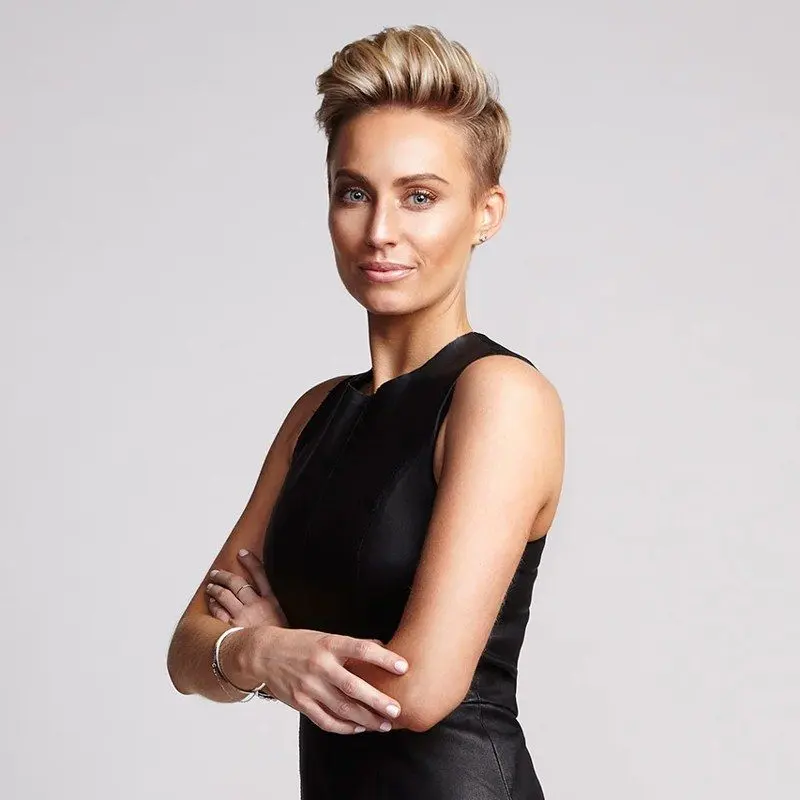
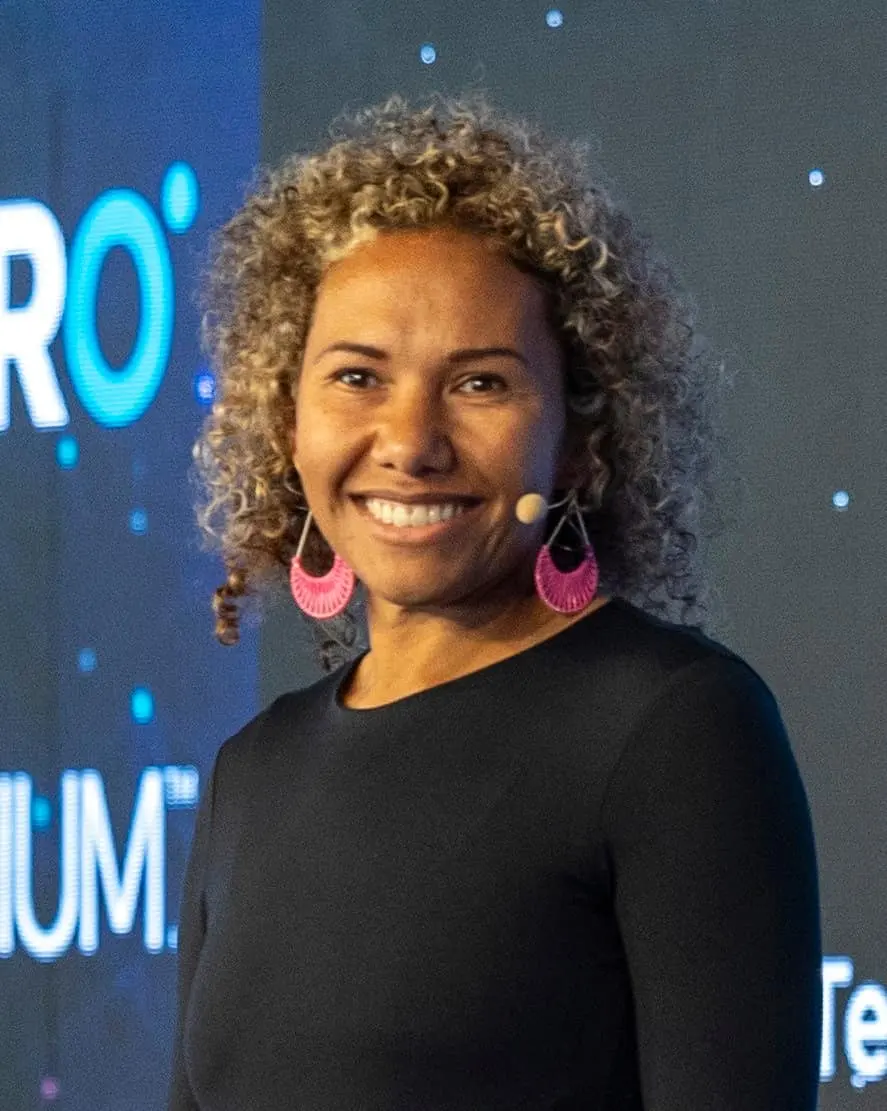
 ▶
▶ ▶
▶ ▶
▶