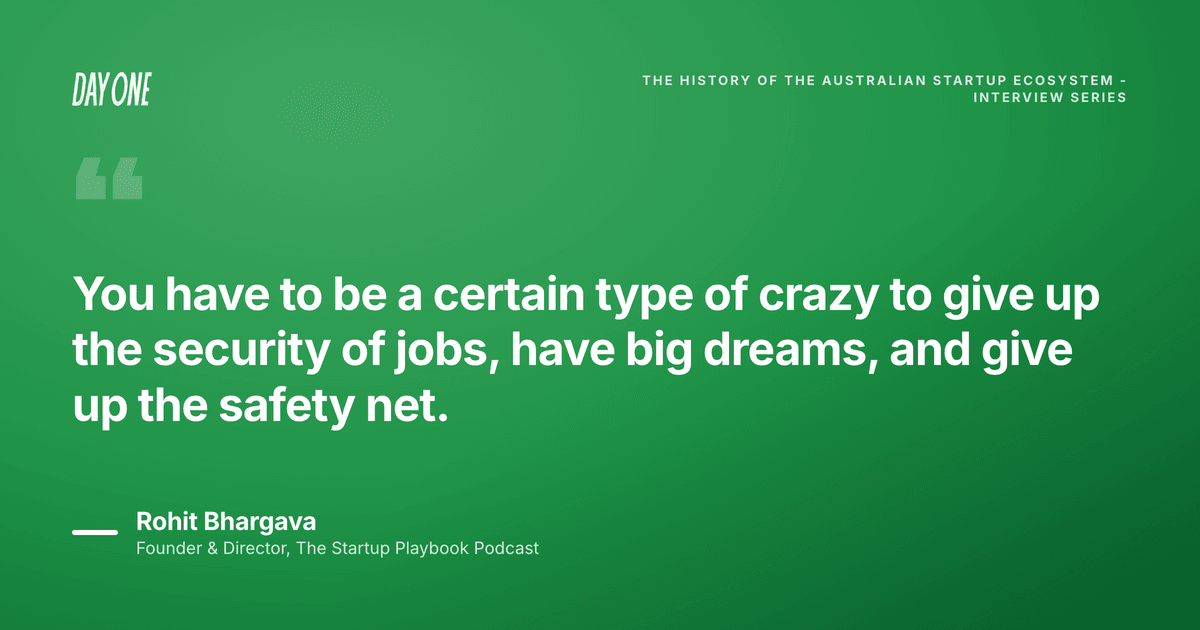
Transcript Synced · select any line to jump ▾ 0:00 Adam Spencer: Let me tell you about our partner, Teamified. If you need to build a top-notch team quickly, Teamified is your go-to solution. They not only provide fractional CTOs, they can also do contractors and even remote team members tailored exactly to your needs. And whether you're looking for expertise in the Philippines, India, or Sri Lanka, Teamified has you covered. What's amazing is that Teamified uses a blend of AI and human expertise to cut hiring times by 50%, cent. The platform handles everything from automated onboarding to day-to-day management and even performance tracking. You can also handle rewards and recognition, buy equipment, and order training all through their platform. Simplify your hiring process and get the best talent fast with Teamified. Check them out now and transform your team. Go to dayone.fm/teamified. That's dayone.fm/teamified. Thank you, T-E-A-M-I-F-I-E-D, and get started today. Hi, I'm Adam Spencer, founder of the Day One Network, which is bringing the history of the Australian startup ecosystem to you. I believe in founders. It's why I do everything I do at Day One and our media company, W2D1 Media. And that's why the Day One Network exists, to create helpful content for founders. We've got some great shows in development, but a large part of what we do couldn't be done without support from our partners and sponsors. And I couldn't be happier than to be working with NTP, who get community better than any other technology recruitment company out there. A Newcastle company like mine, NTP are invested in seeing the growth of the local tech community in Newcastle, Sydney, and more broadly Australia. So thank you, NTP, for helping us bring helpful content to founders and the startup community in Australia. Back to the interview. Hi, I'm Adam Spencer, founder of the Day One Network, which is bringing the history of the Australian startup ecosystem to you. I believe in founders. It's why I do everything I do at Day One and our media company, W2D1 Media. And that's why the Day One Network exists, to create helpful content for for founders. We've got some great shows in development, but a large part of what we do couldn't be done without support from our partners and sponsors. And I couldn't be happier than to be working with NTP, who get community better than any other technology recruitment company out there. A Newcastle company like mine, NTP are invested in seeing the growth of the local tech community in Newcastle, Sydney, and more broadly Australia. So thank you, NTP, for helping us bring helpful content to founders and the startup community in Australia. Back to the interview. Hi, I'm Adam Spencer and welcome to Day One, the podcast that spotlights Australian startups, founders, and the organizations that empower Australian entrepreneurship. We go back to the beginning to tell the story of Australia's most inspiring founders and how they built their companies. You're listening to a special interview series as part of a documentary W2D1 is producing about the history of the Australian startup ecosystem. This episode was conducted by guest host Will Cho. Hi everyone, and welcome back to the Australian Startup Series interviews. Our guest today is Rohit Bhargava. 3:25 Speaker: Just a quick note that an audio issue means my side of this conversation sounds a little different than usual. Welcome to the show, Rohit. 3:32 Rohit Bhargava: Thanks, Will, and great to be here. 3:35 Will Tjo: Start us off. Could you tell us a bit about yourself and what you're currently working on? 3:38 Rohit Bhargava: Sure. So a little bit of a background on me, a former founder. So I ran a previous company called Stage Label, which is a crowdfunding for fashion platform. And ever since then, I've been sort of closely connected into the ecosystem, had a couple of different roles, both at Startup Victoria and more recently with AWS on their startup team. Uh, but I've since left that to go full-time on the podcast, uh, which I've been running for the last 6 years or so called The Startup Playbook Podcast, uh, and also spending more time investing into companies. 4:13 Will Tjo: There's a lot of things that I'd love to dig in a little bit later in our episode. Um, but to start us off, I'd like to take the audience right back to the beginning. Rohit, would you say that you've always been an entrepreneur? Take us back to even university days. 4:26 Rohit Bhargava: Yeah, so I guess, I mean, even going before that, before university, I, if I'm being honest, you know, prior to startups, what I actually really wanted to do was play sports professionally. And, you know, injuries and probably a lack of talent stopped that career from going forward, which I'm probably thankful for in terms of the way that it played out. But, you know, growing up, especially coming from an Indian background, entrepreneurship wasn't really something that we discussed at home, definitely wasn't a career path that, you we either discussed or was even in the realms of kind of thinking that's, you know, what I would spend my life doing. And it probably wasn't until university where I took part in a course called the Young Achievers Australia program, where we sort of pull people together to launch a business, that it was probably the first time that I did that in a more structured way. And that sort of led me into launching some very small businesses while I was at university. But even in high school, I I always did a couple of different things, but to be honest, it just took me a very long time to really sort of understand what it was and the opportunity that was there and that, you know, I could really sort of build a career out of that. 5:36 Will Tjo: Yeah. What about startups lured you in? 5:39 Rohit Bhargava: Good question. I mean, I think it's a combination of things. So one is just the people that it attracts. You know, I think you've got to be a certain type of crazy to, you know, want to kind of give up the security of jobs and kind of really have big dreams and be willing to sort of give a lot of the safety net and, you know, sometimes even the cultural traditions that you might have to kind of chase those dreams. So I think that's one. And being in this type of environment and surrounding yourself with other people that are similarly inclined and, you know, are really positive and optimistic and, you know, really want to try and build the future. I think that's incredibly like an attractive quality and things that sort of make people want to sort of stick around the startup ecosystem. But I think also for me personally, like I just outside of sport, to be honest, I never really saw myself ever doing anything. And once that kind of ended, it wasn't until I, you know, started my startup journey that it was the first thing that got me really, really excited. And yeah, it's just kind of that, that, you know, having those big dreams, having that ambition, and then trying to make that a reality, I thought was really cool. And like I said, after sport, it was probably the one thing that got me really excited to get out of bed every morning. 7:02 Will Tjo: Yeah, that's amazing. What year was this when you first jumped in? 7:07 Rohit Bhargava: I think it was probably around 2012. So I graduated uni at the end of 2011, and I moved to Sydney from Canberra. And I remember that I was working at a full-time job at an engineering company and, you know, very thankful for a great job that I had at that time. But I also knew that, you know, it wasn't something that I kind of envisioned myself doing for the rest of my life. And I started going to a lot of different startup events. And yeah, I think that kind of really, really hooked me in. But that was probably back in— 2016. 2012, so 10 years ago now. 7:45 Will Tjo: Yeah, what were some of those events? And when you first started, what other support structures or infrastructure did you rely on to get started? 7:53 Rohit Bhargava: Uh, good question. So I mean, in terms of events, the, the two main ones I think were the Silicon Beach drinks that used to take place close to Town Hall Station in Sydney. And, uh, yeah, even just going there and sort of meeting this small group, and I think it wasn't probably more than 15 to 20 people at any one event, but just meeting this kind of small group of people that were, you know, really excited and, you know, working on something really cool and outside of traditional work was really exciting. But in terms of other events, you know, I think the big thing for me was probably getting involved with Startup Weekend in Sydney for the first time. And I remember reading it in, reading something about a place called Fishburners in the newspaper. And I thought that was really strange. And and that they were running this competition called Startup Weekend where you could essentially launch a business from scratch and try and form a team and all of those sort of things. So I signed up me and a friend of mine to the event. And, you know, thankfully we were part of a team that ended up doing quite well. We ended up winning the competition. And then I think ever since then I got really hooked and I ended up doing a couple of Startup Weekend competitions off the back of that. Actually, my startup came off the back of a Startup Weekend competition that I flew down to Melbourne for. I definitely owe a lot to Startup Weekends for the role that it played in my own journey. But yeah, back then there wasn't the quantity, the volume, the communities that are sort of active and available now. So I think a large part of that was just trying to find the early people that had, you know, really jumped in even the years before me and trying to sort of learn and absorb from others as much as possible. 9:28 Will Tjo: Yeah. I mean, reflecting back on the last 10 years that you've been in the ecosystem, and you mentioned at the very beginning that you're really plugged in. How has the ecosystem grown? Has it been what you expected it to be, for better or worse? 9:42 Rohit Bhargava: Uh, good question. I mean, in terms of how it's grown, uh, you know, I think it's been absolutely incredible to see almost how quickly it's grown and how quickly it's transformed, especially over the last few years of the decade as well. And, you know, I think a large part of that is just the compounding nature of all of this. You know, I think the way we've I remember on the podcast speaking about this 5 years ago when we were starting to see a lot of great talent from Australia who were based in SF that were starting to move back. There were a lot more sort of mentors that were coming into the space. And I think over time that's only sort of exponentially grown, which has been great. And I think, you know, part of this has just been the kind of cyclical nature of this. Like, I don't think that it's, any one thing that has changed the ecosystem. But I think that things like the success of Canva and the success of, you know, a lot of the funds that got in early and backed Canva has really helped supercharge the growth of the ecosystem. So I don't know if there's anything that's been sort of surprising aside from— you know, just seeing it play out and especially over the last few years, just seeing how quickly things have grown and how much great talent is starting to enter the space, both from the founding side but also from people that are, you know, joining great companies as well. 11:10 Will Tjo: When you mentioned or described the ecosystem as cyclical, it's really intriguing. Could you tell me more about that? 11:17 Rohit Bhargava: Yeah, actually cyclical probably isn't the right word for it, but what I meant by that was, you know, I think it is It is a process that you have to go through. And I remember some of the early conversations on the podcast, you know, talking to a lot of great operators that were coming back to Australia from SF, or people that had spent, you know, been in the ecosystem for much longer than I had. And, you know, talking to them about a lot of these things that we want to see, like more capital in the space, more great companies spinning out, more people being attracted to work within the startup ecosystem, whether there was, that was something that just took time and you had to let it play out, or whether that, you know, there are particular things that you can do to supercharge it. And I think that there are, but, you know, I also believe that part of it is, is a process. 12:11 Will Tjo: Hmm. 12:12 Rohit Bhargava: And yeah, I guess from my perspective, just seeing that play out from my own experience over the last 10 years has just been incredible to see. 12:21 Will Tjo: Yeah. So if I'm hearing you right, these sort of things or factors that supercharge the ecosystem, and you mentioned a few there, which was like capital, attracting talent and so on, they are things that follow a process. And so it's more of a natural serendipitous process. Is that what you mean? Like it just occurs naturally without anyone trying to force it to happen? 12:44 Rohit Bhargava: I mean, I think that there are definitely things that can help that process. So, you know, I think that there are things that the Queensland government has done, for example, in trying to attract more talent into the ecosystem. Launch Vic has run sort of several programs to, you know, help launch more angel networks, for example, in Victoria, especially over the last few years. And so, like, I think that there are things that can help particular areas. And I think that a lot of people have spent a lot of time in building programs and building the support and infrastructure around that, which, you know, I think off the back of that, a lot of people benefit. But I think that there are things that you can do to help spur some of those things. But I think that, you know, from my perspective anyways, like, I think it is just a process. 13:35 Will Tjo: Mm-hmm. 13:35 Rohit Bhargava: And I think it's been really exciting to see, but I think that you also need to kind of let that process play out. To a degree. 13:43 Will Tjo: Yeah, that's fair enough. What inspired you to start your own podcast, uh, The Startup Playbook? 13:48 Rohit Bhargava: Uh, yeah, good question. So, you know, 6 years ago, uh, and it seems a little bit strange now because now it seems everyone's got a podcast, but 6 years ago, off the back of my first startup, you know, I had a lot of founders that were reaching out to me for help and support and guidance. And, you know, obviously I had my own experience, uh, within my kind of window with Stage Label. But I knew that there were so many other people that I had benefited from and so many other people that were so much more knowledgeable about different areas of business and growth that these founders should be learning from. And so the podcast was started initially with my thinking being that, you know, it would just be a directory where I would record conversations with great founders and operators and that whenever I met with a founder, you know, you know, they would just, I could just point them to a particular episode or a particular recording that they would sort of go and find and listen. So the thinking definitely wasn't, you know, back then, you know, I want to build this big community and this big sort of content resource that will sort of lead to a ton of opportunities or will kind of turn into a business or anything like that. It was very much from a perspective of just trying to solve a problem and something that I wish that, that it existed. And also at that time, at that time as well, definitely it felt to me that there was definitely an inflection point where there was a lot more interest in the startup space. And there were a lot of people that were jumping in trying to mentor and advise companies, uh, that had never run businesses before. And, you know, the podcast very much kind of started and, um, you know, that's one thing that I've tried to stay very true to over the last few, last 6 years of the show is learning from people that have been there and done it, knowing that, you know, not everything will be applicable to every founder. Obviously every industry and every business is different, but at least you're hearing from someone that's been there and done it, and, you know, hopefully taking in some of the lessons, uh, from some of their own journey that founders can go and apply to their own business. 15:47 Will Tjo: Yeah, sounds like any other startup trying to look for problems and pretty much solving the, the need that's there. Um, I'd love to change gears a little bit, Rohan, and talk about the ecosystem as it is today. I'd love to get your perspective. Do you think that we as an ecosystem, like, what about— what are our strengths and weaknesses? 16:07 Rohit Bhargava: Good question. What are our strengths and weaknesses? I think one thing that is a strength that has been born a little bit out of the environment that we had operated in for a very long time without intention is Is just the quality of founders that we produce that can do a lot with very little. So, you know, I think that having less access to capital, although it, you know, puts limitations on a lot of founders, I think that what we've seen over the last couple of years in terms of the incredible businesses that have been built out with super resilient founders that have been able to,, you know, execute with, uh, with very little behind them has, you know, shaped, uh, shaped an ecosystem and shaped a community where we've got some, you know, some of the world's best operators that have sort of launched and founded and grown their companies out of Australia. In terms of the weaknesses, I mean, it's probably not anything new, but, uh, and, you know, things are slowly starting to change, but You know, I think one of the things that has always been held against founders in Australia is just the, you know, do we think big enough from both the ideas that we're going after, from the way that we sort of think about competition, from the types of businesses that we build, but even from a like venture capital perspective, you know, do we think big enough? Is our ambition on a global level or is it more from a perspective of trying to win within this Australian market, just knowing how isolated we are and knowing that that's kind of the most obvious thing that's ahead of us. But like I said, you know, I think what one of the things that's been most exciting about the ecosystem is just seeing, um, that, you know, I mean, Nikki and Nikki and the team at Blackbird talk about this, and I had Nikki on the podcast recently, but just talking about, um, you know, how like it's been incredibly exciting to see how the level of ambition from Australian founders has kind of changed and evolved and grown. over the last few years. 18:18 Will Tjo: So this next question is the advice question. If a brand new entrepreneur or founder came to you, you know, given all your mistakes, your wins, and your experience, what's one piece of advice you'd give them to increase their chances of success? 18:32 Rohit Bhargava: Well, there's definitely a lot of mistakes that I would try and guide them away from. But, you know, just going back to the previous question in in terms of having the ambition around it is, you know, I think that it's really, really difficult to build a truly global and successful company without sort of thinking about it from a perspective of, like I said, the chances are that there are 2 or 3 other people around the world that are building or working on something very similar. And so the advice that I would have would be, you know, really— Yeah. Honing on what is it that you're trying to build and what is the biggest impact, and always think bigger than what you think is, is possible. And for me, a big part of that is by just surrounding yourself with the right people or learning from people. You know, I think that there are so many podcasts where you can, uh, hear from and learn from other people that even if you don't have access to those people in terms of kind of catching up for a coffee or those sorts of things, you can supercharge a lot of your learning and get quote unquote mentorship from just listening to some of the best people on different podcasts or different sort of content streams. But, you know, I would say just really try and surround yourself with the right people. And I think that there's so much that can be gained and learned from advice from people that have been there and done it. So even if there are, you know, not in the same industry or not in the same vertical, you know, the chances, like a lot of the challenges that companies at scale experience are very similar across the board. And someone who's at least been there and done it can, you know, help you look around the corner around things or help you bypass some of those things or help you work around things before you even get there. And I think that's incredibly helpful. 20:27 Will Tjo: Yeah, I know we've mentioned a few throughout the episode, but who are some of those, I guess, mentors or people that you look up to within our ecosystem? 20:37 Rohit Bhargava: I mean, there's 160 of them on the Startup Playbook podcast. Like talking about mentorship in general, I think there is so much that you can learn from so many people, but true mentorship really comes from the connection that you have with that particular individual. And so, you know, there have been incredibly important people in my journey that at various times in various stages, depending on things that I've been working on, that have helped me. So people like Mike Casey, who was running Grad Connection at the first time when I talk about Startup Weekend, he was one of the people that really leaned in. Phil Bosua, who was one of the co-founders and CEO of LifeX, was one of the mentors and advisors at Startup Weekend when I launched StageLabel and just gave me incredible advice and time and resources. You know, at the very start of my journey. You know, most recently people like Rachel Newman from Flying Fox Ventures, you know, really helped open up a lot of opportunities for me and has just been incredibly helpful. Plus so many other people that have made time. But, you know, I think with any of those people, I haven't ever had to formally ask them to be a mentor. They've just been people that for whatever reason we've— Yeah. Connected at the right time. And a lot of that has been, hopefully, a two-way relationship to some extent. But obviously knowing that there are these people that have incredibly busy lives, but for whatever reason, we're willing to sort of make time around that. And again, like, I think that's where I know there's a ton of mentorship programs that have really great intent with what they're trying to create. But I think that those things are just very, very difficult to manufacture. Yeah. And so you can try and do that, like incredibly useful in terms of doing that. But like, it's such a personal relationship that, you know, I think you just have to find people that you sort of connect with and vice versa. And, you know, it just kind of organically happens off the back of that. But if you can find people that they can help you, it'll help you so much on your journey. 22:51 Will Tjo: Yeah, I like the words that you use to describe it. Yeah, it's like an organic thing rather than being manufactured. So this last question, Rohit, is, as you know, we're trying to document as historically and accurately as possible the history of our ecosystem, just so that we could look to the future. And we're aiming to reach all corners from founders, academics, investors, and policymakers. Is there anything that we haven't discussed today that is always top of mind for you that you'd want them to hear? 23:19 Rohit Bhargava: Yeah, so I mean, you know, one of the things that that we've sort of touched on at various points of this, this interview has been just the access to capital. And, you know, I think one of the biggest sort of limitations and barriers has been the wholesale investor, you know, requirements that are in place for people to be able to invest in, invest through funds or even invest through syndicates and those sorts of things. I think that it does play an important role in terms of having criteria to prevent people that aren't in startups and aren't in technology, that don't have access to deal flow and can't compare deals for them to actually protect themselves and all those sort of things. But I think at the same time, there are so many people that don't quite meet the requirements that do do have expertise in this area and would actually be incredible investors and have an incredible opportunity to, you know, both support companies but also impact their own lives in a financial outcome that the current way that those wholesale investor tests are currently done or measured don't quite meet. And so I think if there's one thing that we're not— like, there's, there's a lot that we can work on, there's a lot that we can get right as an ecosystem. But I think one thing that would be really helpful is reshaping what the wholesale investor requirements and tests look like to be less based on, you know, do you earn more than $250K over a 2-year period or have more than— I think it's $2 or $2.5 million in assets— to actually being more skill and expertise based and knowledge around this area. But, you know, there are people much smarter and much closer to that than me that are probably working on that. But, you know, that's, that's one thing that I think would, would really help in opening up more opportunities for people, both on the startup side in terms of them being able to go back to building great companies rather than spending all of their time raising capital, and also, you know, open up a lot of opportunities for people as well that are part of the space and and want to actively invest, uh, but currently, uh, aren't able to do so in the way that they would like. 25:39 Speaker: Yeah, it's been so good having you on the show. Thank you so much for your time, Rohit. 25:43 Rohit Bhargava: My pleasure. Thanks so much for having me. 25:53 Adam Spencer: I hope you enjoyed that interview. More interviews are on the way. Follow the podcast wherever you're listening right now. Stay tuned for more interviews with many, many more amazing people from the Australian startup ecosystem. Thanks for listening and see you next time. 26:09 Speaker: Bye.