Most people teams wait until someone with an HR background is in the room before they build a culture function. Ella Brennecke didn't have one, and Everlab's culture is stronger for it.
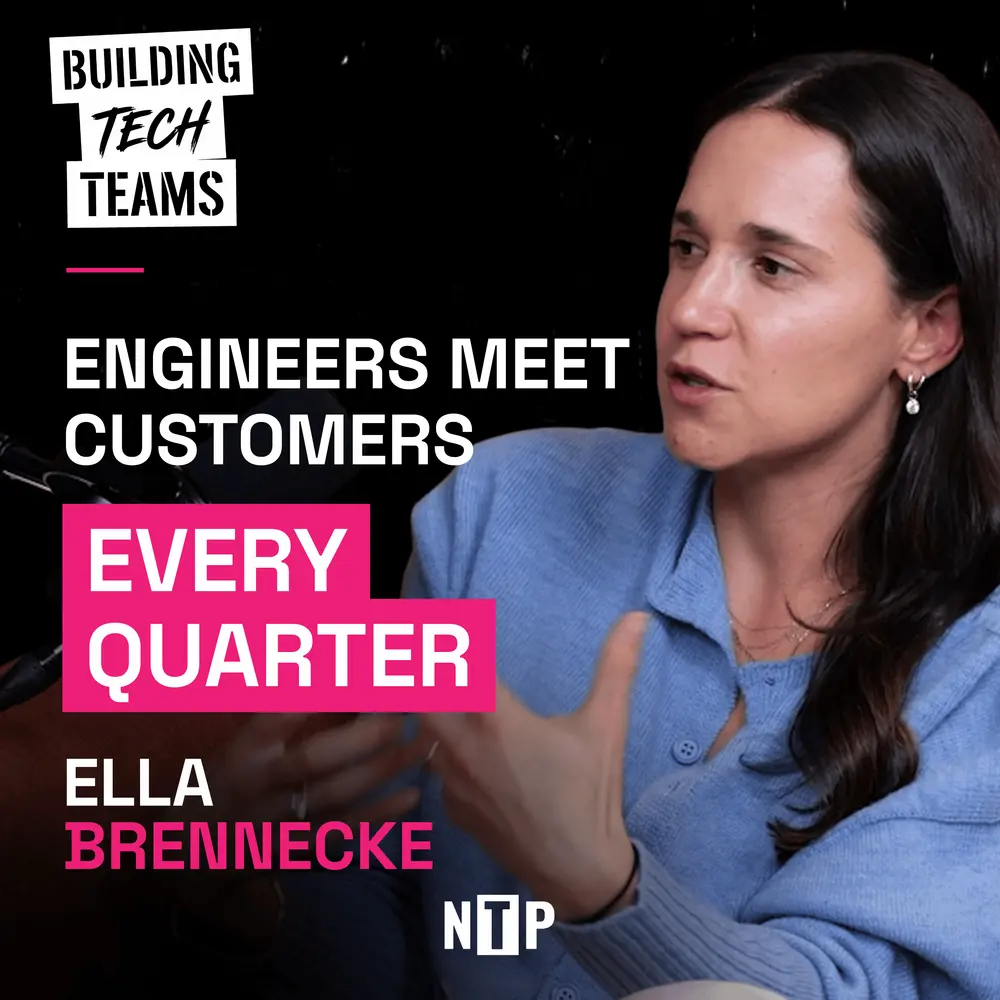
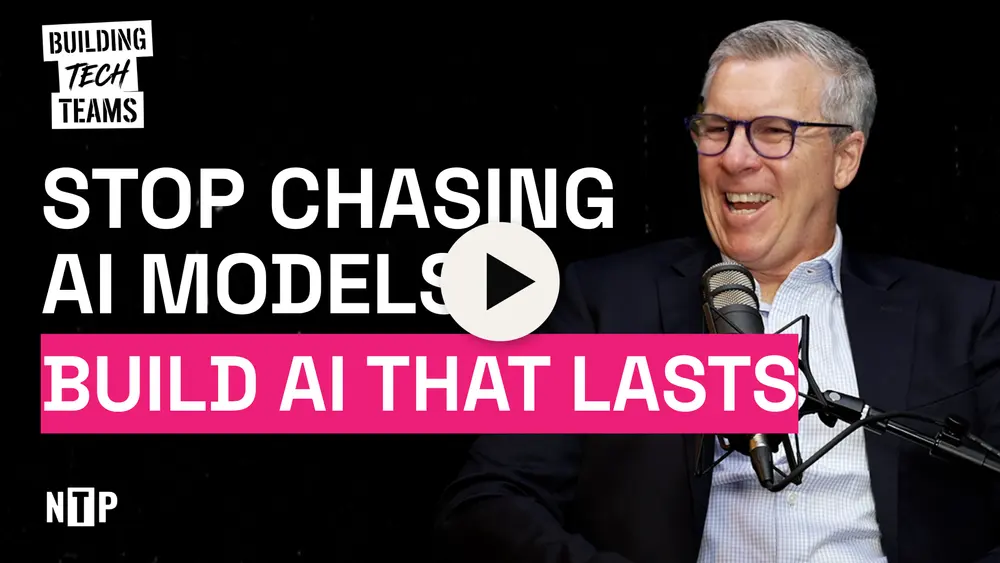
In this episode of Building Tech Teams, James MacDonald sits down with Ella Brennecke, People Operations Manager at Everlab, the preventative health company that has grown past 130 people across Sydney and Melbourne. They get into how Ella broke into people and culture from a hospitality and founder-support background, why she deliberately targeted startups with nobody yet in HR, and how she uses AI as a research partner without letting it write the memo a human is meant to read.
It's a hands-on look at building culture at speed: onboarding designed to start before day one, an "everybody unpacks the dishwasher" ownership principle that runs through hiring and customer care alike, and why Everlab puts every new hire through its own health protocol before they touch the product. They also cover the real tension in AI-assisted hiring, why a genuine cover letter still beats a strong resume, and what years in hospitality taught her about designing experiences long before she had a people title.
About the guest Ella Brennecke is People Operations Manager at Everlab in Sydney, where she has built the people and culture function largely from scratch since joining roughly nine months ago. She came to Everlab via the Founder Success team at Blackbird Ventures and the guest experience team at cabin retreat company Unyoked, and works closely with Everlab's founder on hiring, onboarding and culture across the company's Sydney and Melbourne offices.
Links Ella Brennecke, Everlab
James MacDonald, NTP Talent · LinkedIn: linkedin.com/in/jamesmacdonaldau · Site: ntptalent.com.au
Hosted by James MacDonald, Managing Director of NTP Talent.
Building Tech Teams is produced by Day One®, the team that helped build Blackbird Ventures' Wild Hearts. Sister shows include First Cheque, Oversubscribed and Pick My Brain. Episodes are cross-promoted across the network.
Chapters
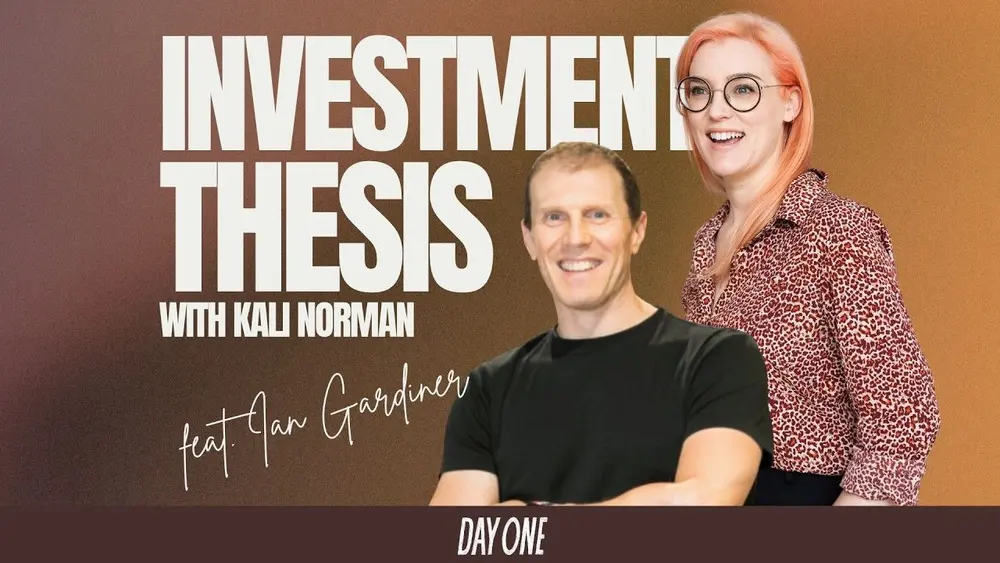
0:00 Cold open ▶ 0:43 Intro: why culture is the glue past 100 people ▶ 2:57 Designing experiences where people excel ▶ 4:03 Magic is designed, not accidental ▶ 5:20 Holding culture across Sydney and Melbourne ▶ 7:31 Supporting technical people leaders ▶ 9:28 Leaning on your VC as a resource ▶ 10:56 Breaking into people and culture with no HR background ▶ 14:45 Creating your own luck ▶ 16:11 Just ask for the title ▶ 16:41 Why she stays close to the founder ▶ 18:51 What breaks as you scale: onboarding first ▶ 21:43 The interview is a two way sell ▶ 25:01 Inside the hiring process ▶ 26:26 What a culture interview actually looks like ▶ 28:27 New York restaurants and fast feedback loops ▶ 31:36 Get the ops right, then add the magic ▶ 33:12 Automating the busy work ▶ 35:38 AI can level you up or level you down ▶ 37:52 Teaching the next generation to still think ▶ 39:44 AI slop: produce better, not more ▶ 41:29 Using AI to synthesise, not to judge ▶ 42:37 Why she still reads every cover letter ▶ 45:30 The win: annual review cycles ▶ 48:07 Design for the people you're actually serving ▶ 49:05 Everybody unpacks the dishwasher ▶ 51:41 Every employee sits with a customer each quarter ▶ 54:34 Final advice: leave threads for people to pull ▶ 56:37 Wrap ▶ Transcript Search or select a timestamp to jump ▾ 0:00 James MacDonald: Your LinkedIn title says you design experiences where people excel. I'd love to unpack that. 0:05 Ella Brennecke: I can't force 130 people to connect and to build this culture. What you can do is you can create the conditions for that connection. If you expect a human to read something, you as a human should write something. If you can really nail operations, then it lightens everything up to really focus on those like surprise and delight and special moments. You can't have a specific JD and go, this is the list of things that I look after. When you work at a startup, you look after problems, not tasks, and you can't push an experience on someone, but what you can do is you can design all the elements around them that mean that they can just kind of seamlessly roll into it. 0:44 James MacDonald: Nobody in engineering is ever asking for a people system. They're asking for better hires, a more quick hire, fewer surprises along the way. Just help me scale my team. Everlabs raised $65 million in June. They buy Airtree. Now got 130 people across Sydney and Melbourne. They've still got the same head office here in Surry Hills. The person who built that the people function here has never held an HR title before in her life. Every engineering leader I talk to has culture somewhere on their issue, somewhere on their list of things to do. There's absolutely no way to scale a tech team or a tech company successfully without culture actually being intentional. And that's what the theme of this whole podcast is about today. That's the theme of this episode. Company doubles in number. Culture is the actual glue that keeps things together, keeps the company growing, but it needs to be intentional. And that's what Everlab and Ella actually done. My name's James McDonald. This is another episode of Building Tech Teams. I've spent 10 years placing CTOs, heads of engineering, AI leaders across Australia, and I run NTP Talent, technology recruitment company. Every episode of this episode I do, I sit down with technology or people leaders on how to build and scale technology teams in the age of AI. This episode we have Ariella Baranaki, runs people operations at Everlab. She's been in the job 9 months. Before that, she spent a decade in hospitality and experienced design. She ran founder experience at Blackbird and built the guest experience at Unyoked. It's this experience, this intentional design, that's really had some success with the Everlove experience, and that's what I want to share. When she decided she wanted to work in people and culture, she sent out resumes, she tapped the network, she got some warm intros, but she never got a single interview. So what she did was she studied the people who had actually got there without the CV. She went to companies without an actual HR function at all, and she asks for the actual title on her way in. Really interesting experience and one that a lot of people can learn from. Today we get into what actually breaks when a company goes past 100 people, 2 cities, why the work that she's most proud of is actually like a review cycle, and what happens to an engineering team when everyone in the building actually sits with a customer once a quarter. That's one of the big learnings from this one. Here's the conversation. Welcome to another episode of Building Tech Teams. On today's episode, we have Ella Brennecke, People Operations Manager at Everlab, one of Australia's big scale-up success stories at the moment. And your LinkedIn title says you design experiences where people excel. I'd love to unpack that. 3:12 Ella Brennecke: Yeah, absolutely. So I've just always been obsessed with experiences. I think, you know, no matter what job you're in, you're either dealing with customers or you're dealing with people or you're dealing with colleagues. And if you can sort of help to create these experiences where people feel good, where they can do their best work, where they can have these sort of, you know, magical moments, then that's kind of what I really, really love. I also have quite a strong ops background as well. I love solving problems. And I think people experience and ops go really hand in hand. If you can really nail operations, then it lightens everything up to really focus on those like surprise and delight and special moments that you can kind of filter in there. 3:50 James MacDonald: You mentioned the word magic there. Your LinkedIn profile, I'm pretty sure, or there might have been an interview where you've met, you've mentioned magic is designed. I'd love you to unpack that part a little bit as well. How does that designing of those magical experiences come about? 4:03 Ella Brennecke: Yeah, so I think when we talk about magic, I'm not talking about these huge big moments. I think I'm talking about these almost smaller moments where you have really strong connections with people, or it feels like it was meant to be, like you were meant to meet this person, or you were meant to go on this walk, or you were meant to connect with someone. You obviously can't force— say at Everlab, we have 130 people. I can't force 130 people to connect and to build this culture. But what you can do is you can create the conditions for that connection. And it's all small things. It's— you can suggest for somebody on their first day 3 people that they should go for a walk with and have a chat to, where you just know maybe they're solving the same problems at work, but maybe they both love to run marathons, maybe they're both dog people, maybe there are other things where they can connect with each other and build this human connection so that when they do need help at work, they know who to come to. Something that we like really focused on when I was at Unyoked was obviously you're creating an experience for people, but then you're not there to sort of see it through and to tell them what to do. So what you need to do is you need to all of these rituals and you need to create all these threads that people can pull on. So once people get to the cabin, is there board games already set up? Is there some writing about how to find the perfect stick? Is there firewood so that they can build a fire from scratch? Like, what are those threads that you're leaving people to pull on? And then how can that create these magical moments? 5:20 James MacDonald: Everlab's grown very quickly, and I love to just continue to go down this route because culture's very different. at a 1 to 10 person organization to 100+ organization. You're also Sydney and Melbourne at the moment, creating consistency and culture across both places, consistency and culture as you grow. Love to just get your opinions on how you've actually tried to tackle that as the company's grown really quickly. 5:46 Ella Brennecke: Well, I think first and foremost, culture is not built on more video calls. I think we can all agree on that. I think just really providing, like, again, this idea of threads to pull on. Like, what we've tried to do in our team is to create all of these resources for people to use to then create culture. Like, you know, we as the people and culture team can't create culture for the whole organization. What we can do is we can make suggestions. So we can create rituals that happen at both offices. So things like a biweekly walk and coffee, you know, it's not about free coffee, it's about who you chat to on the way. You're chatting to people in different teams. We also encourage people to take selfies on those walks so they can post it so that we can say, cool, we're doing the same thing in Sydney as we are in Melbourne. We're the same team, we're doing the same activities at the same time, just in a different space. We also try and really make sure that all of our people leaders can create their own cultures as well. So we provide resources for them, suggestions on how to run their one-on-ones, suggestions on team building activities, budgets that they feel empowered to use each quarter, which we encourage them— like, please use your budget, go do this, here's some suggestions, we can help run it. You know, just providing all of these resources to make it easy for them to build their culture, and then we just support wherever we can. 6:59 James MacDonald: Yeah, you mentioned the word human connection before, and I think that is the important part, right? 7:02 Ella Brennecke: And I'll just, I'll just add one thing to that as well. I think with 2 offices also, just managing information and knowledge we found is really, really important because we just want to make sure that the same information is in Sydney that's in Melbourne, and that one city doesn't know more about something that's happening just because they sit next to someone, because they overheard a conversation. So I think visibility across the org and just that flow of information also is something that we focused on. 7:27 James MacDonald: You mentioned just before about supporting people managers. You're in an environment where you've got really technical staff, you've got clinicians, you've got really technical engineers. Both of those careers have not always the most people people. They're really technical people. Engineering people don't always make the greatest people leaders. Sometimes they do, but not traditionally, not all the time. So how do you go about working with people that are really technical by nature, maybe haven't had a great deal of this people management experience to try to encourage them and support them along the way? Because I think in an environment like yours, it'd be as challenging as any type of environment. 8:03 Ella Brennecke: We're growing fast and we're all definitely still learning. Just trying to like provide those resources for people and also just being really available. I think in past roles I've been used to like, especially working in New York, this like busy, busy, busy, like I'm always doing this, I'm always doing that. And it's been such a huge shift to me for like my job is actually just to be a sounding board for people, to find out how people are going. I love going on walks with people. Like, some days I'll do 20,000, 30,000 steps because getting people out of the office, standing side by side to them, not opposite them, finding out like, how are you feeling? How are you going? Anything I can help with? You know, one of the leading questions I ask as well is like, what's something you're excited about? What's something you're worried about? And what's something you're confused about? And just like a few of those prompts to really drag out from people, like, where are you feeling really good? And then how can we use that as a multiplier across the org and help other people feel good in the space that you're really confident in? And then where are some areas where you're— I think saying confused You're not saying struggling. It's like a lot more open. But where are you confused and where can we help support? And are we the right people to support? Are we contacting Airtree and getting resources from them? Are there other people in our network who we can connect you with? And just really making sure that everyone feels heard, they can nut out the problems, and then we can provide more support. 9:19 James MacDonald: I like that you just mentioned Airtree there. How much do you lean on them as a sounding board, as a partner? Where does that relationship sort of start and stop? 9:28 Ella Brennecke: Yeah, so previous to Everlab, I was actually part of the founder success team at Blackbird. So I probably lean on them more than most portfolio companies because I've seen how amazing these teams are and how much support they can give. And there's like— I think a lot of people don't realize, a lot of VC companies, there's an entire team of 5 or 6 people who their entire job is to help support their portfolio companies and make sure that they're successful. So I think at Blackbird, we really struggled to— not we struggled, but we needed to be really clear in communicating what our value was and how to get people to ask us questions and not have them apologize that they were coming to us, but have them— like, reward them when they came to us. Reward the users. Yeah, like, I'm so great that you came to me. Let me help. I'm so excited to help with that. And so I think I definitely lean on, you know, the Airtree team more than other people will, and they're incredible. And I think they are such a resource. They have so much more varied knowledge than we can have in one startup. They've seen things happen before. So I'd say like with hiring, we work with Chloe a lot on that. Even just the other day, we needed some tech like in our office, and I said, hey, do you have an IT guy? Can we just run something past him and get his advice? So I think, yeah, we lean on them a lot. 10:42 James MacDonald: You're in a head of people role. 10:43 Ella Brennecke: I'm at the very start of my people role. Yes, my people career 10:48 James MacDonald: at one of Australia's fastest growing success stories. You got that role without a people background. 10:54 Ella Brennecke: Yes. 10:55 James MacDonald: And your story is a great one, and I want to share that because I think there's a lot of learnings to be taken at the moment. There's a lot of fear in the market for junior engineers in particular, but juniors, juniors across the board on how do I get my first job, what career path do I take, do I need to have my career path mapped out for me, how do I go about joining one of these success stories that people are hearing about in the news. So I'd love to just share your experiences because I think there's a lot of learnings within there. 11:23 Ella Brennecke: Yeah, absolutely. So I've wanted to make the move to people and culture for probably 4 or 5 years. I think I've always worked with the people experience, and it's been customer-focused for a lot of my early career in, you know, hospitality, hotels and restaurants, then moved into more focusing on people with the founder experience at Blackbird, and then thought— and I really love that. I think when you're working in on experience and hospitality, it's like one person, one interaction. You don't— and you might have repeat customers, but you're not really seeing how people are coming back and the feedback loops that you're getting. Working with founders, it's a lot tighter feedback loops. You're maybe inviting people to 3 or 4 retreats, they've come to 10 events. Those feedback loops get a lot smaller and you can start to see the impact that you're making. And then I thought, wow, what if I can bring that internally and help a people team at a company? That was so exciting for me, just to see how you can work with people even more closely and really get those tight feedback loops and then see how you're growing and improving the team. So I was really excited to get into that, but I think it's really hard to make a career shift when you need to— you know, you can say like, yeah, I've got all these skills and they're definitely transferable skills, but it's so difficult to convince somebody that you have these transferable skills when they have somebody else who's like, I have 10 years in people and culture, this is where I've worked, this is what I've done, start me tomorrow and I'm going to do excellent work. So I sent out a ton of resumes, I really tapped my network, I got warm intros. I did not get a single interview. So then if you're doing something and it's not working, you need to switch gears. So I started to think about, okay, who's had really successful paths in people and culture at companies that I respect that maybe haven't gone the most traditional route? They don't have an HR degree, they don't have this, they don't have that. And what have they done that's been successful that I could maybe learn from? I think Jenny at Canva is such a great example. She started as an EA to Cliff. She's now, I think, global head of people and culture and talent and so well respected in the industry. I've listened to so many of her podcasts. I've watched so many videos with her. And she's amazing. So I started to think about like, okay, she's done that, that works, how can I apply that? So I started really focusing on EA roles or any of those kind of roles where you're really close to the CEO, so like founder associate roles and, and those types of jobs. But also interestingly, looking at companies where there was nobody in HR, there was nobody in people and culture, the thinking being, cool, maybe what I'll do is I'll get into a company I'll just start doing the work that I want to do. Obviously, I'll do the job that I'm hired for, but I'll also do the work that I want to do. And then when the time comes, it's just, you know, I'm already here. I already have context. I can already do the role. You've seen me do it. Can I move into it? 14:04 James MacDonald: I love that on so many different levels. I just love to just reiterate on that because I think there's a lot of really good career advice for juniors or looking at people that want a career change. We can get in the career change bit in a little bit, but juniors, you went and studied people that had done it before you. You are path— you're like finding your own path, but people have done something similar before you. You can just take some learnings from them. And whilst it might not be the traditional way, there's a lot of learnings. You don't have to just create it from scratch yourself. And I think most people don't go about that. And that would have been very easy for you to be like, okay, I can't get to people where I've applied for these roles. I'm going to have to have a career change or something different. But you didn't give up on the dream. You just studied a different way about going about it. And I think that's— uncommon. 14:45 Ella Brennecke: And, you know, like, I'll be, I'll be humble. Like, I was also very lucky. I really connected with Mark in my interviews. Like, I had somebody from Unyoked who was working there, so there was a lot more at play. And I think going for the role now, I'm not sure— like, if I was hiring for it, I'm not sure I'd give me— 15:01 James MacDonald: Can I challenge you on the lucky part though? Because I think there is a thing where you create your own luck. You studied the organization to say that they didn't have a people person. You studied people that had done this path beforehand. This wasn't pure right place, right time. There was an element of that there, but you created your own luck. You put those wheels in motion to give yourself that opportunity. And I think that's where a lot of people can take some learnings again in— yes, there is a right place, right time in life, and there's elements of luck, but you've got to put yourself in a position to be lucky. 15:37 Ella Brennecke: And hustle and do the hard work, and also be confident enough to say, yeah, I don't care about the title I'm going in with. Like, I have my sights set on this, and I don't mind what I need to do to get there, and I'm going to be humble, and I'm going to do whatever needs to be done to see this. And also, I think with, with age comes a bit of perspective. So you can look at a job and go, yeah, I might do that for 12 months and be in that spot before I can move, and that's okay because 12 months is actually Very small. And also taking the opportunity, like, also, what can I learn from that? What can I then take on? And I've had so much fun so far. 16:11 James MacDonald: And the title part— talk to me about your title. 16:14 Ella Brennecke: Well, I actually started as People Operations Manager because, again, like, I thought, you know what, I'm actually just gonna ask for it because I'm reading the JD, I'm talking to Mark, I'm seeing what he needs, and it sounds like he needs someone to spend 10% of their time supporting him and 90% of their time doing this People Operations role, which is what I'm so excited about. So why not just ask? And if the answer was no, we want you to join with this title, no worries. But, you know, if you're not going to ask, you'll never know. And 16:41 James MacDonald: you mentioned that, and I know part of your role is still working quite closely with Mark. You mentioned that the real key reason for that is that ability to stay close and learn. So I'd love to just pull that apart a little bit because I think, again, it's something that can be— it's an oversight on, okay, these people roll across the organization, but being close to the founder, being close to— it might be in a different type of organization— to the CEO, understanding what's happening, the intricacies behind it. I'd love to just hear about like your philosophy around that. 17:11 Ella Brennecke: It's really great because I'm so close to what the priorities are for the business, what's really important to the people leaders. I can then use that to influence all decisions that I'm making in terms of, of people. So what are we currently working on that we need to make happen, and then how can people support that? So for instance, if I know that we want to launch a new product, I can look Okay, what hiring do we need to get in place to make sure that can happen? If I know that we're moving, you know, we're hiring in the UK at the moment, like, what do we need to do from a people's perspective? And how can I front-load a lot of that work and start working on it before I'm even told to be working on it? So it's just a lot of insights. And also the access to him just gets me really close to bounce ideas off Mark and to make sure that I'm really delivering what the founders want as an organization, as opposed to kind of being on the sidelines and going off on my own. And I think like people is the business. You're not going to have a good business if you're not supporting your people. So being— to me, it just makes sense to be that close to him. 18:08 James MacDonald: I agree, I agree. And do you think in your experience with Everlab, is that culture like— is it a top-down model? Is it a bottom-up? Is it— you're obviously trying to take what you're learning, your interactions with Mark, and then have that flow through the business. Do you think it's two-way street? 18:21 Ella Brennecke: I think we're so— it like, we're just at the beginning. Like, I started I think 9 months ago, um, so I definitely don't want to sit here and say that I've solved everything. I've probably solved. Like, I would feel so proud if I've solved 5% of the things that we're looking to solve. Like, we're still a startup, we're still scrappy. But I think the way that I think about is if I can spend 80% of my time on setting up operational structures around people and culture, and then 20% of my time on like a bit of, you know, what we spoke about, like surprise and delight, a little bit of magic, I'm pretty happy. 18:52 James MacDonald: If we go for advice for other startups, you're still in that, but you're over 100 people now. And You would have seen a lot going through those different challenges. I talked to a lot of organizations that 12 to 20, you, you have that jump because you need that founder can't be across everything every— and we need some people managers or some line managers in there. And then we jump again and we double again and another structure. Any top 2, top 3 key learnings that you could share along the way on the different challenges that you've faced and how you overcame them? 19:20 Ella Brennecke: Having a really strong onboarding structure is something that should be done as early as you can. Whenever you're interviewing for a role at a startup and you say, when did you want someone to start, I think the most common answer is yesterday. It's moving so fast. You want, you know, you're with this like fast-paced organization. As soon as we decide that we want to hire someone, we want them there today. We can't wait for the process. Everything moves really fast. So once you finally do hire that person and get them in, what do you want to make sure is you don't have this then like 3 to 4 week ramp up where they need to learn all this context, they need to be onboarded. So I think something that, that kind of came through from my Unyoked days is the minute somebody booked a cabin, we wanted to start that onboarding process because we found out people were going to the cabins. Sometimes they could only get away from work or the, you know, the family for 1 night or 2 nights. So they were saying, yeah, it was really great, but I didn't unwind till the second day. So I only had 1 day of that unwinding, or I could only go for 1 day and I really only started to get the benefits of time out in nature. As I was leaving. So we thought to ourselves, like, how can we front-end the onboarding so that they're onboarded in the weeks before, in the months before? Then we're really ramping it up in their drive out to the cabin, and then their walk from when they park the car to the cab. Like, there are little threads kind of along that route as well to make sure when they're in the cabin, they're not then starting their unwind. Like, they're unwound. They're walking in, they're lying on the bed, they are there, they have come. And so I think the same idea can be put through to starting any new job. So like, what are we doing from the somebody signs a contract, or even from the moment somebody starts interviewing, because they might be the right candidate, to really teach them about Everlab, to get them in that mindset, to give them everything that they need so that the day that they start, they have all the context, they're ready to go. 21:05 James MacDonald: I think that point you made just there as well, obviously the, the problem you're trying to solve is a big one, and you need some of the most in-demand talent that's out there. I think it's an overlooked thing a lot of times in recruitment on The company trying to sell the candidate at the start through that interview process on— it is a two-way street, especially for that top talent, to say we're starting to sell them on who is Overlab, what does that experience look like. The onboarding's essentially starting there, and I think that's something that could be learned by a lot of other organizations and just try to take that experience and, and be from the absolute start of the process, not just once they've signed a contract. 21:43 Ella Brennecke: And I think that also helps with attrition. throughout as well. We're very upfront. I think people need to stop apologizing for being these really high-performing organizations. Like, we are solving a huge problem. We are saving lives. Like, we report at the end of each month, like, this is how many people— when we say, like, saved lives, like, these are the people who had something come up on their scan, and a doctor, usually Stephen, calls them and says, you need to go to hospital right now and have this looked at, and these are the reasons. And I know someone here, I'm sending you off. So like, we are doing super exciting work. We're one of the fastest growing companies. It's so exciting to be at, and it's hard work, but you can really make a difference. You're close to leadership, so you're making decisions, you're moving the needle, you can see the impact of your work. And it's hard, but it's really exciting. And we want to attract people who want to do that work. So I think we also use the interview process to say, hey, this is what we're doing, and this is what it's like to work at Everlab. And a lot of people, that is exactly what they want. They want to go where they can do that exciting, fast work. And for other people, that's not where they're at right now, and that's fine. And so that's why we make sure in most interviews there's at least 10 to 15 minutes for the person we're interviewing to ask questions, because we want to make sure that they are along for the ride and they're as excited as we are. 23:04 James MacDonald: Yeah, like my favorite interview question— that's the way I start most interviews— is around motivations, because I think That especially at the moment with, uh, tech skills in particular changing, changing so quickly. Skills can be learned, but it's understanding where somebody's at in their career and whether, as you said, they're in for this fight or they're in for this challenge. Because it's not going to be a 9-to-5 cruise street all the time. You're in a high-growth company that's tackling a really big problem. You want to be at that point in your career where you're really motivated by solving this problem, being on this journey. And when you do that and you're motivated, like, you're prepared to do the extra hours, you're prepared to challenge yourself or go along for that ride with the rest of the company. I think understanding that motivation side of human beings, human connection, getting that part up front changes the entire rest of the process. 23:53 Ella Brennecke: And I think the people that we attract as well are the people who get energy from that type of work. Like, I know that I— we're obviously not asking people to do crazy hours, or, you know, there's all these things, but like, I get energized when know that I can just sit at my desk and solve a problem and I can stay there until it's done. And then how you feel at the end, like it's not a paycheck, doesn't make you feel that way, but just knowing that you solved something. 24:16 James MacDonald: It's a sense of achievement. And I think that most people would have achieved it at some point in their life. I got real deep into looking up flow state at one stage because I'm like, there's these times at night where I could work from 9 p.m. and then the next time I look at the clock, it's 2 a.m. And it feels like it's just gone like that because I'm working on something I'm really energized by. And if you do that and you find the right people that are energized by that same thing, the amount that you achieve is significantly more, right? So I think it is really that finding that alignment piece there. I'd love to just understand what, what does the rest of that interview process look like for you? Because you're hiring non-people background, non-HR background, and now you're building a culture and a people team around interviewing really technical roles, clinicians, Quite a breadth of type roles. What does that look like? How have you designed that experience? 25:01 Ella Brennecke: So we work with a bunch of amazing recruiters. It's definitely not— I help to organize and streamline the process, but definitely most of the interviewing and most of the recruitment happens with a few recruiters that we work closely with. And then also we have somebody in-house who does all of our doctor hiring. So we might have at any given point in time 400 to 500 doctors working with us. So it's big, it's big. But I think just making sure that it's really consistent, that everyone has a certain set amount of interviews. I love a case study. It doesn't need to be a huge thing that's going to take a whole weekend. It can be something that will take a couple of hours, but just seeing that person's work and then also seeing that they are bought in enough to spend 2 hours to put something forward. And then I love just a final culture interview. Like, it can be 15 minutes, it can be 30 minutes. If it can be in person, even better. But just making sure, like, is this person going to to show up? Is this person— does this person have the right values? Is this person going to fit in with the team? The last thing you want to do is bring somebody in and have it throw a spanner in the works for the rest of the team. 26:02 James MacDonald: What does a culture interview look like for you? You mentioned a couple of parts just there, the values part, how they work with other team members. I just love to— I think culture is such an important part of a growing and scaling company. It's a real challenge because you're adding so many different human beings in and trying to create that consistency is a challenge. So I'd love to just understand, like, knowing that it's not perfect and it's going to continue to change, but what are the things that you've put in place in that sort of the cultural side of it? 26:26 Ella Brennecke: So I mean, it, it definitely comes down to are they a people manager or an individual contributor, because then you're definitely looking for different things. But it's really just getting to know, like, like one of my favorite questions, which I'm sure a ton of people use, is like, you know, why this role, why this company, why now? And that's quite telling to also let you know where someone is and what their motivations are and making sure that their motivations are are in line for what you're looking for. And other things as well is just asking for some examples, like if they are— and if they're a people manager, like how have they dealt with some difficult situations? What did they do? Just to find out, like, are you thinking about things in the same way that we're thinking about things? Are your values aligned with our values? Are you people first? Are you team first? Are you focused on working with people to just solve problems? And are you willing to kind of— I think when you work at a startup, you, you can't have a specific JD and go, this is the list of things that I look after. When you work at a startup, you look after problems, not tasks. And so is this person someone who can just own problems? 27:30 James MacDonald: I think that should be something that's taken across the board, not only startups or scale-ups. I actually think across the board, 10-dot points should be removed and it should be the 3-dot points. What are the 3 core things that you're looking to do, or the problems you're looking to solve? Let's interview for that because skills change. People are going to have to learn new things along the way, but people can really shoot themselves in the foot by trying to fit an exact square peg, square hole, like just as opposed to looking somebody slightly, slightly adjacent but has those really core fundamentals. It's willing to learn the rest, has the right culture fit, right motivations. They're ideally the person for the role. So I love that mentality. I think other people could learn from that. So after we've got people on, I think this experience part, and it's a key theme to your entire career here at was— there's actually one part we haven't touched on, was the New York experience from back in the days. Maybe the, the people experience part started there. You mind just touching on that quickly, and then we'll just go more down this designing of experiences inside Everlab? 28:27 Ella Brennecke: Yeah, so I moved to New York when I was, I think, 22, and was working in a restaurant. I knew someone who actually ended up being my mentor for a few years, Lyndon Pride. He now owns all the Dante restaurants months over in the US, and he's an incredible hospitality mind. When I met him, they were opening a new restaurant. I started working there, and that was when I really just became obsessed with this experience. People were coming in for all different things. Like, we had— but it was like a celebration restaurant. Like, it wasn't just somewhere that you'd go for dinner on any given night. You were going to celebrate something, or like, it was a special occasion restaurant. And so I just loved learning there how you could do little things To just make that celebration that little bit more special, and how things that you could do at a table could just really make people's night. And in the US, you're working for tips. Like, your hourly wage is nothing. You're really just working for tips. So again, like, I think I just love— like, I love a gold star. I love a feedback loop. So you're getting a really fast feedback loop with how much they tip. And so you can kind of play with things and notice that when you do certain things, they're absolutely taken aback and they're leaving you a huge tip. And so you know that, like, You've done a good job, you've made their night, and then they're willing to, you know, give you money to show that. And so something that we did there was we had like PPX slips. And so basically, whenever anyone came in, we'd write down exactly like just a few notes of what happened, like vegetarian, loves red wine from the Napa Valley that's a full-bodied Cab, or whatever it is. You'd write down any notes from it, and then when they came back in again, you could use that information. Well, first of all, like we'd go back and like I'd be their server on the table. They'd always be sat in my section if I wanted them to because I'd already had that connection with them. And you could kind of like bring them like, oh, I remember that you love pumpkin, we've got a pumpkin. You know, it doesn't matter what it is, it's just like, I see you, I remember you, and I'm gonna bring you something that's special just for you. Whether it's a wine from a region next to it that you think they'd really like. You're, you know, we had like, we could do whatever we wanted. We could open bottles of wine just in case they'd like it and decant it 2 hours before they came in. And give them that as an opportunity. Like, it was— the sky was the limit, and we had so much fun with it. But I've gone off topic. So I went to New York. 30:38 James MacDonald: I don't think it is off topic, to be honest. Like, I think this is the commonality behind your entire career, and you follow that experience and how passionate you are about that through straight line through to the Unyoked experience, where you're doing the exact same thing and you're looking after their experience from the time they get out of the car to the time they're walking up. Up the time they lay down there. And now you're talking about the same thing happening again in Everlab, where you're talking about their experience from the first interview on and understanding what their motivators are, and then what their onboarding looks like, and then going for walks with people and having photos, understanding the experience for Sydney versus Melbourne. Like, this experience part is definitely the through line for you, but it's such an important part of building a team And on the podcast we've talked like really technical people about how they're using AI to code and things like this. But when building a team, it is this human connection piece, it's this experience piece which is going to be the differentiator between good people wanting to join you and then also stay with you. 31:36 Ella Brennecke: I think after I worked at this restaurant, I then joined the hospitality group who then designed experiences over multiple venues. So I, I think I honed that skill even more because we would open— say we'd work with a company that would opening— be opening like 15 fast casual restaurants. And so you need to design a hospitality experience to make sure that it's consistent across those 15 locations. So you're looking at things like how are people being greeted, how are they lining up, the entire, you know, where are they putting their rubbish, like the entire experience when they walk in the door to when they leave. And so it is really clear, like if you can get the ops right, if you can get the nuts and bolts right, then you can go on to do really fun stuff that's memorable. Yeah. Like no one cares if you have this great experience if they they walk in, slip over, and hit their head. Because like ops can seem kind of dry, but I think it's just the foundation that lets you do all that amazing stuff that's memorable. 32:26 James MacDonald: Otherwise you spend the time back in trying to fix the ops, right? I think ops has also become— and like SOPs and things have become more and more important more recently with automation and AI. So people are looking at, hey, if we're going to an organization, have really clear SOPs, really clear operational procedures. We can automate different parts of this. We could— where leverage AI to improve these experiences and just become a more efficient, consistent organization, of which we can then add the special sauce over the top, add the magic, add these experiences over top. So I think this operations part, you said you spend at least 80% of your time on that, is the part that's becoming more and more important in the age of AI and automation. Love to understand where you're at in that journey, if you agree. 33:12 Ella Brennecke: Yeah, yeah, no, absolutely. I think I, I was probably leveraging AI before AI became such a buzzword. When I first joined Unyoked, we like to sort of keep exactly where you're going a little bit of a secret to have this exciting reveal 2 days before your trip where, you know, you'd know roughly what region you're going to, but we'd send you like the map and directions 2 days before. And when I joined, we had someone who was like looking at all of the reservations, and 2 days before, she was sending out emails and text messages To the people staying in 2 days, where they were going, a map, all of those things. It was taking her so much time. So one of the first things that I did was go, okay, like, this is, this is taking so much time that you could be spending on other work. So we used like Zapier when Zapier I think had only like very recently launched. We'd managed to dump everything into a spreadsheet, have Zapier pull from— like, we didn't have a proper booking system. We had Zapier pull from there and send out those text messages and send out those emails. And then that meant that we were freed up to then read through customer notes and go, oh, that person's going out for their anniversary, let's organize for the host to put a bottle of champagne in there. Or this person's taking their dog, let's put some dog treats on the bed. Or like, what are these things that are happening that we can then spend our time on them going, wow. And also, once you're, you know, to your point, when you're setting up these SOPs, then you go, okay, cool, we've got the system, how else can we this system. So great, instead of just sending them a text message 2 days before, let's start sending them something a week before with some podcasts and some recommendations of how they can get in that mindset. Let's send them something 2 weeks before. Like, let's send them— let's send them something the day after when they're coming back with recommendations of how to take that trip and mindset with them when it's just really fresh. Like, how can you create these different SOPs and these different automations and then really make them grow and work for you. Yeah, 35:02 James MacDonald: I think there's a lot of that. There's a lot of positivity and negativity when it comes to AI. One of the negativity parts of people say, oh, automating people's jobs and take people out of, out of their jobs, that they're no longer valuable. I think if you flip the lens on that and you have a look at, we'll take the shitty parts of the job out, 35:19 Ella Brennecke: the busy work, 35:20 James MacDonald: the busy work, right? The work that nobody really enjoys doing anyway. And then you can spend more of your time doing that creativity the designing of the magic. That's where, that's where companies can really progress, and that's where experiences progress, and you get the more of the human-to-human part of it as opposed to the stuff that can be done better by a machine. 35:38 Ella Brennecke: And I think AI also helps like really sort of fasten that growth, that like knowledge curve. I obviously, like as we discussed, I've gone into an HR role. I don't have HR experience. I don't think that AI replaces an HR degree. What it's meant is that if I'm looking into a new area, I can get all of that knowledge out of AI, can do like a little bit of a back and forth, use it as a thought partner, really front-end that. So then when I am going to a lawyer or I am going to an HR specialist, I'm saying, cool, hey, this is where— this is my thinking, this is the research that I've done, this is what I'm thinking we should do, what do you think? As opposed to coming to them with nothing. 36:17 James MacDonald: And this is where I'm saying the significant growth. And we put software engineering or pure engineering to the side for a second, but just more traditional roles. It's the core skills, core experiences overlaid with using the right tools, which just allows you to level up. It allows you to be significantly better at your job. As you said, you can go to a lawyer, rather than spending the first X amount of billable hours with you trying to explain something, you can actually come with some form of solid context to start So I think it is this overlaying of skills and experiences overlaid with this new information or access to information that allows everyone to really level up. 36:54 Ella Brennecke: I would say though, to challenge that, I think though you have to be really careful with it. I've seen a lot of people also use AI to level down. I think it's really important to appreciate that it, it doesn't replace a human and it doesn't replace your thoughts. And I personally believe, and this is something that I'm trying to really roll out to the organization that if you expect a human to read something, you as a human should write something. So it's really great for initial research. It's so useful as a thought partner. It's very, very useful to help you to do a brain dump and then condense your thoughts. But I think if you're going to send out a memo to the team, if you're going to list a job description online, you can tell when AI has written it and you can tell when a human has written it. And I just think that if we expect— if we expect an AI to read something, yeah, we can give them something another AI has written. But if you expect a human to read something, you as a human should be the final person writing that. 37:52 James MacDonald: I completely agree on multiple aspects. I've got my middle child, my middle daughter, who was doing a school speech and she chose to do it on AI and whether they should be allowed to use AI for homework. I asked her her opinion and she was like, oh, we're going to use it in the real world. Yeah, we should be allowed to use it. it. And I challenge her on that part of also using your brain. It is that part of use it as a thinking part or a thought part, but go back and challenge it. Don't expect— don't leave all the thinking to the AI. You've got to be able to take what it gives you, challenge it sometimes, go back and not replace your entire thinking. And for her, I was like, ah, but it's easy if it just gives me the answer, right? So it is that understanding of back and forth and on how to use the tool. 38:31 Ella Brennecke: And I am worried about like kids coming up that they're going to forget, that they're not going to learn how to think and how to solve problems. And it's not like, you know, it's like when you do maths at school, you don't deliver an answer, you need to show all of these workings and how you got there. And I think unless— and you know, you can use AI for that. Often if I do ask AI something, I'll say, how did you get there? Because I want to understand how it got there, A, to fact-check it, and B, because if it's knowledge that I don't have, I want to be able to get there next time. Because maybe I don't have my computer with me, maybe I don't want to type something in. So I think it is still so important to learn how to think and learn if, if AI is getting somewhere different to you and if AI is right. Like, what did it do that you can learn from and how did it get there? 39:13 James MacDonald: I think actually like that problem solving is one of the key skills of the future, right? The different jobs are changing, but I think like communication and problem solving are 2 of the most common core skills for all jobs of the future. If you do those 2 things well, you'll probably find out a job that you'll be okay at. done just using the tools. And then back to the other point around, I think it's a respect piece on respecting other people's time. If you are going to send them slop, you have to, you have to respect other people's time. And like, if you're asking them to read something that you haven't even spent the time on. 39:44 Ella Brennecke: I mean, it's the same thing. Like, people used to— there was like a trend at some point, I feel like, when people were sending these like 10 to 15 page resumes. And you were thinking— and like, I understand, like, my sister's in research, she has like an appendix that has all these amazing things she's published. However, if you are, you know, me, one page, you can fit it into one page. And I think what AI slop has done is it creates these like 25-page memos, and I don't think the person who's sending it to me has even read it. Because you read things in there as well. There's like internal notes to the person. Like, it's wild. I just think we need to not just produce more. Yeah. We need to use AI to produce better. And like, Whenever I'm using AI, often if I'm feeding what I've written into it to make it better, I'm saying make it half the length, make it pointier, make it shorter, get to the— like, what am I actually trying to say here? And let's make sure we're communicating that and not much else. 40:39 James MacDonald: Yeah, and it's just tightening up your thoughts. Um, yeah, I've started writing a Substack newsletter, and Substack introduced a new tool that actually you click on it, can let you know what percentage of it was written by AI, which I think is a It's a great thing. It's the same as, you know, the Claude watermarks and things like this that are coming. I think people using it as a thought partner, as a research partner in particular, is the best part. And then offering your opinions over and above that is, is the real value. AI in your job at the moment, as you said, you've gone from no people experience to people creating SOPs, creating every— everything from the ground up, and it's still working on that. You've used AI as those toolings. Do you see that being a continual part of the role in the future? Are you— there's a lot of roles looking at in talent and HR about like a talent engineer or HR engineer. How technical do you have to get? 41:29 Ella Brennecke: Like, not very technical. I think like AI in my role I'm finding is like a nice to have, but definitely not the be-all end-all. It's very interesting to like synthesize data. For instance, we did a poll survey And I read through every single response. I don't think that you should use AI to like pass that or anything. But what I can't do— not what I can't do, like what I'm not as good at as AI at doing— is for looking at trends. So what's really great is I can load all of like the Pulse survey responses into Claude. I can then load everything on Slack from public channels into Claude. I can then load all of like my conversations into Claude and any like AI note-taking that I've done. And then and then I can say, hey, what are the trends that we're seeing? And then can you pull out some actual quotes and let me know where they've come from so I can investigate it a bit more? So it's good for like synthesizing 42:27 James MacDonald: data and research, right? And then, 42:28 Ella Brennecke: yeah, 42:29 James MacDonald: but you're using that to then have your personal experience overlaid on that, on what you're going to design because of that data. 42:37 Ella Brennecke: I mean, I just see AI as like an and, not an instead of. And I think also like You know, we were talking about if you expect a human to read something, you as a human should write it. And I think it goes the other way as well. If a human is taking the time to write a cover letter, I'm going to read it. I'm not just going to run all of the resumes and cover letters through and not actually— and only read the top 10. Yes, I'm going to use AI to like pull out like, this is what I'm looking for, these are your top 10 candidates, so I can have like, okay, a starting point of like, these are the people I should I should definitely investigate. These are the people that I should maybe investigate, and these are the people that probably aren't meeting the requirements of the role. However, if all of these people who haven't met the requirements of the role have written a cover letter, I'm still going to read through every single one because they've taken the time to write it. And you just never know what you might find. Like, 6 months ago, I added someone to my team, this amazing guy who's sort of like a people coordinator, and he didn't have the skills I was looking for based on his resume, I don't think I would have given him an interview. He just wrote a killer cover letter that just made me like want to know more. And then at every step through the process, he just interviewed and did a case study that made me want to do more. And then the fact I got someone— I was between 2 people, I had someone else do the final interview, and he actually said to me, if you don't hire him, I will. And so at that point, I was like, no, he's mine. Um, so I think it's like, you just— whereas if I was just using AI, I wouldn't have got there. 44:02 James MacDonald: And you wouldn't have been hired into your role. Yeah. And I think that's where there is a bunch of recruitment, there's some yuck aspects of it at the moment where you've got AI-written job ad, AI-written CV, AI sitting in the middle matching things, and there's no human element. But I think it goes— it's the same thing with that creativity you've read, you mentioned before with the writing. I think when everything is pushing digital and everything's pushing AI, people get a bit of a disdain with it. And that real creativity, whether it be a creativity in writing, creating video, creating experiences writing a cover letter, that's the part that now stands out. I think that's the big differentiator going forward, is that, that human-level element to it. 44:43 Ella Brennecke: And it's interesting because I think when AI first came in and its ability to create these like beautifully crafted sentences that are structured in such a way was a differentiator because you'd read it and you think, wow. But I think it's now swung to the other side that reading something that's like a little bit messy is more exciting because you can feel like it's actually come from a human. 45:05 James MacDonald: Yeah, the if it's not X, it's Y— you read that for the first time, you're like, oh, that, that's a well-structured sentence. And for the 5th time in the one paragraph you read that, it gets real, uh, not a great experience. 45:16 Ella Brennecke: Yeah, I mean, the first time I saw em dashes, I thought, wow, what great formatting. Now when I see em dashes, I'm like, no thank you. 45:22 James MacDonald: I used to write with the little— not the em dash, just the little one. And I'm 45:25 Ella Brennecke: like, the little one's great. I still use little one, but I can't use the long one because that's a dead giveaway. 45:30 James MacDonald: Definitely. So joining an organization without the people experience, Everlab's growing and changing pretty significantly. You're building these SOPs, building operations. Can you just talk to me about any, any wins along the way which have, you know, kept you moving forward and thinking, okay, this has been a nice something implemented that's had a good effect on the rest of the team? 45:49 Ella Brennecke: When I came in, you know, the first thing you want to do in a new organization is just listen to people. Like, what are people struggling with? What— you know, what— you can't just create systems and then pop people into them. You need to start with the people and then create systems that support them. And something that I just kept hearing was there was no process around— you know, people are there to do a job, but people also want to be compensated for it. And so people were just feeling really uncomfortable. Like, when is the best time to ask for a raise? When's the best time to ask for a promotion? Can I get more ESOP? Oh, this person got this? How do I get this? This whole, like, if I don't ask, I don't get. Like, when's the right time to do that? And I just noticed that it was taking up so much of people's mental load and their brain capacity, both in like individual contributors but also managers trying to navigate these conversations. So they're coming to me like they weren't even sure when are we doing this, how are we doing this. So just like a lot of noise taking away from people focusing on the job. And so we have now implemented annual review cycles, and I've just noticed that like as soon as we announced that and as soon as we said, okay, when you've been here for 12 months, this is what's going to happen. This is— these are the questions you're going to answer. This is how long it will take us to make a decision. These are the decision makers. Like, just being really transparent with all of that has just meant that all of that noise goes down. I think, you know, people need to feel safe, and people can do their best work when they don't have a split focus, when they do feel safe in their role and their compensation and when decisions are going to be made and how they're going to be And so just being able to, to bring that in has meant that like people, managers have something to say back. People know where they stand. We can even explain it on the way in during hiring, but it's just like giving people sort of these parameters to exist in and just kind of these safety nets means that people have definitely relaxed, less noise around it, and then they can focus on their work. 47:38 James MacDonald: I like the part that you said right at the start there, the, the listening part. You came in and listened first as opposed to coming in and just starting to rock roll things out. Because I think there's a danger in startups of wanting to put that structure in place because you need structure as things change and grow pretty significantly. But taking that step back and listening first— and I think that ties into what you said earlier today in being really close still with the founder to make sure that you're listening and you have that really strong understanding of company direction— and then having that information before rolling things out. 48:07 Ella Brennecke: You're just not going to be successful if you don't have buy-in from the team. And also with like, you know, I'm reading this great book at the moment on like employee experience design, but like, who are you designing for? I think that's so important. Like, in a restaurant, you're designing for the customers that come in. In at Blackbird, like, our customer was not Blackbird. Our customer were the founders and the companies that we were founding in. And that was what was so exciting about it. We were creating these retreats for the founders, not for the partners of Blackbird. They were coming to create it for the founders. And so I think at Everlab, we're trying to create these processes for the people so that the people can do their best work. So if we're not listening and asking questions and then designing for them, I'm not sure what we're doing. 48:49 James MacDonald: No, but I think this, this understanding of understanding, like getting, getting the processes in place and then designing for the people that— and I think again, it's this common theme that's gone throughout your career. You've told me off air about another commonality, expectation maybe, of people within the organization around a dishwasher. 49:09 Ella Brennecke: Yep. 49:09 James MacDonald: I'd love you to share with that one because it rung pretty true with a book I've read in the past as well. 49:15 Ella Brennecke: We try and say everybody unpacks the dishwasher, and we're still, you know, we have raised quite a lot, but we're still, you know, we want that money to go far. We're absolutely still a scrappy startup. We didn't move into a new office. We're still, um, in Surry Hills in our little office. But yeah, everybody unpacks the dishwasher, and I think what that's about is not— it's not about the dishwasher, it's if you walk past a problem, it's on you to solve it. It's— it doesn't matter what's in your job description. It's not in anyone's job description to unpack the dishwasher, but everyone needs to do it. If you see a customer problem, you need to fix it. If you see a problem in the team, you need to fix it. Like, you need to have high ownership over every single problem, be it small or big. One of the initiatives that I did roll out is we noticed that a lot of people were so far from the customer and seeing what the customer goes through. So now every single employee at Everlab before they start are encouraged to go through the full Everlab protocol, like slightly expensive thing that we're giving away for free to our team, but we believe in it so much. So we're like, go get your bloods done, get your DEXA scan done, like find out everything you can about your health because we're saying it's the most important thing. So if it's the most important thing for other people, it's the most important thing for you. And tell us about the experience, let us know what our customers and members are going through, and then report back to us. And then similarly not just something that happens at the beginning, it happens every single quarter. Every single person who works at Everlab sits with somebody in customer care and sees what are our customers asking, like what are their pressure points. For engineers, it's been amazing because they're like, I didn't realize that that one bug was having this huge flow-on effect. And it's just getting everybody into that customer-first mindset. And I think like if, if you can encourage people to see things, like see the dishwasher, it's full, You need to unpack it. See this customer who isn't having as seamless of an experience as they should be. Help make that seamless. Like, see someone else in your team who's having a hard time and don't ask— like, don't look at it like they're having a hard time, they're bringing us down. Think like, what can— what's that person going through? What can I do to help lift them up? What can I do to help them? Because if we win, we win as a team. And like, our team is the people in your, you know, in your immediate pod. Your team is your people in your office. Your team is your people in the company. Your team is every single customer who's part of Everlab, making it successful and making it grow. So yeah, unpack the dishwasher but also grow an amazing company. 51:41 James MacDonald: Yeah, I think the unpacking the dishwasher reminded me of the book Legacy, which was about the All Blacks culture, and it was about leaving the place better than you went before, leaving it better than when you, when you came. And it was about sweeping the sheds after a game, and didn't matter if they were playing away, they'd sweep the sheds and leave the place in a better place than when they came. But what you just mentioned there about understanding the customer, I I think right now in particular, everyone can build, and I use the word build lightly, but everyone can build something. I think the building side of a product or a company or software in particular has become easier and easier. There's nearly no barrier there anymore. The real challenge is go-to-market. The real challenge is understanding the customer. And I think what you've just said there around understanding the customer, going through the actual customer experience, Especially from an engineer's perspective, understanding what that looks like for them completely changes the game. And I don't think many organizations do that. I don't think many organizations go to the depths of putting yourself in the customer's shoes because it changes your mindset around what you're building, how you're building, and what that experience looks like, right? 52:47 Ella Brennecke: I mean, I think it's the most important thing in any business. Like when I was working in restaurants, we would go and we would dine in the restaurants and you just pick up, oh, my server did this, that's so interesting, I'm gonna try that with my tables. When we were unyoked, you were literally sleeping in your job. We were all encouraged to go to a cabin at least once a quarter. We wouldn't put a new cabin— at least at the beginning. Obviously, once we got to 200, 300 cabins, it was harder. But at the beginning, someone had to have slept a weekend in a cabin, or 2 nights in a cabin, for it to be able to go live. Yeah. And you just see so much more. And I remember how many times I would say, I'm too busy. I have too much work. I can't just go and stay in a cabin for 2 nights. And then every time I went, I thought to myself, what were you thinking? I learned more in those 2 days. The notes that I would take were insane. The ideas I would come up with were just some of my best ideas because stopping and putting yourself in the customer's shoes It just gives you like so many amazing insights that like, to your point on AI, like asking AI for ideas about how to make a cabin experience better is just not going to get you there. Like you need to be as a human, you need to go and put and actually be a customer and experience things how they would. 54:05 James MacDonald: I think it also just gives you perspective on working through hard problems because hard problems sometimes you, you could be working through something that might be quite tedious. You're like, why am I actually building this? Does this actually have a big effect? But having seen it on the other side just changes that perception and potentially the way you look at actually building or designing or not taking shortcuts. 54:25 Ella Brennecke: Everything is just all these experiences that come into your day. And so no matter what it is, if you can just make those like a little bit better, um, that's what gets me out of bed every morning. 54:34 James MacDonald: I think that's pretty close to a closing point because that is the key theme you've mentioned at the start. It was around designing experiences. Designing, and the magic doesn't happen by accident. If you left people one piece of advice around that designing of an experience, the designing of magic, there's definitely this key theme of getting the operations side done right first. But for that magic part, 54:58 Ella Brennecke: I would say whenever you're doing any type of experience design, it's not designing something that's like crystal clear. This is the product. and this is what it is. It's just designing a bunch of resources and a library and threads that you can pull on. So it's saying like, what is in my toolkit? What can I make available to people? And then kind of, I think the magic comes when you leave it up to them what they want to draw out. So what is in the cabin that you can pick out to give you that experience at Everlab? Like, what systems and processes have we made available to you that will make your life easy that Yeah. —can use to get to that next level. So I think it's just— I mean, one of the most basic ones is like, how can we lower the lights at a restaurant, light a candle, and play some really good music so that you can lean into that romantic space with your partner and have a meaningful conversation? It's like you're not— like, you can't push an experience on someone, but what you can do is you can design all the elements around them that mean that they can just kind of seamlessly roll into it. 56:04 James MacDonald: I think that's a perfect thing. It's a perfect way to finish because I think the theme of the podcast is around building teams, building technology teams. And you don't build great teams, attract the right people, have them stay, retain, have them perform at their best without creating that experience for them to do so, or creating the environment for them to do so. And I think often it's overlooked, and we talk about technical skills, we talk about different parts, but This designing of an experience to have people excel is a really great theme, and love to— it was awesome to just share your experiences and wisdom around this topic. 56:37 Ella Brennecke: Cool, thanks for having me. This is a lot of fun. 56:40 James MacDonald: Appreciate it. Here's what I'm taking out of that conversation. Everlabs raised $65 million, and Ella's list she's most proud of is a review cycle, an onboarding flow, and a rule about the dishwasher. The team at Everlab have actually been intentional about the way they grow their team and they communicate for culture. The biggest takeaway, the biggest learning, and I think it's becoming even more important in the age of AI because everyone can build now. Every person at Everlab, all their engineers sit with a customer once a quarter, the engineers included. And one of them come back from one of their experiences, they said they'd not realized the bug was actually having a flow-on effect that it did have with the customer. That understanding of the customer experience. Closing that gap between engineering and end-user experience, I think, is going to be more and more important in the age of AI. We get more upside, positive product experience for the customer, better product-market fit. Engineers and a team better understanding their end user, better understanding their customer, only has a positive experience for both the company and the internal team themselves and the engineering and end-user experience. So here's my question for you. In your week, name the last time one of your engineers actually sat with a customer. So not an internal stakeholder, not a project manager, but an end customer. I think that can be a key win for any team going forward. Hope you enjoyed this episode. We'll see you next time. Thanks for listening to this episode of Building Tech Teams. If you're currently building a technology team, having some challenges, or interested in what's happening in the market, feel free to hit me up on LinkedIn forward slash James McDonald AU or look at my company website NTP Talent. Where we're helping companies up the east coast of Australia find and help recruit the best technology talent into their teams. This episode was produced by Day One. Look forward to seeing you on the next episode. 58:29 Ad: Hey, thanks so much for listening to this episode. I'm Adam Spencer, the founder of Day One, and I've got a show I'd love to recommend if you enjoyed it. The way you build a tech team changes with stage, capital, and the kind of company you're trying to become. Investment Thesis with Callie Norman goes upstream into how investors form conviction, weigh markets and founders, and change their minds. If Building Tech Teams helps you think about who to hire and how to lead them, Investment Thesis helps you understand the capital assumptions shaping those choices. Search Investment Thesis wherever you get your podcasts, or just go to dayone.fm and you'll find the show there. Thanks, Matt. No transcript lines match that phrase. Try fewer words.


 ▶
 ▶
 ▶
 ▶
 ▶
 ▶
 ▶
 ▶
 ▶