Everlab has raised around A$80 million, including a recent A$65 million Series A, reached 20,000 patients and processed more than 21 million biomarker results. Now, after becoming one of Australia’s fastest-growing preventative health companies, it’s taking the model global.
I first spoke to the Everlab team back in 2023. I loved what they were building then, but at the time there were plenty of skeptics about whether this kind of deeply personalised, data-heavy model of preventative healthcare could ever really work at scale.
Three years later, they’re proving that it can.
Longevity has become one of the most hyped corners of healthcare. There’s no shortage of supplements, biohacks, expensive tests and big promises about living longer. But while much of the industry is still selling the idea of longevity, Everlab is turning it into actual healthcare: doctors, diagnostics, longitudinal data, clinical follow-up and preventative care, delivered at increasingly serious scale.
And the company is on a rocket-ship trajectory. Its A$65 million Series A was oversubscribed, it now works with more than 180 clinicians and 1,850 healthcare locations, and it is beginning its push into global markets.
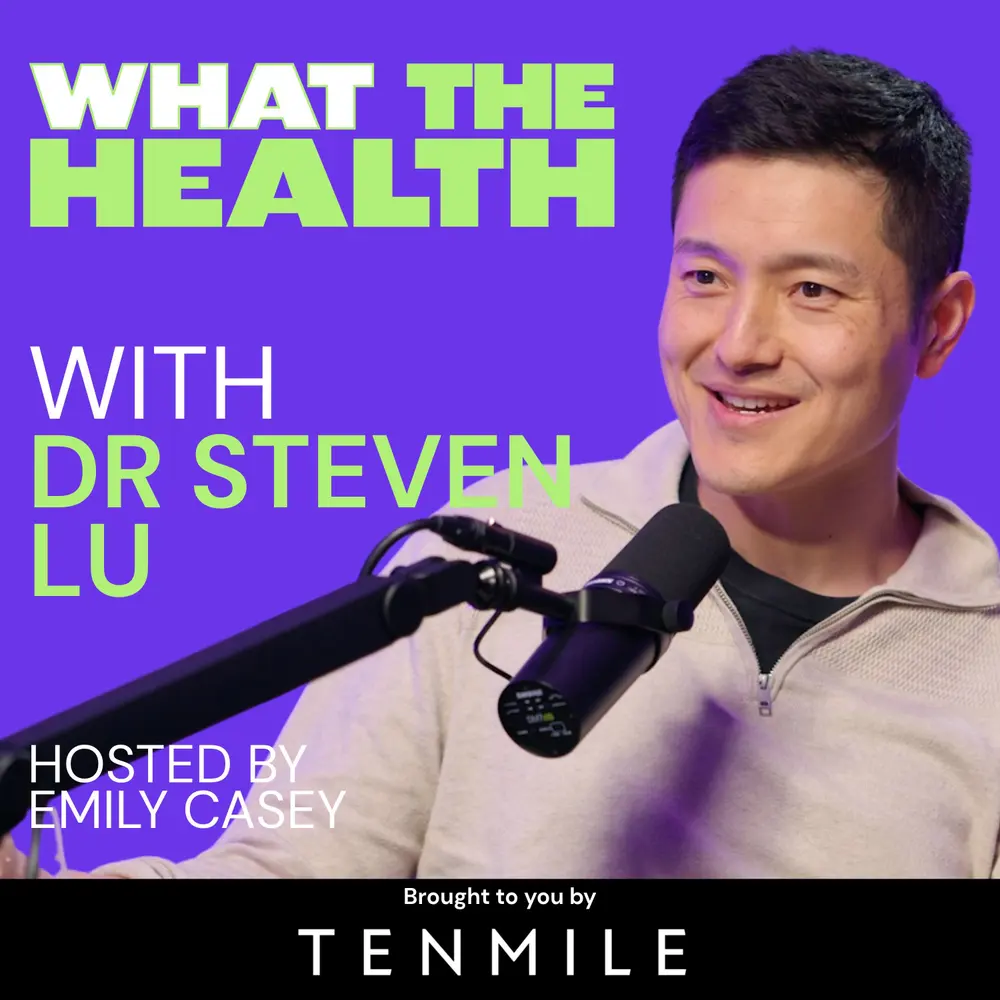
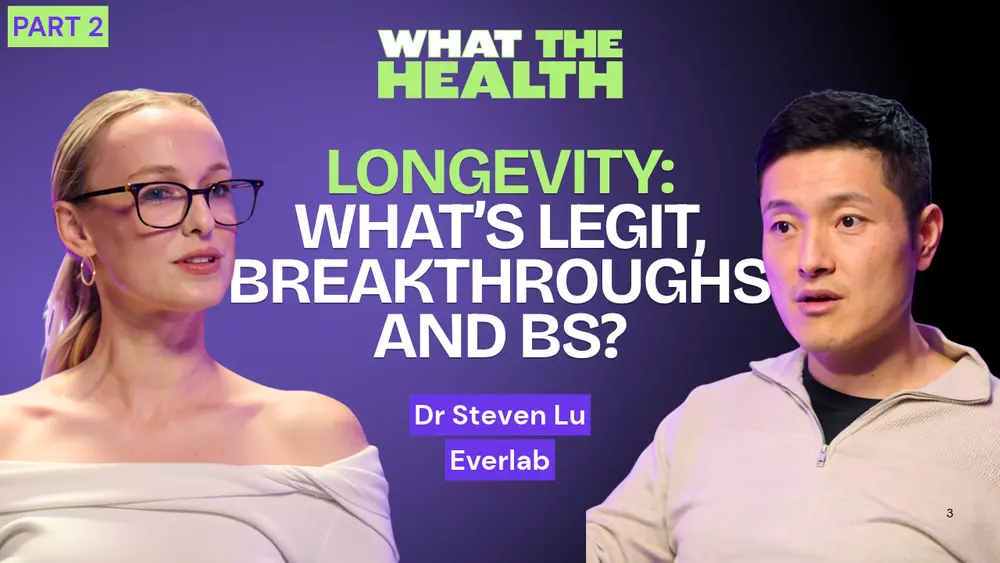
In Part One of this two-part conversation, I sit down with Dr Steven Lu, Everlab’s co-founder and Chief Medical Officer, to unpack how they actually built it, and what it takes to turn the promise of longevity into real-world medicine.
We dive into:
The Everlab journey, from an ambitious idea investors were skeptical of to raising around A$80 million and expanding globally Why longevity has exploded, and the gap between the hype surrounding the category and what good preventative medicine actually looks like What the Everlab patient journey actually looks like, and how its model differs from the healthcare most of us experience today How you take enormous amounts of fragmented health information and turn it into something clinically useful rather than simply giving a pile of test results Chapters
0:00 Preview: why prevention so often comes too late ▶ 1:04 The longevity boom: what's signal and what's expensive theatre ▶ 6:22 What "longevity" should mean: healthspan, not hype ▶ 10:24 Why prevention still loses to reactive care ▶ 17:48 Everlab's model: one plan built from your records ▶ 24:26 How AI and clinicians work together on patient data ▶ 28:40 The founding team, the mission and the early cases ▶ 34:05 Making prevention stick when you feel fine ▶ 38:21 Lessons from closing a whole-body MRI business ▶ 42:36 Whole-body scans: a great scan, not a magical one ▶ 44:39 Patients as customers: trust, Covid and consumer agency ▶ 49:46 Where Everlab and preventative care go next ▶ Transcript Search or select a timestamp to jump ▾ 0:00 Dr Steven Lu: If we don't solve prevention, this is a slow-moving train wreck. The average Australian is projected to live 13.9 years in poor health. 0:12 Emily Casey: So longevity has almost got a bit of a bad reputation for a while, right? It was very, I hate to say, tech bros leading the charge. 0:20 Dr Steven Lu: Why do we live in a world of reactive care? It's cultural, it's structural, it's systemic. Our care structure hasn't actually evolved. Our life expectancy is getting longer, But we're not living better. 0:32 Emily Casey: What is possible if we just spend a little bit less and intervene earlier? 0:37 Dr Steven Lu: But you cannot sell these things out of a vending machine. That's not what healthcare is. If I'm not willing to put it into my own body, I'm not going to recommend it to any of my patients. Are people put in a position to make a really informed decision? The other side is actually quality, and, and some of them came back with like chromium, mercury, and lead. 1:04 Emily Casey: Wild. Welcome back to another episode of What the Health, where we cut through the noise and BS in healthcare and try to help you figure out what's actually worth paying attention to, what's hype, and what's just plain BS and nonsense. We are brought to you with 10 Mile, who are building bold ventures for better healthcare. My name is Emily, and I'm founder and director of What the Health. You're a health tech community of over 11,000 in Australia and abroad, and we help you connect and find what's best in healthcare to build bigger and better healthcare systems, businesses, and outcomes. If you are a regular listener, welcome back. If you are new here, welcome. We hope you find this interesting, and please have a look at our past episodes and terrible newsletters with a whole heap of memes. And if you like this, please help us out by giving us a like, a share, subscribe, or leaving a comment or feedback. That is how we grow and we keep this free and we can keep doing this. Now today, longevity. It is the hype word of, I would say, the last 2 to 3 years, and it has gone from a niche obsession to a full-blown cult industry. We have biological age tests, full body scans, continuous glucose monitors, peptides, Hormone optimization, GLP-1s, cold plunges, red light therapies, hormone panels, and heaps of companies and influencers promising to help us live longer, look better, change our lives. Now, some of that is genuinely changing medicine. Some of it is well established with prevention. Some of it really is much needed change, but a lot of it is frankly expensive theater and marketing. So we need to break through and figure out what's actually legit and what's not. Today, I want to help you navigate what's really a longevity boom and where we are actually going in healthcare in the next 5, 10, and 15 years. My guest today is Dr. Steven Liu, someone who I have known for a good 3, 4 years. 3:15 Dr Steven Lu: Couple years now, yeah. 3:15 Emily Casey: And have always been a fangirl of. He is a specialist GP and co-founder and chief medical officer of Everlab, the Aussie preventative health company that has taken the industry by storm and now raised a bit over $80 million. At least that's the public numbers, and has worked with well over 20,000 patients in preparing to take their model overseas. Stephen has spent more than 15 years across medicine, from hospital specialisations and general practice to psychotherapy, and preventative care. And he's built some other businesses in this category before, which I'm excited to get into today. So we'll talk about business lessons learned, the actual science and clinical outcomes, and what's actually happening behind healthcare's hottest category right now. So, Stephen, welcome to What the Health. 4:06 Dr Steven Lu: Thank you. I love your newsletter, by the way. Um, Especially the memes. I think they, they really— sometimes I like mainly just scroll through for the memes. They're so good. 4:16 Emily Casey: Thank you. We're 4:18 Dr Steven Lu: in a, we're in a, you know, we're in the TikTok world. And I think, like, I love them. 4:23 Emily Casey: Glad to hear that. Means a lot coming from someone who actually has clinical credibility in the space. I will keep the memes and up the output of them. 4:33 Dr Steven Lu: More memes. 4:34 Emily Casey: More memes, the better. It really is like that though. Hey, in this world where things are just so noisy, and in particular in health, there's so much content, it's like, how do you break through and reach the masses? 4:47 Dr Steven Lu: Well, in a way, it's actually teasing out the signals from the noise, right? I think a lot of thought actually goes into it. A lot of my friends who are commentators on sort of healthcare, public policy, Sometimes it's the really great memes that like just completely hit the mark and like gets the point across and it's interesting, it's funny, it's engaging. And healthcare is a little bit like that because like we live in this world where there's just so much noise. And it's not just about healthcare. It's, it's, you know, everyone's lives are very busy. We're all on our devices working maybe from home. We've got like, you know, family and finances and work and That's one of the things that we do at Everlab, actually, right? Which is, I think, one of our biggest successes is actually trying to find the right signals and use that signal to capture your attention and your bandwidth and direct that attention into reinvesting into your health. And then from there, there's all the huge list of things that you just mentioned, right? We can double-click into all of them. 5:51 Emily Casey: So what I'm hearing is memes and attention are the unlock for healthcare. It seems to, seems to be the way. 5:59 Dr Steven Lu: Memes, come be sure to join Everlab. 6:02 Emily Casey: Chief meme officer at the company yet? 6:04 Dr Steven Lu: Wow. Yeah. Well, like, yeah, I don't think I have the talent, but maybe we should look for someone. 6:07 Emily Casey: This convo was so good. We went way over and had to cut it into 2 parts for you guys. So tune in this week for all things Everlab, while next week we dive into longevity, the spicy takes. Well, that leads us nicely into today's discussion about how you not only deliver the real clinical message and get people to engage meaningfully in something that has perhaps traditionally been a little bit hard and boring, and what you should care about in longevity and where we are going. And so I suppose to kick us off, why should people care about longevity and this emerging category? 6:48 Dr Steven Lu: I've always found the descriptor quite interesting. You know, if you look on our website, I think you can see like I'm a you know, a longevity doctor. That, that always sort of sat interestingly with me because I would say like most medicine is longevity-focused, right? Um, uh, but what it means today, I think, uh, and I hope this sort of brand around the word longevity stays true and stays almost pure, which is something that is more proactive, something that is more almost like consumer-driven as well. People taking agency and people taking action themselves and being more proactive and being data-driven and focused and really trying to achieve healthspan and optimizing health more. So for me, I think a lot more about prevention. I think a lot more about proactive personalized care. I think a lot more about outcomes such as healthspan. So not just how long we live. 7:46 Emily Casey: Yeah. 7:47 Dr Steven Lu: But, you know, how well we live. And, you know, I think healthspan was probably more made popular by Peter Attia, right? And I think all of that is more our culture of how we engage in healthcare moving forward. So if, if that's what comes to mind when folks think about longevity, then I think then longevity is a great thing. 8:09 Emily Casey: That's such an interesting— I think it's a much better framing, right? And so longevity has almost got a bit of a bad reputation for a while, right? It was very I hate to say tech bros leading the charge, you know, multi-mega millionaires looking to live forever. And that is definitely a subclass of what seems to be happening. 8:28 Dr Steven Lu: Like your Bryan Johnson. 8:29 Emily Casey: Exactly, exactly. Bryan Johnson has honestly been the best marketing for longevity I think we've ever seen. Hey, and made it very mainstream from almost like how grandiose and ridiculous but also interesting and accessible It's been, but I'm curious, before we jump into the meat of things, why did you adopt the term longevity yourself? 8:53 Dr Steven Lu: I think for us, it's, we want to be able to capture the attention as well. And we wanna be able to really instantly try to convey what is our focus. And once we capture that attention, we can then have the opportunity to have that conversation and say, this is what longevity means to us. Because longevity also means something to Bryan Johnson, right? So like, it's like, hey, no, we're here to give you— do all these crazy things and give you like 300, you know, supplements a day. Well, like, actually, no, longevity means this to us. It's our ability to engage folks who are interested. And this is a like fairly new emerging space. And to be honest, we would love to define what longevity is, but I'm just cautious, like you said, it almost has these sort of brand associations and connotations, and that can happen in medicine as well. So if you ask— if you poll a bunch of doctors and GPs, you say, hey, what do you think about integrative medicine? 9:51 Emily Casey: Yeah. 9:51 Dr Steven Lu: What do you think about functional medicine? 9:53 Emily Casey: Yeah. 9:53 Dr Steven Lu: And if you just look at the word, it's like, of course it makes complete sense. Like, medicine should be focused on function, 9:58 Emily Casey: but 9:58 Dr Steven Lu: then of course we should be integrated. But as these, uh, sort of terminology become like captive by particular styles and cultures of, of care. Now, if you ask a bunch of GPs, like, what do you think about integrative medicine? Like, it's like, that's the woo-woo stuff. Um, but you know, the word makes sense. It's what it represents. 10:20 Emily Casey: Completely. It's so interesting that that's the framing you guys use, and it makes total sense if you look at your business, your team, everything you do. But it's quite funny because it's, it's like longevity is just the repackaging of preventative and proactive healthcare in a way. Obviously there's new innovations being tied in and things, but I remember back in med school days, which wasn't, I mean, a while ago now, but not that long ago, we had 2 lectures in 6 years on complementary and alternative care and essentially proactive. Obviously medicine itself looks at the full spectrum of biology, the human experience. Yeah. But the system was still very geared towards very specific interventions in evidence-based medicine and reactive care versus that proactive and preventative side. And it's interesting to see what's shifted in just the last decade. 11:12 Dr Steven Lu: I mean, Emily, it's still like that, right? Medicine by nature of the, of the nature of the work that we do is very conservative. And it's also quite dogmatic and archaic. Because first of all, like preventative medicine, it makes complete sense. Like, I've never talked to anyone who's like, what are you guys doing? Oh, preventative medicine like that? Like, I don't believe in that. 11:38 Emily Casey: In theory, everyone agrees, right? 11:40 Dr Steven Lu: In theory, like, do you believe that a stitch in time saves 9? Like, like, I don't think anyone doesn't believe that. 11:46 Emily Casey: Yeah. 11:47 Dr Steven Lu: But when it comes to like the application and practice and the execution of it, And this has certainly been my journey, right? Like, it's like you said, you know, like I've done all sorts of jobs. Like I've probably done every job you can think of in medicine, like inpatient, outpatient, surgery, intensive care. Like I work for the public health. I still work at the college as a medical educator and I'm on the faculty council. 12:10 Emily Casey: Seen all angles. 12:11 Dr Steven Lu: I've seen all angles. And I don't think I've met anyone who doesn't believe in prevention. But like, then like, if this is the most effective way to reduce the disease burden in the community? Or why hasn't it been done? And that's been my, you know, pilgrimage of learning, which is actually, I can, I can now tell you what that is, which is it's cultural, it's structural, it's systemic. Why do we live in a world of reactive care? Well, actually, it's like you can trace it back to post-war history, right? Like hospitals were built so that we could you know, or people who were injured in battle. And then it's like infection and tuberculosis and— 12:51 Emily Casey: The worst of the worst. 12:51 Dr Steven Lu: It's the things that were the biggest problems of the time. And what we're seeing today is that those things are no longer the biggest problems of the time. And we— our care structure hasn't actually evolved. So Australians are actually living longer. Australia is a great place, by the way. Right. Like, you know, we are the lucky country. The average Australian is projected to live 13.9 years in poor health. Our life expectancy is getting longer, but we're not living better. And I'm talking about like very things that are very palpable for people. And you might see this, folks might see this in their own family and family members, which is what does not living well look like? What does having chronic disease look like? Well, it could be memory loss. It could be not being able to climb a flight of stairs. It could be not being able to, you know, travel or book that holiday, right? It could be not being able to carry the groceries. It could be, could be like having trouble, you know, walking down your driveway to collect your mail. And that's what that 13.9 years looks like. And in fact, it's Australian stats actually worse than other comparable OECD countries. So we have a problem. And that problem is not being solved by a reactive care world, even though our reactive care services are fantastic, but they are also today under huge amounts of pressure. I spent the first half of my career in hospital. At that time, you know, I love that job, by the way. Right. It's exciting. You know, I was in my, like, late 20s. You just— the exhilaration of feeling like a hero, right? To be able to, like, come in here, do a procedure, solve a problem, really literally save one, save someone's life. 14:29 Emily Casey: So meaningful. And 14:30 Dr Steven Lu: it's super exciting. It is a rush, right? But then you want to pause and think about the meaning of it, which is like, that's great. And I've saved your life. And I can tell you, there was this one time when, you know, there was a particularly super, super sick woman. She was in her 40s. Her arteries were so diseased, we couldn't tell if she was alive or not because you can't feel a pulse. So we had to use an ultrasound and do all this stuff. And like, and we thought she wasn't going to make it. She had this complex operation and she came back and we nursed her back to health. 15:03 Emily Casey: Poor 15:03 Dr Steven Lu: thing. incredible win in our books. And this is one of the things that ultimately pushed me over the edge. I was like, actually, we need to do better than this. 15:11 Emily Casey: Yeah. 15:11 Dr Steven Lu: But that was a win. Like, we saved her life. And then she left ICU, she went to the ward, and then, you know, and then eventually she was discharged. And then I was also doing general medicine clinic. So I was like, in my clinic list, I remembered that name. I was like, oh, cool. Like, I want to see this lady again. And in my mind, I'm like, I don't know, we're gonna maybe hug or high-five or something. 15:32 Emily Casey: Yeah. 15:33 Dr Steven Lu: And then she came in and that just drained out of me because like she was wheelchair-bound. She was taking a fistful of medications every day. She had chronic pain, PTSD, couldn't hold down a job. Now she couldn't work. She was in financial trouble. I think her relationship had broken down. And I was like, man, that's, that's really not a win. 15:51 Emily Casey: Yeah. 15:52 Dr Steven Lu: And bear in mind, we probably, you know, again, not just to her, the cost of her health, But her episode of care would have cost $1 million or more. And that just made me think like, hey, like, what are we— we got to do better than this, right? For her and for everyone. And this was 2014, 2015. And if you fast forward to today, like I talked to my colleagues working in hospital, things are getting worse. 16:17 Emily Casey: Yeah. 16:18 Dr Steven Lu: Right. Hospital ambulance ramping and, you know, like, like ED is tough. 16:24 Emily Casey: to do more with less resources, right? Eternally, it's just getting more and more stretched. 16:28 Dr Steven Lu: It's a— if we don't solve prevention, this is a slow-moving train wreck. And we're like, the train's already hit, and I think it's just like getting smashed together now. 16:40 Emily Casey: Yeah. 16:40 Dr Steven Lu: And this is also what sort of drove me to where I am now, which is like, you know, I, you know, graduating from medical school, even today, like, I'm a— I would consider myself a true clinician at heart. Like, I always think through the lens of a clinician, and I see the world through the lens of a clinician. I never thought I would be like founder of a tech company, but I'm here because I think this is where we're going to solve these problems. And are we going to be able to solve it for everyone at the get-go? No. But what excites me most, and sort of what we talked about before we started recording, right? Like, it's, you know, it was a lot of different steps for me. And EverLab is, you know, the iteration before EverLab was my private practice and I practiced in a particular way. It's not like I'm working on it, but then it wasn't scalable. I just said, how can we really bring this to everyone? Not just in Australia, but can we bring this to everyone in the world? I think technology has to be the solution. So, so here I am, right? Here we are. Like, it's, you know, it's certainly been the journey, but It's been very interesting. 17:48 Emily Casey: And that's a perfect segue into the Everlab story and what you guys are actually building. But it's really funny to hear your story because it sounds like a much more thought-out and experienced version of mine. So it's funny you say that. I remember like it was about 8 years ago, and similarly, I was in emergency placement. And it was, it was so wild to me that when you looked at the stats of who comes through the emergency department and who comes back the next week or the next month. And then the cost breakdown, it was like you were spending the— I believe it's 90% of healthcare costs in that last, like, yeah, 80 to 90% of life, which is wild. And keeping all these people alive who don't have the quality of life, and perhaps, is it the right thing? Which is a whole other question. It's like, what, what is possible if we just spend a little bit less and intervene earlier? Which comes to Everlab. And the preventative story. We've gone off on a good tangent, but it's very exciting to see what you guys have actually built. And in quite a seemingly short amount of time, you guys have now worked with more than 20,000 patients. And I think you just mentioned it's actually— 18:59 Dr Steven Lu: Close to 30 now. Yeah, 19:01 Emily Casey: 30,000 patients in what is that, 3 years of existence? 19:05 Dr Steven Lu: Something like that. Yeah. So I think our first round was I think end of '24. Yeah. 19:12 Emily Casey: That sounds about right. And you've completed well over— I'm not even going to— it's, I'd say, 50,000 or 60,000 consultations if that's your patient load now. 19:22 Dr Steven Lu: Yeah, that sounds about right. 19:24 Emily Casey: And processed well over 21 million biomarkers across a network of over 1,800 provider locations. You guys have raised over $80 mil. with a recent Series A of $65 mil led by Airtree. And they're just all the reported numbers, but it's very clear that you guys are well past the experimental stage, um, although it's always a journey, as we know. Um, but what is Everlab today for those that might not know? 19:55 Dr Steven Lu: Everlab today is an evolution of what primary care is. In primary care, for example, like general practice, community practices, or your allied health providers, whether it's dietetics, whether it's exercise, whether it's physio. But most importantly, it's really primary care. And primary care is medicine that happens outside of hospital, which is secondary care. We're technologically enabled, right? Hence we're a tech startup. And what we want to do is basically is quite simple, which is to focus on personalized, prevention-focused, data-driven care that brings together the best of clinical medicine, but also brings together the best of lifestyle medicine. And we've been iterating on this approach and this product, this service product. that can deliver the absolute best outcomes. We consolidate your records. It's painstaking. I call it like Find My Super, basically, right? You know, when you come to us, you know, often people, you think, oh, like Everlab, you guys, you guys do all those tests. Like, yes, we do all the tests, but it's not about doing the tests. It's about understanding who you are. It's about empowering you with the right information. So, you know, like, uh, I think you've got our app, right? Like, so, you know, we put all of your historical records together. Our team goes out and painstakingly finds it all, put it together to piece together who you are. From that, we get the insights to curate what it is that you should do. Because, you know, n equals 1, you're different to everyone else out there. You have different genes, you live a different life, you have different lifestyle, you work differently, and you have different results, right? And you have different genetics. So like using that information, we can really curate a very personalized approach to your health and give you the right steers. And the evolution of Everlab, this was Everlab at day one. And what's different today compared to, you know, 2024 is that we can now go deeper and wider with data. We can tease out higher signal insights about you because we can go deeper and wider with the data. We can now give you much more specific steers and whether if it's like recommendation on further testing, whether if it's sometimes prescription medications, like the best of medicine, but together with the best of lifestyle steers, which is actually behavioral science, which is like, how can we— everyone's got limited bandwidth. We can now give you really, really specific things, how you should train. from there, we stack rank it, right? To say, where is the biggest ROI? Because at the beginning of the show, you know, you rattled off all this list of stuff. I'm like, you know, is some of this good? Is some of this bullshit? Well, actually, um, it 22:54 Emily Casey: depends. 22:55 Dr Steven Lu: It depends on the person, right? Like, what is the ROI on each individual thing? Because some folks come through— like, not everyone needs to be on a GLP-1 medication, but some people will absolutely benefit enormously from it, right? Not everyone needs heart scan, but some people will have their lives saved by the heart scan. How do we tease that out? And giving people really specific steers, even down to things like, hey, like, what, you know, what should you buy when you go to Woolies? 23:20 Emily Casey: Yeah. 23:22 Dr Steven Lu: It's the, you know, it's the, the, like, it's the low-fat, I don't know, Chobani yogurt that's 14 grams of protein per 100. Like, like, we can actually get down to that level of specificity because of how we built. Like, this was always the dream. This was always the vision to say, like, we know what care looks like that is exceptional. Because when we built it in the beginning, like I said, the iteration of Everlight before Everlight was my private practice. And I was doing all this already. I was just doing it manually. 23:52 Emily Casey: Yeah. I 23:53 Dr Steven Lu: was doing it manually, just painstaking. I remember used to just like reading, you know, just boutique style, like just reading people's historical records. I got to print them out and read it and like highlight stuff and then I can plan it out. And we can outperform that now because we also have the knowledge and the technology, especially now with AI as well, combined with the best humans. It gives the humans superpowers so that we can be more scalable and it can do better than what I could do, you know, in a more expensive format. 24:25 Emily Casey: You mentioned there was a data unlock. What's sort of been that unlock that you guys have built or discovered, and how have you integrated that with clinicians to now deliver this high-touch, ever-so-specific tailored care down to what yogurt I should buy in Woolworths? 24:45 Dr Steven Lu: Yeah. So basically, if you think about decision-making, if you break down any clinician's decision-making, it's actually fairly algorithmic. It's if this, then that. Right. And the nuance actually comes from a clinician's ability to tease out the right information. So for example, if you go see the doctor, they're asking you questions. We call that taking a history, right? Like, you know, it's med school 101, gathering information. And effectively, that's data acquisition, right? What were your symptoms and who are you and what's your ethnicity and what's your family history, et cetera? Like, we can gather all that. 25:21 Emily Casey: Yeah. 25:21 Dr Steven Lu: But then the limitation of the quality of the service is then blocked by resource, which is if I saw one patient a day, I'll learn everything there is about them. But we can now do that using technology, which means that our internal system can actually summarize years and years of data and put that in front of our clinicians. So that something that would've taken me 4 hours and now takes me, I don't know, 5 minutes. 25:52 Emily Casey: God bless technology. 25:54 Dr Steven Lu: God bless technology, right? I click and then By the way, and this is really interesting, this is part of the build, which is like, we also need to cater to the behavior of the clinicians. Because I mean, this is important information that we're dealing with. It needs to be accurate. So for example, in our systems, like the doctor can actually hover through the summary and it'll show you the homework. It's like, well, like, you know, if you don't believe me, like, here it is. 26:22 Emily Casey: Mm-hmm. 26:22 Dr Steven Lu: And you can hover over and see the source material. So even in our app, like you can see, oh, like we will plot, like some people have like 20 years of data with us. So we can plot out a graph of their, you know, of their, of their cholesterol levels. 26:35 Emily Casey: Where did you even get that from? That's crazy. I feel like in Australia, isn't it only held for 10 years or something in a lot of instances? 26:42 Dr Steven Lu: It's on some server somewhere. This is what I mean. Like, it's like it was painstaking, but this is another great example of, I think, where the venture space and the innovation space and the marketplace is really where we can build things, right? So if you think about like my health records, like government sunk, I don't know how many billions of dollars, I think $10 billion and counting. And I think it costs like, like 8, 9 figures just to keep it going. 27:03 Emily Casey: And only now I think they just connected to pathology results and radiology. 27:07 Dr Steven Lu: Only now they're just connecting to some stuff, right? We basically built that with 2 engineers in like 3 months. Because if you focus on the solution and, you know, you execute it right and you focus on the consumer, Because we built this around the patient. And again, like, we're talking about tech, but also we're talking about like the healthcare system as a whole. Healthcare, like we love talking about it. I'm sure you hear about it. We love in healthcare, you know, public health, we love talking about things like patient-centered care, wraparound care, multidisciplinary care, value-based care. 27:41 Emily Casey: The buzzwords. 27:41 Dr Steven Lu: All the buzzwords. But when you think about it, it is still a deeply provider-centric world. Right? Whereas when we built Everlab, we wanted to put the patient in the middle and say, how do we build care around this person? And the reason why conventional care hasn't done that is actually because of legacy structures and culture. Because I actually don't think we're short on smart, good people. We're also not short on knowledge. 28:12 Emily Casey: Mm-hmm. 28:12 Dr Steven Lu: We're also not short on technology. If we can double-click into any of those now, I can tell you about all the cool, like, up-and-coming, this is the stuff I'm excited about. Research, new technologies, scanners, like, you know, tests and, you know, treatments. We're not short on that either. Medical advancement, knowledge, great altruistic, thoughtful people. But we just never actually put it together and put it around the consumer to deliver that maximized value. 28:39 Emily Casey: And so what did you guys do differently? Because as someone who's been in the investor seat for, gosh, about 5 years now. And we did first meet back in 2024 when you guys were raising your seed round, pre-seed perhaps. 28:57 Dr Steven Lu: Yeah, I think pre-seed. 28:58 Emily Casey: Yeah. And I remember at the time, like, that this concept is not new. Patient centricity. People have tried to tackle this problem before, but often repeatedly failed and quite badly. And that's turned off a lot of investors. And I think when we chatted back then, a lot of investors were also meeting you guys with that skepticism around how are you going to do this? How can you solve that? 29:25 Dr Steven Lu: Yeah. 29:26 Emily Casey: And like, it really just did seem like this impossible problem. But even back then, you guys had built out, I believe, the connections to radiology and pathology, and it was mind-blowing to see how you got these datasets. So what did you and your 3 other co-founders do differently? 29:41 Dr Steven Lu: I think one of the things that are magic is that the 4 of us are so deeply aligned in terms of what it is that we want to achieve. All of our lives have been touched by this in one way or another. For me, more professionally, for some of them more personally. I think you know this as well. Like, you know, my co-founder and CEO, Mark, he lost his father when he was, I think, 12 to a sudden heart attack. It was devastating. He had just finished running a half marathon. And I had seen that story play back over and over in my professional career. And I would often see folks after someone was gone, and it would be a widow bringing their kids in and say, I want to get checked. want to get my kids checked. 30:31 Emily Casey: It's always after there's a really catastrophic event, isn't it? 30:34 Dr Steven Lu: It's afterwards. And the biggest tragedy of— I remember the first conversation I had with Mark was we were talking about this and I said, hey, we can prevent— I don't want to say all, but I want to say most unexpected heart attacks. And that's exactly what we do at Everlab today. And we have like incredible cases to share. Like, you know, we need to make careful, thoughtful decisions, but not shying away from that and finding these cases where we say, actually, you know, like just a couple of weeks ago, we had a 40-year-old guy who had a blocked artery, completely no symptoms, and they had to get a stent. But what that meant was we probably bypassed that heart attack. I don't know. It could happen. It could happen in 3 weeks. It could happen in 3 months. 31:17 Emily Casey: You never know. 31:18 Dr Steven Lu: But I can tell you it would've happened. 31:20 Emily Casey: Yeah. 31:20 Dr Steven Lu: Soon. And similarly, like, we have the ability to predict people not having heart disease as well, you know. So one of the scans we do is called the CT coronary angiogram. If you have a pristine study, even if you're high risk, if you have a pristine study, you have a 99.8% chance of not having a heart attack in the next 5 years. I mean, like, because that's as close to some sort of warranty as you can get, right? So like, I tell you this because I want to demonstrate that we have the capability. 31:49 Emily Casey: Yeah. 31:49 Dr Steven Lu: Of avoiding tragedy. And we simply haven't really applied that in a very powerful way. And you can see this is the stuff that drives us, drives the 4 of us to work together, to work together deeply, and also to stay on mission because there can be so many distractions. And guess what? Every investor also might have their own ideas and we just stayed true to it. And we kept going for it, right? Because I remember all the things like, you're not going to be able to scale this. I don't think this is scalable. Oh, you're thinking about physical infrastructure? Oh, like you can't have bricks and mortar. 32:26 Emily Casey: The skepticism was so high. And I mean, historically, understandably so, but it doesn't mean it's true in the future. 32:34 Dr Steven Lu: I mean, like, that's the whole point, right? Like, this is a bet and we make it with conviction. And we're very lucky to have gotten here, but we've also worked incredibly hard. And I think one of the things that has been successful is that the deep commitment to the mission has allowed us, combined with basically blood, sweat, and tears, to execute it in this way. Like, you think it was easy to get, like, you know, have 2 engineers rebuild my health records, right? Like, it's— it wasn't. But, you know, we— I still wake up every day just incredibly excited to keep working at this. If anything, even more so than in the early days, because we now have results to say folks are mitigating disease risk. We're catching potential catastrophes, but we're also improving people's lives in a very subjective way, not just objective way, because we track people's metrics, right? To say, actually, you are now fitter, you are now stronger, your risk is now lower, your blood pressure is lower, your insulin's lower. You know, your cholesterol is lower, your strength has gone up, you know, your VO2 max has gone up, you feel better. We've caught all of these things. And again, it's the excitement that we want that to also be contagious for the rest of the sector. We want to be able to really drive the discourse towards this and not just in the innovation in the venture space, but also in public health. 34:05 Emily Casey: It really is about reframing as well. Healthcare has often looked at things in a very negative light, like it's used fear as a motivator. Yeah, it's like, if you don't do this, or if you smoke, you're going to get cancer. If you drink too much, this is what's going to happen. You need to exercise or you'll have a heart attack. And I think that's where that positive motivation and framing that you guys are integrating is so powerful with the data and creating a very tailored experience. 34:35 Dr Steven Lu: You have to meet people where they are. You have to have a way to conversation that you're speaking to one person. And that's where the personalization comes in. That's what captivates your attention. Because, you know, we live in an attention economy. And, you know, like a joke I always say is like, we're never going to need an app for appendicitis. Don't worry, you'll come to us, right? You'll be in the worst pain you've ever had and you'll come to us. 34:59 Emily Casey: Yeah. 34:59 Dr Steven Lu: Preventative care is different because you might feel fine. Also, people never swap bodies with anyone else. So like, even if you don't feel fine, a lot of people don't know until they feel better. 35:07 Emily Casey: It's your baseline. 35:07 Dr Steven Lu: It's your baseline, right? So, you know, if you've only ever charged your phone to 70%, you think that's 100%. You've never swapped phones with anyone. Whereas we have the privilege of giving people the opportunity to be like, actually, like I was at an event last night and, you know, just randomly bumped into like an Everlab member. And whenever I do, I always like to do the founder things like, tell me about your customer experience. Is there anything we can do better? And like, tell me your story. What was it like? 35:31 Emily Casey: Full customer interview. 35:32 Dr Steven Lu: And like, what was the magic moment? And the magic moment for her was that she was already very health conscious. She was doing all these good things, but with her data, she had a DEXA scan. You know, she was like the perimenopause period. And we worked out that she was a bit undermuscled and she was at risk of sarcopenia, which is like, which is like weakness and muscle loss. And she was already investing in her health and all, like, and what we, once we had that data, we were able to engage her and work out, actually, you know what, why don't you cut down on your Pilates classes and reinvest that into some strength training, you know, personal training. And now she does strength training. And then we had dietitians to like curate a plan for her to match that. 36:10 Emily Casey: Mm. 36:11 Dr Steven Lu: And she was like, you know, I feel great. I feel strong. I feel more energetic as well. So those things are sometimes hard to how to objectively measure. But we also need to track that to say, like, they're the things that are actually making a difference in her life, which is she's more energetic, she's more positive, she's more confident. And, you know, we also track that data through questionnaires and things like that. But, like, we can also measure objectively that, hey, we see her bone density improving and we see her, you know, musculature improving. And it's those cases that like tell us we're on the right track. 36:44 Emily Casey: It's interesting because I remember I interviewed someone way back then about the experience and you guys had only done a couple of dozen people back then and it was a very similar outcome. And I bumped into them again recently and they still were very loyal advocates for you guys. So it's great to see that play out over the time frame. And I think just looping back to what's made you guys so successful as well, Obviously, you guys, this is your life's work. You're all deeply invested. Every single one of you have told me the same thing in a different flavor. But I think you all have extreme expertise in your different domains, right? And they're all very complementary. And I think in healthcare, we often get stuck at looking at things from one, maybe two angles, and not always taking into account those different things. Totally. So you guys really have the product, the business cachet and expertise of incentivization, marketing, how to get attention, clinical expertise, and are looking at it from all those different angles combined, which I'm sure is no easy feat. And I don't envy your, your meetings sometimes, but it's created something magic. And I think that's where we're seeing more and more success in health technology and health companies that are winning. It's bringing all those voices together. 38:02 Dr Steven Lu: Yeah, no, totally. Like I always say, I could never have done this by myself. It takes a village. And I think, like you said, quite serendipitous how the 4 of us got together. But nonetheless, this is, I guess, what was meant to happen. And we just need to actually continue. And there's a lot of personal growth along the journey. 38:21 Emily Casey: You mentioned that there'd been a bit of a journey that got you here. Real quick, can you give us a bit of a summary about your past ventures that got you to starting Everlab? I know there was a— you set up and shut down Australia's first full-body MRI company. 38:38 Dr Steven Lu: Yes, yes, it was called the Longevity Clinic. 38:41 Emily Casey: There we go, longevity. Longevity was popping off. Oh, 38:45 Dr Steven Lu: oh gosh, this was, I think, like 2021, 2020. Yeah, something like around 2021. I mean, I've done all sorts of stuff. Like, you know, if you, if you do reverse chronological order, you know, the Everlab was that my private practice right before Everlab was the iteration of Everlab before that, before Everlab. I also helped found another, you know, it was a solo founder startup in health as well. And I was, you know, really passionate about that as well. It's called More Good Days. More Good Days is still around. They're doing great. 39:12 Emily Casey: Great company. 39:13 Dr Steven Lu: Yeah, fantastic company. And tackling the difficult things. And when More Good Days started, it was tackling fibromyalgia, which is a chronic chronic pain condition, which really caused so much morbidity. Like, it really ruined people's lives. But you don't die from it, right? You don't die from it. Well, like, I think it's absolutely treatable, but, you know, it's considered untreatable. And like, doctors will like— basically, they call them heart sink patients or facepalm patients. They're like, oh geez, someone with fibromyalgia is my next patient. And It's like that because the structure didn't really help, wasn't set up to help these patients. Right. And again, it's a difficult problem to solve. And that was basically my first opportunity to say like, actually, like in what way can a venture-backed, you know, process build the tech to actually help these folks? And obviously, you know, mixing clinical with tech. Right. So there was a lot of learnings there. And then before that, you know, whole body MRI, like Longevity Clinic. We all know that there's a deep interest in this area. And there was a lot of learnings there. And one of the reasons, and by the way, like it was a very clean, well-set-up business. I think we did fantastic scans and I completely stand by that. One of my partners there was a radiologist. We did lots of research and we made sure that the scans were high quality and the scans were, the pictures were incredible. And of course there was a lot of, I guess, pushback from the medical establishment. So people see the website, they're like, oh gosh, what are these guys doing? And there's no evidence. And what about incidental findings and things like that? And the lesson there is also you just have to double-click into exactly what the specifics are, right? Like attention to detail matters. But more broadly, one of the reasons why I didn't want to continue is it's not so much about the scans, it was how it was offered, which is— and this is what I still strongly believe today, which is I think we have incredible diagnostics and Everlab does great diagnostics and we still do whole body screening. 41:31 Emily Casey: Yeah. 41:31 Dr Steven Lu: But you cannot sell these things out of a vending machine. Because that's not what healthcare is, right? So you can't sell a tool as a service. 41:41 Emily Casey: Yeah. 41:42 Dr Steven Lu: A tool might tell you something, but a service solves something for you, solves a problem and delivers a measurable outcome. So, and one of the things about that was also coming back to one of our focuses at Everlab, which is how do we stack rank the opportunities? Because sometimes like the best things you can do for yourself that are the lowest hanging fruit are free. Like just You know, sometimes, sometimes it's as simple as like some medications cost like $5.60 for like, you know, 2 months, right? So like, it's not about how expensive it is. It's about getting the right thing. But if all you do is one thing, to a hammer, everything looks like a nail. But just because you can get the customers doesn't mean you're doing what's absolutely best for them. We absolutely were delivering value. But the question for me was, Was this the best value for this customer in terms of what they wanted? Because it's an expensive study. 42:35 Emily Casey: Very expensive. So what's your take on, real quickly before we jump into some science, the, these full body scans? So obviously Prenuvo took over and was very popular. Nico just raised $700 mil US for their full body scan. which I believe is being used to then roll out into more preventative healthcare things these days. And in Australia, we've got one MRI up in Queensland as well. What's your take on these companies now? 43:02 Dr Steven Lu: I mean, I've done some homework on like all of them. I've tried a lot of the scans as well. Like I've had quite a lot of whole body scans myself, just like product testing and just personally. Like I said, I think the, the value of the technology I think is, is good. This is how I describe it to patients. I think it's a great scan. I do not think it's a magical scan. And every scan has its limitations. And every commercial service would often have to take these trade-offs, especially if it's the only thing that you offer. Then there are commercial forces to make you think, oh, like, well, I got to do this and do that because guess what? Every minute in the machine costs money. 43:40 Emily Casey: Yeah. 43:41 Dr Steven Lu: Right. And all the while you're trying to deliver more value. And somewhere you're taking a penalty. And when you start taking those penalties, that's where the trade-offs come in. And it's not— if you really wanted to have the absolute best whole body scan, you're going to need to sit in the machine for like 2 hours. And that's basically intolerable. And you've probably had an MRI before, no? 44:04 Emily Casey: Yeah. One I had to have for 45 minutes and it was a horrible experience. 44:09 Dr Steven Lu: Your mammogram is here. Actually, you're high risk because of the genetic test that we did. Actually, let's bring that forward. Maybe it's not a mammogram that you need. Maybe it's a, you know, breast MRI. By the way, that's different to a whole body MRI, which can't— is not optimized to see breast tissue. So for us, it's about engagement. Sometimes it's about a bit of education. And most importantly, it's about autonomy. And just, it's about like being very upfront with the value, which is like, we dedicate time to tell you what the limitations and the risks are. 44:38 Emily Casey: And building that trust and relationship, right? Which I think Collectively, a lot of Australian patients and/or consumers have lost a little bit. And in the system, it's— I mean, if we all know that if we have something really bad happen, you break a leg, you are in a car crash, you will be looked after well. But I think we're seeing, you know, GPs be strained more and more and— 45:06 Dr Steven Lu: Yeah. 45:06 Emily Casey: Not being able to be taken seriously or get enough information across the table. It's, it's become a really interesting strain. And it's funny because I remember back in 2024, we talked about the consumers driving this healthcare movement and there was skepticism around there being enough people willing to pay for this. And clearly you guys are proving that wrong. But it's funny to see how the rest of the industry has slowly adopted it. And I was talking to Dr. Janice Tan from Bupa the other day and she was talking about this new change in frame she's had around talking about patients as customers. And it sounds bad at first, and it sounds like a clickbait headline, but it also is like, you know, a lot of these things that have happened, we would never put up with if we were paying the costs that we do for healthcare, often $400, $500 out of pocket, and to be left in a waiting room for 3 hours, to not hear results back, to— 46:01 Dr Steven Lu: It's super interesting, right? It's kind of both ways. So from the medical establishment, um, it's almost like culturally, like doctors historically, I mean, obviously there's a shift here, but it's almost like that we're allergic to these terms. We're allergic to commercials. We're allergic to thinking about patients as customers. 46:22 Emily Casey: It's seen as bad, right? It's almost demonized in a lot of circles. 46:26 Dr Steven Lu: It used to, you know, one of the, one of the derogatory terms for doctors in hospital is that, that's quite a— that doctor is particularly entrepreneurial. So that used to be considered a, like a, like a slight, right? To say, hmm, they're just building up their private practice and like, it's, they're a bit more commercial money-centric. Right. And I mean, people can form their own, like, you know, opinions based on their own cultures and assumptions. But like, when you, when you think about a whole sector, that also is what stifles ideas. They're also what stifles opportunities. And like, you know, like I've been through the public system and I used to be on all these committees. I used to be on the, um, you know, so I was, I was the president of our like RMO society. So I got to be on the, you know, like the, the medical executive committee. Um, and I was on various committees and, and I was like, man, like, what are you guys talking about? Like, you know, that nothing this is where ideas go to die. 47:29 Emily Casey: Yeah, 47:29 Dr Steven Lu: right. And I'm not having super spicy ideas to be like, hey, let's, let's do brain surgery a different way because, you know, I'm an intern, I got some ideas. Well, it's not that. It's actually something often quite simple. We see a problem, and if you're in the system enough, you kind of just assimilate to it. In this company, you know, in this country, we get paid pretty well as health providers. 47:50 Emily Casey: And it also works you quite hard. And I think the incentive alignment around, you know, you want to move up, You don't want to cause too much chaos. You need to do what you need to do. And it's, it's a lot. It's exhausting. I've seen a lot of my friends go through the pathways, and at the start everyone's driven and got ideas. And as horrible as it is, like, these people who want to drive change slowly get worn down by the system. 48:12 Dr Steven Lu: It's a bandwidth thing as well, right? Like, as you're so busy working, you don't, you don't pull yourself out to think about how you're working as much. And when you do think about how you're working, you don't really have the agency or the, or You know, it's like, it's just like a fish swimming upstream. At some point you're just going to give up. 48:27 Emily Casey: Totally. 48:28 Dr Steven Lu: But here is the— such are the times, right? Like COVID, terrible thing, has been a massive accelerant in terms of what we can do. Did you ever think that grandma, grandpa can use Zoom? Like, you know, like right before, right before COVID I was actually chatting with a friend of mine and he and I were going to plan a telehealth business. And one of the reasons why we sort of stalled that was because like, actually you can't, you can't bill, right? As GPs. The codes didn't exist back then. The codes didn't exist. I was like, well, like, like maybe some people for the convenience, but like the opportunity is different. And then COVID happened. A lot of things happened, right? Which is like you said, the erosion of trust. And I think that's kind of a forcing function that allows consumers and customers to actually take more agency in their own health. So there is an opportunity to be like, well, like, all right, You know what, like my trust is low, so I'm going to take things into my own hands. Like what's available? Like, you know, like what's out here, right? Yeah. And that's an opportunity. And then there's, you know, like podcasts, social media, like, you know, the, like AI, people can access more knowledge and information and really be more empowered. And that's wind in our sails. That has certainly been wind in our sails to actually drive our progress. 49:46 Emily Casey: If Everlab is successful, and with the industry's rapid change and adoption, where will Everlab be if you guys succeed in 5 to 10 years? And what can we expect from the future of healthcare as this longevity and preventative healthcare evolution unfolds? 50:05 Dr Steven Lu: To be honest, I think in like, let's say in 5 years' time, I suspect we won't be talking about longevity as much. I want EvLab to be the operating system for primary care, not just in Australia, not just in New Zealand, not just in the UK, but worldwide. Um, I want us to be the gold standard. And eventually I think it'll just be like something that's expected. 50:32 Emily Casey: Mm-hmm. 50:33 Dr Steven Lu: That's just natural in a way that like we, we think it's very normal for everyone to have a smartphone. And this is how technology evolves. And this is us taking healthcare on a productized technology journey. Because, you know, the analogy I give here is, well, the story I often tell here is when I was a kid, I remember my dad had a mobile phone. And he lived in Hong Kong and I was like, he had a mobile phone. I was like, oh, that's And I remember I wasn't allowed to touch it because it was super expensive. It was Motorola. I don't know if people still remember Motorola. 51:11 Emily Casey: Oh yeah. 51:12 Dr Steven Lu: It was black. It was like heavy. And as a little kid, it was like, oh, it's like a brick, right? It was like super heavy. It had like half an hour battery life and it cost like $6,000 or something. And obviously everyone at the time was like, like, who needs this? Like, everyone's got a landline, right? Fast forward to today, right? If a person Like someone who's a homeless, unhoused person now has the technology in their pocket that has more processing power than Steve Jobs had when he was alive. That's wild. To have the connectivity and think about the safety, the access that that affords. And that's kind of normal for us now, right? And I think that's how I think about healthcare. For the longest time, healthcare has been very service-heavy and very archaic. And, you know, there were a lot of blockers there. 52:05 Emily Casey: Paternalistic, gates everywhere. 52:07 Dr Steven Lu: And this is the beginning of us being able to change that. We are the cell phones, we are the electric cars. And you have to, you know, in the beginning, just like it was for us like 2 years ago, it was pretty expensive. We're making it more accessible. and better at the same time. And technology helps us do that. And that's the, you know, that's the aspiration, right? Were there electric cars? Were there cell phones? And one thing that happened to me, it was very memorable. I was at a barbecue with a group of friends, most of them doctors. And one of them said, this was like, it was last year. I always remember this. Like, it's like, man, I can't believe you guys are making preventative health sexy. 52:51 Emily Casey: Oh gosh. 52:54 Dr Steven Lu: Right. And, and, you know, that stuck with me because you know what? That's exactly what we're doing. And it should be, right? It shouldn't all just be like, you know, of course, the excitement of like working intensive care or in surgery, right? That, that thrill. And of course, it makes for good TV, like, you know, like Grey's Anatomy. I'm not expecting any shows being made about preventative health. Like, that's okay. But I think the agency and the excitement that it brings people 53:18 Emily Casey: Yeah. 53:19 Dr Steven Lu: Right. The, the, the, you know, I think people can really lean into that, right? And feel good about being up to date with their screening, for example. Like, should be something— it's not just like, that's good. It's like something to be proud of and something to aspire to. And something's like, oh, actually, that's really great. Just simply being healthy. And I think we're seeing that trend. Um, you said earlier, like, I don't like smoking and drinking. Actually, guess what? Smoking and drinking rates are down. But that doesn't mean our challenges are over. More and more younger people are actually getting bowel cancer. What's going on there? Right? So like, these are all the things that we need to stay in front of. 53:55 Emily Casey: The target just moves. 53:57 Dr Steven Lu: The target moves and we just have to move with it and we have to be nimble and we have to stay true to our mission. And I think it— then you wake up every day and do something exciting. 54:05 Emily Casey: What keeps you up at night in terms of problems or things that might stop you from realizing this dream? Join us next week for part two, where we go into the dirty details of all things longevity. If you liked it, like, subscribe, share it with someone else who might actually like it too, and otherwise we'll catch you next time. I feel like we did, and we tried to get. We will one day get your full team together. I'm certain of it. That couch situation. I can grill you all and see who agrees and disagrees. 54:41 Dr Steven Lu: Yeah, find where the tension is. 54:43 Ad: Hey, thanks so much for listening to this episode. I'm Adam Spencer, the founder of Day One, and I've got a show I'd love to recommend if you enjoyed this one. One of the things I like about What the Health is that it cuts through the headlines and asks what the people shaping the future are actually seeing. Perspective X with Pauline Vitale takes that curiosity into the founder and innovator stories. Focusing on the choices, mindset shifts, and moments of action that change a life or a company. If you enjoy the people behind innovation as much as the news itself, search Perspective X wherever you get your podcasts, or just go to dayone.fm and you'll find the show there. No transcript lines match that phrase. Try fewer words.

 ▶
 ▶
 ▶
 ▶
 ▶
 ▶
 ▶
 ▶
 ▶