Transcript Synced · select any line to jump ▾ 0:02 Pauline Fetaui: Founders scale faster on Deel. Set up payroll for any country in minutes, hire anyone anywhere, get visas handled fast, and get back to building. Visit deel.com/dayone. That's D-E-E-L dot com slash day one. 0:22 Eden Shirley: The biggest challenge for a founder is to be willing to disrupt themselves or think open-minded about the model that they have. Every investor that you meet, everyone that gives you advice tells you to be laser-focused and just refine, refine, refine until you get it right. But sometimes you have to sit there and go, well, what about this adjacent opportunity? You know, we leant into one of those and bang, it took off. 0:47 Pauline Fetaui: Hi, I'm Pauline Fatowi and welcome to Perspective X. This podcast explores the inner world of successful leaders and entrepreneurs. We dig deep into the journeys to uncover the motivations, beliefs, methods, and personal traits that brought them to this present moment. Perspective X is your lens into how these individuals live life with intention. Welcome to the first episode of Perspective X. I'm joined by Eden Shirley, a founder whose journey is packed with wisdom, humility, and powerful insights for anyone walking the entrepreneurial path. In this episode, Eden reminds us of the fundamental truth: keep your eyes on your finances from day one. It's not just about the destination, it's about understanding what success looks like right now and measuring the metrics that actually matter. He shares why bootstrapping as long as you can isn't just a survival tactic, it's a strategy. And when it comes to capital raising, do it with purpose. Eden breaks down why bringing in external influence should be intentional and why sometimes the best time to raise money is when you don't need it. We also dive into one of the biggest challenges founders face— disrupting themselves. Eden opens up about staying open-minded to what you already have and the power of stepping back, sometimes even sleeping on it, before moving forward. And for those building with co-founders or teams, Eden drops some absolute gems on how to build a crew of warriors— people who believe, act, and grow together with awareness. So let's jump in. Here's Eden Shirley, co-founder and CEO of AutoGuru, on PerspectiveX. 2:27 Speaker: You're listening to a Day One FM show. 2:31 Pauline Fetaui: As a startup founder, you're juggling multiple priorities from the expected, like finding product market fit, to the unexpected, like customer requests for SOC 2 or ISO 27001 certification. But achieving compliance is time-consuming, and time spent on it is time away from the needs of the business. That's where Vanta comes in. Vanta is the all-in-one solution for startups to become compliant quickly and build a security foundation with ease. With a combination of of automation, an extensive partner network, and a security marketplace, Vanta provides the necessary tools and expertise for startups to achieve compliance seamlessly, no matter how urgent your needs are and at every phase of growth. Over 10,000 leading companies, including Cypherstash, Handle, and Indebted, trust Vanta to automate compliance so they can focus on growing their business. Startup customers get $1,000 off Vanta at dayone.fm/vanta/pullup. Mr. Eden Shirley, firstly, tell me who you are. 3:40 Eden Shirley: Hi, how you doing, Pauline? 3:41 Pauline Fetaui: I'm well. 3:41 Eden Shirley: I am Eden Shirley, founder and CEO of AutoGuru. I'm a dad of 2 kids and a beautiful wife, so I'm blessed in that regard. I run an adolescent startup, so, you know, it's a pretty hectic life. 3:56 Pauline Fetaui: Oh, I love that, adolescent startup. 3:59 Eden Shirley: Adolescent by the meaning of a teenager. Yeah, we recently turned 10. 4:04 Pauline Fetaui: Great, 'cause I think last time I connected with you, I had the pleasure of watching you on stage and at Something Tech. You reframed your business, your startup as a 10-year-old startup still. So now you've upgraded yourself to a bit of an adolescent. Are you yet on the scaling journey or are you still sort of, you know, finding your feet as a, you know, stumbling awkward teenager? 4:28 Eden Shirley: Look, we're definitely a scale-up, you know, financially, and, you know, with 50 staff, you wouldn't call yourself a startup, but our journey has been, for us, unique, but probably quite common. We've done a fairly significant pivot about 7 years in. We moved into becoming an embedded payment SaaS, which we launched in 2022, which has eclipsed the marketplace side of our business, which I'm sure we'll explain later, in a matter of 18 months. So, so the feeling internally is very much we're starting up again, uh, and we're trying to bring that day one mentality. I mean, we've always had it, but you become— It's a challenge as you scale not to become complacent, and the hustle of the early days is so motivating and so inspiring and so drives output so quickly. So the pivot combined with the new product stream and all the new learnings that go with that has me saying we're a startup again. That's, that's where that comes from. 5:32 Pauline Fetaui: I love that frame. I think it sets you apart as a founder and a founding team. Well, a team of founders probably with the founders underneath you and your co-founders have that attitude that when you launch a new product line, it's not actually about launching a new product line. It's basically you're starting up again. So you have another round at, you know, the same ambition, the passion and the hustle. I love that. It's a great frame and everyone should adopt it. So let's rewind a little bit, okay? So I saw you 12 months ago, you spoke on stage at Something Tech, you talked to us about your startup and the 10-year-old journey that you'd had. You then landed on the big pivot that you referred to as the great pivot and it was on the back of COVID Which obviously a lot of other startups experienced globally and a lot of large organizations, well-run enterprises had the same experience, some shut down and a lot of people didn't survive obviously in their businesses. But you guys experienced quite a tough time and that's because of the type of company you are. Can you tell us what Autoguru is firstly? 6:41 Eden Shirley: So Autoguru is, It started out as a marketplace. So in a simple sense, we would describe ourselves as the Booking.com of car servicing and repairs. And a consumer like us, everyday people with a car, could log onto that site and put in a rego, choose a 60,000-kilometer service, and get multiple quotes back similar to a hotel booking environment, choose the supplier that they wanted to book, and book and pay for it online. So it was a true e-commerce experience. It's not a lead gen site where you shoot off requests for tradespeople to give you quotes. You get instant pricing and you can book it. That's how we started. We have evolved to become a technology company. So we are now building solutions at an enterprise scale that are SaaS solutions. We don't charge companies like a service provider where we'll give you a bill for x hundreds of thousands of dollars a month. We build solutions that we are then, uh, are revenue generating for us. But what is unique is that we're building them for very large enterprises that are managing extremely large fleets. And so we've become a, a SaaS services company, uh, we've become a payments company, um, and there's been a, a complete— sort of retooling of the mindset, you know, between being a marketplace and a SaaS, a SaaS company. You know, the, the, the ideas in which you pursue, the way you measure them, the way you execute, uh, and, you know, the success metrics that you're chasing are completely different, uh, in those two environments. Fundamentally though, we, we book car servicing and repairs. 8:31 Pauline Fetaui: Thank you, that was gonna be my question. So you're still doing the bookings of services and repairs, you've just expanded it from going from the end consumer market to fleets owned by large, you know, multinationals or large global organizations that have a necessity to maintain in a consistent manner and manage their fleets, their cars basically. 8:57 Eden Shirley: Yeah, so the big difference between a consumer booking a car service on the internet and a business transaction is who's paying for the service. So when a vehicle goes into a service provider, and that could be anyone from a dealership, you know, like an OEM or a manufacturer dealership, a large service chain like a tyre chain, or an independent repairer, when the vehicle goes in and it's driven by a private owner, the private owner is paying. So the workshop can quote that person and that person can pay buy a credit card or whatever. When a company use vehicle goes in, typically the driver is not paying. So what ordinarily happens in that environment is the workshop or the service provider needs to get authority from the company that owns or manages the asset. And that is typically done by calling them up and saying, hey, I've got Eden Shirley in here with his vehicle and it needs these 4 things, the price will be X. Can I get an authorization number? And then the service provider can do that job. And then at the end, they have to submit their invoice and get paid in anywhere from 30 to 60 days. So the vehicle is still the same. A Corolla driven by a private person or a company is exactly the same and the service is the same, but it's who's paying that's the difference. 10:18 Pauline Fetaui: So you've basically got a B2C model now and a B2B running. 10:22 Eden Shirley: Absolutely. And when I said it was a pivot, I say that because fundamentally the product is very different, you know, a SaaS versus a marketplace. However, internally we describe it as an extension and we are now becoming a true platform that can manage B2C and B2B transactions at an enterprise scale right down to an individual scale. So So it is an extension, but you know, the mindset is a pivot. 10:53 Pauline Fetaui: Got it, got it. So let's go back a little bit and I'd love to start where you actually started and before COVID So, you know, you've been running for 10 years, you've already had some success prior to COVID. Can you tell us a little bit about that journey? And you had the perception that you had product market fit already. What was the journey leading up to that point and that feeling of thinking you had product market fit and then COVID hitting? 11:20 Eden Shirley: This is such a fantastic question because every founder strives for this, you know, experience of achieving product-market fit. And we genuinely believed we had achieved that. So we started off as a bootstrapped marketplace that was developed out of the back of an agency. We managed to get our seed funding in 2015 and set about scaling Australia's number one car service and repairs marketplace. And we were very successful in our journey as a pure marketplace. We raised over $10 million. We got to the point where we were, you know, got over 4 million visitors a year to the site. We were booking tens of thousands of services worth millions and millions of dollars. And for all intents and purposes, people recognized AutoGuru as the successful marketplace in the automotive vertical. And at the time, you know, there was rising stars like Hypages and Airtasker, you know, Oneflare. Um, there were some specialty ones in, you know, pets with Mad Paws and various other places. So we were the successful automotive marketplace. 12:33 Pauline Fetaui: Mm-hmm. 12:33 Eden Shirley: And for all intents and purposes, we thought we had product-market fit. We didn't realize that tweaking the model slightly would move us into a hypergrowth phase. And so that has been a real eye-opener for us, quite humbling. 12:49 Pauline Fetaui: And break it down in just really small chapters because I don't think it's really understood or appreciated half the time when people like your organizations who have the highlight reel of success from the outsider's view, and but really in between, it sounds like you had a pretty, um, different experience when it was leading up to COVID. So you thought you had product market fit, and then just correct me wherever I get it wrong, you have amazing response from the market, you have people who love your product, they're booking services, and then suddenly COVID comes and you're in lockdown, so no one is driving on the road. People are actually probably deprioritizing, you know, nice to have sort of, budgetary cash flow management strategies for themselves. So they're not booking their services in, they're postponing those 'cause they're not driving anywhere. What's happening to the Autoguru team during this time? It was March 2020 that we had lockdowns in Queensland, Australia. What was happening for your team at that time? 13:54 Eden Shirley: Yeah, look, I was really impressed with how my team handled COVID. So COVID was an absolute shock to the system. I mean, when you are an organization that is selling services where human beings come together, and human beings are no longer allowed to come together. And also they're staying home, so they're not driving. They're worried about their finances, so that, you know, they'll buy food and, and alcohol and lipstick, but they will kick the car service down the road, you know, and, and postpone it for another day. Uh, so the, so the reality for us and, and many, uh, booking sites across tourism and so many other character categories is that bookings wound up very, very quickly. We were somewhat lucky that we were able to mobilize a mobile mechanic network, and we grew to about 300 mobile mechanics, which is extraordinary. I was so impressed with my team and how they handled it, and we were able to continue to operate, albeit limping along. The thing that hurt us was not necessarily COVID, and whilst Australia had, you know, pretty leading lockdown sort of, you know, uh, approach. We found that it was the investor market that changed drastically. 15:11 Pauline Fetaui: Uh-huh. 15:11 Eden Shirley: You know, we went through COVID and we all sort of survived, and we were happy with the way that— you know, we weren't happy, but obviously COVID has made us realize a whole bunch of different things. We, at the time, as well as trying to mobilize the mobile mechanics, sort out opportunities B2B. Yeah, we knew that essential services were running, we knew that fleets were still running, you know, they were still running all the trucks, they're still running all the vans. So we started to outreach to a B2B customer and we managed to jag a very large one during COVID And what was interesting about that is that it brought in a lot of funding. Now we— I don't know what other startups were like, but I know that boards went into lockdown over COVID. 15:59 Pauline Fetaui: Yeah. 15:59 Eden Shirley: And if you've got, if you had investors on your board, you know, I know that they were very, very worried about which startups had enough runway. We were already pretty close to breakeven. If we weren't close to breakeven, we would have been dead. Yep. So we were very lucky that we had an astute running of the business already. We were pushing to become breakeven prior to COVID, which was a little bit unusual. And I know that there were some fantastic startups, even much larger ones than us, that did falter because of COVID because they didn't have that runway. And what happened is the investor market shuttered, and then the real impact hit actually 12 months after COVID when inflation kicked in. And then all of a sudden the tech market completely changed. So there was a period prior to COVID where marketplaces were pretty hot property. And, you know, a lot of the pre-IPO funds were investing in marketplaces, wanting to take them to, to the stock market. 17:01 Pauline Fetaui: Hmm. 17:01 Eden Shirley: We were courted by one of those funds. You know, we all got excited about doing it. We were a bit slower to the table and missed the run, but there were 3 or 4 significant Australian marketplaces that did list during that pre-COVID period. And then COVID hit and everyone sort of stopped and freaked out. And then we all scrambled to try and figure out, you know, how we were going to continue to operate. You know, in, in many regards, it was the most hectic period of my startup life. And I have operated businesses through the GFC as well, but COVID was definitely worse. But what really happened is there were tectonic plates that started to move in the investor world. And then the way that they looked at businesses, the way that they looked at which ones were going to be sustainable, which ones were going to be resilient to these unprecedented conditions, which ones were the ones actually making money. That's what all started to change. So for me, I was actually really proud of my team and the way they managed COVID, although we did take a hit financially. And we pivoted into fleet, which I thought was strategically strong, but fundamentally our ability to access capital changed. And that's what drove the innovation. Yep. The fact that we knew that we were going to run out of cash if we could not change the paradigm of the business. And we can get into that in a little bit more detail. 18:31 Pauline Fetaui: So tell me, let's, let's get into it now. I guess the investor market obviously had an immediate response. And I remember that time very well, given working across many startups at the time and to now. The reaction was definitely varied at the time, and coming from the US and then the UK as leaders, the Australian response was a little bit delayed, which I can understand your reflection on 12 months after COVID and inflation, of course. Were you raising capital at the time during COVID given you had a runway already coming towards, you know, hitting its horizon? 19:10 Eden Shirley: So the short answer is yes. We actually had a term sheet on the table ready to close, and it was going to close in April, and the valuation was significant, and the funds we were going to raise was significant. And then, you know, we ran into the airports being locked down. It was actually an international investor. And so all of a sudden it was like, oh well, let's just hold and see what happens. And we all know that You know, that's code for, uh, we're reevaluating everything and we never, we never realized that investment. So, and the challenge for many startups, um, and I've learned how to raise capital when I don't need it now, but most startups raise capital, you know, when they, they need it. And, you know, they might start with a 12-month runway, but if it takes 6 to 9 months, that runway is quite short by the time you have success. Now I know that that doesn't sound logical when you say that out loud, but the truth is many startups aren't forward-thinking enough that, you know, they'll go, okay, well, I can see strategically I'm going to need growth capital in 12 months' time, I'm going to start that now. Yep. Whereas the trigger is often, you know, I've got 12 months' runway, I need to start thinking about raising again. And that's We were quite lucky now that we understand that, but back then we had very little runway going into COVID, which was quite terrifying, to be honest. Again, we hustled harder than we've ever hustled, um, to get through that period. But, um, it was one of the most terrifying experiences of my startup life because we have a fantastic business, you know, and As a founder, when you put a lot of energy into building something for a very long time and then all of a sudden it's under threat, you're like, it is a— there were many sleepless nights is probably the polite way to put that. But let's just say it was, it was terrifying. 21:09 Pauline Fetaui: I could only imagine. How were you and your co-founders managing the expectations of the team during that terrifying moment? 21:18 Eden Shirley: Hmm. Yeah, I think that was probably the hardest thing to do. We were very fortunate and we Got through it fine in the sense that we had— I'm trying to remember how big the team was then. It was probably just over 30, and we had a cohort of casuals, and we immediately let go all of the casuals. And, you know, to this day, that was my worst day ever. Uh, I'm trying to— I, I don't recall the numbers, but it, it, it was out of 30 people, it, it probably would have been 6 or 7. So it was, it was hugely felt, but we retained all of the full-time team and we've never had to do a group redundancy in our history. And I know they're really terrifying from a culture perspective. We managed it very carefully and we managed to get through, but the whole team, and to their credit, we sat down with them all and everybody in the business agreed to do a 4-day week. and take a 20% cut, which is huge. We had individuals, um, that took a 3-day, which, which I was one. So I reduced my salary down to 3 days. The senior management team all did the same thing, but every one of us still work 5 or 6 days a week. So we did that for about 3 months, which was, you know, to this day still blows my mind. But, um, everyone was so invested in what we were doing, and, and we knew, like, our biggest cost center was wages. And so everybody just sort of lent in, and it got us through. Um, so it was an extraordinary show of, you know, comradeship and, and belief in the business. And, you know, we did end up righting it in the sense that we gave, um, time in lieu and, you know, paid back But, um, it definitely got us through. Yeah, so, um, kudos to the team. That was an incredible, uh, moment for us that, that really— it actually galvanized us and brought us all together, to be honest, which was, uh, such a, such a great experience. 23:29 Pauline Fetaui: I bet it would have had a feeling of going to war, um, sort of that sort of unity and mission to keep alive. And for you guys to take a cut as co-founders as well, leading by example, and then still pulling out 6 to 7 days a week. Um, you know, obviously it would have been easier for that team to sort of create the momentum behind you and just, you know, stick to the cause. That's a pretty amazing story. 23:54 Eden Shirley: Yeah, I, I, I did hear of other teams doing similar things, but I don't think it was universal. I think it was quite unique. And, um, you know, it's, it's something that we will remember, uh, you know, for a long time because it, it was extraordinary circumstances, you know, and we were all very nervous about what came next. You know, life as we knew it had completely changed. We'd all gone remote. We were already pretty cloud-based, and like I said, we were pretty close to break-even. But, you know, obviously once the revenue falls away, break-even is a You know, it's a fallacy. So, um, you know, we were lucky that the revenue started to come back after 3 months and the automotive industry didn't do too bad. But fundamentally, it's our people that got us through that. 24:45 Pauline Fetaui: Yeah. And also, like, COVID was such a personal experience of transformation for a lot of people as well because it touched on the health and lives for people. So for them to make the call to actually, you know, keep AutoGuru going with you and follow you guys as leaders during such a crisis when it comes to personal health and people are scared for catching things and vaccinations and the pressure in the market. You know, it's a pretty— it's pretty awesome to hear. So well done to you guys because a lot of teams do do it and they have done it, of course, but they don't actually keep the team with them post that. So what's the team structure now in regards to people who've stayed beyond COVID and are still with you from that period now nearly 5 years ago? 25:32 Eden Shirley: Yeah, look, the majority of the team is still there. We do have really, really good retention, particularly with the founding leaders, and in the tech team has been very, very strong in its tenure. We have gone through some growth pains as we've become a significantly larger scale-up. The other thing I forgot to mention too, and I do want to mention it, our investors at the time, because we have recapitalized our investor table did give us some convertible loans at the time. So we didn't just, you know, get through as just on the goodwill of the team. We did also borrow some money. So we have paid that money back as well because it was given as loans, you know, rather than equity. 26:20 Pauline Fetaui: Wow. 26:20 Eden Shirley: But fundamentally, you know, we've been able to build from that. The core nucleus of the team have been with us for 10 years. And then, you know, we've sort of grown from those days of 30 to 50+ now. So there are a bunch of new faces, you know, there is naturally with any business our size, you know, there are people coming in and people leaving. So it's not exactly the same blueprint, but fundamentally the bulk of us are there. 26:52 Pauline Fetaui: That's amazing, well done to you guys. I wanna go back to the perspective that you had on investors and them sort of, you know, having a bit of a reaction and a response. And also founders typically in startups not really planning strategically the point where they should be raising and it should be the point when you really don't need the money rather than when you're kind of desperate for it. You, you mentioned you had the perspective, uh, you have the perspective now that basically you, you were going to raise when you don't need the money. How would you anticipate founders would actually shift their mindset to do that? Because I work with founders every day and it is very difficult for them to even model out and plan their, you know, second or third raise, or even anywhere past the next 12 months of delivery, let alone actually think about about the ownership or the exit of their company and what's it going to look like. You know, they're tightly wedded to the, you know, the problem they're solving, super passionate about it. That I find that there is a bit of a sort of bias towards, well, I don't need to raise money. Hopefully I won't need to raise money. But, and then there's some that actually think, oh, well, raising money, I should be doing it straight away because that's a sort of measure of my success is being able to actually raise money. Yeah. Actually raise money for my idea or concept. What's your thoughts around that, and how would— how do you think founders' perspectives could shift from being more reactive to actually planned and strategic? 28:25 Eden Shirley: This is, this is such a good question. I'm going to give a whole bunch of different layered answers here. So the first thing I'm going to say is bootstrap as long as you can. Yeah, we, we— I wish we did that better. The second thing I would say is I think it's very difficult for founders when you're selling the dream and the numbers look good and they're all headed in the right direction, but they're not blowing anyone away. You know, like you've got, you've got hot models that just have all the right key metrics and are winning, which is what we have now. And then you have impressive growth and great product and great vision and huge market, which we had all of those key metrics. But if I'm being really honest with myself, you know, we were— and I say this, you know, with respect to our investors at the time and our team, we did a brilliant job of building a marketplace to make it easy to book a car service. And from a consumer perspective, we knocked the ball out of the park. Yeah, there's so much love out there from your everyday person to just go, how good is that? And so we get a lot of love from there. What we were doing early on is we totally underestimated how much you need to raise to build. 29:48 Pauline Fetaui: Yep. 29:48 Eden Shirley: So when we got our first $1.5 million check, we just thought, you know, wow, this is incredible. We're going to be able to build this amazing business. I, I don't think I believe that we could be profitable at that stage, but I certainly believed, you know, that that was an extraordinary amount of money. And that we could do anything. And then when we burnt through that and we took on more capital, and then we needed more capital, and we needed more capital, there was— there were two things happening at the same time. We were growing in our speed and our ambition and, you know, what was possible. And we were getting like really good indicators of, wow, this is, this is working, this is happening. We're, you know, we're on a path to create a you know, multimillion-dollar business and potentially hundreds of millions of business. At the same time as we were getting hungry and wanting to hire and wanting to grow and go faster, we were selling the dream of what we could be, which I certainly believe marketplaces have that potential. You know, if you put enough fuel on the fire, you know, you can really own a category. And, and, you know, I love that saying, there's no second place in marketplace. But at the end of the day, I think the business wasn't selling itself, I was selling it. Yeah. So we were, we were super aspirational about what it looked like when we were a juggernaut, and we were comparing ourselves to other juggernauts in the marketplace space. But we weren't we were raising money to, to get to that point. 31:26 Pauline Fetaui: Yeah. 31:27 Eden Shirley: Where I think our headspace now is, and, you know, having had 10 years in the seat, you learn a lot, your perspectives change. And then also having a model now which is generating a lot more revenue, has a, uh, you know, fantastic, um, CAC. It's got very— it's got zero churn. It's— the metrics are good, the gross margins are good. You just put the numbers up. It's not about about how big it is anymore. It's about what are the fundamental numbers. And I think from that perspective, we've been able to draw capital in that is much more excited about the fundamentals rather than the destination. Does that make sense? 32:05 Pauline Fetaui: Hmm. 32:05 Eden Shirley: And when I say don't raise money if you need to, you have to have a purpose for raising money. At the end of the day, you don't want to raise capital and have influence on your board or influence as third-party investor in your business and decision-making unless you really need it. Unless you can take that dollar and turn it into 10, don't raise because it comes with expectations, extra reporting, extra influence, and all of the obligations of being a good steward with an investor's funds. But fundamentally, now that we've got a business that has the fundamentals right, we can make judgment calls to go, okay, well, we now want to move into this category, or we now want to move into this country, or we want to unlock this opportunity. And we can forecast that out, put a value on it, and then make a decision about whether we want to raise. And it— and our model is generating good revenue. So, so the mindset shift from, you know, we're going to be massive and it's going to be a hugely successful business when it you know, has hit X or Y, and if we just put enough funding into it, we'll get there, to actually, we've got our fundamentals right, now strategically, how do we want to spend the money? And I think that is a challenge for many founders because you don't understand your model and, and the metrics until it clicks. And we thought we had product-market fit. We thought we were on the right path. But what we didn't realize is that the marketplace, if I'm being really honest, suited 10% of the supply market. Yep. They were the guys that wanted to grow their business. They were the guys that were— and I say guys because the automotive industry is largely male-dominated, but they, they, they want to grow their customer base. And so they would use Autoguru very successfully to grow their customer base. The fleet model suits 100% of the supply market. And so we've gone from potentially being a disruptor to an enabler. And that is a really important piece because a marketplace or a platform has two key contributors. 34:24 Pauline Fetaui: Yep. 34:24 Eden Shirley: The supplier and the customer. And so the marketplace did very well in satisfying the customer and certainly benefited 10% of the supply market. But the SaaS benefits the customer and 100% of the supply market. So there's a lot of learnings that came out of all of that. 34:43 Pauline Fetaui: Yeah, so I wanna pause you right there and just pull on a couple of strings. So what was the timeframe from going to you as the salesperson selling the ambition and the vision to investors to the time where you actually had sort of the fundamentals in place and actually knew that you actually had something here? How, when was those points? 35:06 Eden Shirley: Yeah, okay. So from a timing perspective, we were just a marketplace when we went into COVID. So that probably, and we raised our first seed fund in 2015. So you can go 2015 up to 2020. 35:20 Pauline Fetaui: Yep. 35:21 Eden Shirley: In late 20 or mid 2020, we signed our first B2B customer. And what happened was the first signal that I got was that we grew from 2,000, maybe 2,500 service providers to about 6,000, or maybe 5,500 to 6,000 service providers in a, in a month or two because we onboarded this big partner. And the onboard happened in 2021. We launched FleetGuru in 2022. We launched our first B2B customer, not, not as FleetGuru, in 2021. Mm-hmm. So, so there was this epiphany moment that all of a sudden we've just attracted all the suppliers. So something was different. And what was interesting was they weren't, they weren't the same suppliers that we had on the marketplace. These were the, the OEM dealerships. These were the very large groups. These were the companies that didn't need AutoGuru to help market them. Uh, and we look, we have attracted some of the biggest groups in Australia onto AutoGuru and it's very successful. For them as a new customer generation channel, customer acquisition. But fundamentally, the FleetGuru side got everyone, like every group, every store, every dealership. They all just rolled in because they wanted to transact with the party that we were working with. So that was my first signal where I was just like, okay, we've got a model now. that suits the service provider. And they're a valuable part of our experience, our business. There were some other signals after that, but I think 2021 was when the penny dropped for me that we could become a technology enabler. And fundamentally, that's really important to me. I want to add value to the automotive industry. We're technologists that are coming into the space. We looked at the space and went, it's very underdeveloped, it lacks maturity. You know, there were certainly some technology providers operating at the big end, you know, with the OEM dealerships, but the aftermarket had, had very little technologists working to help them, enable them to communicate and book and transact with consumers on the internet. And, you know, the day— we live in a digital age, you know. We're now dealing with AI and robotics. Being able to transact on the internet just needs to be your baseline in today's day and age. So I was very pleased, um, with the mood shift in our business from our most important customer, which is the supplier, when we started to build technology that was universally appreciated. 38:11 Pauline Fetaui: Yeah, it's a no-brainer how the automotive industry has had the worst criticism from the consumer market. So it's understandable you went into the consumer market, you understood you understood the pain points, you developed and enabled through technology a better experience, you became a lovable company. You came to 2020, obviously bookings slowed down, your team had to look internally to shift things, you had investor pressure, and you had to make the move into something that was a more sustainable model, and then you found Fleet. And then also redid the same thing, enabled an experience through a platform that gave them certainty on outcome, outcomes and price, and then started onboarding a significant amount of what it sounds like fleets as well as suppliers or providers. So what were the numbers during this time period? You know, you went from the auto space. Is that— was there a significant— I can only imagine there's a significant jump. I, I do recall you throwing out some metrics last year at Something Tech, but you give me in your words, where are you guys today compared to those milestones of 2015 when you first raised, 2000 before Fleet, and then today? 39:25 Eden Shirley: It was humble beginnings at the beginning. You know, Autoguru did grow to a fairly significant size, but like I said, it— there's 24,000 workshops in Australia, and we had about 10% of them on the marketplace, and we were transacting, you know, 4,000 to 5,000 bookings a month. Which is huge. That's tens of millions of dollars. It's a lot, lot of vehicles. If you put 5,000 vehicles in your front yard, you'd notice it. What was extraordinary about moving into B2B, and I guess where we wanted to focus, is we decided to go for the largest fleet operators in the market. So we looked to partner with the fleet management companies. So the fleet management companies are effectively like the banks. That lend finance to all of the companies you know. So the biggest companies you can think of, you know, to many small ones, typically work with a fleet management company. And a fleet management company comes in and provides the finance, the management of the vehicle, the disposal of the vehicle, and everything in between. 40:33 Pauline Fetaui: Yeah. 40:33 Eden Shirley: So they are management companies, and they typically manage tens of thousands, and in some cases hundreds of thousands of vehicles. So, so a large FMO can be transacting in the hundreds of millions, uh, and, and sometimes, you know, the— some of the international ones are in the billions. So these are very large companies. And look, a typical one might be 40,000 vehicles, 80,000 vehicles, 100,000 vehicles. And so Their problem, just like a consumer, you know, doesn't really know what's involved in every service. Imagine managing 80,000 vehicles. You know, you've got every make and model, you know, granted they're quite new, but you know, they end up with these contact centers of ex-mechanics, you know, sitting in there taking phone calls from workshops, getting quotes. 41:26 Pauline Fetaui: Wow. 41:27 Eden Shirley: Having to go, that sounds reasonable, or haggle a little bit, or, you know, question what's being recommended. They're not in the same room, they're on telephones. And so the process is messy and it's complicated and it's hugely resource inefficient. You know, the, the, the challenge was so much more difficult to build a system for someone with that scale of problem to an individual like myself booking a car service. But we are ambitious and we sort of lent in to this problem and what we were able to do I guess we had brilliant technology. We had thousands of service providers that had suddenly risen to 6,000, and we basically built a portal that with now 13,000 service providers in 2 countries on one side and 8 fleet management companies on the other, and our workshop— when a vehicle goes into a service center, the workshop can log in, create a digital quote using our technologies, which gives you consistency. Transparency, reliability. It's all generated using data and it's quick. So they quickly whip up a quote, they submit it, and then we can use machine learning and algorithms to analyze that quote. And more often than not, so over 50% of the time, in some cases, we can auto-approve that without a human even seeing it. 42:55 Pauline Fetaui: Great. 42:56 Eden Shirley: But when something is on the quote that requires a human to look at it, Then it goes to the fleet controller. The fleet controller can open it in seconds, eyeball the thing, click what needs to— what's approved, what's not approved, return it, and in under a minute they've given an approval. The workshop can complete the task, and then our system will close the ticket without them having to call back and bill the fleet company and pay the service provider. So we have created this incredible efficiency an automation capability, we have this incredible data source where, you know, we're able to start to build AI and algorithms that can, you know, automate tasks and unlock insights and streamline processes to a point where the fleet management company is achieving significant efficiency gains and the service provider gets a faster approval and faster payment. We actually pay the service provider the next day. 43:58 Pauline Fetaui: Oh, that's amazing. 43:59 Eden Shirley: So once again, we got this win-win, and so it's taken off. And so we are now 35,000 transactions a month. Wow. Uh, we'll be pushing— we'll probably double that again in the next 8 months. Um, so you're talking tens of millions a month in transactions. We're getting close to a million a day at the moment. 44:23 Pauline Fetaui: That is impressive, Eden. 44:26 Eden Shirley: Yeah. 44:26 Pauline Fetaui: And, and so remind me again, you actually have the whole ecosystem, so you have the whole value chain all the way to payments, right? 44:34 Eden Shirley: Yeah, we do. And, and look, the, the service providers we have are definitely the ones that do fleet work, so they tend to be the, the top end of the market, um, the larger service providers, the ones that are either OM authorized service providers or major groups. Got a lot of independents that are specialists in trucking and, you know, because we do passenger vehicles all the way up to heavy trucks and machinery and equipment. It was mind-blowing to think, you know, how quickly the model could scale because of a B2B approach. We did, we didn't realize how big these companies are and how big a challenge, you know, that they've got in dealing with these massive asset pools. But it's been really exciting to work with them and we're very aligned to the fleet management companies and we're building one solution for an industry. 45:26 Pauline Fetaui: Yeah. 45:26 Eden Shirley: And so our goal is to be able to be that method or that way of business for them to transact with each other more seamlessly. Yeah. And we're making fantastic progress in delivering a platform that benefits both parties in that exchange. 45:49 Pauline Fetaui: Mighty Partners is a growth lender backing Australia's best operators with the capital and confidence to grow without giving away what they've built. Mighty offers up to $10 million in funding with flexible repayment terms for up to 3 years. Join businesses like Amber Electric, WeMoney, and Safewill who have scaled sustainably using smart debt. Grow your business, keep your business. MYTI. Learn more at dayone.fm/myti. So Eden, that's been quite a journey, you know. I never really understood, obviously I've watched Auto Guru from the start, especially as a consumer many moons ago, I remember seeing what you were doing and I think you actually made TV at one point and I was impressed because you were trying to address the challenge of, you know, integrity when servicing my car as a female. And so, I was really impressed, but it just, it's amazing to hear your journey now from the point of, you know, going from consumer market to B2B and all of the considerations you had to have along the way from not only thinking that you had, you know, hit the milestone of we've got it to the point where, oh my God, we have to rethink things and go down a different path. I appreciate you saying that you had to reflect on the type of ways you went about raising capital and what were you raising capital for and being deliberate with that. And also, you know, trying to realizing that you didn't really have product market fit before from now having hindsight and perspective, you could say that, but you really did at that time for the, the consumer market. And then now you've just hit your next level of expansion, opening up a new product line to the B2B market. So some could say, you know, in the beginning days, you wish you had been more strategic around your investment and, you know, when you first raise and being more deliberate and having the fundamentals in place. But it kind of sounds like you really couldn't have gotten to where you are now with having all of those learnings and the bumps and sort of the desperation during COVID Yeah. Whether that was desperation or not, that's me surmising, to actually get to this B2B model that you now have because you've obviously had to take stock during that time with your team to figure out a way to get into the B2B market. So it just sounds like the auto, going through Auto Guru to Fleet Guru was actually meant to be exactly as it was. 48:30 Eden Shirley: Yeah, you're absolutely right. And I think this is the founder journey. So when I say we didn't achieve product-market fit, we certainly executed a brilliant marketplace where you can book a car service for consumers. But my version of product-market fit would be something that is infinitely scalable and including internationally. So I definitely think we could not have created FleetGuru without doing AutoGuru. Absolutely. All the effort and energy that we put into building that big data solution that can calculate the cost of a car service using data. That was, that was years of work. And, and, and then fine-tuning it in a consumer marketplace that was agile. And, you know, we, we cared about conversion funnels. Like, our booking technology is world-class. We did that many growth tests and that many analysis on, you know, if we make this change or that change, it's going to do this or that. You know, we got to the point where we were using algorithms to to list workshops that we felt were going to be, you know, the most bookable. And the pathways are super refined. And so by the time we got to our epiphany moment where, you know, could we, could we move into the fleet world, we had an incredibly robust and, and refined and, uh, scalable technology solution for, for calculating the cost of a car service and booking a car service. And we had, you know, a supply market that was a foundation. Yeah, it wasn't 13,000 suppliers, but it certainly wasn't, um, trivial. You know, we had, we had thousands. So when the companies came to us, or we started talking to these companies, they were impressed by the fundamentals that we have, which gave us the opportunity for them to back us. So absolutely, we would not be where we are today without going on that journey. The biggest challenge for a founder is to be willing to disrupt themselves or think open-minded about the model that they have. Every investor that you meet, every director that sits on the table from an external, everyone that gives you advice tells you to be laser-focused and just refine, refine, refine until you get it right. But sometimes you have to sit there and go, well, what about this adjacent opportunity? And, you know, we lent into one of those and bang, it took off. So, you know, the fundamentals were there and the pathway is the same. We couldn't have done it without going through all of those highs and lows, but you still need to be open-minded about the use of your part, your technology. The vision has stayed the same the whole time, um, and our mission, you know, has, has varied slightly. But fundamentally, um, we were open-minded to adapting to, to new opportunities, and, and that's what unlocked this. 51:28 Pauline Fetaui: Yeah, it sounds like you had a, um, complete detachment from how you're going to solve the problem, but you just knew there was something there, so you were able to actually constantly evolve. I do find there's a lot of founders where they do fall down or they have struggle is when they're so attached to their own solution and, and their assumptions around what the market needs, and they're not sort of going all in on the experimentation, that they really don't come across like you guys did, the sort of golden opportunities to really solve something bigger, or look at their business model like you looked at your— you were still doing the same value chain, but you looked at your business model and flipped it on its head and looked at all of the actors across the value chain, and you started to find an opportunity on the same value train but just with a different actor. And it opened up, you know, obviously a wealth, literally a wealth, but also a wealth of opportunity for the business to get into where it is now. So you, you've talked and you've touched a bit upon the investors that you had and the pressure that was received, and then you did talk about recapitalization. Of your business at one point. I could only imagine there were times that you had consideration, maybe like, you know, have we even— should we even keep doing this? Is this the right thing to do? I'm not sure if you had that experience, but what kind of pressure did you have from the investors, and what was that journey along the way for you guys? 52:59 Eden Shirley: Yeah, look, we, you know, our investor journey has— again, I say you've been unique, but I'm sure others have gone through this. So we We did do a bunch of secondaries recently where some of the foundation investors were able to exit and we brought in new investors that are taking us to that next stage. And that's primarily because the purpose of the business in many ways has changed, you know, from having a— we still have a strong retail focus, but we now have a B2B focus and we now have an international outlook. What I would say is there are fundamentals that influence you beyond your awareness when it comes to investment. So we took on strategic investors early on, and that was largely because of the great fit with us. There were benefits from a perspective of relationship connections, data, all sorts of things. that sort of led us down that path. And in some cases, our investors were ASX listed. And so they've got a whole bunch of parameters that they look at their investment criteria on. And depending on the type of investor, there can be different criteria. So all I would say is there was a real buy-in, you know, in and around the early stages of what we were creating and the benefits of what we could deliver with the marketplace. 54:28 Pauline Fetaui: Yeah. 54:28 Eden Shirley: Once that sort of hit its peak, and by peak I mean the willingness of ability to raise capital or continue to put capital in, the ability for us to outreach to grab more capital and/or to reach our goals of being a profitable and scalable business. Once we sort of started to hit that glass ceiling, which a lot of startups do, I mean, I'm very aware of the glass ceiling for us. We sort of hit it and there were quite a few years there, which obviously COVID compounded, where we just really couldn't break through a particular threshold. And at that point, it's very challenging for both founders and investors to sort of get excited because you're not growing, you're not hitting it out of the park. And I take full responsibility for that. At the end of the day, Although there can be challenging discussions, if you manage that properly and you're honest with all the parties involved, and if their objectives have changed or their level of commitment has changed, then you need to be able to sit down and go, okay, well, this is what we're going to do and this is our path forward. Are you on the bus or you want to go a different way? And if you want to go a different way, let's build a pathway for you to be able to do that. So we were very successful and, you know, we pitched quite a few VCs to come in and sort of rescue us out of that scenario. And many of them turned around and said, I'll be surprised if you can pull this off. But we did. And we managed to get positive exits for all of our original investors. You know, we're all on, you know, and they're cheering us on from the sidelines. You know, they— were excited about what we were doing early on, but, um, you know, strategic changes in their business and, and, and obviously strategic changes in ours meant there wasn't alignment. Um, so we managed that really, really well. And what I would say is, you know, time can shift ideas and focus. 56:36 Pauline Fetaui: Yep. 56:36 Eden Shirley: For us, we've had a massive change fundamentally in where we're growing to. Um, and I, and I think that that can influence, you know, certainly the capital that you raise and who you raise it from. So I've got a very different view on what, what is the kind of investor that we now need to support our journey, simply because of our changes and what we've learned. 57:01 Pauline Fetaui: Your journey and, you know, just your belief system and the way you've persevered through this is just like It's just so inspiring, Eden. I don't know, I know you're a very humble guy, but I don't know if you really understand like the magnitude of the changes you've taken your team through and you guys as co-founders, I'm sure, like I could only imagine how connected you feel to your co-founders. It's just, it's really beautiful. It's a really beautiful story. And, you know, PerspectiveX and this podcast is all about bringing out out the different perspectives of successful leaders like you and your team and how you've actually changed and evolved your thinking throughout. Our philosophy is around, well, my philosophy is I believe everything is temporary. Things will pass, right? If you just sit long enough and you really constantly present, sitting here in your awareness, trying to monitor the environments and react and be conscious about it and deliberate about it, you know, things will work themselves out. Yeah. And everything is meant to be as it is, really. And you've just, through your journey, have shown like that, that resilience and the practice and how you've gotten there to the point where you are now. Like, I can— do you guys ever stop and sit and stocktake? Okay, wow, we just did that and this is huge. Like, what goes— what kind of conversations do you and your co-founders have? on the sideline? 58:31 Eden Shirley: Yeah, that— it's a great question. It was funny when you were talking, then I was thinking about a practice that I do where I literally sleep on it. So there's many times throughout the journey where you just sit there and you've got so much stress locked up inside because you desperately need something to happen, or, you know, you're fully aware of an iceberg that you're charging to 1,000 miles an hour. And I just know that it's such a roller coaster that if I go to sleep or if 2 days pass, something amazing will happen, you know, and all of a sudden you're feeling positive. And that roller coaster emotionally is something you have to contain as a leader. You can't just walk in one day and be like, Ah, everything's, you know, cactus and we're, you know, doomed and everything's going to be bad. And then the next day be super exciting and we're on a rocket ship and let's go team. That consistency is really, really critical in the startup world because you are constantly dealing with, you know, mission-critical problems that, you know, uh, could be very disruptive to your, uh, longevity. So I do have this mentality when faced with The shit. Yeah, yeah. To just go, I'm not going to react to that. The other thing that kind of psychologically happens too is I've got this theory about moving the wall. So you feel like you're hurtling towards this wall and there's a big wall in front of you, and you know, you could smack into that wall and obviously it would be a catastrophic event. But you also have the ability to move the wall, uh, and you've got to remember that you are in control of your destiny. And what will be, will be. That is true. You know, I mean, you, you kind of want to avoid making stupid mistakes. That's not to say that tons of those, you know, little mistakes don't happen along the way, but you've got to get your fundamentals right. Like, I've had a, a really experienced CFO since day one, uh, and I really believe that the financial stewardship of a startup is, is critical. Yeah, if you don't— If you don't have the maths right and if you don't have the financial management right you've got to pay your people, you've got to make sure you've got enough money in the bank for their super and all of the, you know, ticks that you just need to do to be a good corporate citizen. You've got to have that right and you've got to have your technology right. So, you know, Barry is our Mytek co-founder. He's brilliant. He's brought incredible vision and capability to the team from day one that has allowed us to execute solutions, you know, that are enterprise-grade, you know, incredibly quality, scalable, reliable, stable, you know, on a startup sort of budget early on, you know. So we, we were really ahead of the time with our capacity in those two areas. And we had a lot of fun with the brand. Obviously you talked about the marketing. That was, that was some of the, uh, most creative times. And that's my background. I'm a, I'm ex-agency. So. Yeah. I was a creative director. Um, I, I brought obviously a lot of strategy and user experience to the table. So you've kind of got the creative element, and then you've got the, the technical brain and the financial brain. And those— the three of us together, um, I think have been the core pillars or foundation of, of what we built, you know, with this team. I do think that there are, you know, scary days, but we've always had a sense of calm, you know, when it comes to solving the problem. Do you know what I mean? So you just sit down and, you know, what, what is the most influential thing we can do today? Yep, this is the, this is the scenario, you know, what are we going to put our energy into? And I think if you keep it that simple, you can at least deliver the things that are going to make the most impact at the time. 62:29 Pauline Fetaui: I love that. Like, I think you guys are really lucky to have that sort of understanding and, um, unison. I, I remember meeting your your technical co-founder, Barry, and he mentioned to me, I said, oh, what's it like working for Eden, working with Eden, sorry. He goes, oh, well, the biggest thing is keeping up with the promises he's putting out to market. 62:53 Eden Shirley: Mm-hmm. 62:53 Pauline Fetaui: And I can only imagine because I've worked in technology for a long time and worked with a lot of technical teams and their favorite thing, well, the sort of average ones is always to say no first. The ones who were a little bit more ambitious are always thinking out of the possible, which is where I obviously think Barry sits, out of the possible. But how do you kind of like, is there any tiffs? Like at what point do you guys sort of don't see eye to eye? How do you resolve that? Obviously you guys are calm, so you probably take pause and sleep on it. But, you know, obviously there are some points where co-founder, you know, factions form and difficulties and marital splits. Totally. You know, lifts happen. What goes on when you guys have those experiences? 63:38 Eden Shirley: Yeah, look, I say I think the number one reason startups fail is breakdown in founder communication or relationship. Okay, so the interesting thing here is you've got me, who's the emotional, you know, creative one, who is, you know, high energy, a little bit more chaotic in some regards, but also quite visionary, you know, in, in what we can achieve. And then on the other side, you've got Barry, who is stoic, structured, you know, he doesn't get emotional. He will, you know, even if you're carrying on like a pork chop, he'll listen and wait, and then he'll speak. What I love about Barry is he, when he speaks, people really listen to him because he, he He's got gravity with, uh, when he puts his energy into something, you know that, you know, he can deliver. I think that we have a deep respect for each other. I mean, we just traveled through the US for 5 weeks, went to 15 cities side by side, you know. And, you know, like, think of me as an extrovert, think of Barry as— he's not an introvert, but he's a quieter guy. He's a bit of a lone wolf, you know. But Barry's me time will be you know, climbing a mountain and being by himself, whereas I am like, let's socialize and, you know, get amongst it and, and have these conversations full of a room of people we don't know. So we are polar opposites to each other, but we are incredibly complementary to each other. And where we find unity is strategy discussions. We do spend quality time together talking about the strategy. So whilst I might be out at the front talking to investors, talking to partners, talking to customers, making promises. We actually religiously get together every quarter and have one-on-one time together where we go, are we still aligned? And if we're not aligned, we will talk it out until we are. And the same happens with Sue. Sue, who's the CFO, and she and I do a lot of the capital raising and deal with the funding side. And we also spend the time to make sure that we're aligned, you know, so that we know how each other think. And whilst we might act very differently, and once again, Sue's, uh, is the pragmatic, you know, accountant in the family, so she's very black and white. She doesn't have gray understandings of things, and she's very proper. And, and, you know, that's what you want in your financial person. So, and she holds me to account, you know, which is sometimes frustrating. And I mean in the sense of you can or can't do that because, you know. 66:28 Pauline Fetaui: Yeah. 66:30 Eden Shirley: So, so I think, I think alignment is key. You know, we don't do what each other do, so we call it loosely aligned and loosely coupled in the sense that I don't have to manage Barry. I don't have to manage Sue. She manages the finances. Barry manages the technology. I manage, you know, the face of the business, the vision. You know, I have a strong influence on the senior hires that come together, but all of our senior managers run their part of our business, you know, themselves, and I don't fiddle with it. So I certainly believe that alignment is the key. And because of that, because we take that time, I can't recall a single argument with Barry. You know, like the, we've been together for 10 years and the same with Sue. I mean, you know, Sue and I have pushed each other a little bit harder because when you're really struggling financially and it's scary and you are struggling to get investors you know, you feel that pressure strain a little bit more. But we've done a good job of protecting the team from that. You know, if any of them listen to this podcast, they'll be like, I had no idea that, you know, there were, there were such pivotal moments. Um, so we, we have run a very cool ship, you know, the whole time. And people feel trust and they feel secure and they feel trust, you know, they feel, um, that that the business is doing well, and it is, you know. But like all startups, the journey is really about how you manage the highs and lows. And those— the three of us together are very good at listening to each other, finding alignment, and then being calm and collected, you know, in the face of all the challenges that come with being a startup. 68:21 Pauline Fetaui: You guys sound like a blissful coupling, should I say truffle? I don't think I can say that. But you really, you guys are really impressive with, I'm curious, does your team look to you all as this, as the personalities that you've just described? What are kind of the culture internally and the word on the street? Like how do you interact with your teams as well? 68:46 Eden Shirley: Yeah. 68:47 Pauline Fetaui: Who kind of holds the all-staff meetings and who are what sort of regular cadence do you guys have with your team to keep them sort of rooted in the way that you guys are leading? 68:57 Eden Shirley: Yeah, no, this is a good question. So firstly, there's a manifesto which I wrote on day one. 69:05 Pauline Fetaui: Wow. 69:06 Eden Shirley: Describes how we think, how we feel, what we expect, what we look for in our people. And everyone gets it on day one and everyone comments about it. And it You know, it draws from some of the, the, the big, you know, uh, visionary tech startups internationally on some of their ideas, but we wrote it for ourselves and it is our way of being. So everyone gets that. And then twice a year we do an all-hands sort of, you know, this is our focus, this is what we're doing, and we clearly explain our purpose and our mission and what are our key drivers on a 6-monthly basis. We do monthly showcases. Now, the showcases aren't just me. They are every person, often divisions. So it might be ops orientated or tech orientated or marketing orientated or finance orientated. That can be their leaders and the people within their teams. So everyone gets to contribute to the showcases. We do daily stand-ups in all the teams. I'm not involved in any of those. So each of the, you know, we've got an ops team, we've got a tech team, a marketing team, and a finance team. They're the key teams, if you like. And each of the leaders of those teams manage their own team. Yep, they put in their own strategic plans. We do do OKRs on a quarterly basis. 70:33 Pauline Fetaui: Okay. 70:34 Eden Shirley: And then each of those team leads do their own OKRs. I typically just deal with the leads. So we do have a growing C-suite now where we've got a Chief Commercial Officer and a Chief Ops Officer along with the CTO and CFO. We do have GMs level, which I deal with a little bit as well. And then below that is the the teams, which each of them operate their own team. So, so Barry runs tech and everyone sort of aligns culturally to Barry's way of doing tech. 71:17 Pauline Fetaui: Mm-hmm. 71:17 Eden Shirley: And Cara runs marketing and everybody culturally aligns to the way that Cara runs marketing. And Cara's approach is very different to Barry's approach. You've got Lucas with operations and his approach is very different. So There's almost mini subcultures within the Autoguru framework, which I think is really interesting. And what it does is it gives ownership to the team and how they want to build their people and their culture. Fundamentally, I always believe, like, you can do all the fancy fun things, you know, with the events and all the playful things. And we do do lots of events. We have people and culture programs. We have a people and culture person. We put a lot of energy into these things. But at the end of the day, people want to be challenged by their work and work with people they really respect and admire and be driven, you know, like idle minds sort of, you know, lose focus. 72:15 Pauline Fetaui: Yeah. 72:15 Eden Shirley: Suze is the finance team. Obviously Suze also runs, you know, her culture. So I think my job is really simple, you know, I've got to set the direction I gotta make sure I got the right people on the bus, and I gotta make sure it's full of gas. And if I get those three things right, you know, everybody else can do what they do brilliantly. And, and, and that's why they're there, to do what they do brilliantly. Do you know what I mean? So I think, I think, um, ownership and trust is, is actually probably what our— you know, and, and expectation. I mean, we, we, we definitely You know, I come from an ad agency background, so, you know, we know how to hustle. I mean, I don't mind working till 2 in the morning, and I regularly do. So, you know, at the end of the day, um, we, we, we don't overcook it at, at AutoGuru in the sense of expecting people to work, you know, ridiculous hours, but we definitely hustle. We definitely show up, and, you know, we care about delivering outcomes. There is a hunger in the business that just wants to, you know, win. And, and I think that's important. 73:24 Pauline Fetaui: It sounds like you have created a high-performing culture on the back of your own leadership, the three of you. Uh, so congratulations to you. Like, it's, it's truly impressive, and I'd love to meet more of your team. I'm sure I'll see them around, um, the Gold Coast, where we're coincidentally co-located, um, both of us, which is great. And it's great to see AutoGuru is You're still predominantly based out of the Gold Coast even after all the growth that you've had and the success you've had. And you've kept your team solid here and just expanding, which is beautiful. So remind me, you're in two markets, aren't you? 74:00 Eden Shirley: Yeah, yeah, we're Australia, New Zealand now. So we launched in New Zealand late last year and we grew to a couple of thousand service providers over there. One main fleet client, but you know, really, gave us some incredible learnings, uh, doing that market. I mean, probably perhaps one of the biggest technical projects that we've done in recent time is actually internationalizing our tech. So, you know, you're talking about, you know, multi-currency, multi-tax, data sovereignty in that country, because everybody wants that nowadays. You've got, um, you know, the potential to be multilingual. You've got, um, you know, AWS is an incredible platform which we use. We now need to be able to spin up a region with code and that be in many regards an isolated region because we're not cross-pollinating the country data. We don't collect PII with our fleet model, but we certainly do silo all of the data very strictly. We have— Yeah. We've become ISO compliant. 75:08 Pauline Fetaui: Well done. That's a feat in itself. 75:11 Eden Shirley: Yeah, yeah. Like going, going international, even, even though it was only a small jump over to New Zealand, does require a real discipline and a huge amount of technical development to be global ready. And we've done that piece of work, which is fantastic. 75:31 Pauline Fetaui: Now that you have, you know, multiple markets and I'm sure you have ambitions to go into other markets beyond New Zealand. How is that team culture, how are you forging that and how are you keeping that sort of same passion for high performance, calm, sleep on it type, sturdy, level-headed sort of control but yet extremely winning culture? How are you guys going about or do you think about those types of things or are you just trusting that, you know, the culture you've already forged is just going to trickle through? 76:03 Eden Shirley: I, I'm, I actually am in the process of figuring it that out, if I'm being, uh, you know, honest. Um, we've done a few trips internationally. We have, uh, grown recently in our leadership team, so we've, we're hiring into the C-suite. We are establishing the, uh, like, distributing responsibilities that would enable us to grow from a 50-person team to a 100-person team. And that has brought a whole bunch of challenges, you know, whether it was people adjusting, you know, to that mindset of, you know, setting ourselves up to be a bigger scalable company, to, you know, where is the focus, you know, is it local, is it international, um, what are the priorities. So I think it I think it requires incredible communication and taking everyone on the journey. That is critical. People need to really understand what they're doing and why. They need to know what's expected of them, and that is important to reiterate when you start to change reporting lines and you introduce new people. We're trying to set up an infrastructure that will allow us to scale and to take on, you know, bigger responsibilities and bigger customers. So I think we are trying to figure that out. Um, I think it's the greatest challenge for scale-ups to grow from, let's say, a 40-person size team to 100 people. That's probably one of the— you know, like, I've never grown from 100, you know, to 500, so maybe that stage is more challenging. But I certainly feel like From what I've read and what I've experienced firsthand, that going from a business where I was the center of the universe on so many conversations and everybody, the management structure was very simple and very flat to now trying to get processes and responsibilities distributed and maintain momentum whilst you double or triple the size of the team, that's, that's challenging. You know, we used to go from— we, we used to have one squad in the tech team and maybe, you know, the ability to, to, you know, do two concurrent projects at the same time, to now having four squads in a tech team with a tiered layered management and then breakout disciplines on, on key areas that are strategically important to us. And we're trying to maintain the same momentum as, you know, when we had half the people. This is crunch time. This is the most growth in learning and adaptability that we've ever experienced. And the wonderful thing is it's behind the wave of success. So the fear isn't there in the sense of, you know, I, I've— it's fight or flight. You know, we are, we are doing really well. We're growing really well. The optimism is in the business. 79:16 Pauline Fetaui: Mm. 79:16 Eden Shirley: But we've got just as many challenges to go, how do we configure this so that now each of the divisional leads are taking so much more responsibility for their own financial planning, their own P&Ls, their own people planning, their cultural events, their alignment to the OKRs and what they're delivering. You know, that's exciting. I love, I love new ground. I love, uh, trying to figure that stuff out. And I've been really impressed with quite a few people in the business that have really stepped up and taken responsibility for so much more now that they can realize that the opportunity is there for them to have greater influence in the, in the operation of the business, in the day-to-day running of the business, in the growth of sales, in the, in the way that we communicate. 80:07 Pauline Fetaui: That's a really optimistic outlook that you've put on it yourself personally. You know, is— do you— would you say that someone in your position has to have that sort of optimism in order to get through these sort of challenging moments? Because I could just imagine, and I've actually seen founders struggle when they're at your stage, because they have to go from being able to control everything in such a small team and control and have visibility around outcomes to now sort of letting go a bit and now having to trust other people. So how has that personally been for you? 80:40 Eden Shirley: Yeah, look, giving away your Legos is, uh, it's challenging, you know. Um, I've had times where, you know, you feel like I need, I need to be there because we— I can help make that better, or I can do that better, or I can influence the outcome. It's not at the level that I want. I stopped doing that quite a while ago. 81:01 Pauline Fetaui: Good on you. 81:03 Eden Shirley: And I think you have to learn to be able to focus on the things that— where you can make an impact, and then allow others to step into their role where they can make an impact. And the truth is, they'll do it slightly different to the way that you'll do it, you know. And you have to be cool with that. I mean, there has to be guidelines or guide rails where it's like, you know, culturally, this is what you know, this is how we behave and this is what we expect, or strategically this is what we're going to achieve, or, you know, financially this is our capacity, you know. But I think if you understand those guardrails, you know, people need to have the flexibility to be able to, you know, take responsibility for the task at hand. And I've really noticed greater buy-in and greater autonomy in the business by giving them that opportunity to do that. And I, I think that's the hardest thing as a founder because you're so passionate and you're so driven, and people join you initially because of that, but they won't follow you forever if you can't scale that business. Do you know what I mean? If you are in the way, you know, there's nothing worse than a, you know, somebody that stifles growth. Hmm. Because of control. And, you know, I'm still learning as well. You know, I certainly don't think we've got a perfect track record, but fundamentally we are growing and at a rapid rate. And so there is— I think the people in the business are starting to realize that there's success coming and that success will benefit, you know, everybody. So I think we're all excited about that. And so there's more oxygen in the business now. In its 10 years than there has been. You know, even during the early stages where we were doing our first rounds or our Series A, which, you know, was quite a pivotal moment for us in 2018. Those were really exciting times, but the energy that's there right now is, is belief, you know, and that we can do it. So I definitely feel like, yeah, we're going through The challenge of scaling, being ready to scale from, you know, we are, I think, I think 40 is the tipping point where it becomes a little bit more challenging. We're at 50 now, you know, and it's not about numbers too, you know, the, the, the truth is with, with the current advancements in technology, you know, we, I mean, one of the new metrics we're, we're measuring vigorously now is revenue per employee. And, you know, the, the whole success metrics of you know, scale and become a monster have, have changed to, you know, how fewer people can we have to create this incredible business and how efficient can it get and how much can we leverage technology and AI and automation, you know, to create scalable outcomes. So, you know, I want to be cautious in, in, in what I say as far as what would be success. 84:04 Pauline Fetaui: Yeah. 84:04 Eden Shirley: But I definitely believe that there is a critical human element to an operating business of our scale where we are, you know, driving such, uh, big outcomes and efficiencies and payments for these critical partners. So, you know, we're never going to be a team of 5 doing that, but we definitely need, uh, we're going through that growing pains of, of being a 10-year-old with 50 staff, hence my comment about being an adolescent. 84:37 Pauline Fetaui: I understand completely now. You mentioned a bit about the fundamentals, you've mentioned the metrics throughout the whole conversation. How many— do you have a clear view of how many measures you actually track on a weekly, daily, monthly basis? I interviewed a guy a few weeks ago and he mentioned in his business and he's quite a behemoth, that they have about 60 measures that they can see at any given time that they actually have sight of. Mm. 85:11 Eden Shirley: You know, we're very lucky. So we've got a brilliant data analyst in the team. He actually won a global competition, the Tableau Iron Viz, 2 years ago or a year ago. He's, he's brilliant. Uh, and he has created a BI analytics suite that gives us incredible visibility on every metric that we could possibly imagine, and then is generating new reports constantly. So, you know, we certainly do measure the traditional SaaS metrics. We certainly do measure in detail, you know, because we have multiple models. We don't just have the retail marketplace. So we've got the retail marketplace, which is B2C. Mm-hmm. We've got the FleetGuru SaaS product, which is for major enterprise customers. We then have a white label version of Autoguru we call BookingGuru, where we're able to put our booking technology into major partnerships. And one of those partners is actually Google. We just integrated with their search engine. So we've got 3 fundamental businesses that make up the entire platform of what Autoguru is. And Like I said, a vehicle service, you know, a Corolla across all of three of those is still a Corolla, but there is fundamental differences in, in the application of each of those. So we can see each of those businesses down to a granular level. So I'm, I'm super grateful for the insights that we get there. But even then we go a step further and we do things like, for example, a 6-month EMPs, which is an employee Net Promoter Score. So we do regular surveying of the team and the culture. We also do a 6-monthly supplier survey. So that goes out to our 13,000 suppliers. 86:59 Pauline Fetaui: Wow. 86:59 Eden Shirley: And, you know, we often will get 400+ respondents to those surveys. We do the same with the customers. So we're constantly trying to measure customer sentiment, supplier sentiment, employee sentiment, and then business metrics. And all of that is actually generated by reports. I think there must be 10 people in the business that contribute to the monthly reports. And then the final thing that we do, which is so good, is Susan and I started back in 2018 a model, an Excel model that we update every month. So whilst it started as our forecast, then we started laying in the monthly results. And so when you, when you get our forecasts that might forecast out 3 years, you actually get 5 years history in there for every month, for every type of interaction in the business. So I can see, you know, I could see trends for the last 5 years and then apply those to the future forecast. So we're, we're definitely have got great visibility across our people. our partners, our suppliers, and our customers. 88:11 Pauline Fetaui: And your performance, your revenue. 88:13 Eden Shirley: And our performance. Yeah, yeah, yeah. So I think you have to have that to be able to make good decisions. 88:19 Pauline Fetaui: Yeah, I could not agree with you more. Like, that's impressive. Okay, we're gonna detour a little bit. I'm conscious that you have shared so much about the business you've created, the co-founders, your team, your culture, your partners, the services you deliver. But let's, let's go into a little bit about Eden. You talked about hustle earlier. You talked about, you know, you're okay to work till 2 AM in the morning. You do have a beautiful wife, you mentioned, and so lucky man, and 2 kids. You've got a great relationship with your married co-founders. How do you, how do you keep that balance with your personal life through this whole journey of building? 89:01 Eden Shirley: That's the hardest one for me, if I'm being, uh, truthful. I do work a lot. I love working, you know. I do socialize a lot too. I quite don't mind having a good time. So those two, um, have certainly meant I've had a colorful and full life. I do need to put more time into my personal health. So, you know, you can work hard and you can play hard but at the end of the day, you've got to start looking after yourself along the way. So I have had periods where I've invested in myself. I'm doing that again now, but I've also had lengthy periods where I've let that go, and it does frustrate me to some degree. But I'll tell you, I'm worst behaved when the business is struggling. 89:50 Pauline Fetaui: Mm. 89:51 Eden Shirley: And I'm best behaved when the business is going well. So it's interesting how, you know, and I don't know whether that's a weakness or, or, you know, just typical of everyone, but, um, but I certainly believe that, you know, you've got to look after yourself along the way. Um, but I've allowed— I've prioritized the business and the family first. And, and, and to be fair, I am, I am very motivated around the business. Um, but, um, yeah, I'm starting— I'm, I'm now having to pull the trigger on, okay, I got to start looking after myself a bit better. 90:30 Pauline Fetaui: Okay, um, I'm gonna give you— you're a data guy. 90:33 Eden Shirley: Yep. 90:34 Pauline Fetaui: You appreciate data. Um, have you got any wearables? Have you got wearables that you're wearing? I, I have an Oura Ring. I swear by it. I'm a bit addicted to my data, but it was the first thing that started to give me a signal into the internals and what's actually going on. 90:50 Eden Shirley: Yeah, so I, I'm not wearing a wearable. I have done, and I'm not right now. Now there's two reasons for that. 90:58 Pauline Fetaui: Why? 90:58 Eden Shirley: One is I have not been behaving well enough for that to give me good signals. 91:05 Pauline Fetaui: That is not a good enough excuse, Mr. Shirley. 91:09 Eden Shirley: Negative reinforcement is not my goal. I'm too optimistic. So I need to, uh, I, I definitely like the idea of, uh, monitoring the sleep, and I think those Oura Rings are incredible. I do care about my sleep, and I am a great sleeper. I'm also a fantastic dreamer. Okay, so I've never had— I've never had a— yeah, I have, you know, for some reason I have incredibly comfy bed, and as soon as I hit it, I fall asleep. 91:37 Pauline Fetaui: Good on you. 91:38 Eden Shirley: And I, and I wake up in the morning and I'm full of vivid dreams, so So whatever, whatever's going on there is great, but I need to get off my ass and exercise. 91:47 Pauline Fetaui: Okay. 91:48 Eden Shirley: To be fit and agile enough to enjoy the success of this business once it delivers. 91:54 Pauline Fetaui: Okay. So your sleep's okay, your health and movement you've got to work on. How's your personal time alone and your relationships? 92:02 Eden Shirley: You know, I'm going to confess something here. I've never actually lived by myself. Which is an interesting regret back there. You know, I've always— after leaving home, I stayed in a share house, went through uni, you know, and then moved in with partners, you know, from living in shared houses with friends. So I think I've never needed a lot of alone time. I'm one of those beings that thrives on social interaction. 92:33 Pauline Fetaui: Mm. 92:34 Eden Shirley: But I definitely like, like, I'm one of these people that if I'm driving somewhere, I don't put music on and I just think. 92:42 Pauline Fetaui: Yes. Okay, well, that's personal time. 92:44 Eden Shirley: Yeah, yeah, yeah. I definitely, when I'm sitting and working, I don't just put music on. I'm, I'm one with my thoughts and I don't mind silence and thinking. Certainly, I think my personal life with my fam, you know, it's great. I mean, we've We've, uh, you know, my wife has been incredibly supportive. I mean, any, any partner to a startup founder will go through highs and lows of that partner, um, as the success and the challenges, you know, flow. Um, and my wife has been incredibly supportive. We've even reinvested in our business, uh, two times, um, including stealing some reno money from her. So, so, you know, I cannot fault the commitment and the support there. And the kids are great. I've got a 19-year-old and a 12-year-old, so I'm out of the baby and the, and the young kids phase. Um, so yeah, I'm, I'm, I'm pretty, pretty happy and, and balanced. I just, I just need to move a bit more. 93:42 Pauline Fetaui: It sounds like you have a wonderful support and infrastructure around you, and I definitely wish I had interviewed your wife before having this interview because I'm sure she would have given me a whole bunch of gems of the insights into your mind. 93:55 Eden Shirley: She would have. 93:56 Pauline Fetaui: But I've got a pretty good— 93:58 Eden Shirley: She's pretty honest as well. 94:00 Pauline Fetaui: I bet she would. She'd have to, to keep up with your personality. And I guess, you know, I absolutely think for you guys to have gone through this journey together for the last 10 years, plus obviously your co-founders, partners, and their home lives, you guys have an extended family that has built AutoGuru to FleetGuru to Booking. .com, it's not Booking.com, was it Booking Guru? 94:22 Eden Shirley: Booking Guru, yeah, that's the third pillar. 94:24 Pauline Fetaui: Booking Guru, don't get you confused with another company. But you guys, you've done a remarkable job and it's truly like such a joy to listen to your story and listen to how you personally reflect. You're so introspective and it's like showing through in your team and what you guys have built. So I just, I knew when I was gonna have a conversation with you that it was gonna be full of rich layers of understanding of how much you guys have worked hard on this to get to it, get to where you are now. And you have not let me down on that. So I can just not thank you enough for A, being so liberal with sharing. I swear we could probably talk for another few hours, but let's, I don't wanna, take all your energy at once. Maybe we need to do this again when you get to the next double size in about 8 months' time. But I do want to leave on this note, um, what is the next chapter for your business and for you personally? What does that look like? What does the next 5 years look like? 95:33 Eden Shirley: Yeah, that's a really good question. I mean, I have a clear idea of what we're trying to achieve, uh, you know, the first thing I would tell you, and I love the saying it takes a long time to make an overnight success. 95:44 Pauline Fetaui: Mm-hmm. 95:44 Eden Shirley: You know, the, the, the story and the honesty and the journey that I shared with you today is what it's really like as a founder, you know, and it's easy to look on the outside and go, hey, that business is really, really successful. But every founder feels the hustle and every founder goes through and, and their teams and their partners and all of their supporters and their investors go through, you know, the struggle of creating something incredible. And, and you're trying to do it in a, in a condensed time frame. You know, startups want to go from zero to global success in 10 years. Yeah. Whereas companies that are globally successful, some of them have been around for hundreds of years. 96:25 Pauline Fetaui: Correct. 96:26 Eden Shirley: So I definitely feel like I want to fulfill our potential now. Do I believe that we could create a global, uh, business? Absolutely. You know, do I believe, you know, that we could be a unicorn? I do. You know, so the question is not what does it look like or what, where will you be in 5 years? For me, the, the motivation is let's fulfill our potential. You know, let's just keep pushing. Let's just drive. Um, You know, let's make the best strategic decisions that we can to create a fantastic business. And that might be that it just stays in Australia and New Zealand and we become, you know, a fundamental stakeholder in the automotive industry here. It might be that we go international and partner with, you know, key strategic partners that can take us into markets of significant scale. I definitely believe that we are on a path to align with some incredibly large global companies. And by align, you know, I'm, I'm hinting at M&A. I certainly know we are on the radar. And so what does 5 years look like? I hope it's a piña colada sitting on a beach, to be honest. 97:45 Pauline Fetaui: But I'm sure, I'm sure your wife and family feel the same. 97:50 Eden Shirley: Yeah, but, um, But until somebody gives me a good reason to do that, I am going to push as hard and move as fast as I can. 97:59 Pauline Fetaui: You're going to move some walls, aren't you? 98:02 Eden Shirley: We're definitely going to move some walls, and I want to take everybody in our business on that journey. You know, I want it to be a success for us all, but fundamentally I live in a 6-month-at-a-time window, and I'm laser-focused on what I need to achieve in the next 6 months. And then when I get to the next 6 months, I will be laser focused on that 6 months. We have a clear vision, you know, for an end game and an exit, but, you know, we are not— we have not filled out our potential. So, you know, it's too early to have that conversation. 98:37 Pauline Fetaui: Oh, that's just so exciting, Eden. And I really think you guys have the DNA of your own radical candor. It sounds like you don't believe your own bullshit, but you also have big ambition at the same time, and you're backing it up with the data, the facts, and the, you know, constant reflection. Move here, move here, then move there. And I love that 6-month window, you know, like how much— obviously you have the big ambition, but being able to execute at that, um, you know, shorter time frame just gives you so much more A, confidence, but measurable strategies for your team. So great strategy, great vision, and I hope I get to see you on the beach with piña coladas at some point. 99:21 Eden Shirley: I'm with you on that one. 99:25 Pauline Fetaui: Thank you so much for your time, Eden, and until next time, thank you for sharing. 99:31 Eden Shirley: Have a lovely day, great chat. 99:32 Pauline Fetaui: You too. 99:33 Eden Shirley: Thanks for the invitation. 99:38 Pauline Fetaui: Thank you for tuning in to the PerspectiveX podcast. If you enjoyed this episode and want to hear more, please hit the subscribe button wherever you get your podcasts. This podcast was produced by the Media Gurus and our friends at Day One, the podcast network for founders, operators, and investors.

 Perspective X with Pauline Fetaui
Presented by Deel
Perspective X with Pauline Fetaui
Presented by Deel 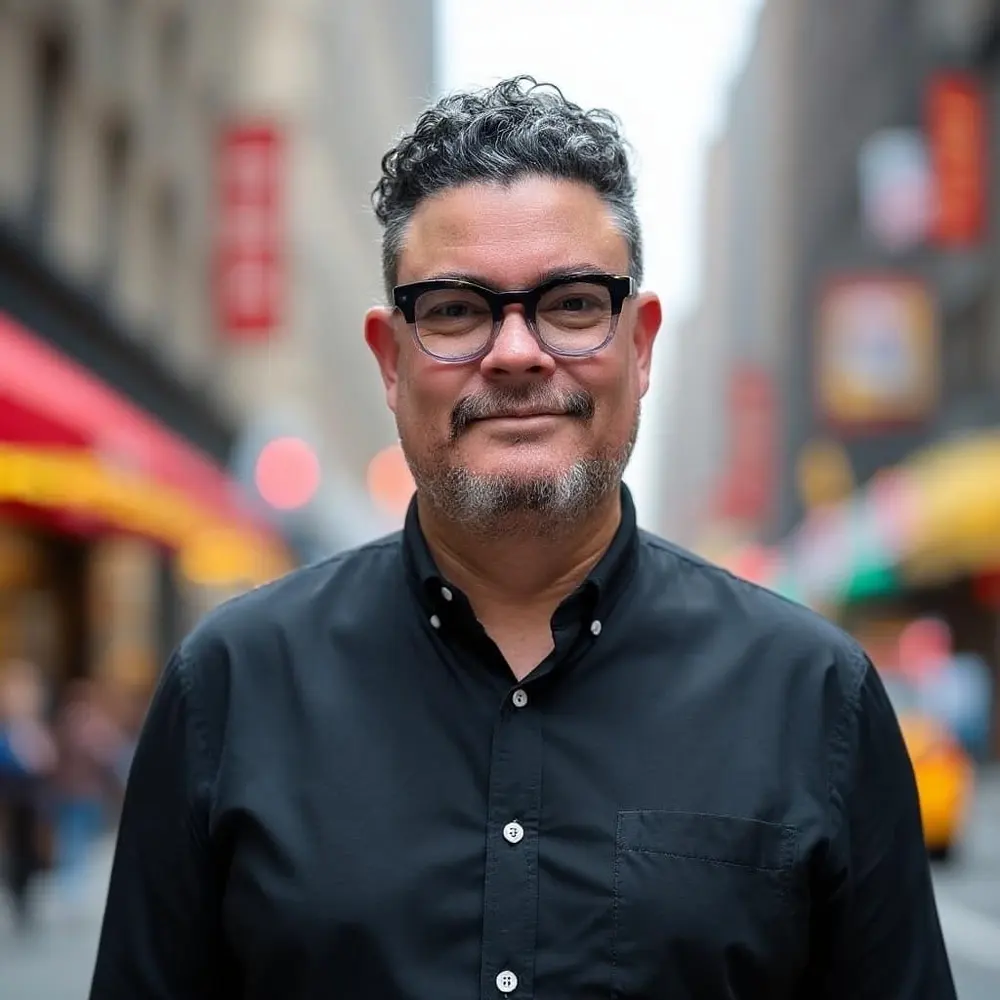
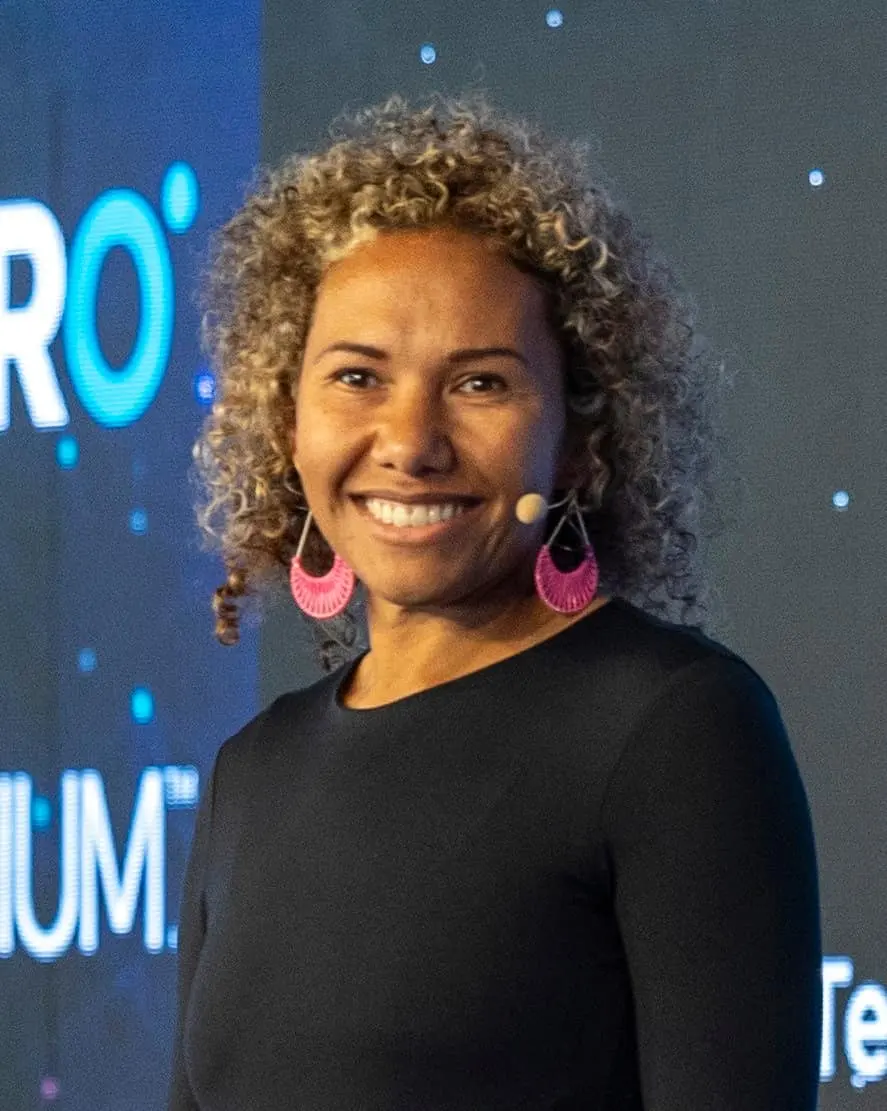

 ▶
▶ ▶
▶ ▶
▶